Now Reading: How to Get a Nepal Visa & Trekking Permits: A Complete Guide for Visitors
-
01
How to Get a Nepal Visa & Trekking Permits: A Complete Guide for Visitors
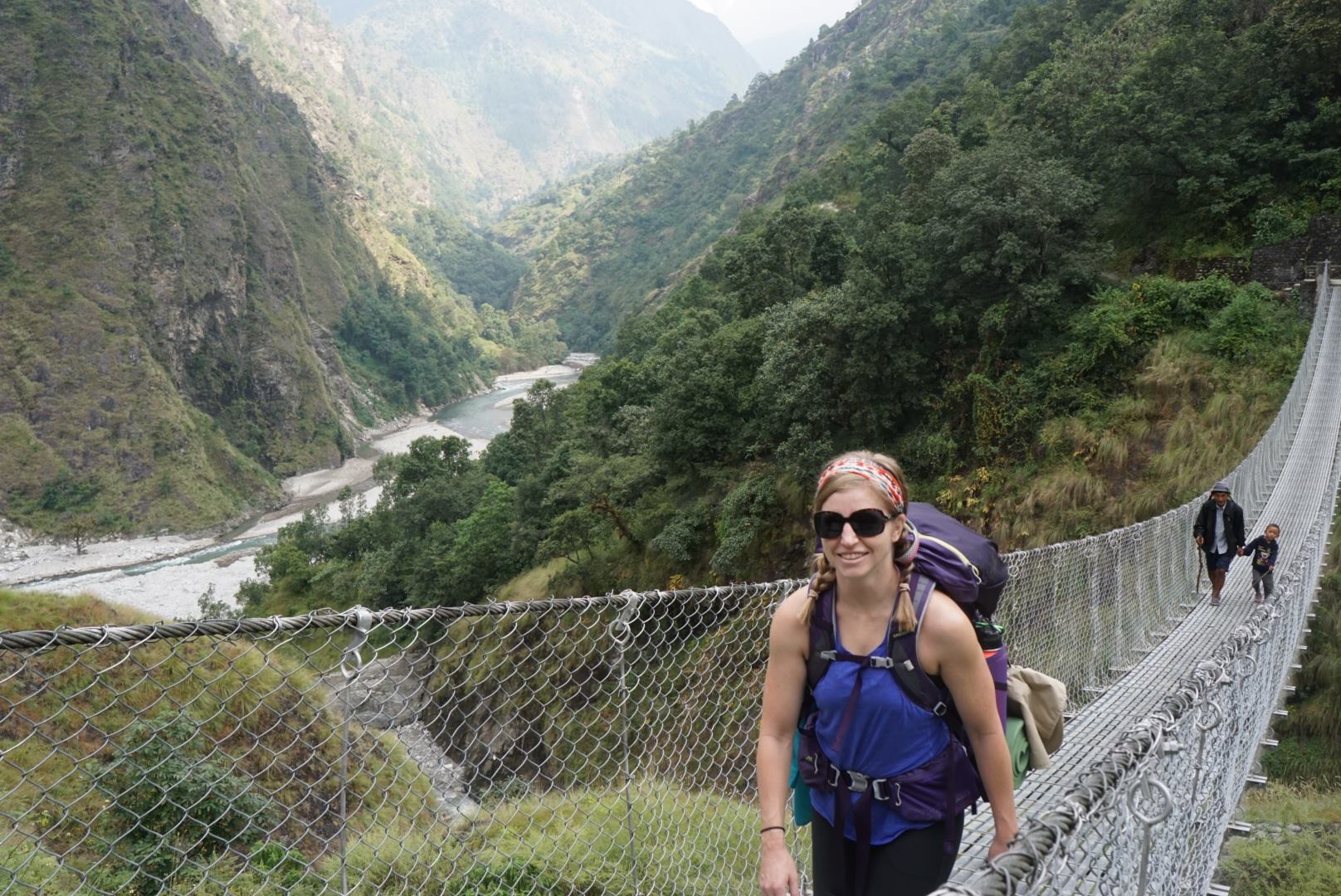

Planning a trip to Nepal is exciting, whether you’re dreaming of trekking in the Himalayas, exploring ancient temples, or simply soaking up the country’s unique culture. Before your adventure begins, there are two essential things you need to arrange: a Nepal tourist visa and, if you plan to hike beyond city areas, trekking permits.
This guide explains everything in a clear, practical way, so you can focus on enjoying your journey rather than worrying about paperwork.
Nepal Tourist Visa: What Every Visitor Should Know
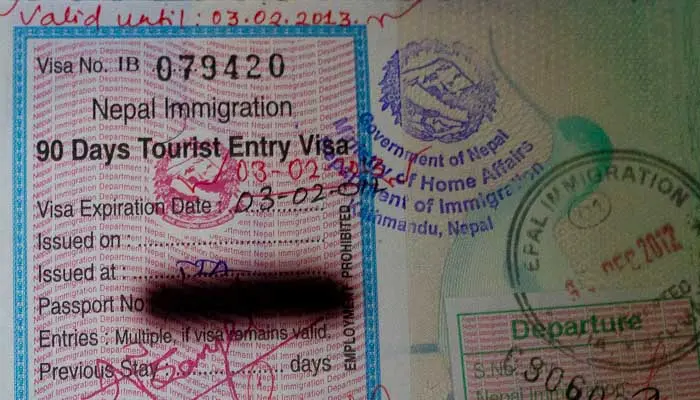
Most international travellers enter Nepal on a tourist visa, which allows sightseeing, cultural travel, and trekking. Nepal has one of the most straightforward visa systems in South Asia, making it easy for visitors to enter the country.
Visa on Arrival in Nepal
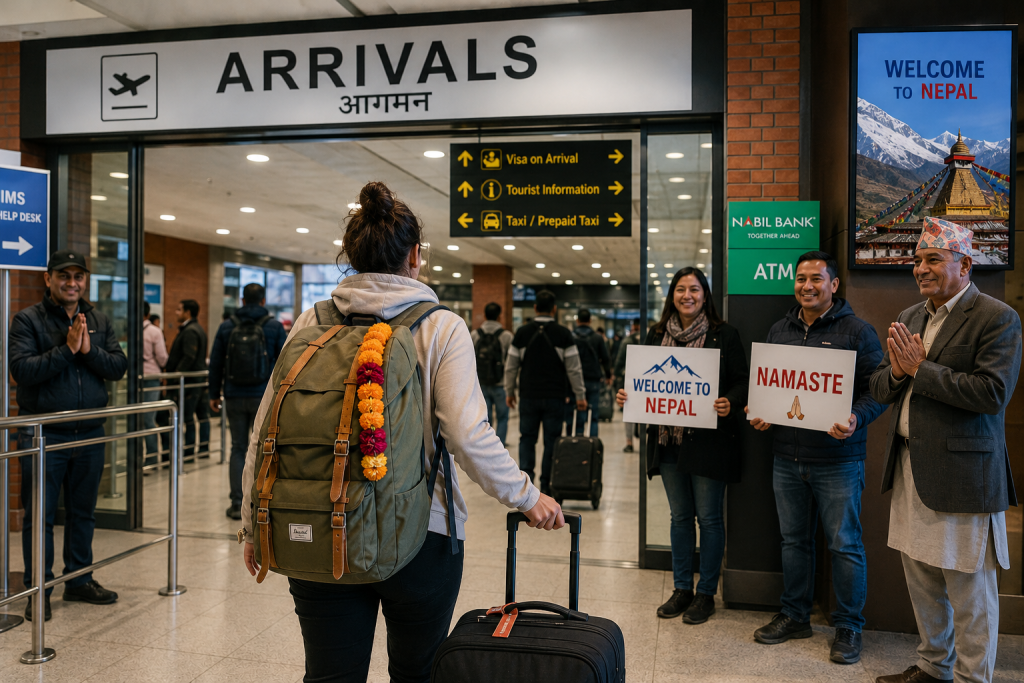
For most nationalities, the easiest option is a visa on arrival, available at Tribhuvan International Airport in Kathmandu and major land border crossings.
The process is simple:
- Fill out the arrival card and visa application form (online in advance or at airport kiosks)
- Pay the visa fee
- Submit your passport, form, and payment receipt at the immigration counter
Tourist visa fees (approximate):
- 15 days – USD 30
- 30 days – USD 50
- 90 days – USD 125
Your passport must be valid for at least six months, and it’s advisable to carry some cash in USD in case card payment systems are busy.
Important: Citizens of a few countries must apply for a visa in advance at a Nepali embassy. Always check official guidance before travelling.
Applying for a Nepal Visa Before Travel
If you prefer to have everything arranged before departure, you can apply for a tourist visa through a Nepalese embassy or consulate in your home country. This option is also mandatory for some nationalities. Processing times vary, so apply well in advance of your trip.
Extending Your Tourist Visa in Nepal
Many travellers decide to stay longer once they experience Nepal. Tourist visas can be extended at the immigration office in Kathmandu or Pokhara, provided you remain within the maximum stay limits.
Trekking Permits Essentials
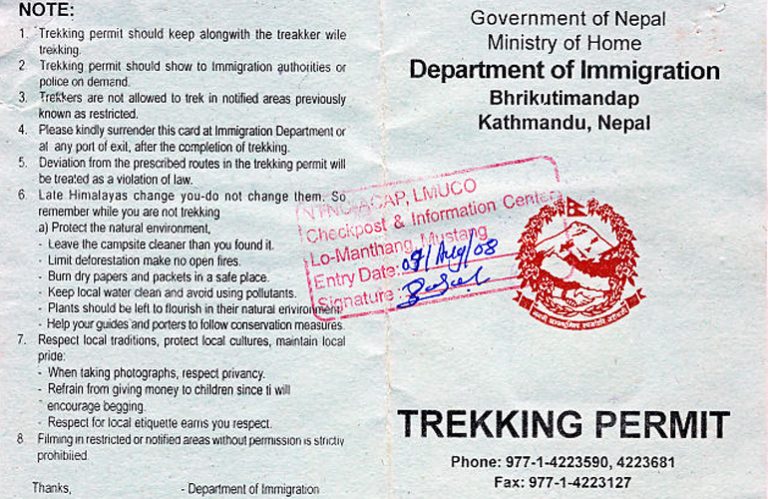
Trekking in Nepal is tightly linked to environmental protection, safety, and local livelihoods. Trekking permits help:
- Monitor trekkers for safety and rescue operations
- Protect national parks and conservation areas
- Support local communities and trail maintenance
If you plan to trek anywhere outside urban areas, including famous routes like Everest Base Camp or Annapurna Circuit, permits are compulsory.
The TIMS Card (Trekkers’ Information Management System)
The TIMS Card is one of the most important documents for trekkers in Nepal. It records your personal details, trekking route, and emergency contact information.
TIMS cards are required for most trekking routes and are usually obtained through a registered trekking agency. In recent years, regulations have changed, and many regions now require trekkers to be accompanied by a licensed guide, making agency support the easiest and safest option.
National Park & Conservation Area Permits
In addition to the TIMS card, most trekking regions require an entry permit for national parks or conservation areas. These permits are checked at trail checkpoints and park entrances.
Common examples include:
- Sagarmatha National Park Permit – Everest region
- Annapurna Conservation Area Permit (ACAP) – Annapurna region
- Langtang National Park Permit – Langtang Valley
Permit fees are generally affordable and go directly toward conservation and community development.
Restricted Area Trekking Permits
Some remote and culturally sensitive regions in Nepal are classified as restricted areas, including Upper Mustang, Dolpo, Kanchenjunga, and Tsum Valley.
To trek in these regions, you must:
- Book through a registered trekking agency
- Hire a licensed guide
- Obtain a Restricted Area Permit, often priced in USD and calculated per day
Although these permits are more expensive, they help preserve fragile landscapes and unique cultural traditions.
Where to Get Trekking Permits in Nepal
Trekking permits can be obtained through:
- Registered trekking agencies (recommended)
- Nepal Tourism Board offices in Kathmandu or Pokhara
- Designated permit counters for national parks and conservation areas
Most travellers choose trekking agencies because they handle paperwork, payments, and compliance, saving time and reducing stress.
Documents Needed for Trekking Permits
Before applying, make sure you have:
- A valid passport (at least six months’ validity)
- Nepal tourist visa copy
- Passport-size photographs
- Trek itinerary
- Travel insurance details (including emergency evacuation)
- Guide or agency details (if required)
Always carry both printed and digital copies of your permits while trekking.
Official Authorities & Contact Information
Department of Immigration
Address: Kalikasthan, Kathmandu, Nepal
Phone: +977-1-4529659 / +977-1-4429660
Email: info@immigration.gov.np
Website: https://www.immigration.gov.np
Responsible for visas, extensions, and immigration services.
Nepal Tourism Board
Address: Pradarshani Marg, Kathmandu (office also in Pokhara)
Website: https://www.ntb.gov.np
Provides official tourism information, trekking guidelines, and TIMS details.
Trekking Agencies’ Association of Nepal
Website: https://www.taan.org.np
Useful for finding licensed trekking agencies and certified guides.
Final Tips Before You Travel
- Apply for visas and permits early during peak seasons (spring and autumn)
- Double-check current regulations, as rules can change
- Respect local laws and trail checkpoints
- Support local guides and porters for a safer and more meaningful trek
- Keep all permits accessible while travelling
Final Thoughts
Nepal’s visa and trekking permit system is designed to be welcoming and manageable for travellers. With a little preparation, the process is smooth, and once it’s done, you’re free to experience Nepal’s breathtaking landscapes, warm hospitality, and rich cultural heritage.
From bustling Kathmandu to quiet mountain trails, having the right documents ensures your journey is stress-free and unforgettable.
Related Posts
Stay Informed With the Latest & Most Important News
Previous Post
Next Post
- Kathmandu Travel Guide: What to See, Where to Stay, Eat and How to Get Around
- From Mustang to the World: Shinta Mani Mustang Named the No. 1 Luxury Hotel on Earth
- Best Places to Visit in Nepal: A Complete Region-by-Region Guide for Every Traveller
- Trekking in Nepal: The Complete Guide to Choosing and Planning Your Himalayan Trek
- Beyond the Mountains: Why Nepal Could Become One of the World’s Great Food Destinations