Now Reading: Best Time to Visit Nepal: A Month-by-Month Breakdown for Every Traveller
-
01
Best Time to Visit Nepal: A Month-by-Month Breakdown for Every Traveller
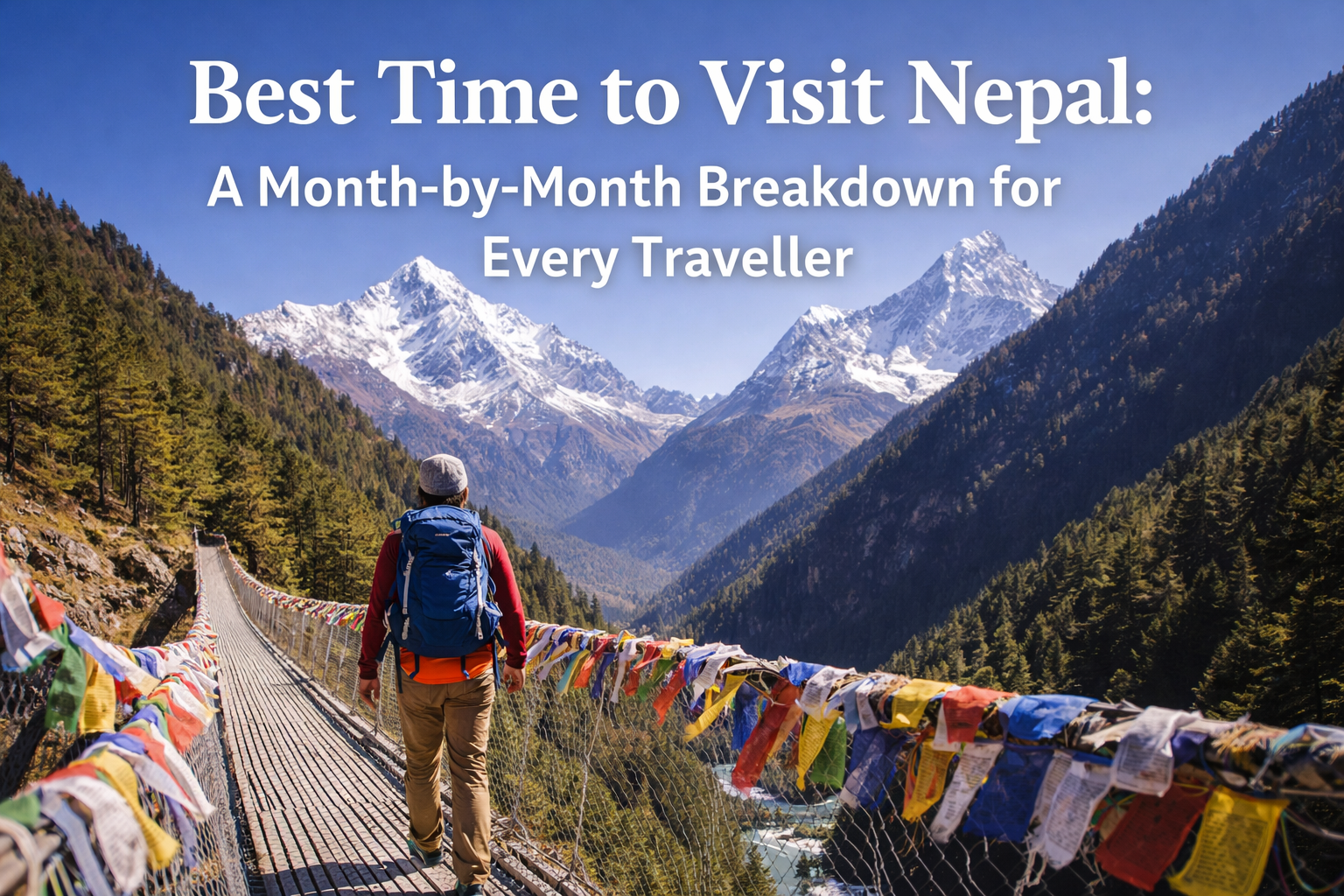

Discover the best time to visit Nepal month by month. Compare weather, festivals, trekking seasons, crowds, and costs to plan your perfect Nepal trip.
So you have decided that Nepal is calling your name. Smart choice. But now comes the question that every traveller wrestles with: when should you actually go?
Here is the truth… there is no single “perfect” month for Nepal. The best time to visit Nepal depends entirely on what you want to do, what you want to see, and how you like your travel served up. Want blazing Himalayan views on a classic trek? That is a different answer than someone who wants to dance through festivals in Kathmandu or float across Phewa Lake in blissful solitude.
This guide breaks down every single month of the year so you can match your travel style to the season that fits like a well-worn pair of trekking boots. We will cover weather, festivals, trekking conditions, crowd levels, and budget tips, all in one place.
Let’s walk through it together.
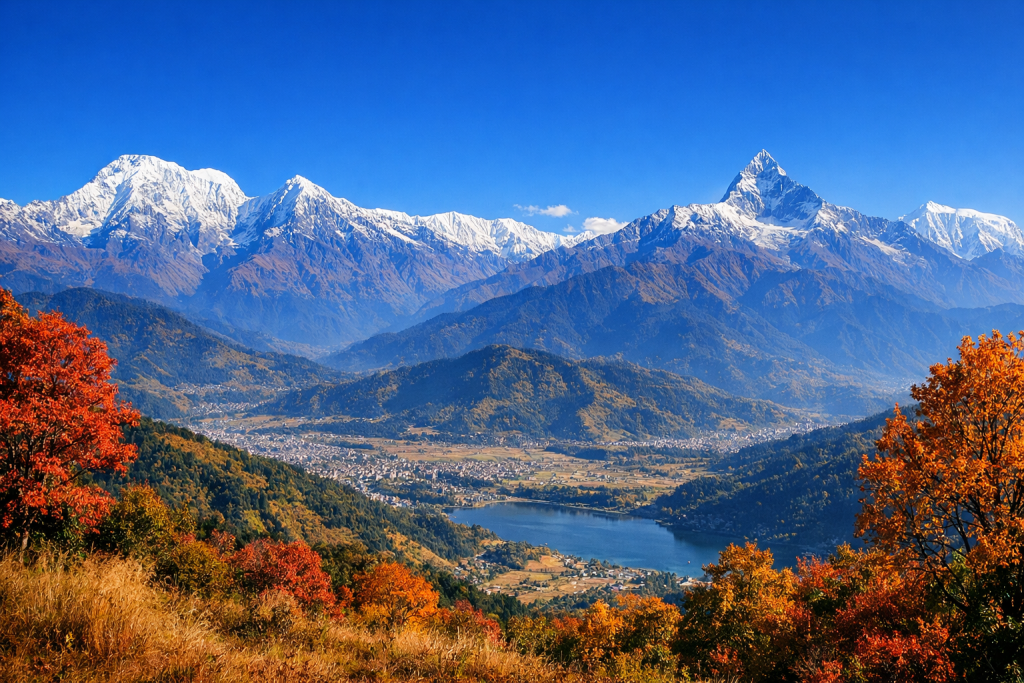
Nepal’s Seasons at a Glance
Before we dive into the month-by-month breakdown, it helps to understand Nepal’s broad seasonal rhythm. The country experiences four general seasons:
Spring (March to May): Warming temperatures, rhododendron blooms, and increasingly hazy skies as summer approaches.
Monsoon/Summer (June to August): Heavy rainfall, lush green landscapes, quieter trails, and lower prices.
Autumn (September to November): Crystal clear skies, peak trekking season, vibrant festivals, and the biggest crowds.
Winter (December to February): Cold and dry, stunning visibility on clear days, fewer tourists, and snow at higher elevations.
Now, let’s zoom in on what each month actually looks and feels like on the ground.
A Visual Calendar: Nepal Month by Month
| Month | Weather | Trekking | Crowds | Cost | Overall Rating |
|---|---|---|---|---|---|
| January | Cold, dry, clear | ⭐⭐ | Low | $$ | ⭐⭐⭐ |
| February | Cold, warming up | ⭐⭐⭐ | Low | $$ | ⭐⭐⭐ |
| March | Warm, pleasant | ⭐⭐⭐⭐ | Medium | $$$ | ⭐⭐⭐⭐ |
| April | Warm, hazy | ⭐⭐⭐⭐ | Medium-High | $$$ | ⭐⭐⭐⭐ |
| May | Hot, pre-monsoon | ⭐⭐⭐ | Medium | $$ | ⭐⭐⭐ |
| June | Hot, monsoon starts | ⭐⭐ | Very Low | $ | ⭐⭐ |
| July | Wet, heavy rain | ⭐ | Very Low | $ | ⭐⭐ |
| August | Wet, lush green | ⭐ | Very Low | $ | ⭐⭐ |
| September | Rain easing, clearing | ⭐⭐⭐ | Low-Medium | $$ | ⭐⭐⭐ |
| October | Clear, perfect | ⭐⭐⭐⭐⭐ | High | $$$$ | ⭐⭐⭐⭐⭐ |
| November | Cool, crisp, dry | ⭐⭐⭐⭐⭐ | High | $$$$ | ⭐⭐⭐⭐⭐ |
| December | Cold, dry, clear | ⭐⭐⭐ | Low-Medium | $$ | ⭐⭐⭐⭐ |
$ = Budget-friendly | $$ = Moderate | $$$ = Above average | $$$$ = Peak pricing
January: Crisp Skies and Quiet Trails
January is Nepal at its most peaceful. The tourist rush of autumn has faded, the air is biting cold (especially at altitude), and the skies are remarkably clear. If you are a photographer chasing those jaw-dropping Himalayan panoramas without the crowds, this is your month.
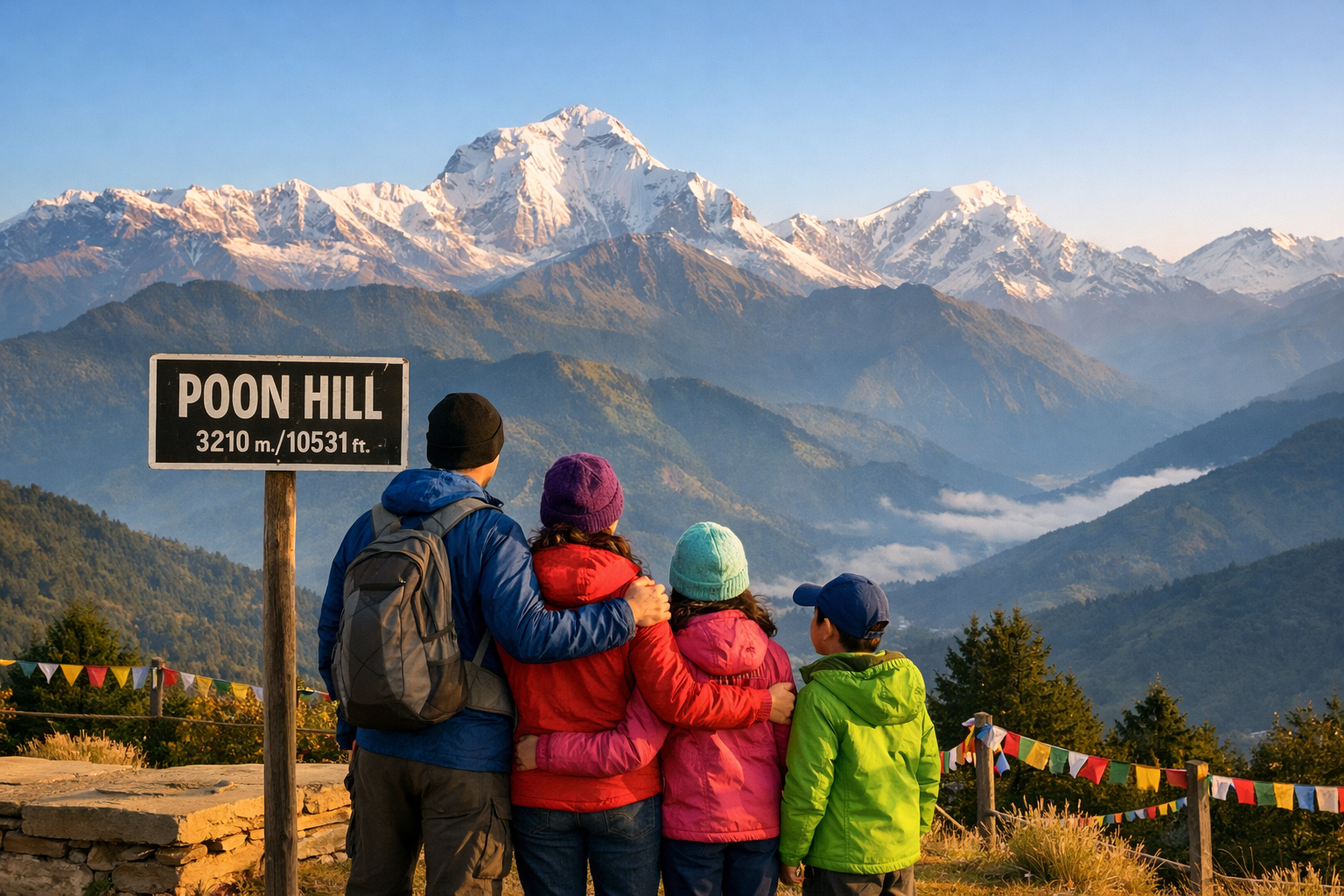
In Kathmandu and Pokhara, daytime temperatures hover around 10 to 15°C, but mornings and evenings dip close to freezing. Higher elevations see snow, which means popular treks like Everest Base Camp and the Annapurna Circuit require serious cold-weather gear and experience. Lower altitude treks, like the Poon Hill circuit or the Kathmandu Valley rim, are very doable and beautifully quiet.
Festival spotlight: Maghe Sankranti falls in mid-January, a harvest festival where locals feast on sesame sweets, yam, and ghee. You will see bonfires and riverside bathing rituals.
Budget tip: Hotels and guesthouses often drop prices by 20 to 40% compared to October and November. Flights to Kathmandu can also be significantly cheaper.
February: Winter’s Last Breath
February starts cold but ends with a whisper of warmth. By the second half of the month, you can feel spring approaching. The skies remain clear, making this a sneaky-good month for trekking before the spring crowds descend.
This is also when you might catch the tail end of Maghe Sankranti celebrations in rural areas, and the country begins preparing for the colourful chaos of Holi (which usually falls in March). The rhododendron forests at mid-altitude start showing their first buds.
Best for: Budget trekkers, cultural explorers, and anyone who loves the idea of having a mountain teahouse mostly to themselves.
March: Rhododendrons and Rising Warmth
March is when Nepal shakes off winter and bursts into colour. The hillsides explode with rhododendron blooms, painting entire valleys in red, pink, and white. Temperatures climb to a comfortable 15 to 25°C in the lowlands, and even higher altitude trails become more accessible.
Trekking picks up significantly. The Annapurna region, Langtang Valley, and Everest region all see increasing foot traffic, but it is not yet at peak saturation. The views are good, though a slight haze can build toward month’s end.
Festival spotlight: Holi, the festival of colours, usually lands in March. Imagine wandering through Kathmandu’s streets as clouds of coloured powder fill the air and strangers greet you with joyful shouts and painted faces. It is gloriously messy and absolutely unforgettable.
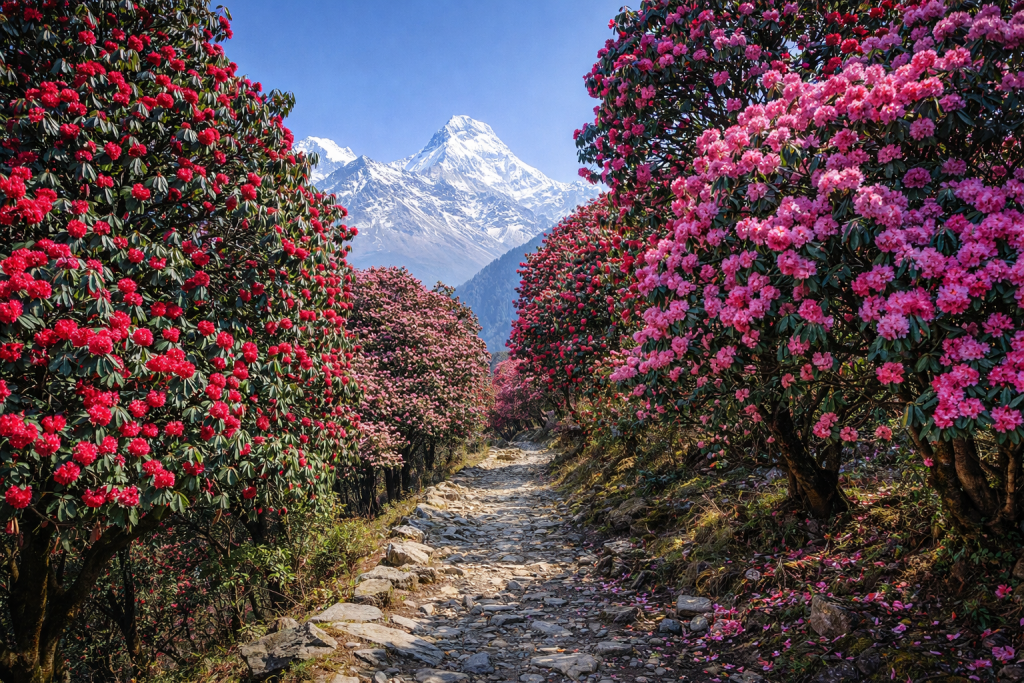
April: Peak Spring, Peak Blooms
April is arguably the best spring month for Nepal. Wildflowers carpet the hillsides, the weather is warm and stable at most elevations, and the trekking is superb. Everest Base Camp season hits full stride, and Annapurna trails bustle with hikers from around the world.
The downside? Visibility starts to drop as haze and dust increase in the lowlands. At higher altitudes, though, the air remains clearer. If you are heading above 3,000 metres, April treats you well.
Cultural note: Nepali New Year (Bisket Jatra in Bhaktapur) falls in mid-April, bringing chariot processions, tug-of-war rituals, and lively street celebrations. It is a fantastic window into local traditions.
Budget tip: Prices are moderate to high. Booking trekking permits and teahouse accommodation a few weeks in advance is a wise move, especially for the Everest region.
May: Heat Builds, Adventure Continues
May is a transitional month. The lowlands get genuinely hot (30°C and above in Kathmandu and the Terai), and afternoon thunderstorms begin to hint at the approaching monsoon. But here is the thing… high-altitude trekking is still very much on the table. In fact, May is prime Everest summiting season for mountaineering expeditions.
If you are not climbing above 5,000 metres, consider exploring Upper Mustang or Dolpo, both of which sit in the rain shadow and stay relatively dry even as the monsoon creeps in elsewhere.
Best for: Adventurous trekkers comfortable with variable weather, mountaineering enthusiasts, and travellers who do not mind the heat in exchange for thinner crowds.
June to August: The Monsoon Months
Let’s be honest: most travel guides will tell you to avoid Nepal during the monsoon. And yes, the rain is real. June through August brings heavy, daily downpours that swell rivers, trigger landslides on mountain roads, and blanket the hills in thick cloud. Flights to mountain airstrips like Lukla become unreliable. Many trekking routes are slippery and leech-ridden.
But here is the flip side…
Nepal during the monsoon is breathtakingly green. Rice paddies glow an electric emerald. Waterfalls thunder off every cliff face. The Terai jungles in Chitwan and Bardia are alive with wildlife. And you will have temples, guesthouses, and entire towns practically to yourself.
If you embrace the rain and pack accordingly (waterproof everything, quick-dry layers, a sturdy umbrella), monsoon Nepal has a raw, intimate beauty that the peak-season crowds never get to experience.
Festival spotlight: Monsoon is not short on festivals. Buddha Jayanti (June), Naga Panchami (August), and the lead-up to Dashain make this a culturally vibrant period. In August, the cattle festival of Gai Jatra fills Kathmandu’s streets with costumed parades and satire.
Budget tip: This is the cheapest time to visit Nepal. Accommodation can drop to half its peak-season price, and you can negotiate on almost everything. Domestic flights are the exception, as cancellations and rebookings can add unexpected costs.
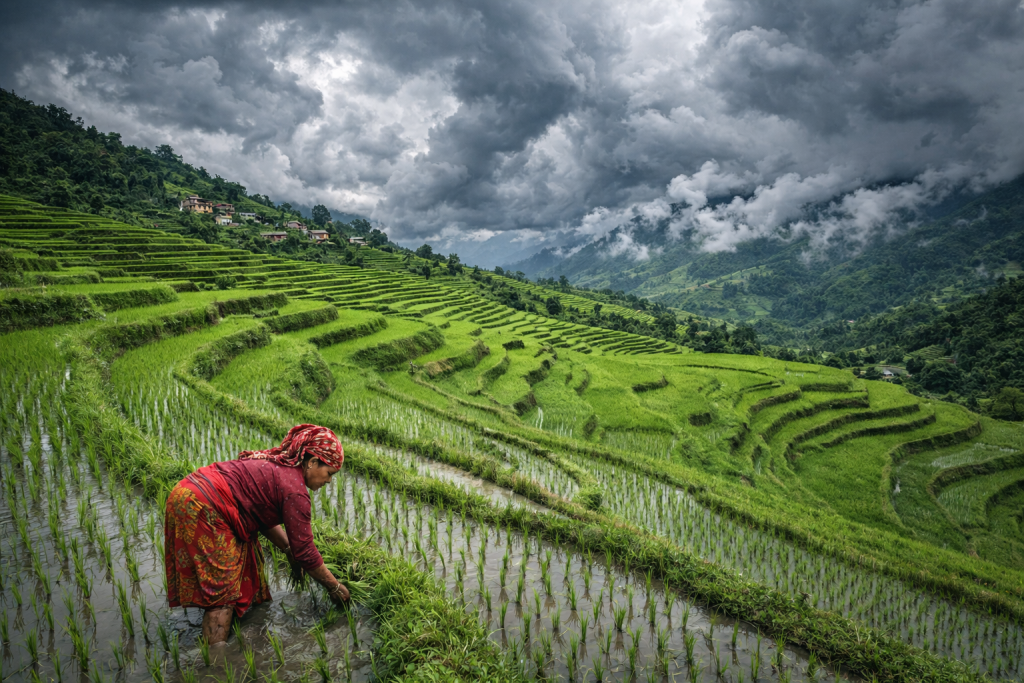
September: The Transition Month
September is a gamble that often pays off. The monsoon is winding down, the landscape is still impossibly green, and the air starts clearing for mountain views. By late September, the rain becomes intermittent, and you can string together several clear days in a row.
It is a brilliant month for the patient traveller. Trails are not yet crowded, prices have not spiked to peak levels, and the countryside is at its most lush and photogenic. Lower-altitude treks and cultural exploration in the Kathmandu Valley are excellent choices.
Festival spotlight: The build-up to Dashain, Nepal’s biggest festival, begins in late September. You will sense the excitement everywhere: markets overflowing with new clothes, families buying goats for the feast, bamboo swings erected in every village. It is electric.
October: The Golden Month
If someone pins you down and demands a single best month to visit Nepal, the answer is October. This is the sweet spot. The monsoon has fully retreated, the skies are scrubbed clean, and the Himalayas stand in heart-stopping clarity from almost every vantage point.
Every major trek is in full swing. Everest Base Camp, the Annapurna Circuit, Langtang, Manaslu… the trails are busy but the conditions are unbeatable. Temperatures at altitude are cold but manageable, and the lowlands enjoy perfect, warm days.
Festival spotlight: October is festival season in Nepal. Dashain (the country’s biggest celebration, roughly equivalent to Christmas in cultural significance) and Tihar (the festival of lights, with its stunning oil lamps, marigold garlands, and the lovely tradition of honouring dogs, crows, and cows) both fall in this period. Experiencing either one is reason enough to visit.
Budget tip: This is peak season. Expect the highest prices for flights, accommodation, trekking guides, and permits. Book everything well in advance, especially teahouse stays on popular routes. Some lodges on the Annapurna Circuit and EBC route fill up entirely.
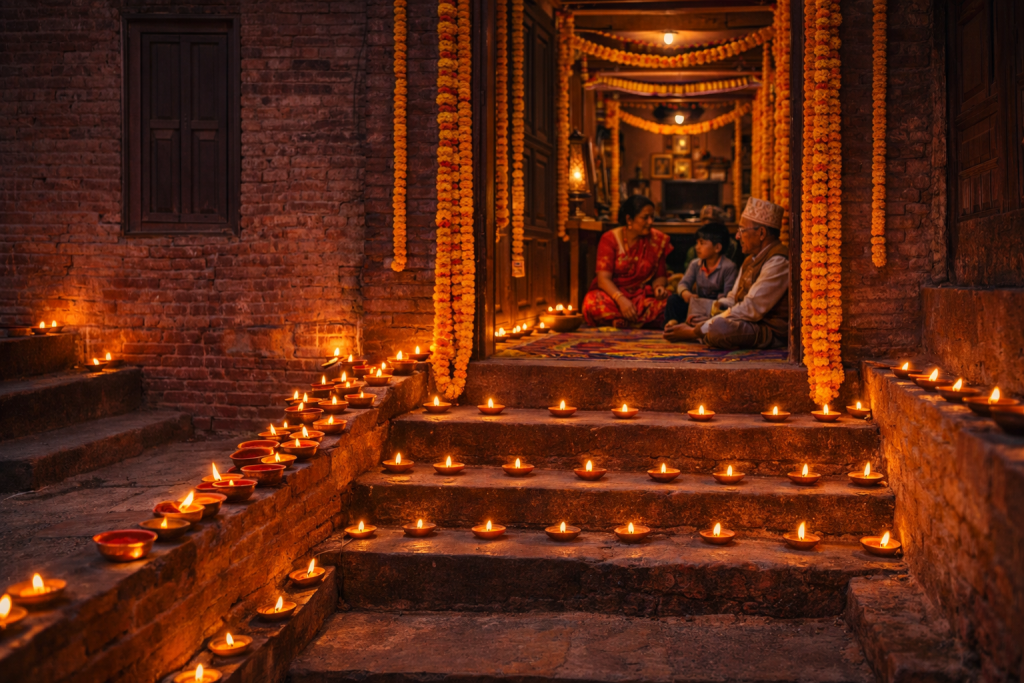
November: Clear Skies, Cooler Temperatures
November rivals October for sheer trekking perfection. The skies remain crystal clear, and while temperatures drop noticeably (especially at altitude and after dark), the conditions for mountain views and high-altitude hiking are outstanding.
The first half of November sees the tail end of peak season crowds, but by mid-to-late November, things start thinning out. If you want October-quality weather with slightly fewer people, aim for the second or third week of November.
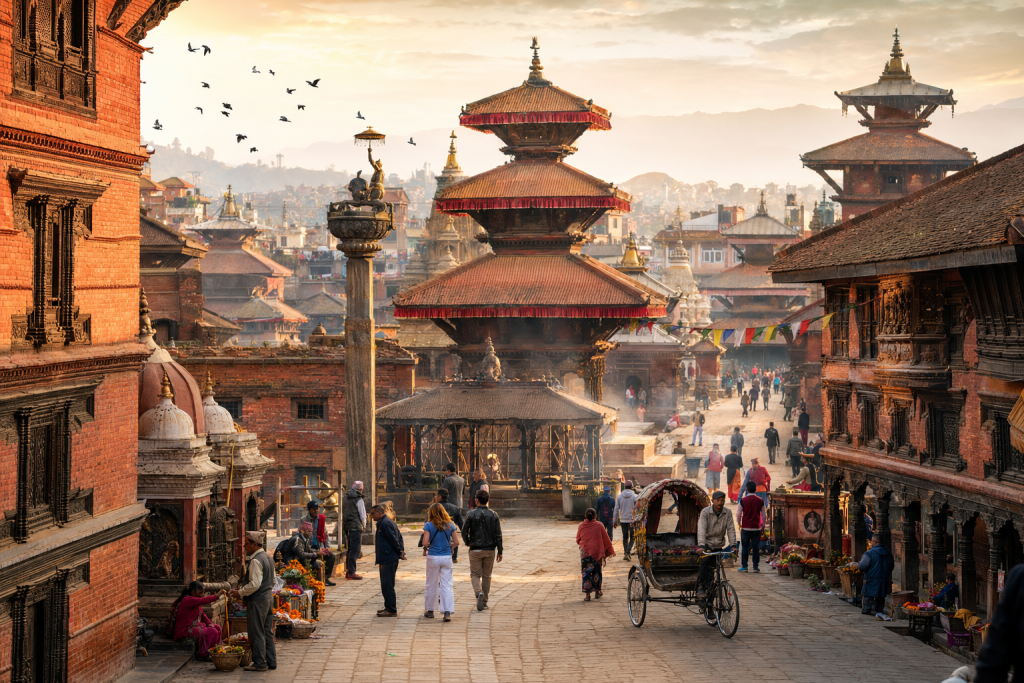
For those not trekking, November is gorgeous for exploring Kathmandu’s heritage sites, cycling around Bhaktapur, taking a sunrise trip to Nagarkot, or heading to Chitwan for a jungle safari (the cooler, drier weather makes wildlife spotting easier as animals gather near water sources).
Best for: Trekkers who want peak conditions without the absolute peak crowds, wildlife enthusiasts, and cultural travellers.
December: Winter Wonderland on a Budget
December brings winter to Nepal in earnest. The Kathmandu Valley is chilly (5 to 12°C), and higher elevations see snowfall that can close passes above 4,000 metres. But the skies? Absolutely spectacular. On a clear December morning, the Himalayan panorama from Nagarkot or Sarangkot will leave you speechless.
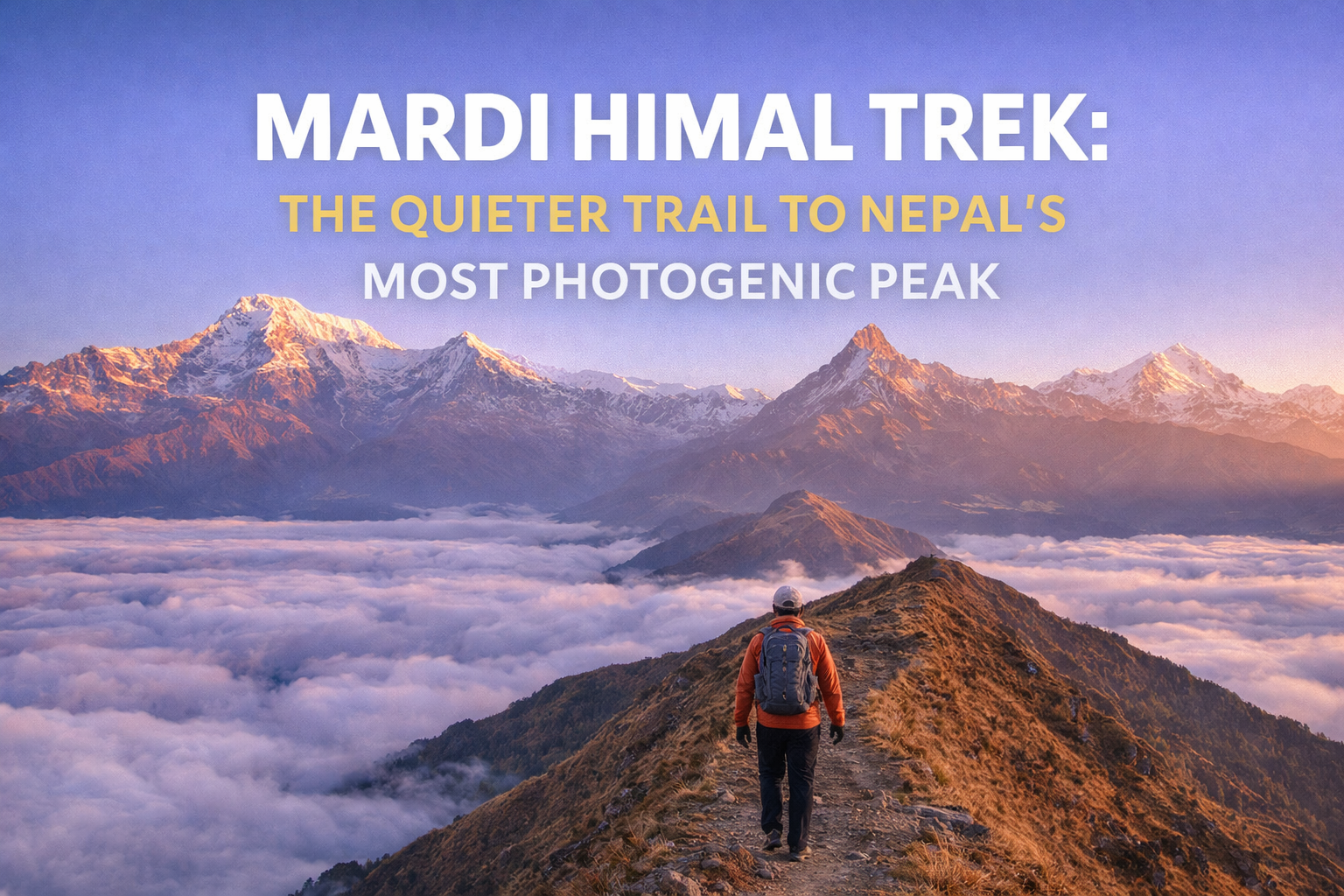
Lower-altitude treks remain excellent. The Ghorepani Poon Hill trek, the short Mardi Himal trek, and walks through the Kathmandu Valley are all wonderful in December. The Terai stays pleasantly warm, making it ideal for Chitwan or Bardia national parks.
Christmas and New Year bring a small bump in tourist numbers, but nothing compared to October. Many travellers combine a week of cultural exploration with a short trek for a perfect winter itinerary.
Budget tip: Outside of the holiday week, December offers great value. Guesthouse prices in Thamel and Lakeside drop significantly, and you can find bargains on guided treks.
Quick Guide: Best Months by Activity
To make your planning even easier, here is a quick breakdown by what you actually want to do:
High-altitude trekking (EBC, Annapurna Circuit, Manaslu): October, November, March, April
Short and lower-altitude treks (Poon Hill, Mardi Himal): October through December, March through May
Wildlife safaris (Chitwan, Bardia): October through March
Cultural festivals and city exploration: October (Dashain/Tihar), March (Holi), April (New Year)
Budget travel: June through August, January, February
Photography: October, November, December, January
Rain shadow treks (Upper Mustang, Dolpo): June through September (these areas stay dry during monsoon)
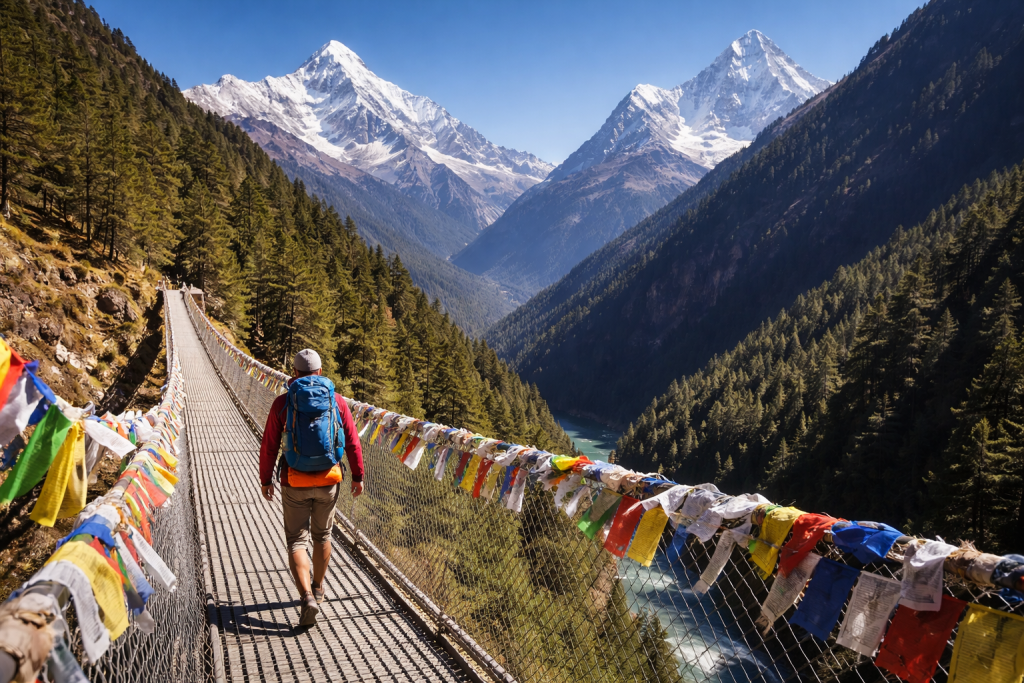
Final Thoughts: There Is No Wrong Time
Here is the beautiful thing about Nepal: every season has something extraordinary to offer. October and November might wear the crown for trekking, but January’s solitude, March’s wildflowers, and even the monsoon’s raw green beauty all have a magic of their own.
The best time to visit Nepal is the time that aligns with your priorities. Chase the festivals. Chase the views. Chase the bargains. Or simply chase the feeling of standing in a place where ancient temples meet towering mountains and every stranger greets you with “Namaste.”
Whatever month you choose, Nepal will not disappoint.
Ready to start planning? Bookmark this guide, pick your ideal month, and begin mapping out the Nepal trip you have been dreaming about. The Himalayas are patient, but your adventure is waiting. Go make it happen.
Related Posts
Stay Informed With the Latest & Most Important News
Previous Post
Next Post
- Kathmandu Travel Guide: What to See, Where to Stay, Eat and How to Get Around
- From Mustang to the World: Shinta Mani Mustang Named the No. 1 Luxury Hotel on Earth
- Best Places to Visit in Nepal: A Complete Region-by-Region Guide for Every Traveller
- Trekking in Nepal: The Complete Guide to Choosing and Planning Your Himalayan Trek
- Beyond the Mountains: Why Nepal Could Become One of the World’s Great Food Destinations