Now Reading: The Last Forbidden Kingdom: Your Ultimate Guide to Trekking Upper Mustang in 2026
-
01
The Last Forbidden Kingdom: Your Ultimate Guide to Trekking Upper Mustang in 2026
The Last Forbidden Kingdom: Your Ultimate Guide to Trekking Upper Mustang in 2026

There are some places in Nepal that stay with you long after the journey ends. Upper Mustang is one of them.
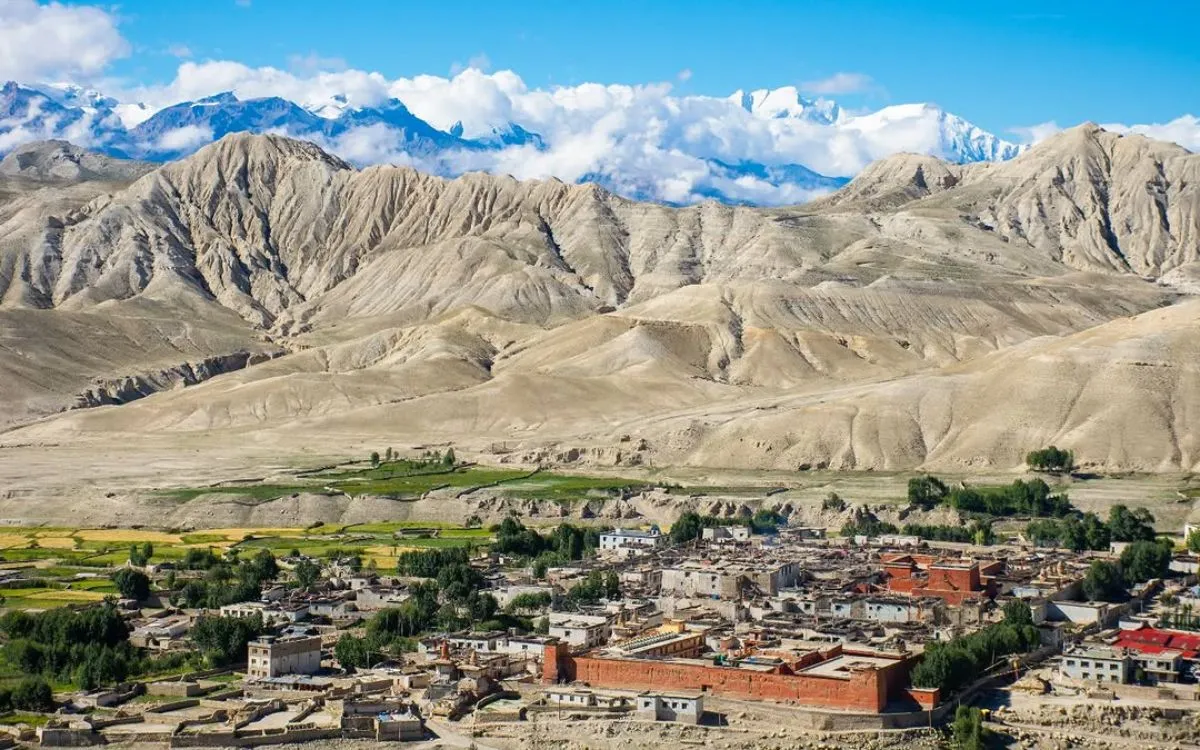
This is not just another trek where you count passes, tick off villages, and move on. Upper Mustang feels different from the moment you begin heading north. The mountains open into wide ochre valleys, the wind gathers dust from ancient trails, and the villages seem to rise straight out of the earth itself. Somewhere beyond Kagbeni, it starts to feel as though you have crossed not only into another landscape, but into another time.
For many travellers, Nepal is all about the big names first. Everest. Annapurna. Langtang. But Upper Mustang belongs to a different conversation. It is quieter, drier, more spacious, and in many ways more mysterious. This was once the independent Kingdom of Lo, a Himalayan world shaped by Tibetan Buddhism, old trade routes, cave settlements, walled towns, and centuries of isolation. Even now, after better roads and rising interest, it still carries the feeling of a place slightly apart from the rest of the world.
And that is exactly why people are paying attention to it in 2026.
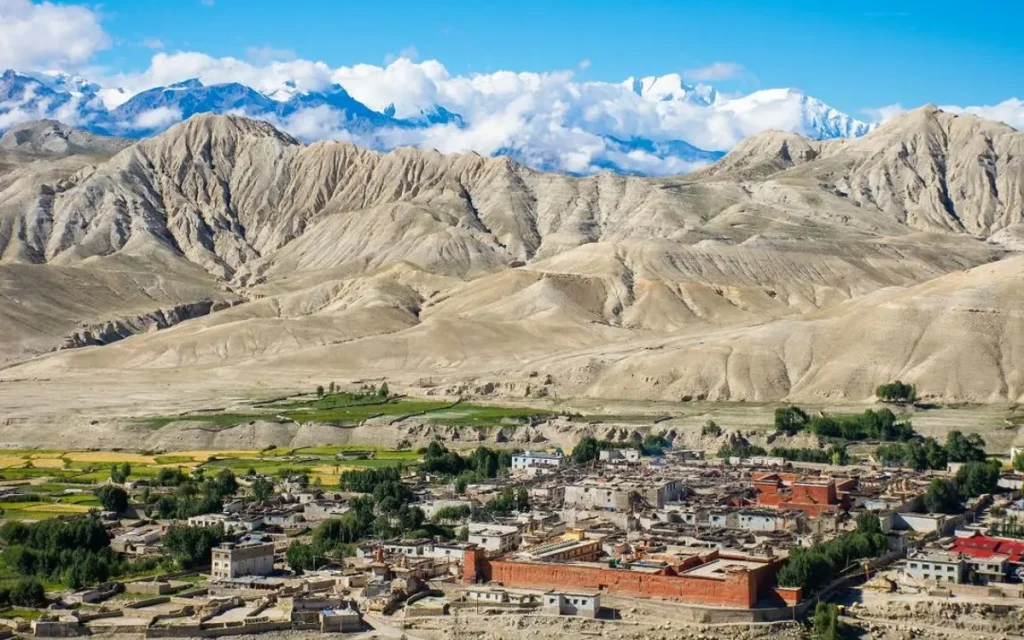
With changes to the permit system and growing curiosity among trekkers looking beyond Nepal’s busier trails, Upper Mustang has become one of the most talked-about journeys in the country. Yet even with that new attention, the real magic of Mustang has not changed. It is still there in the red cliffs, the whitewashed villages, the prayer walls, the monastery courtyards, and the first glimpse of Lo Manthang glowing against the desert hills.
If you are thinking about trekking Upper Mustang this year, this guide will help you understand what makes it so special, how the route works, what has changed, and why this part of Nepal leaves such a deep impression on the people who walk through it.
Why Upper Mustang Feels So Different
One of the first things travellers notice about Upper Mustang is the landscape. It does not look like the green hill villages many people imagine when they think of Nepal. This is the trans-Himalayan world, lying in the rain shadow of the Annapurna and Dhaulagiri ranges. The monsoon clouds that drench much of Nepal do not really reach here in the same way. What you get instead is an open, wind-shaped terrain of sandstone cliffs, dry riverbeds, pale ridges, hidden caves, and vast skies.
It can feel almost lunar at times, especially in the afternoon light when the hills shift from gold to rust to deep brown. But Upper Mustang is not empty. It is full of life, memory, and cultural continuity.
This region preserved a way of living that changed much more slowly than in other parts of Nepal. The old kingdom’s ties to Tibet remain visible everywhere. You see them in the architecture, in the chortens and mani walls, in the rhythm of village life, in the monasteries, and in the faces of the people who still call this high desert home. Barley fields appear like green surprises against a dry landscape. Prayer flags flutter across passes and rooftops. Villages cling to hillsides in soft shades of mud, white, and red.
Upper Mustang does not overwhelm you in one dramatic instant. It draws you in slowly. A gateway village. A trail running beside a canyon. A monastery wall painted centuries ago. A child running through an alley in Lo Manthang. A line of pack animals moving through dust where traders once crossed between Tibet and Nepal. The beauty here builds layer by layer.
A Kingdom Once Closed to the Outside World
For a long time, Upper Mustang was one of the most restricted regions in Nepal. Foreign visitors were not allowed in until 1992. That long period of isolation protected much of its cultural and visual identity, which is part of why the region still feels so distinct today.
Even after it opened, access remained limited by a high restricted area permit fee. That kept numbers relatively low compared with other famous trekking routes. In many ways, Upper Mustang retained its reputation as a place for travellers who were especially curious, patient, and willing to go a little farther for something more unusual.
That sense of rarity still exists, though things are beginning to shift.
As interest grows and travellers search for alternatives to more crowded routes, Upper Mustang is no longer just a niche dream for seasoned trekkers. It is becoming a more visible part of the Nepal trekking conversation. Yet it still offers something that is becoming harder to find anywhere in the Himalayas: a strong feeling of place.
The Permit Situation in 2026
One of the biggest reasons Upper Mustang is being discussed so much right now is the permit structure.
Travelling in Upper Mustang requires special permissions because it is a restricted area. In practical terms, that means you cannot simply arrive and trek independently in the way you might in some other regions of Nepal. You need to organise the required permits and travel with a licensed guide through a registered agency.
The key documents are:
Restricted Area Permit (RAP)
Upper Mustang requires a special restricted area permit. The newer model has made many travellers pay closer attention because it affects budget planning quite differently from the old flat structure.
Annapurna Conservation Area Permit (ACAP)
Because Mustang lies within the wider Annapurna region, this permit is also needed.
Guide requirement
Solo trekking is not permitted in Upper Mustang. You must go with a licensed guide, and in practice most people arrange the whole trip through an agency.
Some travellers initially see the permit rules as a complication. In truth, they are part of why the region still feels protected. Upper Mustang is not a place for rushed, careless travel. It asks for planning, intention, and respect. That tends to shape the experience in a good way.
And once you are actually on the trail, the logistics fade quickly into the background.
The Journey Begins: Kathmandu, Pokhara, Jomsom
Most journeys to Upper Mustang begin in Kathmandu, then continue to Pokhara. From Pokhara, many trekkers take the mountain flight to Jomsom, which is one of those short flights in Nepal that feels unforgettable even before the trek starts. On a clear morning, the peaks rise close and sudden, and the Kali Gandaki valley appears below like a corridor opening north.
Jomsom itself has long been the practical gateway to Mustang. From there, the route leads toward Kagbeni, and that is where the psychological shift often happens. Kagbeni is not only beautiful in its own right, with its old alleyways and windswept setting, but it also feels like a threshold. Beyond it lies Upper Mustang proper.
You leave behind the greener lower valley and move deeper into a landscape that becomes steadily drier, wider, and more exposed. The riverbeds broaden. The cliffs grow taller. The villages seem more isolated. The sense of entering somewhere older and more remote becomes stronger with each day.
The Classic Route to Lo Manthang
The best-known Upper Mustang trek follows the classic route north from Jomsom through Kagbeni and onward to Lo Manthang, the historic walled capital of the old kingdom.
This route remains popular for good reason. It offers a gradual unfolding of Mustang’s landscapes and cultural highlights. Villages like Chele, Syangboche, Ghami, Tsarang, and others each bring their own mood and character. Some sit above narrow gorges. Some rest beside broad dusty valleys. Some are marked by monastery complexes, long mani walls, or dramatic hilltop settings.
There is a repeated pleasure on this route that is difficult to explain until you experience it: the contrast between harsh terrain and gentle human settlement. You walk through dry cliffs and open desert-like expanses, then suddenly arrive at a village where poplar trees sway, water channels run quietly, and life gathers behind whitewashed walls.
Tsarang is one of those places that often lingers in memory. Its red gompa, open setting, and quiet dignity make it feel important even before you know much about its history. Then there is Lo Manthang itself, which is the emotional centre of the journey for many trekkers.
Arriving in Lo Manthang
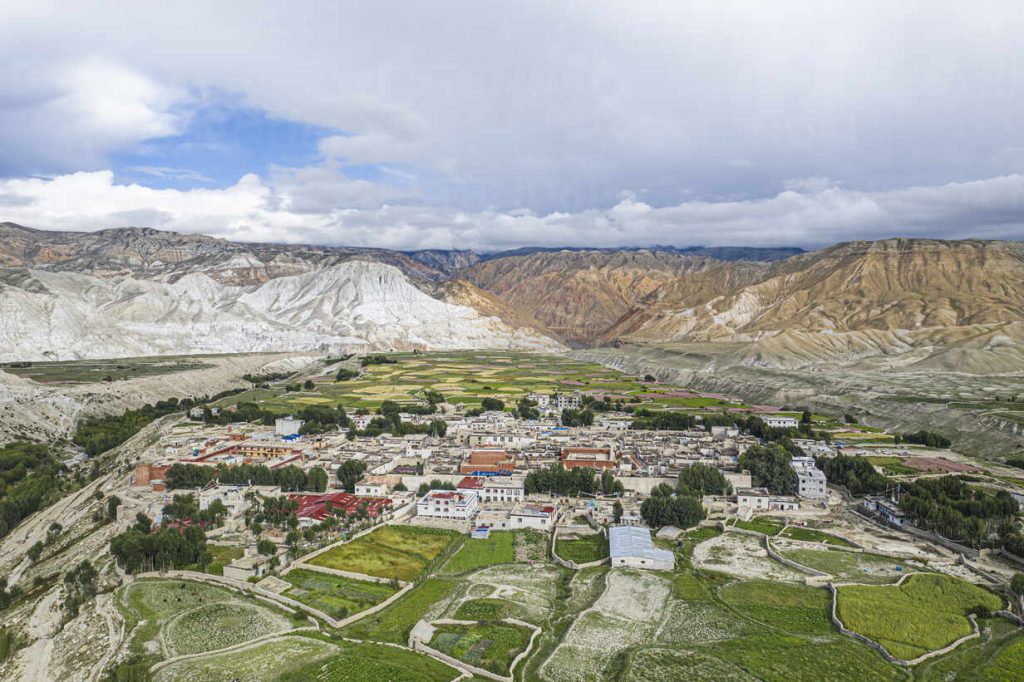
Lo Manthang is not dramatic in the way of a snowy summit or a sharp alpine pass. Its power is different. You see the settlement from a distance first, low and contained within its walls, almost blending into the land around it. Then you come closer and realise what you are looking at: a medieval walled city in the high Himalayas, still inhabited, still spiritually alive, still shaped by centuries of continuity.
Inside, the lanes are narrow and intimate. White walls catch the sun. Monasteries hold old murals and stories. Courtyards open quietly behind wooden doors. The old royal palace still stands, not as some polished museum piece but as part of a living town with all the texture that implies.
Lo Manthang rewards slowness. This is not a place to rush through for a few photos and leave. Stay a little longer. Walk without purpose. Sit in the late afternoon light. Watch daily life unfold. Visit the monasteries with care. Let the place speak in its own way.
If your timing aligns with the Tiji Festival in spring, the experience becomes even more extraordinary. The masked dances, ritual energy, and gathering of local communities turn the city into a living expression of Mustang’s deeper spiritual identity. It is not just a spectacle for visitors. It is a cultural heartbeat.
The Eastern Route and a Wilder Side of Mustang
For trekkers who want a less conventional experience, the eastern approach through places like Yara and Tangge offers another side of Upper Mustang. This route is often considered more remote and, in many cases, more rewarding for those with time, fitness, and a desire to step farther away from roads and more established trekking lines.
Here, Mustang feels even more expansive. The villages are fewer, the terrain more rugged, and the silence deeper. There is a rawness to the trail that many experienced trekkers love. High passes, eroded formations, hidden settlements, and old pathways create a journey that feels exploratory even when guided.
The eastern side also brings travellers closer to some of Mustang’s cave landscapes and lesser-visited communities. It asks more from you physically, but it also offers a stronger sense of discovery.
For some travellers, the classic route is the perfect first introduction. For others, the eastern route becomes the part they speak about most vividly afterwards. It depends on what kind of journey you are seeking.
The Cultural Soul of Upper Mustang
It is tempting to describe Upper Mustang only in terms of scenery, but doing that would miss the point. The region’s lasting power comes from the relationship between land and culture.
This is a landscape shaped by Tibetan Buddhist tradition, old kingdom structures, seasonal rhythms, and a way of life adapted to the realities of a high dry environment. Monasteries are not decorative stops along a trek. They remain places of prayer and community. Prayer walls are not background features. They are part of the spiritual geography. Fields, livestock, homes, and festivals all reflect a way of living that has grown from this environment over generations.
That is one of the reasons travellers often feel something deeper in Mustang than they expected. The journey is not only visually striking. It is layered with meaning.
You might notice it in simple moments. Women working in the fields beneath barren cliffs. Children spinning prayer wheels as they pass. An old man seated by a sunlit wall. Monks moving through a monastery courtyard in the morning. These are small scenes, but together they create the feeling that Upper Mustang is not merely being visited. It is being lived.
Best Time to Trek Upper Mustang
One of the great advantages of Upper Mustang is that it can be trekked during months when many other parts of Nepal are difficult because of rain. Since the region lies in the rain shadow, it remains relatively dry during the monsoon season, which makes summer a very real option here.
Spring brings clear skies, comfortable temperatures, and the possibility of seeing festivals such as Tiji if your timing is right. This is one of the most appealing seasons, especially for travellers who want both cultural atmosphere and classic trekking conditions.
Monsoon can actually be one of the most rewarding times to visit Mustang because while much of Nepal is wet, this region often stays dry enough for excellent trekking. The light can be beautiful, and the trails may feel quieter.
Autumn remains a favourite for many trekkers because the skies are usually crisp and visibility is strong. The weather is stable, and the overall experience feels very accessible.
Winter is colder and more demanding, especially at night, but it also brings a stark beauty and a sense of deep stillness. For travellers who do not mind the cold, winter Mustang can feel especially atmospheric.
In truth, there is no single perfect season for everyone. The best time depends on whether you care most about festivals, solitude, milder temperatures, or classic clear-sky trekking.
Practical Things Worth Knowing Before You Go
Upper Mustang is not technically the hardest trek in Nepal, but it does require preparation. The altitude, wind, remoteness, and dry climate all shape the experience.
A few things matter more here than first-time trekkers sometimes realise.
Take acclimatisation seriously. Even if the trail is not relentlessly steep every day, you are still going high, and altitude affects people differently.
Pack for strong sun, wind, and cold evenings. A day may feel warm under the open sky, but temperatures drop quickly once the light fades.
Carry cash before heading north, because access to banking facilities is very limited.
Bring a reusable water bottle and some form of purification. Fragile places like Mustang benefit from travellers creating less waste.
Move respectfully through villages and monastery areas. Dress modestly, ask before photographing people, and remember that this is not an open-air museum. It is home.
Also, try not to overload the journey with constant comparison. Upper Mustang is not Everest, and it is not Annapurna in the usual sense either. The more you let it be itself, the more memorable it becomes.
Why Upper Mustang Matters More Than Ever
In a time when travel often becomes faster, louder, and more crowded, Upper Mustang still offers something slower and more reflective. It asks you to pay attention. To walk through wind instead of around it. To notice walls, textures, silences, and stories. To understand that beauty can be austere as well as lush. To value places that do not reveal everything immediately.
That may be why people come back from Mustang talking about it with such affection. It is not only the scenery they remember. It is the feeling.
The feeling of entering Kagbeni with anticipation.
The feeling of long dusty trails beneath giant skies.
The feeling of seeing Lo Manthang for the first time.
The feeling of standing in a place that still carries the shape of another era.
Upper Mustang is changing, as all places do. Roads have altered parts of the experience. Interest is growing. More travellers are discovering what has long made this region special. But even now, it remains one of the most distinctive journeys in Nepal.
If you are looking for a trek that offers not just mountain views but history, atmosphere, cultural depth, and that rare sense of travelling through a truly storied landscape, Upper Mustang is still one of the finest places you can go.
Final Reflection
Upper Mustang is not the kind of trip people usually book on impulse. It takes more planning, a bigger budget, and a little more commitment than many other routes in Nepal. Yet that is part of what protects its character. And once you are there, it tends to give back far more than it asks.
You do not go to Mustang just to finish a trek. You go to feel the edge of an old Himalayan world that still endures in fragments of daily life, in monastery walls, in mud-brick towns, in the shape of the land, and in the wind that never seems to stop moving across the valleys.
For travellers dreaming of a Nepal that still feels ancient, spacious, and deeply rooted, Upper Mustang remains one of the most unforgettable journeys in the country.
Related Posts
Stay Informed With the Latest & Most Important News
Previous Post
Next Post
- The Last Forbidden Kingdom: Your Ultimate Guide to Trekking Upper Mustang in 2026
- Nepal vs India for Holi: Why the Himalayas Win Every Time
- 10 Places in Nepal That Define Its Regions, Culture, and Soul
- Banke National Park: Forest Frontiers, Wildlife Corridors, and Nepal’s Quietest Terai Wilderness
- Parsa National Park: Emerging Forest Corridors and the Quiet Future of Nepal’s Terai