Now Reading: UNESCO World Heritage Sites in Nepal: Complete Guide to All 10 Cultural & Natural Treasures
-
01
UNESCO World Heritage Sites in Nepal: Complete Guide to All 10 Cultural & Natural Treasures
UNESCO World Heritage Sites in Nepal: Complete Guide to All 10 Cultural & Natural Treasures

Nepal is a country where history is not locked inside museums. It is lived.
Temples are still worshipped in. Royal courtyards still host festivals. Prayer flags still flutter against Himalayan winds. And in the southern jungles, rhinoceros still walk through river mist at sunrise.
Nepal has four UNESCO World Heritage properties, which together include ten designated sites:
- Seven monument zones within the Kathmandu Valley
- Lumbini, the birthplace of the Buddha
- Chitwan National Park
- Sagarmatha National Park
Each of these places tells a different story about Nepal’s identity. Let’s walk through them one by one.
1. Kathmandu Durbar Square
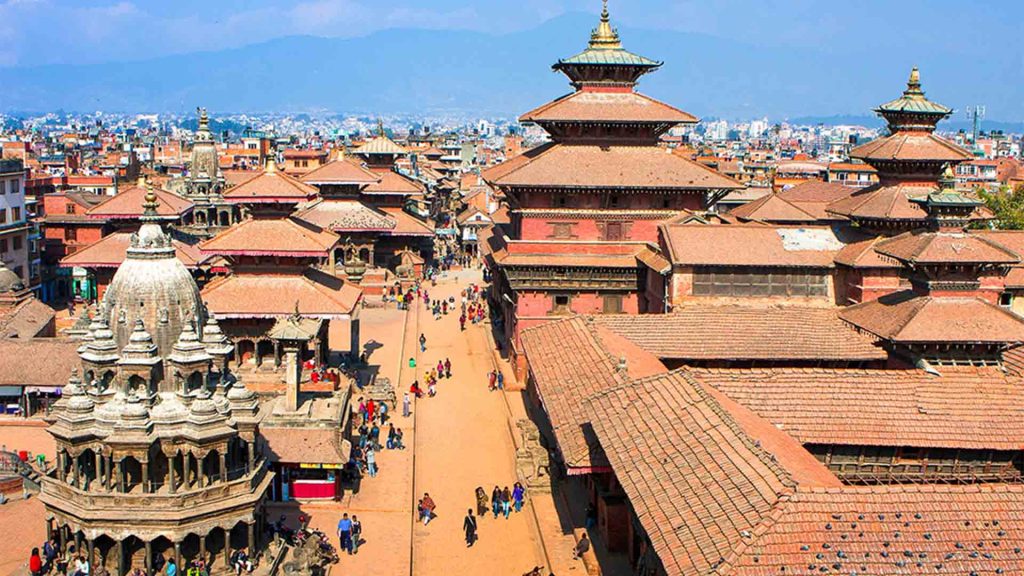
Kathmandu Durbar Square is where Nepal’s political and royal history unfolded for centuries.
Located in the heart of old Kathmandu, this square once served as the royal palace complex for the Malla kings and later the Shah dynasty. The word “Durbar” means palace, and this was the ceremonial and administrative centre of the kingdom.
Historical Significance
The Malla period, between the 12th and 18th centuries, was a golden era of art and architecture in the valley. The kings competed not only politically but artistically, building temples and palaces that demonstrated devotion and power.
Many of the square’s structures date back to this period, though some were rebuilt after earthquakes.
Architectural Highlights
- Hanuman Dhoka Palace, the old royal residence
- Taleju Temple, built in 1564 and dedicated to the royal goddess
- Kumari Ghar, home to the Living Goddess Kumari
- Stone statues of gods and mythical guardians
The intricate wood carvings are remarkable. Look closely at the struts beneath the pagoda roofs. They are filled with detailed depictions of deities and celestial figures.
Living Culture
The Kumari, a pre-pubescent girl worshipped as a living goddess, still appears at certain festivals from a carved wooden window.
Indra Jatra, one of Kathmandu’s biggest festivals, takes place here every year.
Earthquake and Restoration
The 2015 earthquake damaged several structures, including Kasthamandap, the wooden pavilion that may have given Kathmandu its name. Restoration has been ongoing with traditional techniques and UNESCO oversight.
Standing here today, you feel both history and resilience.
Recommend Read: Kathmandu Durbar Square: Where Kings, Gods, and a Nation Found Their Centre
2. Patan Durbar Square
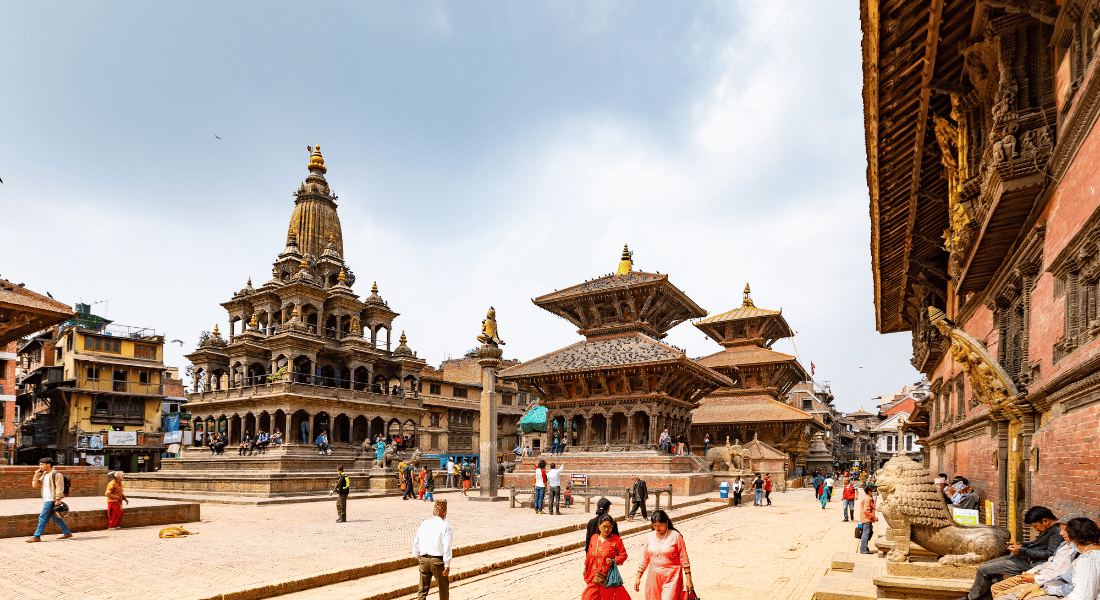
If Kathmandu feels royal, Patan feels artistic.
Located in Lalitpur, Patan has long been known as the “City of Fine Arts.” It remains one of the most culturally intact historic cities in South Asia.
Historical Background
Patan flourished during the Malla era and was a rival kingdom to Kathmandu and Bhaktapur. Its rulers were great patrons of metalwork, sculpture, and architecture.
Architectural Distinction
- Krishna Mandir, built entirely of stone in 1637
- Hiranya Varna Mahavihar (Golden Temple)
- Patan Museum, housed within the old palace complex
Krishna Mandir is particularly unique because it is built in the North Indian Shikhara style rather than the traditional Nepali pagoda style.
The Golden Temple is a functioning Buddhist monastery with intricate metalwork and prayer halls.
Cultural Continuity
Newar artisans still live and work in Patan. Many families pass down metal casting, wood carving, and thangka painting traditions through generations.
The square is not frozen in time. It is alive.
Restoration and Conservation
The Patan Museum is often praised as one of the finest heritage museums in Asia. Restoration efforts here have been careful and internationally supported.
Recommended Read: Patan Durbar Square: Where Dynasties Rose, Fell, and Still Whisper Through Brick and Stone
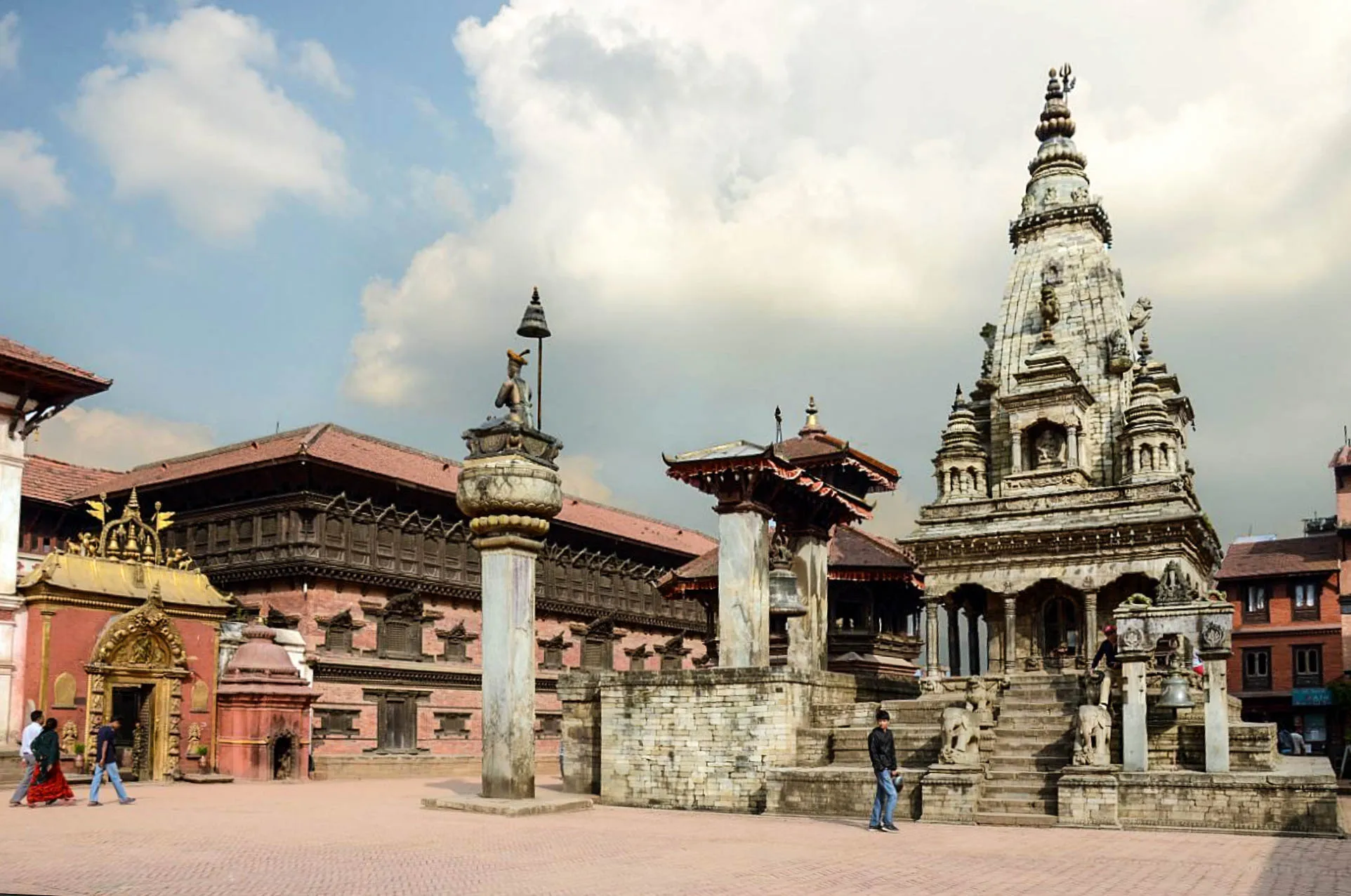
3. Bhaktapur Durbar Square
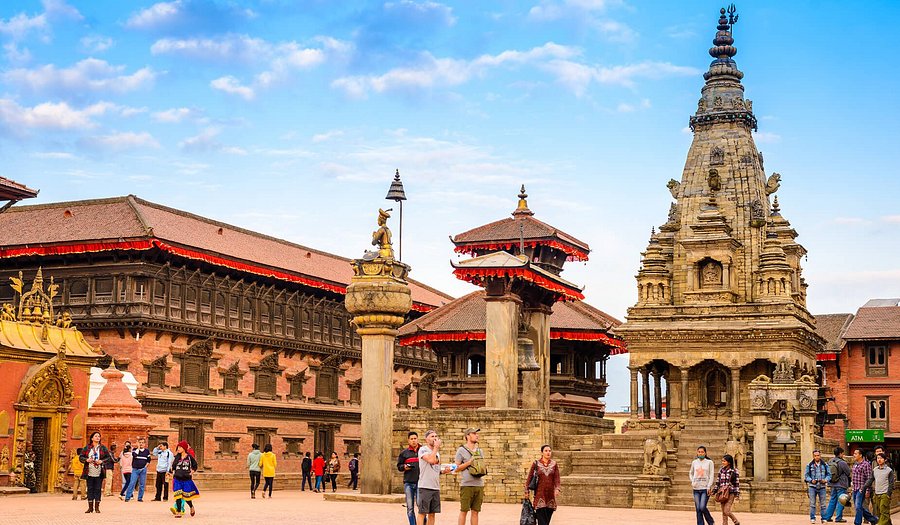
Bhaktapur feels different from the moment you enter. Slower. Quieter. More preserved.
This city was once the largest and most powerful of the three Malla kingdoms.
Architectural Masterpieces
- Nyatapola Temple, the tallest pagoda temple in Nepal
- 55-Window Palace
- Golden Gate
- Dattatreya Temple
Nyatapola, built in 1702, is an engineering marvel. It survived multiple earthquakes due to its precise proportions and symmetrical design.
The Golden Gate is considered one of the finest examples of repousse metalwork in the valley.
Urban Heritage
Bhaktapur is known for its traditional brick-paved streets, pottery squares, and preserved medieval layout.
The city still hosts dramatic festivals such as Bisket Jatra, where enormous wooden chariots are pulled through the streets in symbolic ritual battles.
Conservation Challenges
Bhaktapur suffered heavy damage in 2015. International collaboration has helped rebuild key structures using original materials and traditional methods.
Walking here feels like stepping into a living medieval city.
Recommend Read: Bhaktapur Durbar Square: Walking Through the Last Great Malla Kingdom
4. Swayambhunath Stupa
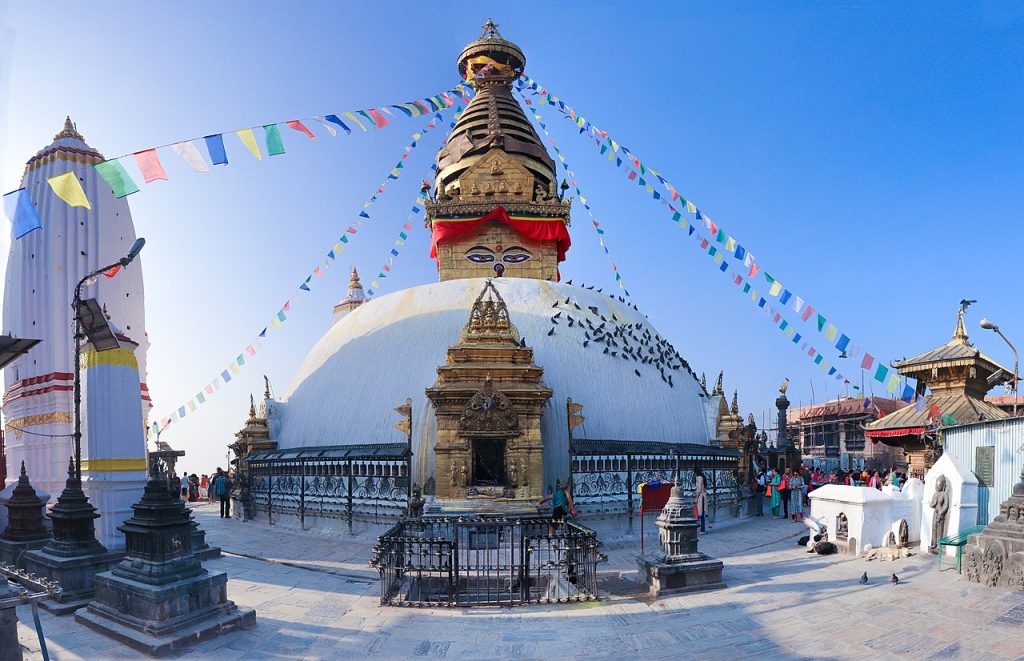
Perched on a hill west of Kathmandu, Swayambhunath is one of the oldest and most sacred religious sites in Nepal.
Myth and Origin
According to legend, the Kathmandu Valley was once a vast lake. A lotus flower bloomed in the centre, emitting a divine light. That light became Swayambhu, meaning “self-existent.”
Architectural Features
- White hemispherical dome
- Golden spire with painted Buddha eyes
- 365 stone steps leading to the top
- Prayer wheels lining the base
The Buddha’s eyes symbolise wisdom and awareness. The spiral symbol between them represents unity.
Religious Importance
Swayambhunath is sacred to both Buddhists and Hindus. Small shrines to various deities surround the stupa.
Monkeys inhabit the hill, giving it the nickname “Monkey Temple.”
Conservation
The site was damaged in 2015 but has been restored. It remains one of the most visited spiritual landmarks in Nepal.
Sunset from Swayambhunath offers one of the most panoramic views of Kathmandu Valley.
Recommended Read: Swayambhunath Stupa: Walking Through Time at Nepal’s Ancient Monkey Temple
5. Boudhanath Stupa
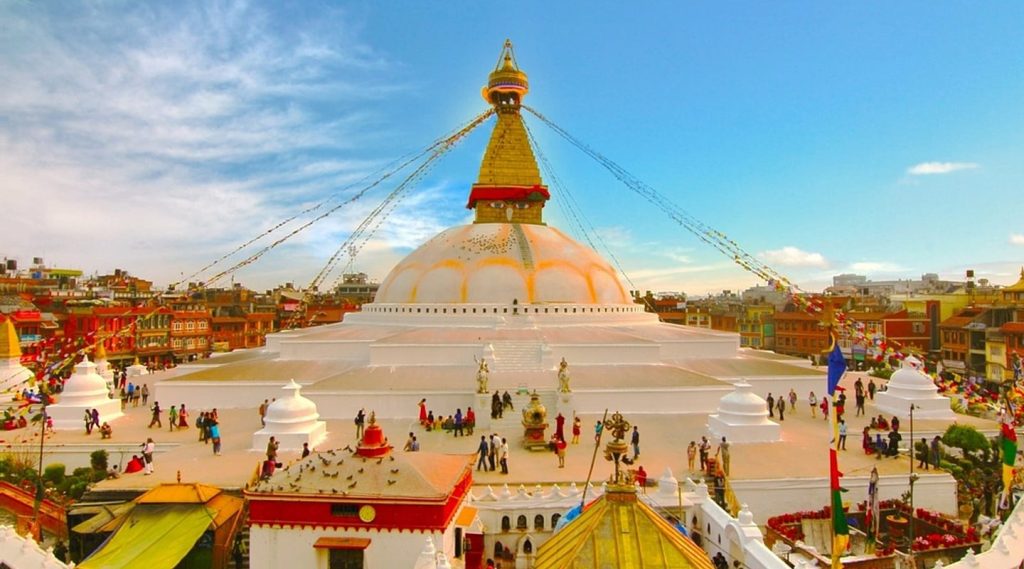
Boudhanath is one of the largest spherical stupas in the world and the spiritual centre of Tibetan Buddhism in Nepal.
Historical Context
Believed to date back to the 5th century, Boudhanath became especially significant after 1959 when Tibetan refugees settled around it.
Architectural Grandeur
- Massive white dome
- 13-tiered spire representing stages to enlightenment
- All-seeing Buddha eyes
- Circular mandala layout
The stupa’s design is deeply symbolic of the Buddhist cosmos.
Living Spiritual Hub
Monasteries surround the stupa. Pilgrims perform kora, walking clockwise while spinning prayer wheels and chanting mantras.
The energy here is deeply meditative.
Earthquake Recovery
The 2015 earthquake caused structural cracks, but the stupa was rebuilt through community donations and reopened within a year.
Recommended Read: Boudhanath Stupa: Walking the Living Mandala of Kathmandu
6. Pashupatinath Temple
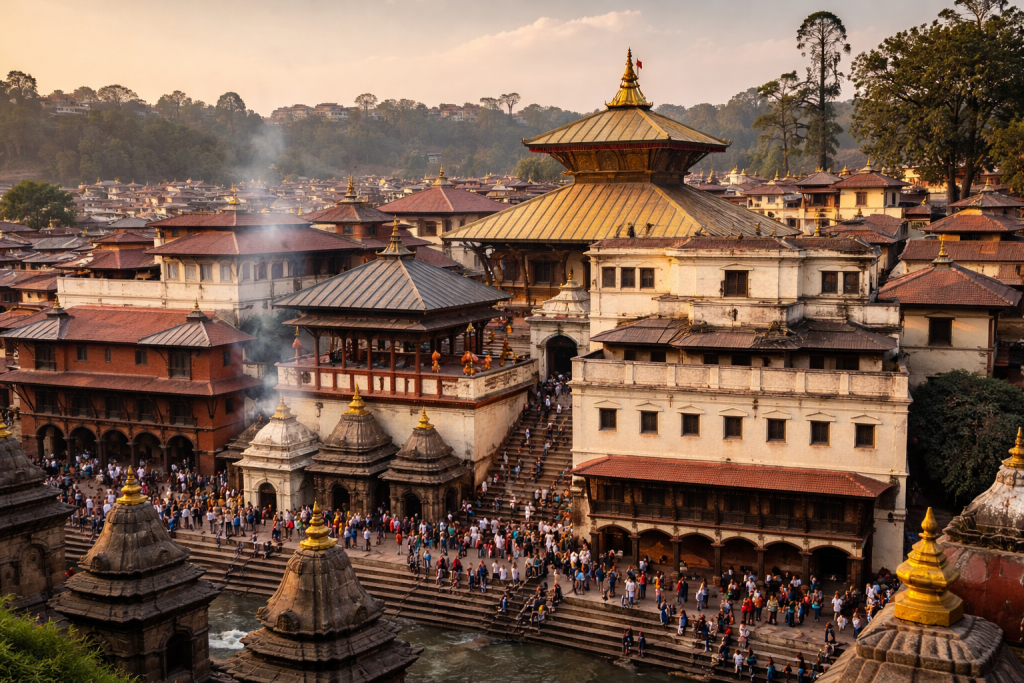
Located along the Bagmati River, Pashupatinath is Nepal’s holiest Hindu temple.
Religious Significance
Dedicated to Lord Shiva as Pashupati, meaning “Lord of Animals,” this temple attracts pilgrims from across South Asia.
Architectural Features
- Two-tiered golden roof
- Silver doors
- Sacred lingam inside
Only Hindus may enter the main temple, but the surrounding complex is open to visitors.
Cremation Ghats
Along the riverbank, open-air cremations take place daily. It is an intimate reminder of life’s impermanence.
Conservation and River Clean-Up
Efforts have been made to clean the Bagmati River and manage pilgrim flow sustainably.
Pashupatinath is not just a monument. It is a living spiritual centre.
Recommended Read: UNESCO World Heritage Sites in Nepal: Complete Guide to All 10 Cultural & Natural Treasures
7. Changu Narayan Temple
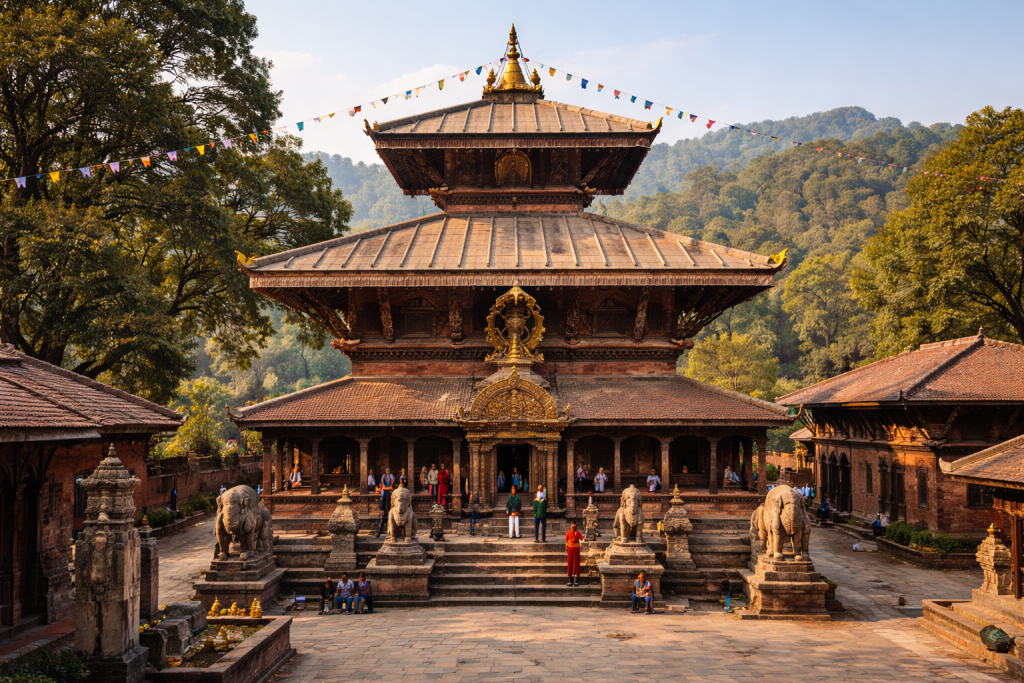
Changu Narayan is considered the oldest continuously worshipped Hindu temple in Nepal.
Historical Depth
Dating back to the 4th century, the temple includes inscriptions from the Licchavi period, offering some of Nepal’s earliest recorded history.
Artistic Highlights
- Stone carvings of Vishnu in various incarnations
- Garuda statue
- Traditional pagoda structure
The sculptures here are historically significant for understanding early Hindu iconography in the region.
Quiet Setting
Unlike busier valley sites, Changu Narayan feels peaceful and less commercial.
8. Lumbini – Birthplace of Buddha
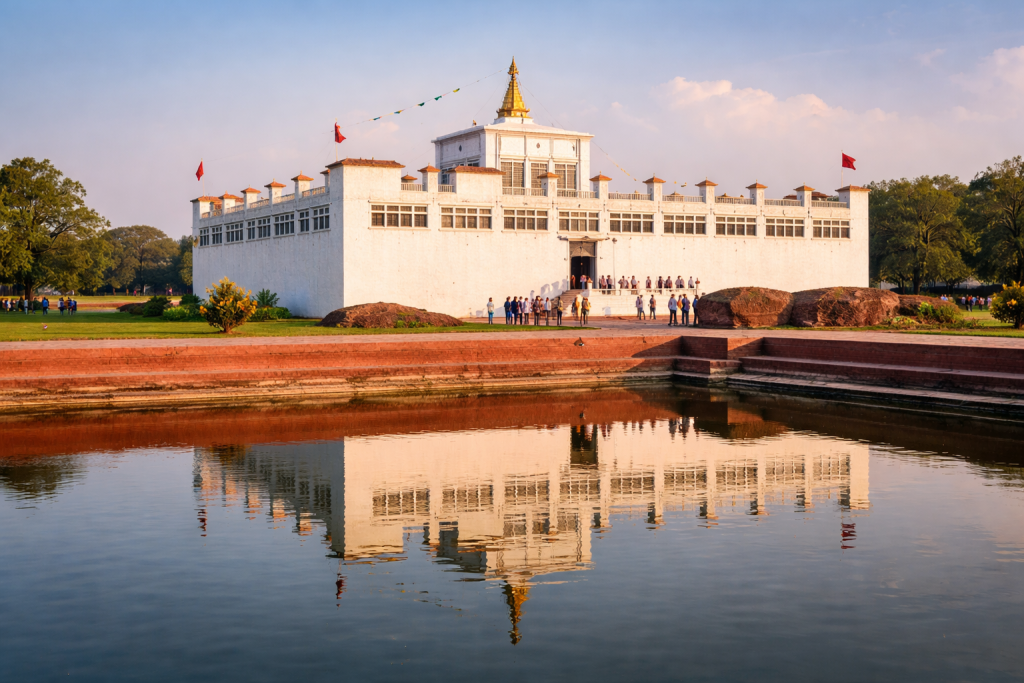
Lumbini is the birthplace of Siddhartha Gautama, the Buddha.
Historical Evidence
The Ashoka Pillar, erected in 249 BCE, confirms the site’s authenticity.
Key Features
- Maya Devi Temple marking the exact birthplace
- Sacred Garden
- Monastic Zone built by Buddhist communities worldwide
Lumbini is not grand in height but powerful in meaning.
Pilgrims from across the world come to walk the sacred grounds in silence.
9. Chitwan National Park
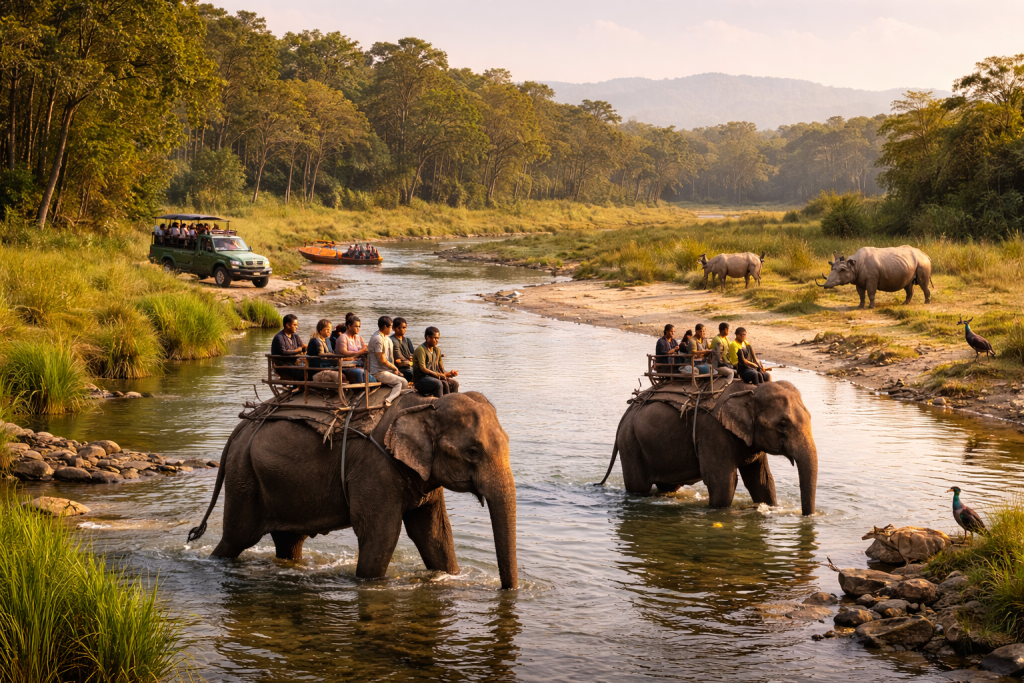
Located in southern Nepal, Chitwan protects subtropical forests, wetlands, and grasslands.
Wildlife
- One-horned rhinoceros
- Bengal tiger
- Sloth bear
- Gharial crocodile
- Over 500 bird species
Conservation Success
Once a royal hunting ground, Chitwan became a protected park in 1973. Anti-poaching measures and community buffer zones have helped wildlife populations recover.
Canoe rides and jungle safaris offer unforgettable encounters.
Recommended Read: Chitwan National Park: A Complete Guide to Nepal’s Majestic Jungle, Wildlife, and Slow Travel Heartland
10. Sagarmatha National Park
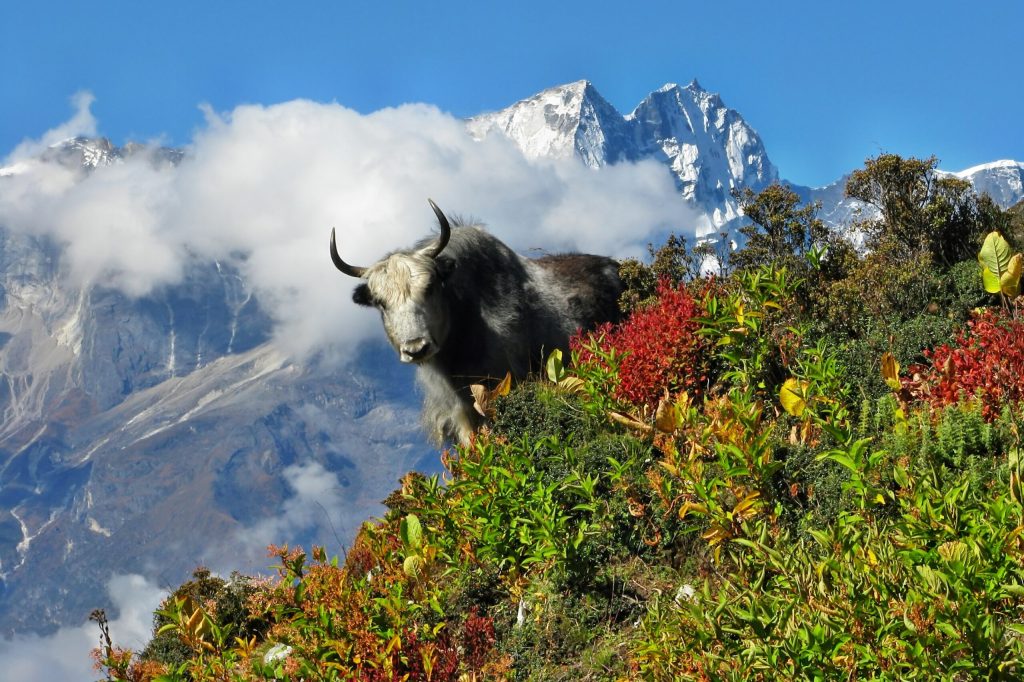
Home to Mount Everest, Sagarmatha National Park protects high Himalayan ecosystems.
Natural Significance
Includes peaks such as Everest, Lhotse, and Ama Dablam.
Cultural Landscape
Sherpa villages, monasteries like Tengboche, and centuries-old mountain traditions form part of the heritage.
Environmental Concerns
Glacial retreat and climate change pose serious threats to this fragile ecosystem.
Yet Sagarmatha remains one of the most awe-inspiring landscapes on Earth.
Recommended Read: Sagarmatha (Everest) National Park: Culture, Glaciers, and Life at Altitude
Final Reflection
Nepal’s UNESCO World Heritage Sites are not isolated landmarks.
They are a living heritage.
Temples still echo with prayer. Royal squares still host festivals. Jungles still pulse with life. Monasteries still chant at dawn.
To explore these ten sites is to understand Nepal’s layered identity. Ancient and evolving. Sacred and wild. Human and Himalayan.
And perhaps that is what makes Nepal so unforgettable.
Stay Informed With the Latest & Most Important News
Previous Post
Next Post

- Poon Hill Trek: The Complete Guide
- Top 15 Biggest Cities in Nepal by Population: Walk With Me Through Urban Nepal
- Two Weeks in Nepal: How to Plan the Ultimate Trip Across the Roof of the World
- Pokhara Calling: Why Nepal’s Lakeside City Will Steal Your Heart (and When to Go)
- Beyond Dal Bhat: A Traveller’s Guide to the Foods of Nepal