Now Reading: Two Weeks in Nepal: How to Plan the Ultimate Trip Across the Roof of the World
-
01
Two Weeks in Nepal: How to Plan the Ultimate Trip Across the Roof of the World
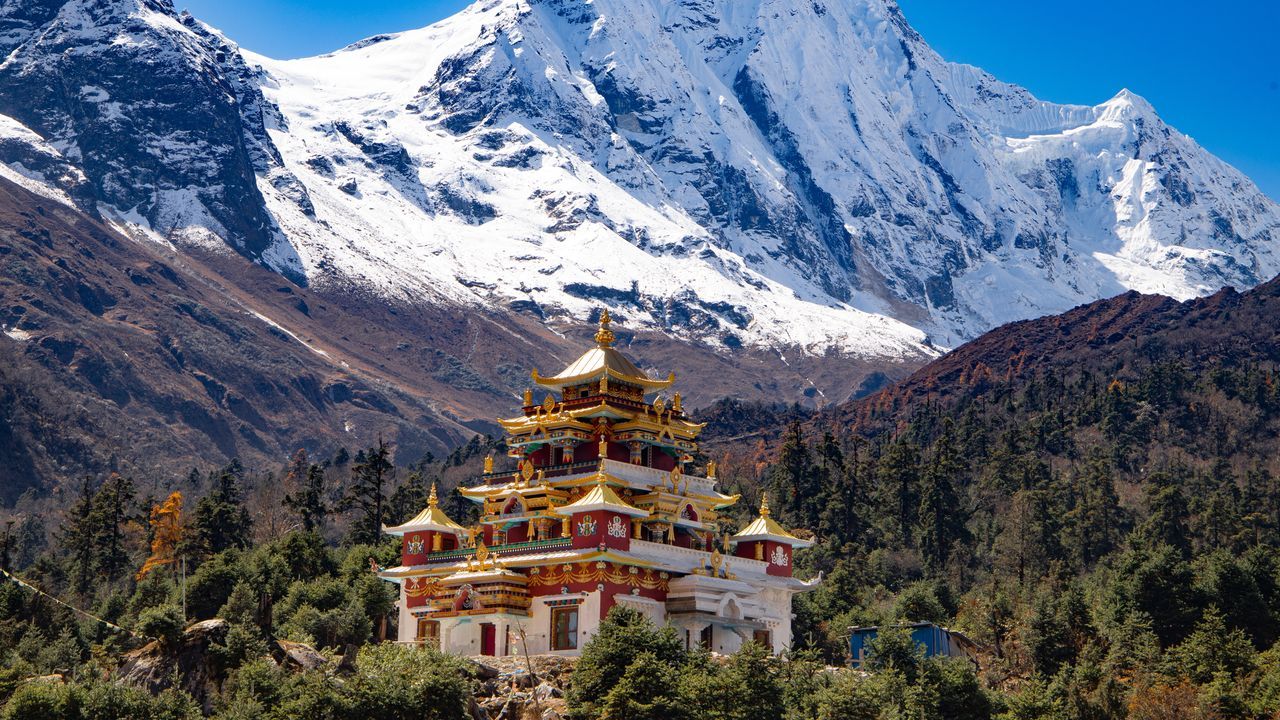
Two Weeks in Nepal: How to Plan the Ultimate Trip Across the Roof of the World

Plan the ultimate two-week Nepal trip: Kathmandu temples, Annapurna trekking, Chitwan safaris, and more. Your complete guide to 14 unforgettable days.
So you have got two weeks. Two whole, glorious weeks to lose yourself in one of the most extraordinary countries on the planet. Good news: that is exactly the right amount of time to experience Nepal properly, to go beyond the postcard views and really sink into the rhythms of this place. The temple bells at dawn. The steam rising off a bowl of thukpa on a cold mountain morning. The way the Himalayas catch the first light and turn every shade of pink and gold you never knew existed.
This is not a rushed checklist kind of trip. Two weeks gives you the breathing room to trek, explore ancient cities, float across lakes, spot rhinos in the jungle, and still have time to sit in a teahouse and talk with locals over sweet milk tea. Let me walk you through how to plan those fourteen days so you squeeze every last drop of magic out of Nepal.
Before You Go: The Essentials
First things first. You will need a visa, and the easiest way to get one is on arrival at Tribhuvan International Airport in Kathmandu. Bring a passport photo and cash in US dollars. A 15-day visa costs $30, and a 30-day visa runs $50. Go with the 30-day option for peace of mind. You do not want to be counting days when you are staring at Machapuchare from a ridge trail.
The best time to visit depends on what you are after. October and November are the golden months: clear skies, comfortable temperatures, and the best mountain visibility you will find all year. March through May is another strong window, with rhododendron forests in full bloom along the trekking routes. The monsoon season (June through September) brings lush green landscapes but also heavy rain and occasional trail closures, so plan accordingly.
Budget wise, Nepal is wonderfully affordable. You can eat well, sleep comfortably, and travel between cities for far less than most destinations in Asia. A comfortable mid-range budget sits around $40 to $60 per day, covering accommodation, meals, local transport, and entry fees. Trekking permits and guide fees are separate, so factor those in depending on your route.
[IMAGE: Tribhuvan International Airport arrivals hall with visa-on-arrival signage and travellers queuing]
Days 1 to 3: Kathmandu Valley, Where It All Begins
Day 1: Arrive and Settle Into the Chaos
Nothing quite prepares you for Kathmandu. The moment you step out of the airport, the city wraps around you like a warm, noisy, incense-scented blanket. Taxis honk. Motorbikes weave through impossible gaps. Prayer flags flutter above rooftops. It is overwhelming and wonderful all at once.
Head to the Thamel district, the beating heart of traveller life in the city. Drop your bags, grab a cold beer on a rooftop terrace, and just watch the world below. This is your decompression day. Wander the narrow lanes, browse the trekking shops, and let your body adjust to the time zone. For dinner, find a spot serving momos, those plump, steamed dumplings stuffed with spiced buffalo meat or vegetables. Dip them in the fiery tomato chutney and you will understand why every traveller in Nepal becomes obsessed with these things.
Day 2: Temples, Stupas, and Sacred Spaces
Start early at Swayambhunath, the Monkey Temple. Climb the 365 stone steps as monkeys scamper around you, and when you reach the top, the entire Kathmandu Valley spreads out below. The golden spire of the stupa catches the morning sun, and the eyes of the Buddha gaze out in every direction. It is one of those moments that makes you go very quiet inside.
From there, head to Boudhanath, one of the largest stupas in the world. Walk the kora (the circular path around the stupa) with Tibetan pilgrims spinning prayer wheels as they go. The air hums with chanting. Stop at one of the rooftop cafes ringing the stupa for butter tea and just soak it all in.
In the afternoon, explore Pashupatinath, the sacred Hindu temple complex on the banks of the Bagmati River. Cremation ceremonies take place on the ghats here, and while it might sound confronting, there is a profound sense of peace in witnessing the cycle of life honoured so openly. Be respectful, keep a gentle distance, and let the experience settle into you.
[IMAGE: Boudhanath Stupa at golden hour with prayer flags radiating from the spire and pilgrims walking the kora]
Day 3: Patan and Bhaktapur
The Kathmandu Valley holds more than just Kathmandu itself. Spend your third day visiting the ancient Newari cities of Patan and Bhaktapur. Patan Durbar Square is a masterclass in medieval architecture, with intricately carved wooden temples and a museum that houses some of Nepal’s finest bronze work.
Bhaktapur feels like stepping back in time. The red-brick lanes, the potters spinning clay in open courtyards, the five-storey Nyatapola Temple rising above the square… this city moves at a slower pace. Treat yourself to juju dhau, the famous “king of yoghurt” that Bhaktapur is known for. It is thick, creamy, slightly sweet, and served in a little clay pot. One of those simple pleasures that stays with you.
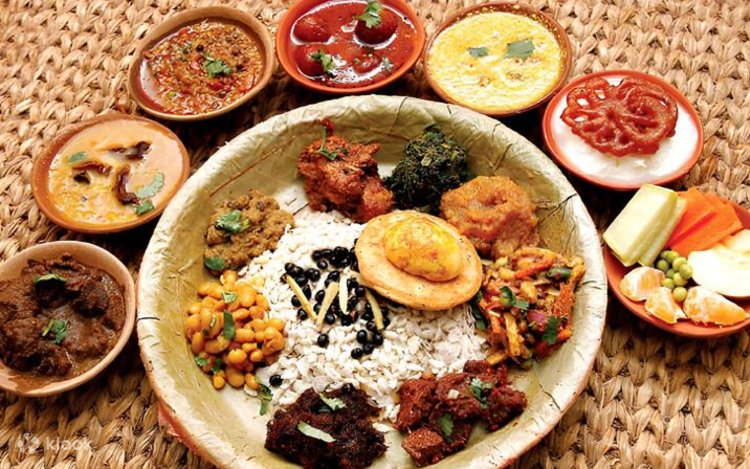
While you are in the valley, make sure you try a proper Newari feast if you can find one. It is a multi-course affair served on leaf plates, with beaten rice, marinated meats, pickled vegetables, and spiced lentil soup. It is one of the richest culinary traditions in Nepal, and experiencing it feels like being welcomed into someone’s home.
Days 4 to 8: Trekking in the Annapurna Region
Getting to Pokhara
On the morning of day four, catch a tourist bus or a short domestic flight from Kathmandu to Pokhara. The bus ride takes about seven hours along winding mountain roads and is an adventure in itself, with terraced hillsides and river valleys unfolding outside the window. If that sounds like too much, the 25-minute flight gives you jaw-dropping aerial views of the Himalayan range.
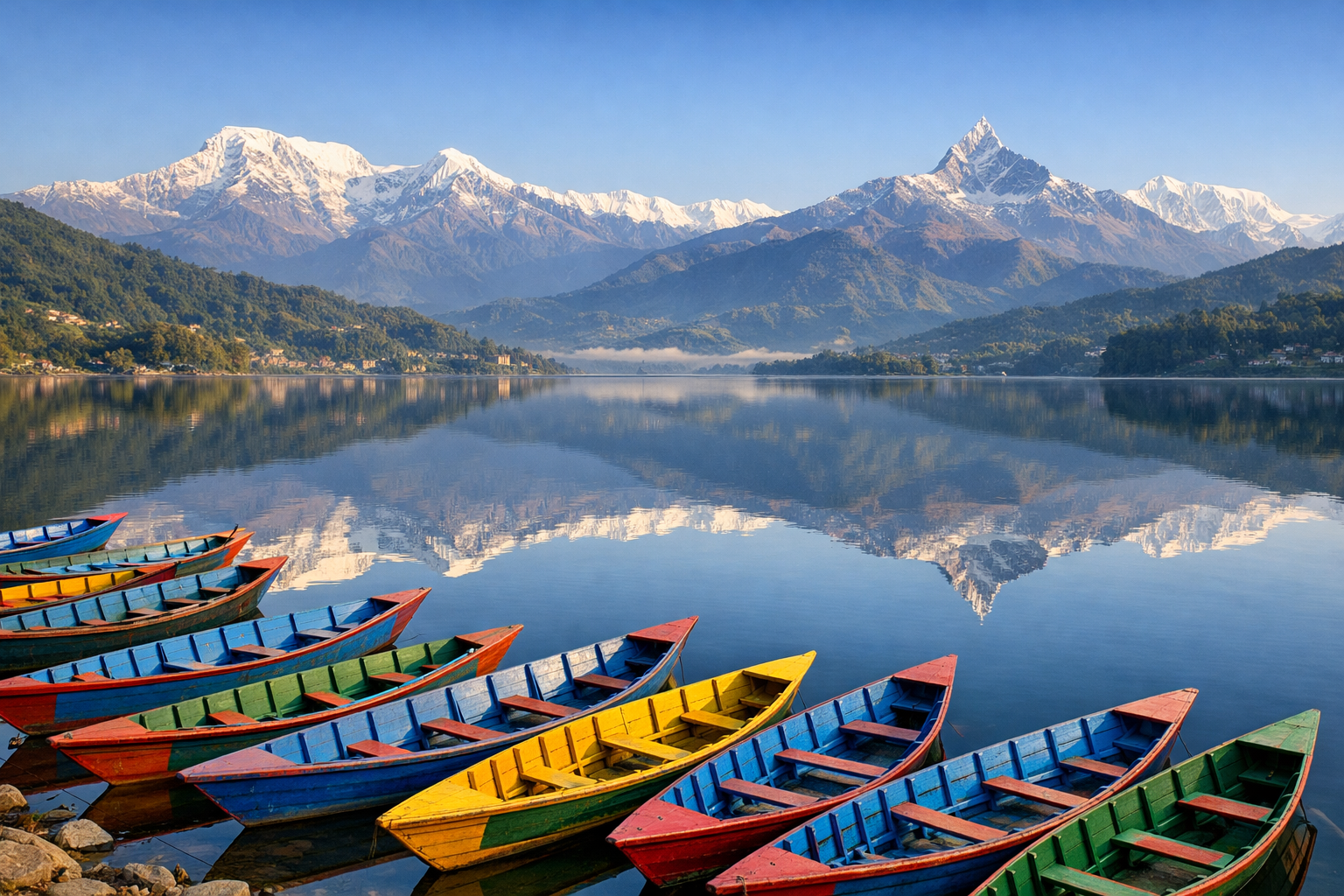
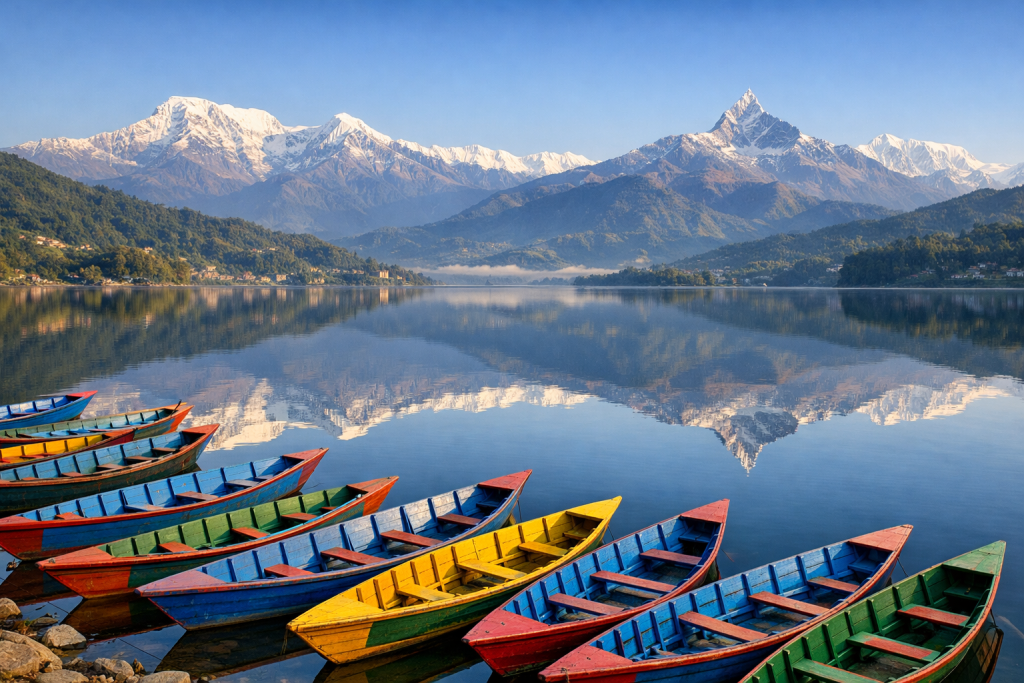
Pokhara is Nepal’s second city, and it could not be more different from Kathmandu. Built along the shores of Phewa Lake with the Annapurna massif as a backdrop, it is relaxed, green, and impossibly pretty. Spend the afternoon strolling the lakeside, renting a colourful rowing boat, or simply sitting with your feet in the grass watching paragliders drift overhead like slow, lazy birds.
[IMAGE: Phewa Lake in Pokhara with colourful rowing boats in the foreground and the Annapurna range reflected in the still water]
Days 5 to 8: Poon Hill Trek
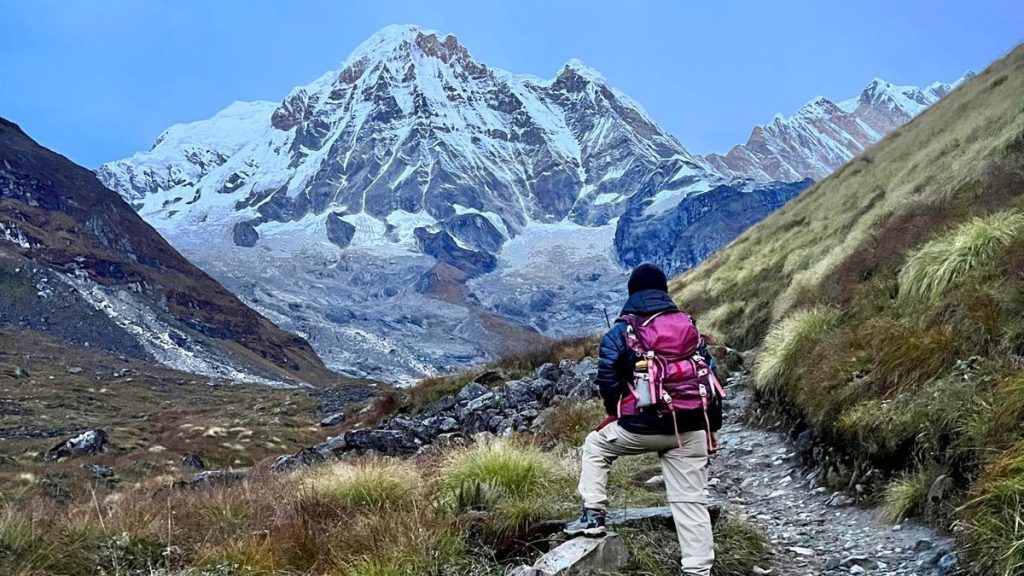
Now for the main event. The Poon Hill trek is the perfect choice for a two-week itinerary. It is a four-day, three-night trek that delivers stunning Himalayan panoramas without requiring weeks of walking or extreme altitude acclimatisation. You will pass through rhododendron forests (spectacular in spring), terraced farmland, and traditional Gurung villages where stone houses have slate roofs and marigolds grow in every window box.
The trail takes you from Nayapul up through Tikhedhunga, Ghorepani, and finally to the Poon Hill viewpoint at 3,210 metres. Set your alarm for the pre-dawn climb to the summit. When the sun rises over the Annapurna and Dhaulagiri ranges, lighting up peak after peak in a line that stretches across the horizon, you will forget about the cold, the early start, and the burning in your calves. This is the Nepal moment. The one that rewires something in your brain and makes you wonder why you waited so long to come here.
You will stay in teahouses along the route, simple but comfortable lodges run by local families. The food is hearty: dal bhat (lentils, rice, and vegetables) is the trekker’s fuel of choice, and most teahouses serve it with unlimited refills. You will also find garlic soup, which is not only delicious but genuinely helps with altitude adjustment. A licensed trekking guide is required in the Annapurna region, and honestly, having a local guide makes the experience so much richer. They know the trails, the teahouse owners, and the stories behind every village and peak.
A quick note on altitude: Poon Hill is moderate, but you should still take it seriously. Stay hydrated, walk at a steady pace, and listen to your body. If you develop a headache that will not quit or feel dizzy, talk to your guide immediately. Altitude sickness is manageable when caught early, but ignoring the signs can turn dangerous fast.
Days 9 to 11: Chitwan National Park, Into the Jungle
Getting to Chitwan
After descending from the mountains, head back to Pokhara for a night of rest (you have earned it), then catch a tourist bus south to Chitwan. The journey takes about five hours and drops you into a completely different Nepal. Gone are the snow-capped peaks. Here, the landscape is flat, subtropical, and alive with the sounds of the jungle.
Days 10 and 11: Safari, Canoe Rides, and Tharu Culture
Chitwan National Park is a UNESCO World Heritage Site and one of the best places in Asia to see wildlife. Over two full days, you will go on jeep safaris through tall grassland and sal forest, scanning for one-horned rhinoceros, wild elephants, deer, and if you are extraordinarily lucky, a Bengal tiger. Even without a tiger sighting, the park is teeming with life. Over 500 species of birds call this place home, and the guided nature walks bring you face to face with the smaller, quieter wonders of the jungle.
A dugout canoe ride along the Rapti River is a Chitwan highlight. You glide silently past mugger crocodiles basking on the banks and gharials with their long, slender snouts poking out of the shallows. It is peaceful and thrilling in equal measure.
In the evenings, seek out a Tharu cultural programme. The Tharu people are the indigenous community of the Terai lowlands, and their stick dance, performed around a fire to rhythmic drumming, is mesmerising. Pair it with a dinner of freshly caught river fish and local greens, and you have a night you will not soon forget.
[IMAGE: One-horned rhinoceros grazing in tall grassland in Chitwan National Park with sal forest in the background]
Days 12 to 14: Return to Kathmandu and Final Explorations
Day 12: Travel Back to Kathmandu
Make your way back to Kathmandu by tourist bus or domestic flight. Use the travel time to flip through your photos and let the past eleven days sink in. When you arrive, check into a comfortable hotel in Thamel or the quieter Lazimpat neighbourhood and treat yourself to a proper hot shower and a good meal. You have covered a lot of ground.
Day 13: Nagarkot Sunrise and Last-Day Wandering
If you have the energy (and you should muster it), arrange an early morning drive to Nagarkot, about 30 kilometres east of Kathmandu. This hilltop village is famous for its sunrise views, and on a clear day, you can see a sweeping panorama from Everest in the east to Annapurna in the west. Watch the light change as the sun crests the horizon and the mountains emerge from the darkness one by one. It is a fitting final chapter to your Nepal adventure.
Back in Kathmandu, spend your last afternoon doing all the things you missed or want to revisit. Pick up souvenirs in Thamel: Tibetan singing bowls, handmade paper journals, pashmina scarves, or a bag of Nepali tea. Visit the Garden of Dreams, a quiet, beautifully restored neoclassical garden that feels miles away from the chaos outside its walls. Have one last plate of momos. Maybe two.
Day 14: Departure
Flights out of Kathmandu often leave in the morning, so pack the night before and soak in those final moments. If you are flying out on the right side of the aircraft heading west, you might catch one last glimpse of the Himalayan range from the window. Press your forehead to the glass. Take a deep breath. You have just lived two of the fullest weeks of your life.
[IMAGE: Panoramic sunrise view from Nagarkot with layered Himalayan peaks and mist filling the valleys below]
Practical Tips to Make It All Run Smoothly
A few things that will save you headaches on the road. Get a Nepali SIM card at the airport on arrival. Ncell and NTC both offer affordable data plans, and having mobile internet makes navigating, booking buses, and staying in touch infinitely easier. Carry cash in Nepali rupees for smaller towns, teahouses, and rural areas where card payments are not an option. ATMs are plentiful in Kathmandu and Pokhara, less so elsewhere.
For packing, think layers. Kathmandu can be warm during the day and cool at night. The trekking sections will take you through a wide range of temperatures, from mild riverside trails to chilly mountain mornings. A good down jacket, moisture-wicking base layers, sturdy trekking boots (broken in before you arrive, please), and a reliable rain shell will cover most situations. Do not forget sunscreen, a refillable water bottle with purification tablets, and a headlamp for those early morning summit walks.
Respect the culture. Remove your shoes before entering temples. Ask before photographing people, especially during religious ceremonies. Walk clockwise around Buddhist stupas and prayer wheels. These small gestures matter, and Nepali people will notice and appreciate them.
Your Nepal Story Starts Now
Here is the truth about Nepal: it changes you. Not in some vague, bumper-sticker way, but in real, tangible shifts you feel in your chest. The kindness of strangers who invite you in for tea. The silence at 3,000 metres that is so complete you can hear your own heartbeat. The way the mountains make every worry you carried onto the plane seem wonderfully small.
Two weeks is enough to fall completely and hopelessly in love with this country. So start planning. Book that flight. Dig out your trekking boots. Nepal is not going anywhere, but the sooner you go, the sooner you will understand what all the fuss is about. And trust me… you will already be planning your return before you even leave.
Related Posts

Stay Informed With the Latest & Most Important News
Previous Post
Next Post
Previous Post
Next Post
- Two Weeks in Nepal: How to Plan the Ultimate Trip Across the Roof of the World
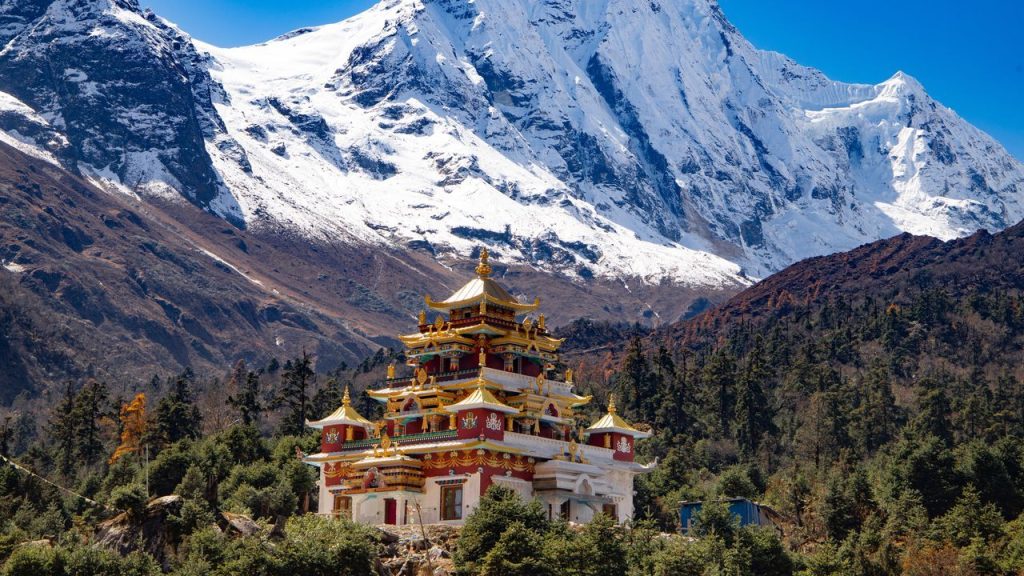
- Pokhara Calling: Why Nepal’s Lakeside City Will Steal Your Heart (and When to Go)
- Beyond Dal Bhat: A Traveller’s Guide to the Foods of Nepal
- No More Solo Trekking: Everything You Need to Know About Nepal’s 2026 Trekking Rules
- The Mountains Are Still Calling: How to Reach Nepal When the Middle East Skies Are Closed