Now Reading: Solo Female Travel in Nepal: What You Actually Need to Know
-
01
Solo Female Travel in Nepal: What You Actually Need to Know
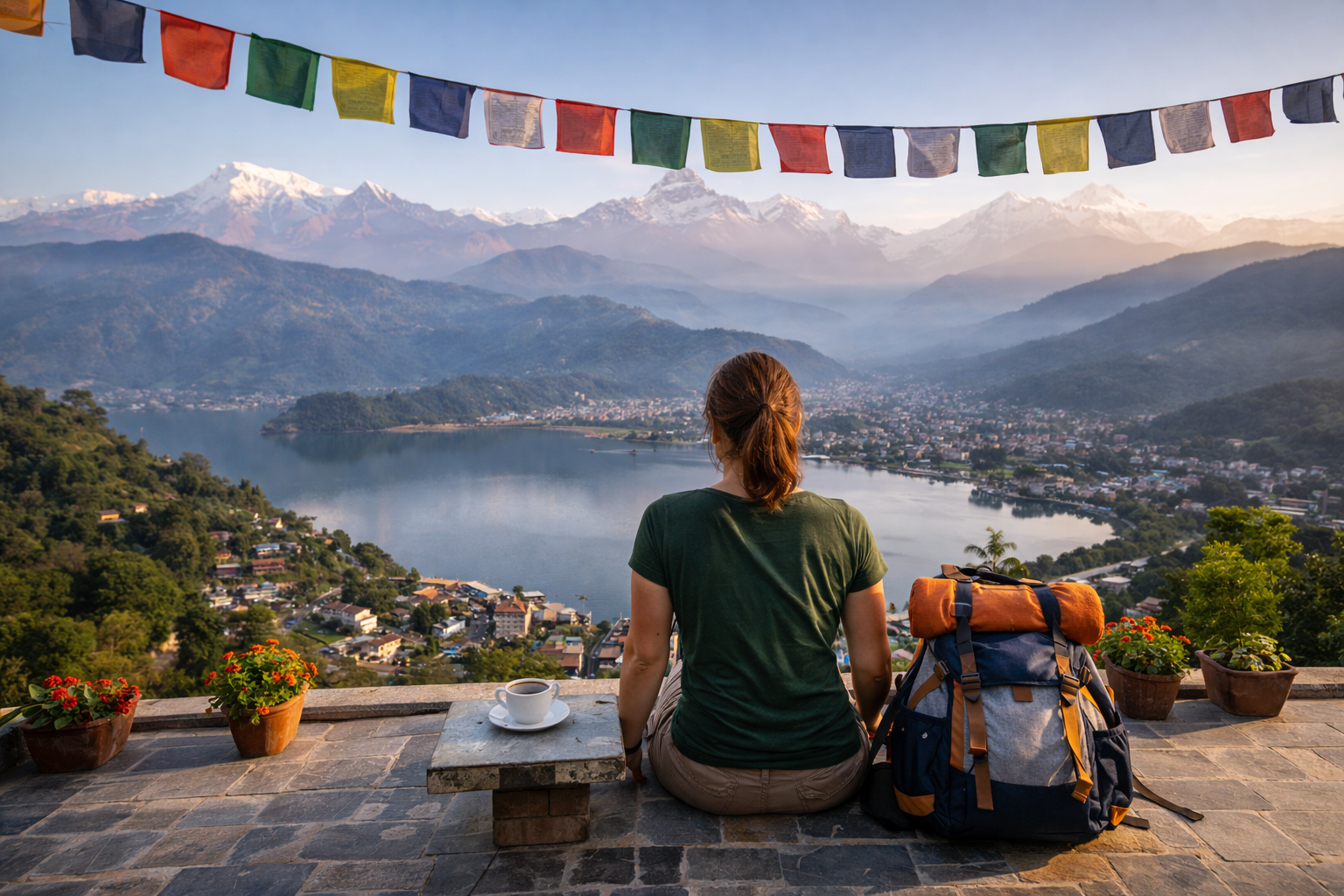

Everything you need to know about solo female travel in Nepal: safety tips, cultural etiquette, transport advice, where to stay, and honest budget guidance.
There is a moment, somewhere between the chaos of Kathmandu’s Thamel district and the silence of a mountain trail at sunrise, when you realise you made the right call coming to Nepal alone. The incense curls past your face, a shopkeeper waves you over for tea you never asked for, and you think… yes. This is exactly where I am supposed to be.
Solo female travel in Nepal is one of those topics drowning in extremes online. You will find horror stories that make you want to cancel your flight and glowing accounts that skip over real challenges entirely. The truth, as always, lives in the middle. Nepal is an incredible destination for women travelling alone, but it rewards those who come prepared, culturally aware, and willing to trust their instincts.
So let’s skip the fluff. Here is what you actually need to know.
Is Nepal Safe for Solo Female Travellers? An Honest Look
Let’s address the big question first. Nepal is generally considered one of the safer countries in South Asia for solo female travellers. Violent crime against tourists is rare, and the Nepali people are famously warm and hospitable. You will hear “Namaste” more times in a single day than you can count, and genuine kindness is woven into the culture here.
That said, “safe” does not mean “zero precautions needed.” Petty theft can happen in crowded tourist areas, particularly around Thamel in Kathmandu and lakeside Pokhara. Unwanted attention from men, while usually limited to staring or persistent conversation, does occur. It tends to be more common in urban areas and less so on trekking routes, where the traveller community creates a natural sense of security.
A few honest, practical safety points to keep in mind:
Trust your gut, always. If a situation feels off, whether it is a taxi driver taking a strange route or a guesthouse that gives you an uneasy feeling, leave. Your instincts are your best travel companion.
Avoid walking alone at night in poorly lit or deserted areas, particularly in Kathmandu. Thamel is lively until late, but the side streets empty out quickly after dark.
Keep your embassy’s contact details saved on your phone, along with your hotel address in Nepali script. This is useful for showing taxi drivers and invaluable in an emergency.
Share your itinerary with someone back home. Apps like WhatsApp and Google Maps work well across most of Nepal’s tourist belt, so staying connected is easier than you might expect.
What to Wear: Dressing Respectfully Without Sacrificing Comfort
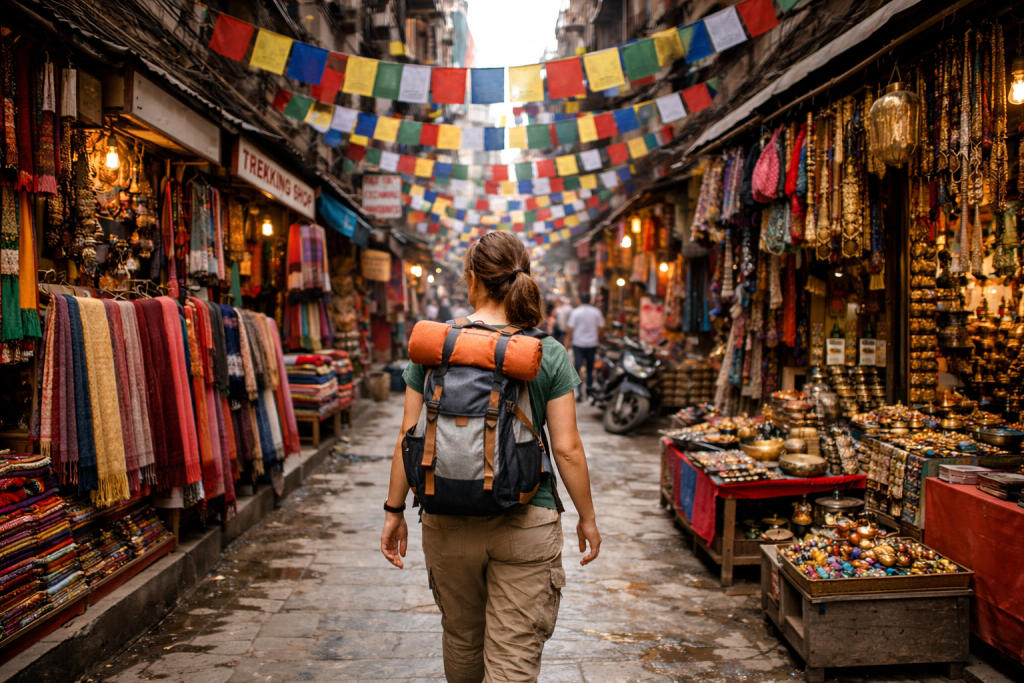
Nepal is not as conservative as some South Asian countries, but cultural sensitivity with clothing goes a long way, both in earning local respect and in reducing unwanted attention. Think of it less as a restriction and more as a gesture. You are a guest in someone’s home, and dressing thoughtfully shows you honour that.
In cities like Kathmandu and Pokhara, aim for clothing that covers your shoulders and knees. Loose-fitting trousers, long skirts, and lightweight linen shirts are your best friends. You will see younger Nepali women in jeans and fitted tops in urban areas, but as a foreigner, modest dress helps you blend in and signals cultural awareness.
On trekking trails, the vibe shifts considerably. Trekking pants, moisture-wicking tops, and layered fleece are standard, and nobody bats an eye. Practicality wins at altitude. Just keep a lightweight scarf or shawl in your daypack for temple visits along the route.
Temple etiquette is non-negotiable. Always cover your shoulders and knees when entering Hindu temples and Buddhist monasteries. Remove your shoes before stepping inside. Leather items, including belts and bags, should be left outside Hindu temples. If you are unsure, watch what locals do and follow their lead. A simple cotton scarf doubles as a shoulder cover, a sun shield, and a makeshift towel, making it perhaps the most versatile item in your pack.
One more note: swimwear is for private hotel pools only. If you are visiting hot springs (like those in Tatopani), wearing a t-shirt and shorts over your swimsuit is the respectful choice.
Getting Around: Transport Tips for Solo Women
Navigating Nepal’s transport network is an adventure in itself. The roads are, to put it gently, dramatic. But with the right approach, getting around solo is completely manageable and often half the fun.
Kathmandu and Pokhara
Within the main cities, your best options are ride-hailing apps like inDrive and Pathao. These are game changers for solo female travellers because the fare is agreed in advance, the driver’s details are logged, and you can share your ride status with a friend. Always confirm the driver matches the app before getting in.
If you take a regular taxi, negotiate the fare before you start, or insist on the meter. Sit in the back seat. For short hops, local buses are incredibly cheap but can be overcrowded. If you are comfortable with controlled chaos, they are a brilliant way to experience everyday Nepali life.
Long Distance Travel
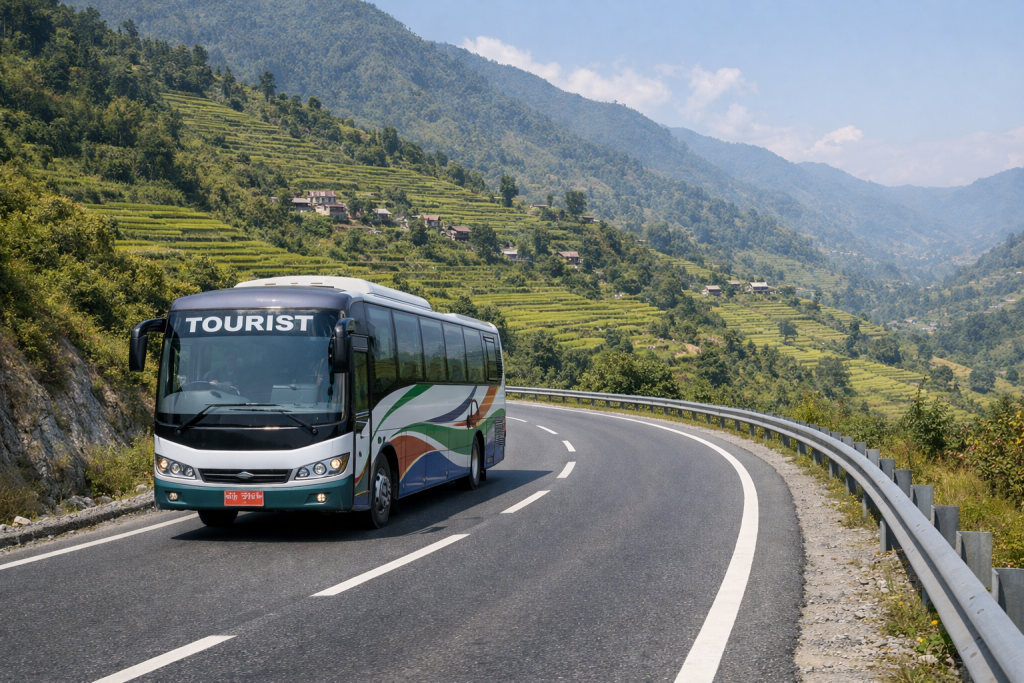
Tourist buses run between Kathmandu, Pokhara, Chitwan, and Lumbini. These are more comfortable and reliable than local buses, and they tend to attract other travellers, so you will have company. Book through your hotel or a reputable agency in Thamel rather than from random street touts.
Domestic flights connect Kathmandu to Pokhara, Lukla (for Everest Base Camp treks), and several other regional hubs. They are affordable, and the mountain views from the window are breathtaking. Book with established airlines like Buddha Air or Yeti Airlines and keep an eye on weather delays, which are common, especially during monsoon season.
Trekking Transport
Getting to trailheads often involves jeep rides on unpaved mountain roads. These shared jeeps can be rough and crowded, but they are part of the experience. Try to grab a front seat for less bouncing and better views. If budget allows, you can hire a private jeep through your trekking agency for more comfort and flexibility.
Where to Stay: Solo-Friendly Areas and Hostels
Choosing the right neighbourhood and accommodation can shape your entire Nepal experience. Here are the best bases for solo female travellers, each with its own personality.
Kathmandu: Thamel and Beyond
Thamel is the classic backpacker hub, packed with guesthouses, gear shops, bakeries, and rooftop restaurants. It is loud, colourful, and endlessly entertaining. For solo travellers, it is ideal because everything is walkable, the traveller community is huge, and you will never struggle to find company for dinner or a day trip.
Recommended stays: Elbrus Home is a well-reviewed hostel with a friendly atmosphere, female dorms, and a rooftop terrace that practically forces social interaction. Zostel Kathmandu is another solid pick, part of a trusted hostel chain with clean facilities, communal spaces, and regular social events. For a quieter alternative, look at guesthouses in Patan (Lalitpur), just across the river. Patan is culturally rich, less hectic, and home to some of Kathmandu Valley’s finest Newari architecture.
Pokhara: Lakeside Bliss
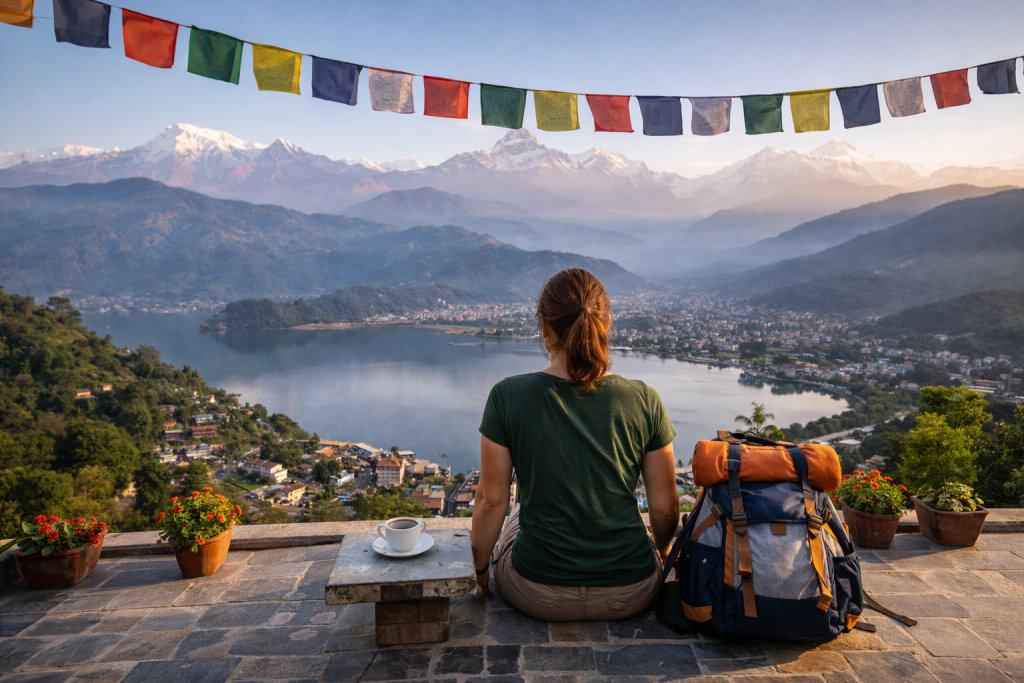
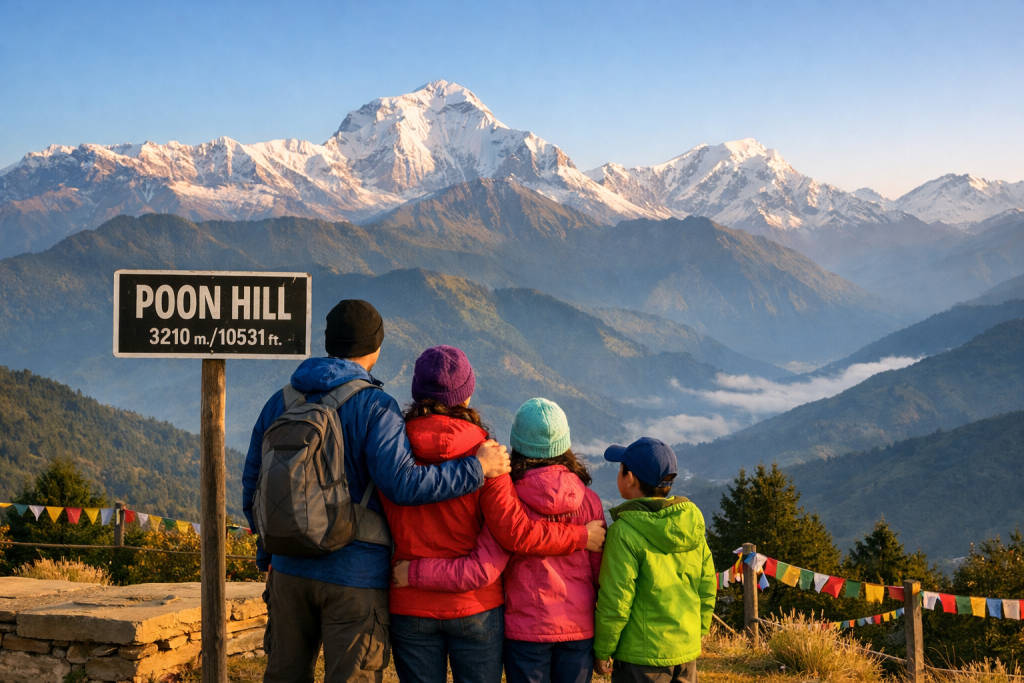
Pokhara’s lakeside district is arguably the most relaxed tourist area in Nepal. The pace is slower, the Annapurna range fills the horizon on clear mornings, and the café culture is wonderful. It is a natural gathering point for trekkers heading to or returning from the Annapurna Circuit, Poon Hill, and Mardi Himal.
Recommended stays: Pokhara Backpacker’s Hostel is an excellent choice, with a communal kitchen and a rooftop overlooking Phewa Lake. If you prefer a private room, the small family-run guesthouses along the northern end of the lakeside offer a more local, quieter experience at very reasonable rates.
Chitwan: Jungle Gateway
If wildlife is calling, Chitwan National Park is unmissable. The town of Sauraha sits right at the park’s edge and has a good range of lodges and homestays. Jungle safari packages typically include accommodation, meals, and guided activities, making it a low-hassle option for solo travellers. You will share jeep safaris and canoe rides with other guests, so it is naturally social.
Bandipur: The Hidden Gem
Perched on a ridge between Kathmandu and Pokhara, Bandipur is a beautifully preserved Newari town that feels like stepping back in time. It sees fewer tourists, which means a more authentic experience. The Old Inn is a heritage property with stunning views and a warm, welcoming atmosphere that solo travellers rave about.
Trekking Solo: Should You Hire a Guide?
This is one of the most common questions solo female travellers ask about Nepal, and the answer depends on your experience level, comfort zone, and chosen route.
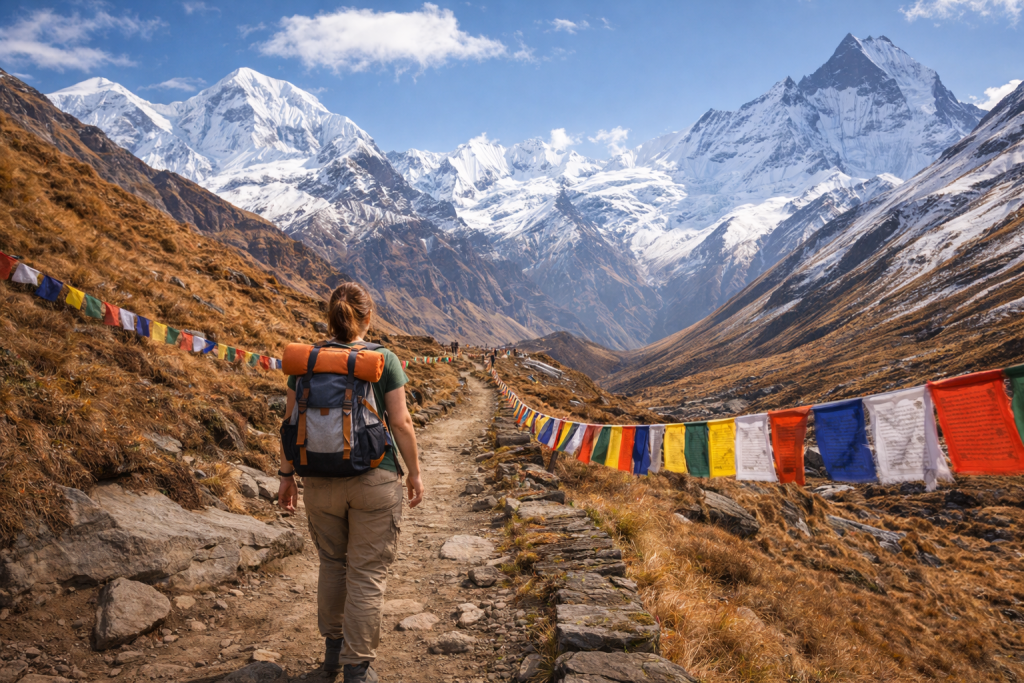
Popular trails like the Annapurna Base Camp trek, Poon Hill, and Langtang Valley are well-marked, dotted with teahouses, and busy with other trekkers during peak season (October to November and March to April). Many solo women trek these routes without a guide and feel completely comfortable doing so. You will rarely be truly alone; the trail has a rhythm, and you tend to leapfrog the same groups of trekkers from teahouse to teahouse.
More remote routes like Upper Mustang, Manaslu Circuit, or Kanchenjunga require a licensed guide by regulation. Even where it is not legally required, hiring a guide or porter-guide for off-the-beaten-path treks is wise. They handle navigation, communicate with locals in Nepali, and provide a safety net in case of altitude sickness or injury.
A good middle ground: hire a porter-guide. They carry some of your gear (saving your knees on those relentless stone staircases) and offer local knowledge without the full cost of a dedicated guide. Expect to pay around 2,500 to 3,500 Nepali rupees per day, which comes to roughly 18 to 27 USD. Always book through a registered trekking agency and check reviews online before committing.
One practical tip that experienced solo trekkers swear by: spend your first night at a busy teahouse and chat with other trekkers over dal bhat. You will likely find walking companions for the days ahead, even if you started solo. The trekking community in Nepal is wonderfully open, and the shared experience of sore legs and spectacular views bonds people fast.
Cultural Etiquette: Small Things That Make a Big Difference
Nepal’s culture is deeply rooted in Hindu and Buddhist traditions, and a little awareness goes a long way in building genuine connections with the people you meet.
Greetings: “Namaste” with your palms pressed together is the standard greeting and a sign of respect. Use it generously. It opens doors, literally and figuratively.
The left hand: In Nepali culture, the left hand is considered unclean. Use your right hand for eating, giving and receiving money, and handing objects to others. This is a small thing that locals genuinely notice and appreciate.
Feet and heads: Feet are considered the lowest, most impure part of the body. Never point your feet at people, religious statues, or altars. Conversely, the head is sacred. Do not touch anyone’s head, including children, no matter how adorable they are.
Photography: Always ask before photographing people, especially monks, sadhus (holy men), and women. Most Nepalis are happy to be photographed, but asking first shows respect. At cremation sites like Pashupatinath, be especially sensitive. Observe quietly and photograph from a respectful distance.
Bargaining: Haggling is expected in markets and with non-metered taxis, but keep it friendly. A smile and a sense of humour work far better than aggressive negotiating. Remember that a few extra rupees mean much more to the seller than they do to you.
Menstruation: This is worth mentioning because it can catch travellers off guard. In some rural areas and traditional households, menstruation is still considered ritually impure. You may be asked not to enter certain temples or kitchens during your period. While these practices are being challenged within Nepali society, as a visitor, it is respectful to follow the lead of your host.
Food, Glorious Food: Eating Solo in Nepal
One of the unexpected joys of solo travel in Nepal is the food. Eating alone here never feels lonely because meals are communal by nature, portions are generous, and the flavours are unforgettable.
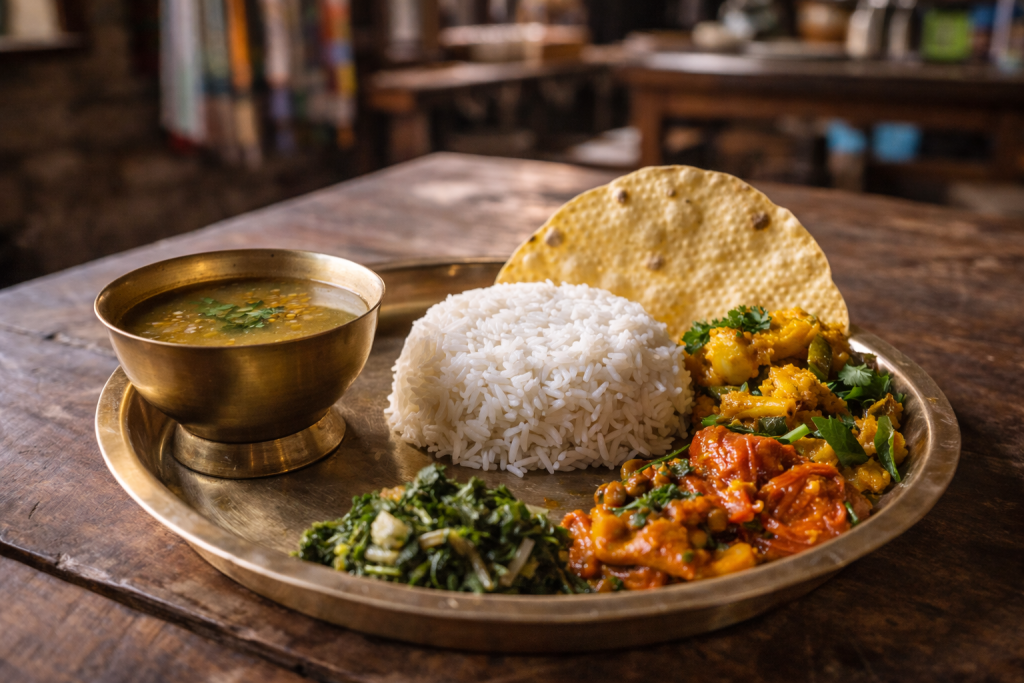
Dal bhat is the national dish and your trekking fuel. A heaping plate of rice, lentil soup, vegetable curry, pickles, and sometimes meat, served with unlimited refills. The saying on the trail is “dal bhat power, 24 hour,” and after a few days of trekking, you will understand why.
Momos are everywhere, and they are glorious. These steamed or fried dumplings, filled with buffalo meat, chicken, or vegetables, are the ultimate Nepali street food. Every local has a favourite momo spot, so ask around. Some of the best are found in tiny, unassuming shops down narrow alleys.
For a deeper culinary experience, seek out a Newari feast in Bhaktapur or Patan. The Newar people have one of Nepal’s richest food traditions, featuring dishes like choila (spiced grilled meat), yomari (sweet dumplings), and beaten rice with an array of chutneys and condiments that will make your taste buds sing.
Eating solo tip: sit at communal tables in teahouses and hostels. You will share stories, swap trail advice, and probably end up making plans with someone for the next day. Food in Nepal is never just about the food.
Budget Breakdown: What Does It Actually Cost?
Nepal remains one of the most budget-friendly destinations in Asia, which makes it especially appealing for solo travellers managing their own finances.
Accommodation: Hostel dorm beds run 500 to 1,200 NPR per night (roughly 4 to 9 USD). Private guesthouse rooms range from 1,000 to 3,000 NPR (8 to 23 USD). On trekking routes, teahouse rooms cost 200 to 500 NPR per night, sometimes free if you eat your meals there.
Food: A dal bhat meal costs 250 to 500 NPR in the cities, more at altitude. Momos run 150 to 300 NPR for a plate. Budget roughly 1,500 to 2,500 NPR per day for three meals and snacks.
Transport: A tourist bus from Kathmandu to Pokhara costs around 800 to 1,500 NPR. Domestic flights range from 5,000 to 15,000 NPR depending on the route and season. Within cities, taxi rides rarely exceed 500 NPR if you negotiate well.
Trekking permits: Depending on the region, permits range from 2,000 to 50,000 NPR. The popular Annapurna Conservation Area Permit (ACAP) and TIMS card together cost around 5,000 NPR for foreigners.
A realistic daily budget for a solo female traveller in Nepal, covering accommodation, food, transport, and activities, is around 3,000 to 6,000 NPR (23 to 45 USD) for a comfortable mid-range experience. You can absolutely do it cheaper, or splurge more, but that range covers most bases comfortably.
Connectivity and Practical Essentials
Pick up a Nepali SIM card at the airport or in Thamel. Ncell is the most popular choice for travellers, offering decent data coverage across the tourist belt. A tourist SIM with a data package costs around 500 NPR and keeps you connected for WhatsApp, maps, and emergency calls. Coverage can be patchy in remote trekking areas, but most teahouses along popular routes now offer Wi-Fi for a small fee.
Download offline maps on Google Maps or Maps.me before heading to areas with limited connectivity. These are lifesavers for navigating Kathmandu’s labyrinthine alleys and for following trail routes.
ATMs are plentiful in Kathmandu and Pokhara but scarce in rural areas and on trekking routes. Carry enough cash in Nepali rupees for the duration of your trek, plus a reserve. Nabil Bank and Himalayan Bank ATMs tend to be the most reliable for international cards.
The Solo Female Travel Mindset
Here is the thing nobody tells you enough: solo female travel in Nepal is not about being fearless. It is about being prepared, staying aware, and giving yourself permission to change plans when something does not feel right. It is also about being open, because Nepal has a way of surprising you with kindness when you least expect it.
The grandmother in Bandipur who insists you try her homemade sel roti. The fellow trekker from Brazil who becomes your trail buddy for three days. The guide who points out a red panda in the rhododendron forest that you would have walked right past. These are the moments that make solo travel in Nepal extraordinary, and they happen precisely because you are open, present, and unscripted.
You do not need to be an experienced adventurer to travel Nepal alone. You just need curiosity, a reasonable dose of common sense, and comfortable walking shoes. Nepal will take care of the rest.
Ready to Go? Start Here
If this article has stirred something in you, do not let it fade. Open a new tab, check flight prices, and start sketching out a rough itinerary. Nepal is not a “someday” destination. It is a “this year” destination. The mountains are waiting, the momos are steaming, and somewhere on a trail in the Himalayas, there is a version of you that is braver, freer, and more alive than you thought possible.
Go find her.
Related Posts
Stay Informed With the Latest & Most Important News
Previous Post
Next Post
- Solo Female Travel in Nepal: What You Actually Need to Know
- Mardi Himal Trek: The Quieter Trail to Nepal’s Most Photogenic Peak
- Best Time to Visit Nepal: A Month-by-Month Breakdown for Every Traveller
- Poon Hill Trek: The Complete Guide
- Top 15 Biggest Cities in Nepal by Population: Walk With Me Through Urban Nepal