Now Reading: Slow Travel in Nepal: Experiencing the Country Beyond Checklists and Itineraries
-
01
Slow Travel in Nepal: Experiencing the Country Beyond Checklists and Itineraries
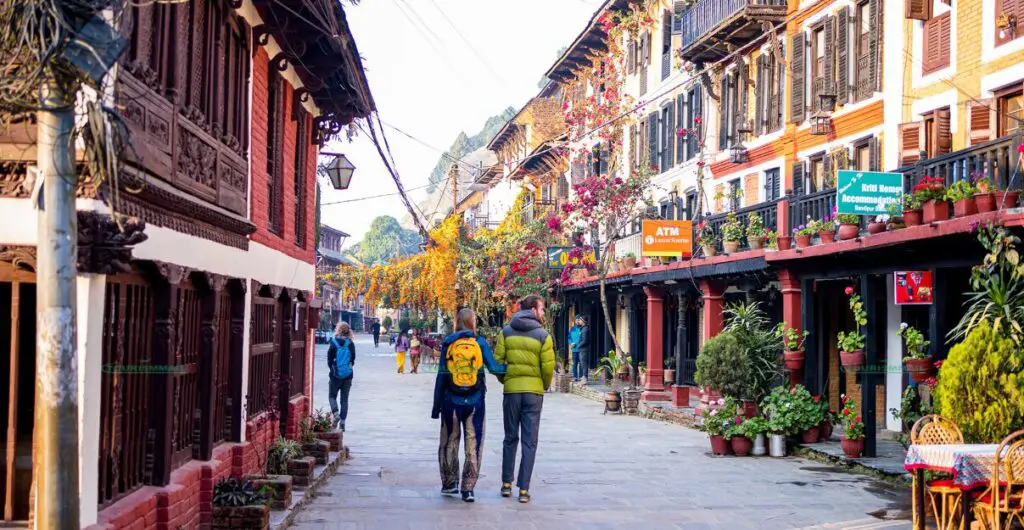
Slow Travel in Nepal: Experiencing the Country Beyond Checklists and Itineraries

Nepal is not a country that reveals itself quickly.
You can rush through it. Many people do. You can tick off temples, viewpoints, treks, and UNESCO sites in neat little rows. You can follow a two-week itinerary that looks impressive on paper and still leave feeling like something slipped past you.
Slow travel in Nepal is about noticing what happens when you stop trying to collect the country and instead let it meet you where you are.
It is about staying put long enough for the noise to soften. Long enough to recognise faces. Long enough for the place to stop performing and start breathing.
This is not about travelling cheaply, or travelling for months, or rejecting planning altogether. It is about travelling with patience, presence, and humility. And Nepal, more than most places, rewards that approach.
What Slow Travel Actually Means in Nepal
Slow travel in Nepal is not a concept imported from elsewhere. It already exists in the way people live.
Days are shaped by daylight, not schedules. Conversations wander. Tea is poured without urgency. Buses leave when they leave. Festivals take over entire neighbourhoods without apology.
To travel slowly here means aligning yourself, gently, with that rhythm.
In practical terms, it looks like this:
- Staying longer in one place instead of hopping every two nights
- Walking rather than constantly hiring transport
- Letting weather, festivals, and local advice shape your plans
- Choosing depth over distance
- Allowing rest days without guilt
It also means accepting that not everything will be efficient, smooth, or polished for sharing online. And that is where the magic usually begins.
Why Nepal Is Perfect for Slow Travel
Some countries demand speed. Nepal resists it.
Distances are short but journeys are long. Roads wind, landslides happen, flights cancel, power cuts arrive unannounced. Instead of fighting these realities, slow travel works with them.
Nepal also has an incredible density of culture. You do not need to go far to experience something new. A single valley can hold multiple languages, cuisines, festivals, and belief systems.
Stay long enough, and you begin to notice:
- How mornings smell different from afternoons
- How villages change pace between planting and harvest
- How cities feel quieter during certain religious periods
- How people mark time through rituals, not clocks
This depth is invisible to travellers who are constantly on the move.
Choosing Where to Slow Down
Slow travel does not mean avoiding popular places. It means experiencing them differently.
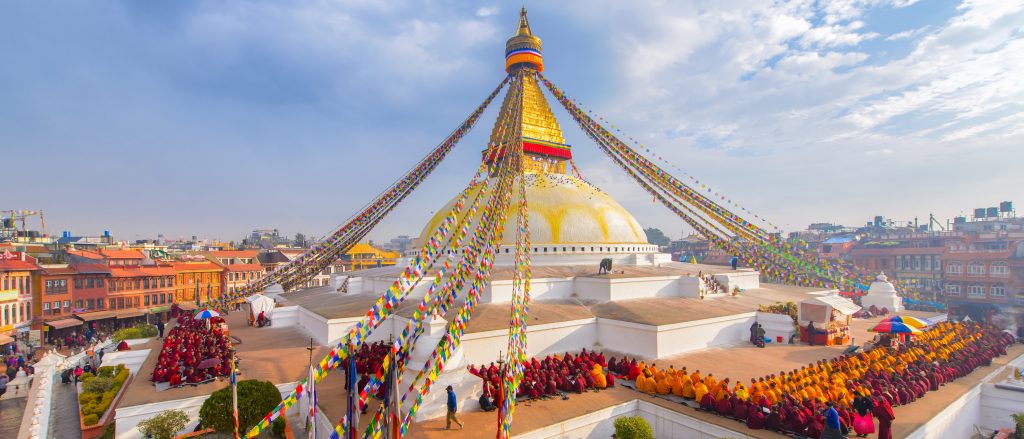
Kathmandu Valley
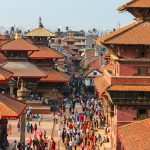
Many travellers rush through Kathmandu as a gateway to trekking. Slow travellers let it unfold.
Spending time in one neighbourhood changes everything. You start recognising shopkeepers. You learn which alleys flood during rain. You hear temple bells at predictable hours. You notice how locals use public spaces in the early morning and late evening.
Kathmandu rewards curiosity and repetition. Visit the same tea stall every day. Walk the same route at different times. Sit quietly during festivals instead of photographing them.
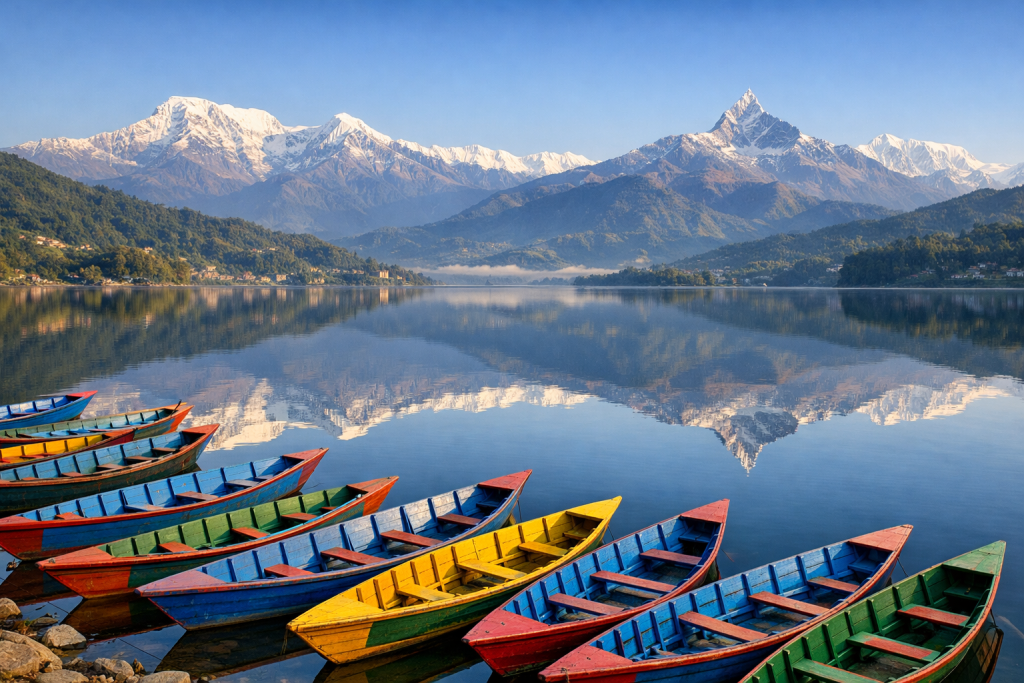
Pokhara
Pokhara often becomes a rest stop between adventures. It can also be a place to breathe.
Slow travel here might mean:
- Renting a room for a few weeks
- Walking the lakeside at sunrise daily
- Taking local buses to nearby villages
- Spending afternoons reading, writing, or simply watching clouds gather
Pokhara teaches stillness. The mountains reveal themselves slowly, often only after days of hiding.
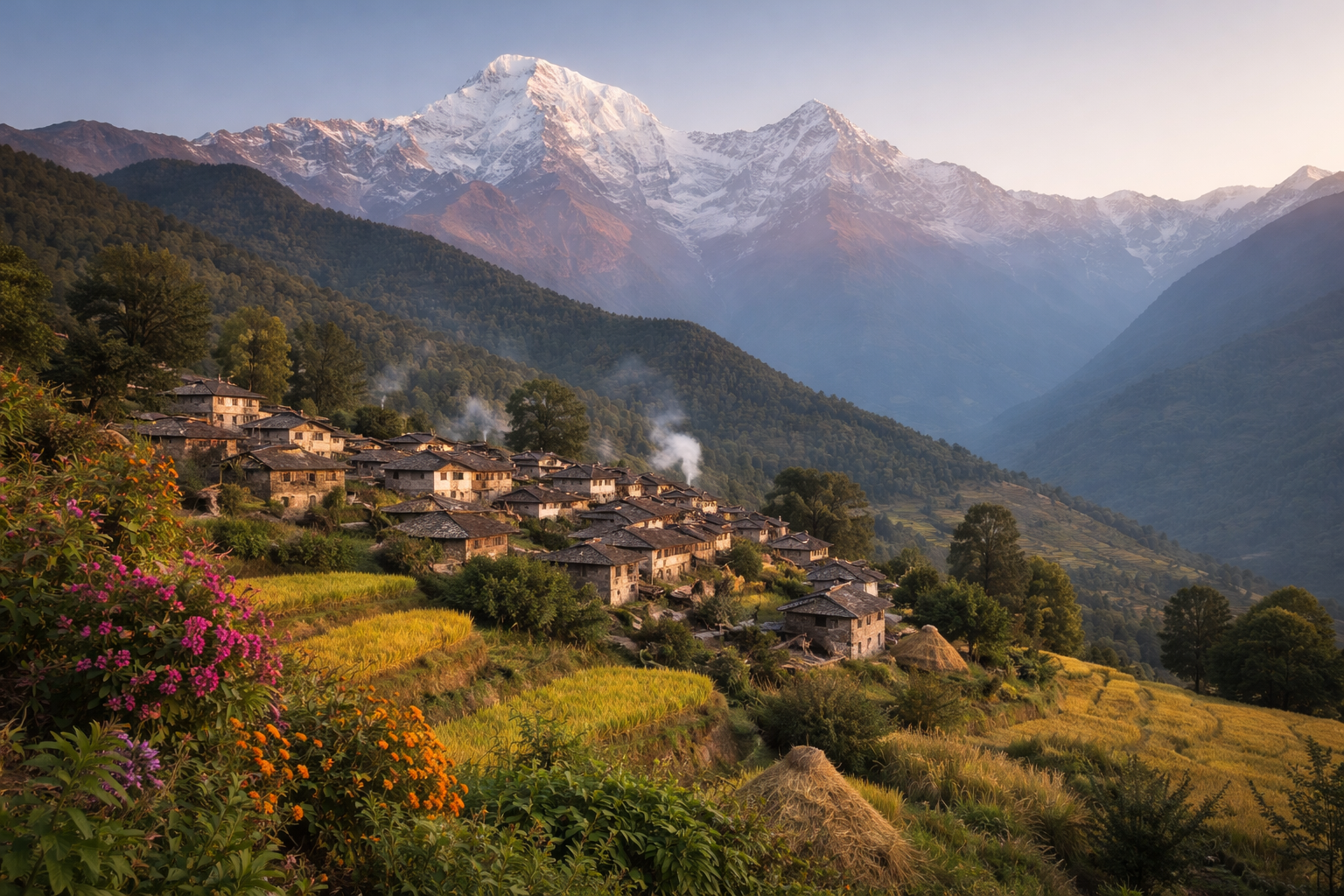
Villages and Smaller Towns
This is where slow travel in Nepal becomes deeply personal.
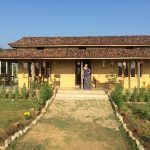
Staying in a village, whether in the hills or the plains, strips travel back to basics. Days revolve around meals, weather, work, and conversation.
You may not share a language fluently, but routines become shared language. Helping in a kitchen. Walking children to school. Sitting with elders in the evening.
These are not performances. They are daily life. And they are offered quietly, without spectacle.
Slow Travel and Trekking
Trekking culture in Nepal often promotes speed. How many days. How high. How fast.
Slow trekking is different.
It means:
- Shorter daily distances
- Extra acclimatisation days that are actually enjoyed
- Talking to people along the trail
- Taking rest days in villages rather than pushing through
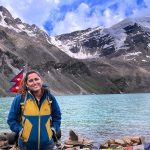
When you slow down on a trek, the mountains stop being goals and start being companions.
You notice birds. You notice how architecture changes with altitude. You notice how children play differently in different regions. You notice how your own body responds when it is not constantly pushed.
Some of the most meaningful trekking moments happen on days with no destination.
Eating Slowly in Nepal
Food is one of the easiest ways to slow down.
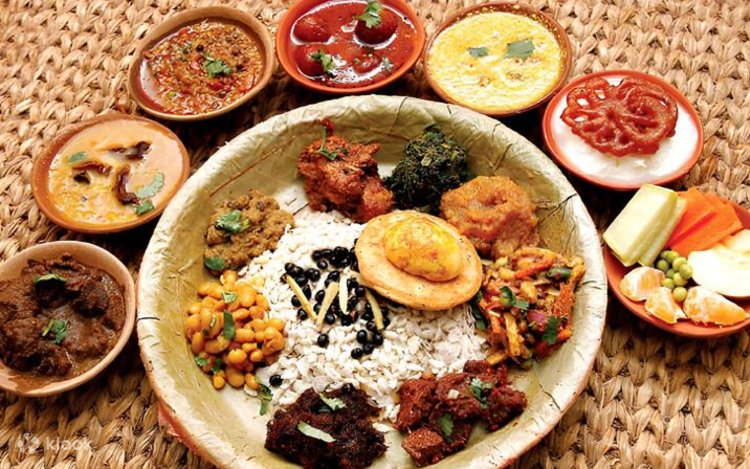
Nepali meals are not rushed affairs. Dal bhat, the national staple, is meant to be eaten deliberately. Refills are offered. Conversation flows.
Slow travel invites you to:
- Eat what is available, not what you are craving
- Follow local meal times
- Learn the rhythm of tea breaks
- Accept repetition as comfort rather than limitation
Street snacks, home kitchens, festival foods, and seasonal produce all tell stories. Eating slowly means listening to them.
Accommodation Choices That Support Slow Travel
Where you stay shapes how you travel.
Guesthouses, family-run lodges, and homestays naturally encourage slower rhythms. Staff remember your name. Owners share stories. You are not anonymous.
Staying longer often leads to:
- Better rates
- Deeper conversations
- Invitations to family events
- A sense of belonging
Even in cities, choosing a smaller place over a large hotel can transform your experience.
Transport Without Rushing
Transport in Nepal teaches patience whether you want the lesson or not.
Buses are crowded and slow. Roads are unpredictable. Flights are weather-dependent.
Slow travellers plan loosely and accept delays as part of the journey. They sit by windows. They talk to seatmates. They stop overnight when needed instead of pushing through exhaustion.
This approach turns inconvenience into experience.
Cultural Sensitivity and Presence
Slow travel naturally fosters respect.
When you stay longer, you begin to understand context. Why certain behaviours matter. Why certain photos are intrusive. Why some questions should not be asked casually.
You learn by watching, not asking for explanations. You adjust without being told.
This kind of learning is quiet, gradual, and deeply human.
Money, Time, and Privilege
It is important to acknowledge that slow travel is a privilege. Time is not equally available to everyone.
But slow travel is not about length alone. Even a short trip can be slow if approached intentionally.
Choosing fewer places. Allowing empty afternoons. Saying no to constant movement. These are decisions, not luxuries.
In Nepal, slowing down often reduces costs rather than increasing them. Longer stays are cheaper. Local transport is affordable. Simple routines cost little.
Letting Go of the Perfect Plan
Perhaps the hardest part of slow travel is releasing control.
Nepal will change your plans. Weather will intervene. Strikes will happen. Festivals will disrupt schedules. Illness may force rest.
Slow travel teaches you to stop seeing these as problems to solve and start seeing them as part of the story.
Some of your favourite memories will come from days that did not go as planned.
What You Take Home From Slow Travel in Nepal
You may forget dates and distances.
But you will remember:
- A kitchen filled with smoke and laughter
- A stranger who became familiar
- A mountain that revealed itself only on your last day
- A routine you miss months later
Slow travel in Nepal does not end when you leave. It changes how you move through the world afterwards.
You walk more slowly. You listen longer. You plan less rigidly. You notice more.
And that might be the most lasting souvenir Nepal gives you.
Related Posts
Stay Informed With the Latest & Most Important News
- Pokhara Calling: Why Nepal’s Lakeside City Will Steal Your Heart (and When to Go)
- Beyond Dal Bhat: A Traveller’s Guide to the Foods of Nepal
- No More Solo Trekking: Everything You Need to Know About Nepal’s 2026 Trekking Rules
- The Mountains Are Still Calling: How to Reach Nepal When the Middle East Skies Are Closed
- Nepal’s 2026 Election: What Travellers Need to Know