Now Reading: Shey Phoksundo National Park (Dolpo): Trans-Himalayan Culture, High-Altitude Silence, and the Ultimate Slow Journey
-
01
Shey Phoksundo National Park (Dolpo): Trans-Himalayan Culture, High-Altitude Silence, and the Ultimate Slow Journey
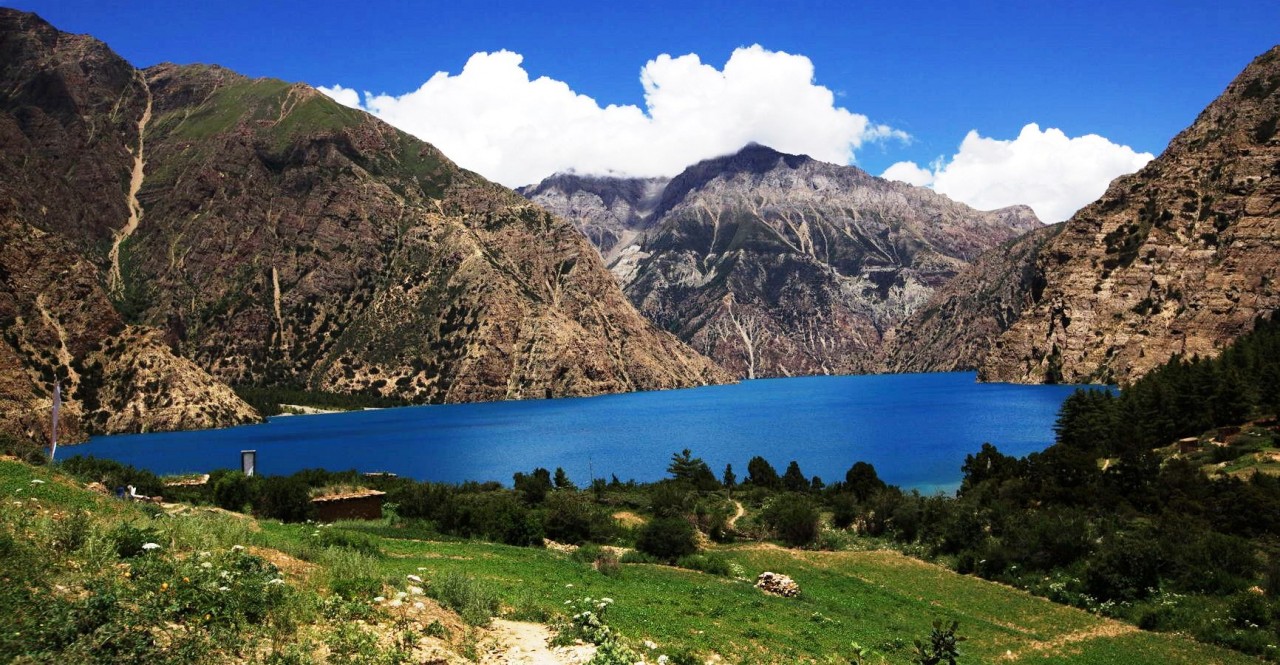
Shey Phoksundo National Park (Dolpo): Trans-Himalayan Culture, High-Altitude Silence, and the Ultimate Slow Journey

Shey Phoksundo National Park is not a place you visit casually.
You do not pass through it on the way somewhere else.
You do not arrive accidentally.
You do not rush it.
This is Nepal’s most remote, demanding, and introspective national park, a vast trans-Himalayan landscape where altitude replaces jungle, silence replaces traffic, and culture feels older than borders.
Dolpo is not defined by Everest-scale drama or easy access. It is defined by absence: of crowds, of roads, of modern noise. What remains is something increasingly rare in the Himalaya, a way of life still shaped more by geography and belief than by tourism.
This guide explores Shey Phoksundo National Park as a place of slow travel, cultural continuity, and ecological extremity, offering everything you need to understand whether this journey is right for you.
Recommended Read: Nepal’s National Parks: Detailed Guide to Every Protected Landscape
Understanding Shey Phoksundo: Geography at the Edge of Nepal
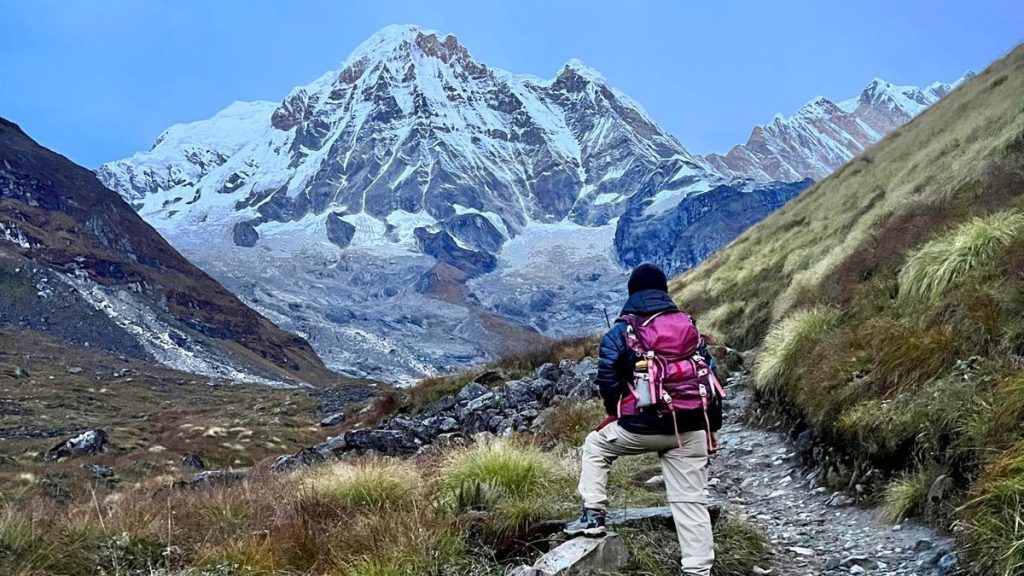
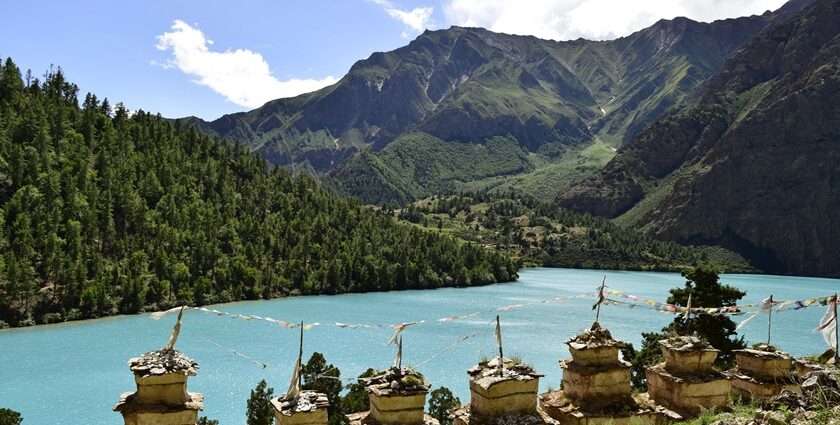
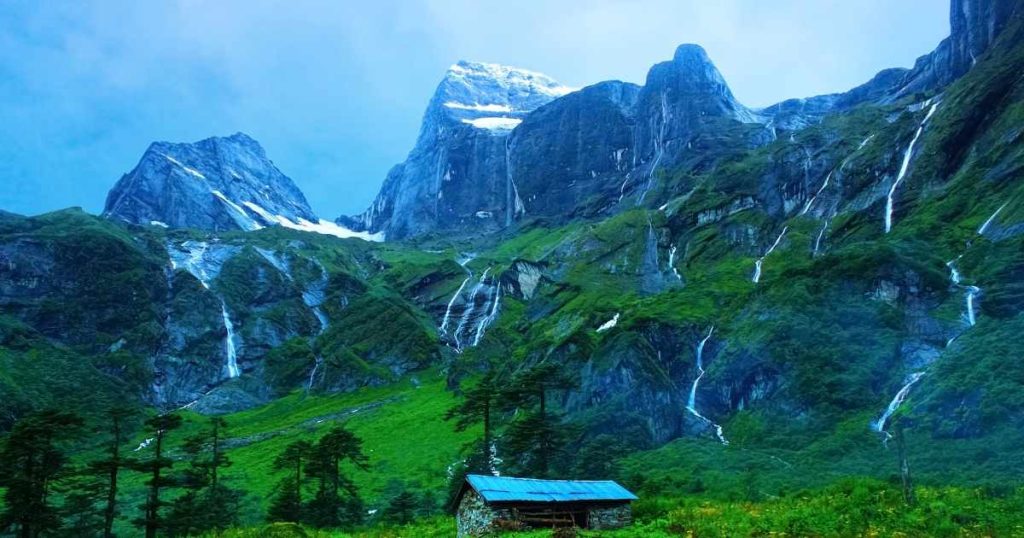
Shey Phoksundo National Park is Nepal’s largest national park, covering over 3,500 square kilometres in the country’s north-west. It lies in the rain-shadow of the Himalaya, where monsoon clouds rarely reach, and landscapes take on a stark, Tibetan character.
Defining Landscapes
- High-altitude desert plateaus
- Deep gorges carved by ancient rivers
- Wind-sculpted ridgelines
- Glacial valleys and barren slopes
- Phoksundo Lake, Nepal’s deepest and most striking alpine lake
Unlike the lush greens of Langtang or the forests of the Terai, Dolpo is arid, exposed, and vast. Distances feel longer here. Time moves differently.
This is a landscape that does not soften itself for visitors.
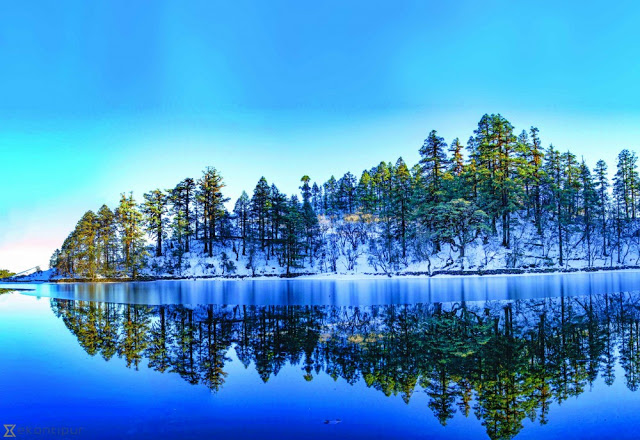
Phoksundo Lake: Stillness at Altitude
Phoksundo Lake sits at nearly 3,600 metres, its intense turquoise colour shaped by glacial minerals and depth rather than algae.
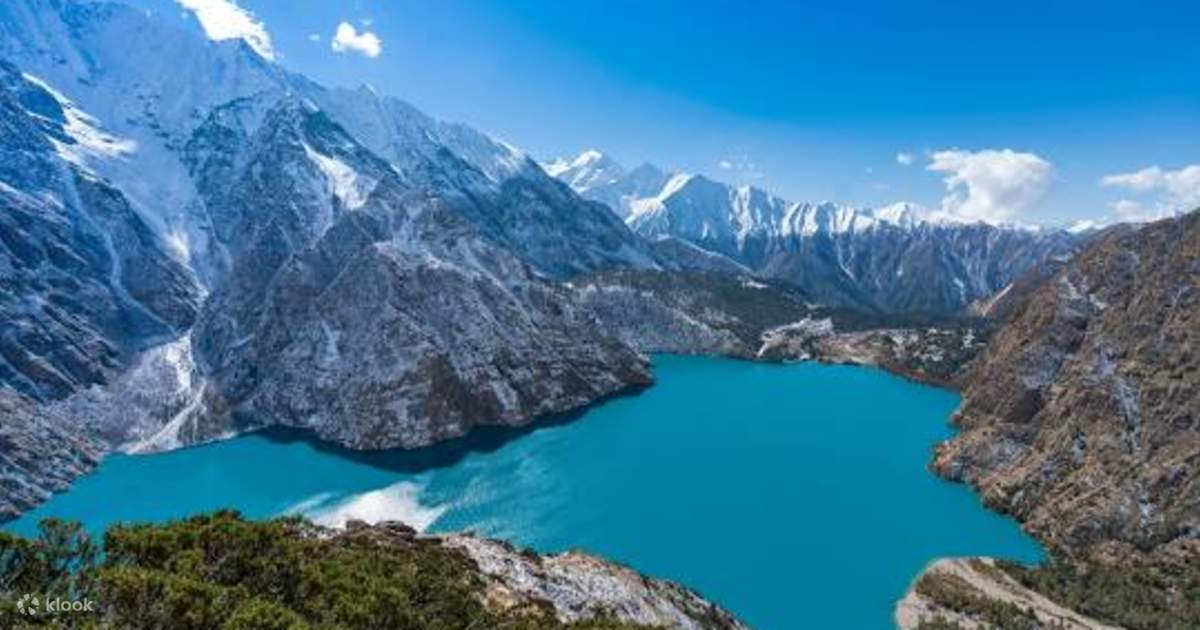
What makes the lake remarkable is not only its beauty, but its context:
- No roads reach it
- Villages sit quietly nearby rather than on its shores
- Religious structures mark it as a sacred space
For local communities, Phoksundo is not scenery. It is a living presence, tied to cosmology, seasonal cycles, and spiritual practice.
Travellers often describe their time here not as awe, but as stillness, a rare emotional response in modern travel.
Wildlife of Shey Phoksundo National Park
Wildlife in Dolpo is sparse, elusive, and perfectly adapted to harsh conditions.
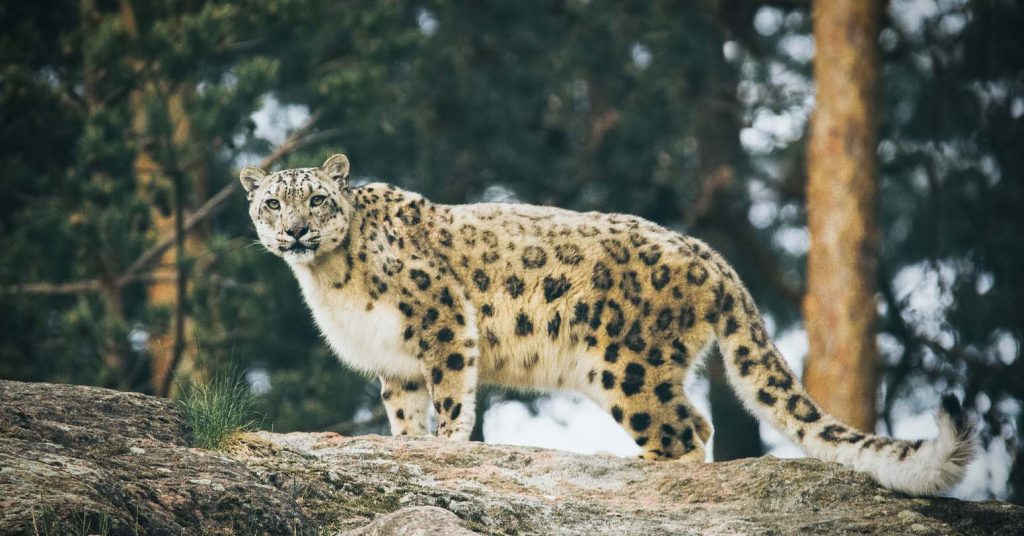
Mammals
- Snow leopard (present but rarely seen)
- Blue sheep (bharal)
- Himalayan wolf
- Tibetan argali (rare)
- Pika and marmot
Predator-prey dynamics here are finely balanced. Blue sheep populations sustain snow leopards, while pastoralism must coexist without tipping that balance.
Sightings are uncommon, but signs are everywhere for those who know how to look.
Birds
Birdlife includes:
- Himalayan griffon
- Lammergeier (bearded vulture)
- Snow partridge
Birds often provide the most visible wildlife encounters in Dolpo.
Culture in Dolpo: Buddhism, Bon, and Living Tradition
Dolpo is culturally distinct even within Nepal.
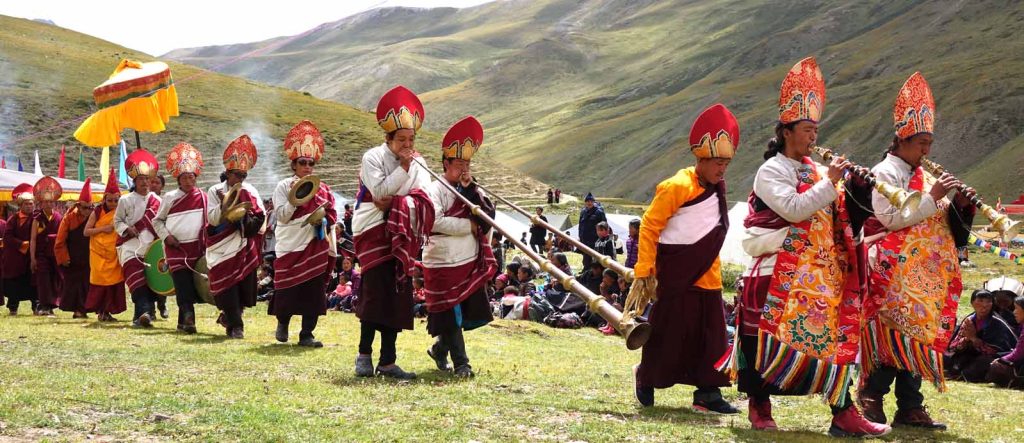
Religious Landscape
- Tibetan Buddhism and Bon coexist
- Bon, an ancient pre-Buddhist spiritual tradition, remains actively practised
- Monasteries function as social, spiritual, and seasonal anchors
Prayer flags, mani walls, and chortens here are not ornamental. They are markers of worldview, shaping how land is used and respected.
Village Life
Villages such as Ringmo and Saldang are:
- Isolated for much of the year
- Built for wind, cold, and scarcity
- Organised around collective survival
Agriculture is minimal. Trade routes, livestock, and seasonal movement define livelihoods.
Tourism exists, but it has not replaced traditional systems.
Trekking in Dolpo: Journeys, Not Routes
Trekking in Shey Phoksundo National Park is fundamentally different from Nepal’s mainstream regions.
This is not teahouse trekking.
Characteristics of Dolpo Treks
- Fully supported (camping, porters, logistics)
- Multi-week itineraries
- High passes over 5,000 metres
- No daily “destination villages”
Routes include:
- Lower Dolpo (Phoksundo region)
- Upper Dolpo circuits
- Shey Gompa and Crystal Mountain pilgrimages
Each trek is as much a logistical expedition as a physical journey.
Permits and Access: Why Dolpo Remains Remote
Dolpo’s remoteness is protected by design.
Required Permits
- Shey Phoksundo National Park entry permit
- Restricted Area Permit (Upper Dolpo)
These permits:
- Are costly
- Require registered guides
- Limit casual tourism
Getting There
- Flights to Juphal (weather-dependent)
- Several days of trekking before reaching the core areas
This barrier keeps Dolpo from becoming overrun and preserves its integrity.
Best Time to Visit Shey Phoksundo National Park
Summer (June–September)
- Best overall season
- Clear skies despite monsoon elsewhere
- Passes are open and accessible
Spring (May)
- Transitional conditions
- Snow at higher passes
Autumn (October)
- Cold nights
- Shorter weather window
Winter
- Most routes inaccessible
- Villages partially abandoned
Unlike much of Nepal, the monsoon is Dolpo’s prime season.
Accommodation: Camping and Community Stays
There are no lodges in most of Dolpo.
Accommodation consists of:
- Tents
- Occasional village homestays
- Monastery guest rooms (basic)
Comfort comes from:
- Rhythm
- Shared meals
- Evenings around camp
This style of travel is inherently slow. There is nowhere to rush to.
Food, Fuel, and Logistics at Altitude
Everything in Dolpo is:
- Carried
- Grown with difficulty
- Used sparingly
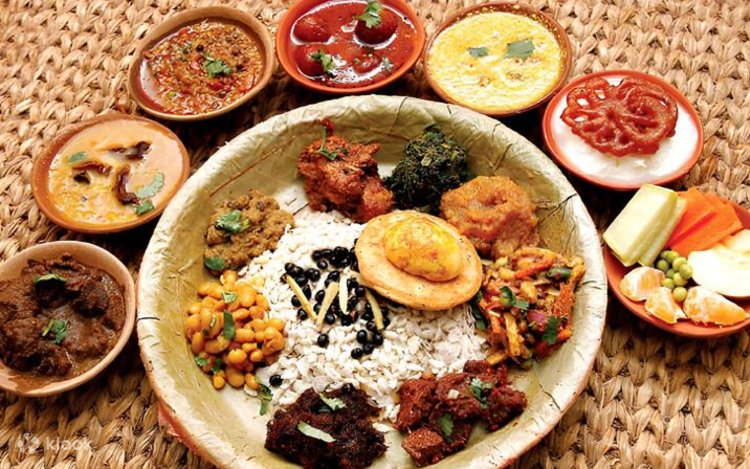
Meals are simple:
- Tsampa
- Barley
- Lentils
- Occasional meat
Firewood is scarce. Fuel use is regulated. Waste management is critical.
Visitors must adapt, not expect accommodation.
Dolpo as Slow Travel: Why Fewer People Belong Here
Dolpo is not for everyone, and that is intentional.
Ideal For
- Experienced trekkers
- Cultural travellers
- Those comfortable with silence
- People seeking disconnection
Not Ideal For
- Tight schedules
- Luxury travellers
- First-time trekkers
- Anyone seeking convenience
This is not a place to “do Nepal.”
It is a place to unlearn pace.
Conservation Challenges in Shey Phoksundo
Dolpo faces unique pressures:
- Climate-driven pasture change
- Human-wildlife conflict
- Out-migration of youth
- Limited healthcare and education
Tourism offers income, but must remain controlled to avoid cultural erosion.
Responsible travel here is not optional. It is foundational.
How Shey Phoksundo Fits Into a Nepal Journey
Dolpo does not combine easily with other destinations.
It requires:
- Time
- Commitment
- Acceptance of uncertainty
Many travellers build entire Nepal journeys around Dolpo, not alongside it.
This is appropriate.
Final Reflection: Why Dolpo Changes People
Dolpo does not impress in obvious ways.
It does not overwhelm with scale or colour.
It does not reward speed.
It does not cater to expectations.
Instead, it offers:
- Space
- Silence
- Continuity
You walk for days without seeing another outsider. You listen more than you speak. You become aware of breath, wind, light, and distance in ways modern life rarely allows.
Dolpo does not promise transformation.
But for those who stay long enough, it often delivers something quieter and more durable: Perspective.
Related Posts
Stay Informed With the Latest & Most Important News
- Top 15 Biggest Cities in Nepal by Population: Walk With Me Through Urban Nepal
- Two Weeks in Nepal: How to Plan the Ultimate Trip Across the Roof of the World
- Pokhara Calling: Why Nepal’s Lakeside City Will Steal Your Heart (and When to Go)
- Beyond Dal Bhat: A Traveller’s Guide to the Foods of Nepal
- No More Solo Trekking: Everything You Need to Know About Nepal’s 2026 Trekking Rules