Now Reading: Rara National Park: Alpine Isolation, Stillness, and Nepal’s Largest Lake
-
01
Rara National Park: Alpine Isolation, Stillness, and Nepal’s Largest Lake
Rara National Park: Alpine Isolation, Stillness, and Nepal’s Largest Lake

Rara National Park is not as dramatic as most Himalayan destinations.
There are no towering eight-thousanders rising immediately overhead.
No famous passes to cross.
No iconic base camps crowded with trekkers.
Instead, Rara offers something subtler and rarer.
It offers space, silence, and restraint.
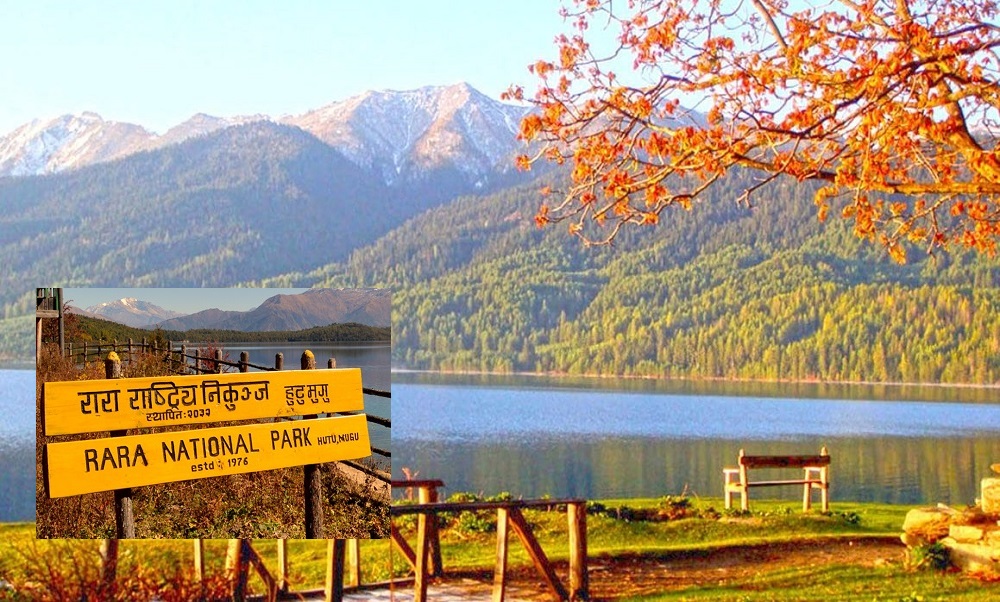
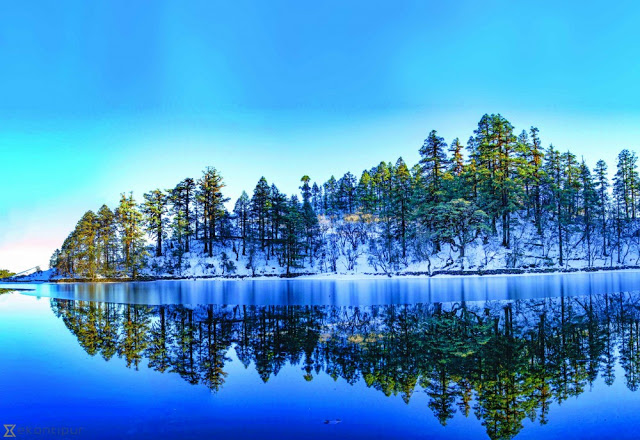
At the centre of the park lies Rara Lake, Nepal’s largest lake, resting quietly at nearly 3,000 metres. Around it stretch alpine meadows, conifer forests, and rolling hills that feel closer to Central Asia than to the high Himalaya most travellers associate with Nepal.
Rara is not a place you “do” quickly.
It is a place you sit with.
Recommended Read: Nepal’s National Parks: Detailed Guide to Every Protected Landscape
Understanding Rara National Park: Geography and Scale
Rara National Park is Nepal’s smallest national park, covering just over 100 square kilometres, yet its sense of openness feels vast.
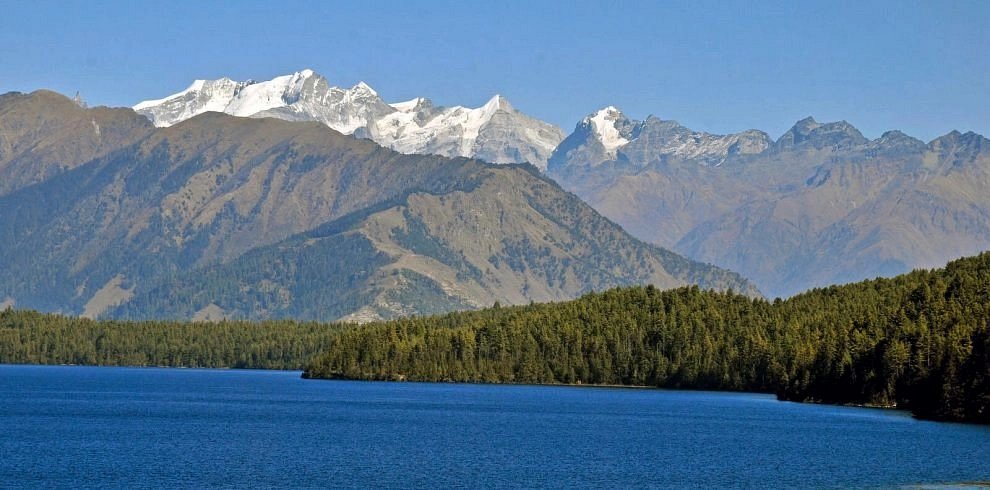
Located in the Karnali region of north-western Nepal, the park sits well away from major trekking corridors and tourism infrastructure. This geographic isolation has preserved both its landscape and its atmosphere.
Key Landscapes
- Alpine lake basin
- Rolling grassy hills
- Pine, spruce, and fir forests
- High-altitude wetlands
Unlike steep Himalayan valleys, Rara’s terrain is gentle and expansive, encouraging wandering rather than ascent.
This gentleness is deceptive. The isolation here is real.
Rara Lake: The Heart of the Park
Rara Lake lies at an altitude of approximately 2,990 metres, stretching over 10 square kilometres. Its waters shift colour throughout the day, from deep blue to turquoise to silver, depending on light and weather.
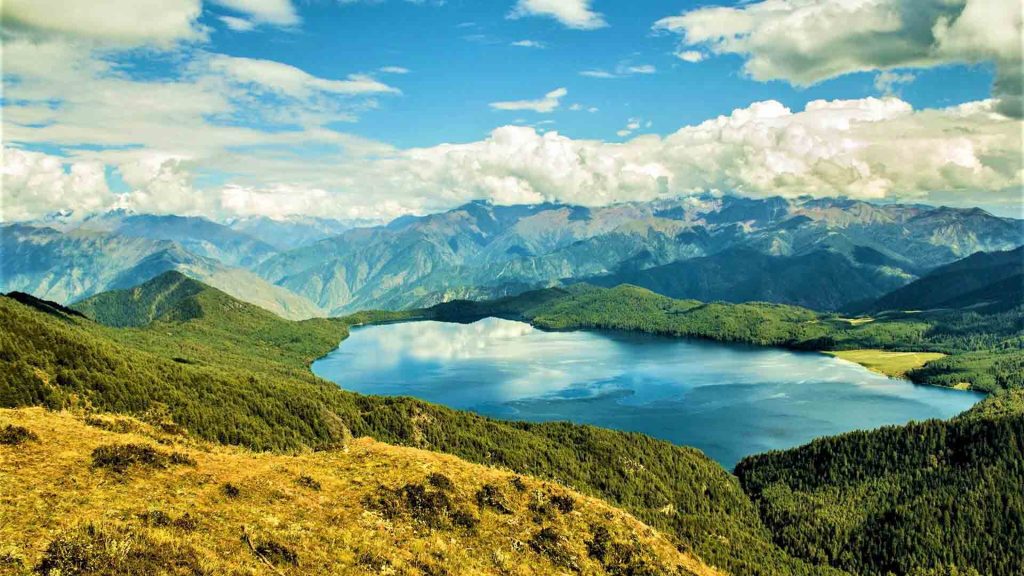
What defines Rara Lake is not scale alone, but absence:
- No lakeside villages
- No motorboats
- No commercial development
Walking its perimeter takes several hours and reveals:
- Bird-rich wetlands
- Open grazing lands
- Quiet forest edges
For local people, the lake is deeply symbolic, associated with folklore, seasonal migration, and spiritual meaning rather than tourism value.
For travellers, it offers a rare opportunity to experience stillness without spectacle.
Wildlife of Rara National Park
Rara’s wildlife is adapted to high-altitude forests and meadows, not dense jungle.
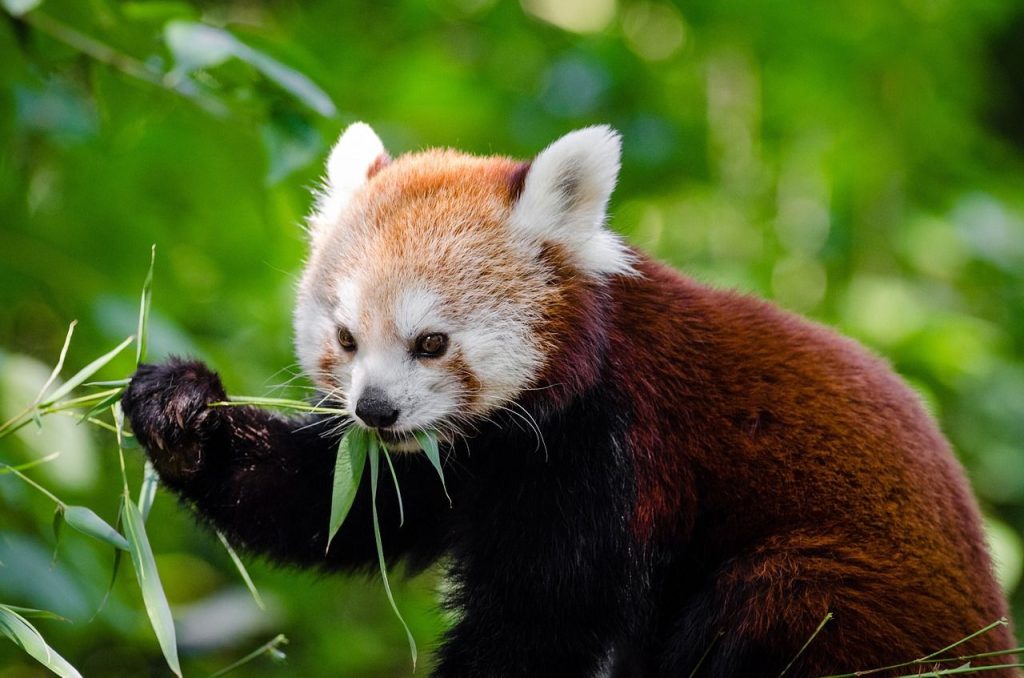
Mammals
- Himalayan black bear
- Musk deer
- Himalayan tahr
- Goral
- Wild boar
- Jackal
Large predators such as snow leopards are believed to exist in the wider region, but sightings are extremely rare.
Rara is not a “wildlife viewing” destination in the classic sense. Animals here are part of the background rather than the focus.
Birds
Birdlife is one of Rara’s strongest features, especially in and around the lake:
- Himalayan griffon
- Snowcock
- Various ducks and waterfowl
- Seasonal migratory species
Bird activity is most noticeable in early mornings and evenings, when the lake surface is calm.
The Human Landscape: Life in the Karnali Region
The communities surrounding Rara are among the most remote and economically marginalised in Nepal.
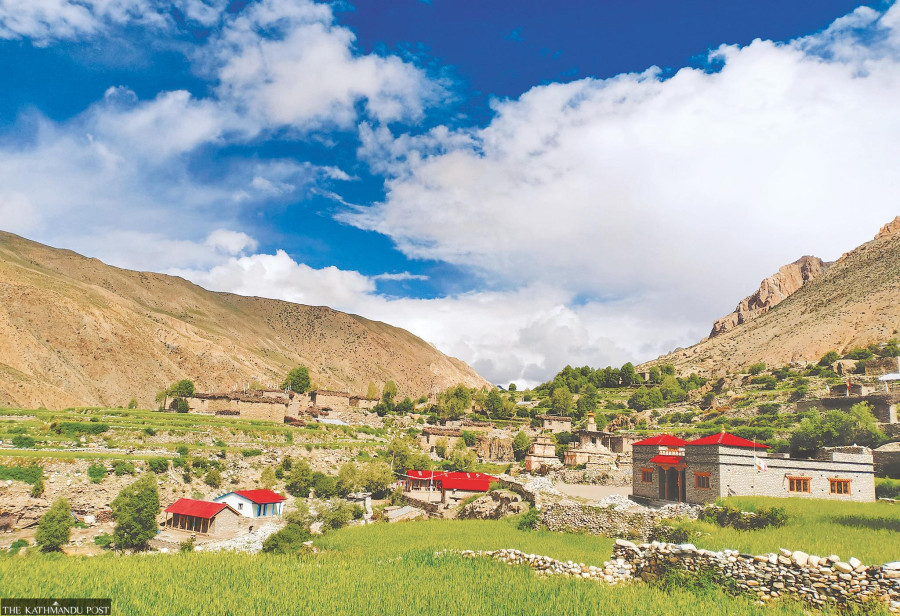
Cultural Context
- Predominantly Khas and other hill communities
- Subsistence agriculture and pastoralism
- Seasonal movement due to harsh winters
Tourism here is minimal and highly seasonal. For many residents, visitors are still an occasional curiosity rather than a constant presence.
This means:
- Interactions feel genuine, not transactional
- Infrastructure is limited
- Expectations must remain modest
Rara is not about cultural performance; it is about coexistence.
Visiting Rara National Park: What the Journey Involves
Reaching Rara is part of the experience.
There is no single, easy route, and that is intentional.
Access Options
- Flights to Talcha Airport (weather-dependent), followed by a trek
- Overland travel via Jumla with multiple days of walking
Both options require:
- Flexibility
- Buffer days
- Acceptance of delays
The final approach to Rara Lake is always on foot, reinforcing the sense of arrival rather than arrival by convenience.
Trekking and Walking Around Rara
Rara is not a technical trekking destination.
Instead, it offers gentle, exploratory walking.
Popular Walks
- Circumambulation of Rara Lake
- Forest trails above the lake for panoramic views
- Short hikes to the surrounding ridges
There are no classic long-distance circuits inside the park. The value lies in:
- Repetition
- Changing light
- Time spent in one place
Rara rewards staying put rather than moving on.
Best Time to Visit Rara National Park
Rara has a short and defined season.
Best Months: May–October
- Snow clears from access routes
- Meadows are green
- Lake fully accessible
Summer (June–August)
- Peak accessibility
- Lush landscapes
- Occasional rain
Autumn (September–October)
- Clear skies
- Crisp mornings
- Fewer visitors
Winter (November–April)
- Heavy snow
- Park largely inaccessible
- Local migration away from the lake
Unlike many parts of Nepal, Rara should not be visited year-round.
Permits and Practicalities
Required Permit
- Rara National Park entry permit
These can be arranged in Kathmandu or regional centres, but advance planning is essential.
Accommodation
Options are limited:
- Basic guesthouses near the park
- Simple park lodges
- Occasional camping
Expect:
- Basic meals
- Limited electricity
- Cold nights even in summer
Comfort here is minimal, but the environment compensates.
Food and Supplies: Planning Matters
Supply chains to Rara are long and fragile.
Food availability depends on:
- Seasonal transport
- Local harvests
- Visitor numbers
Meals are simple:
- Rice and lentils
- Potatoes
- Seasonal vegetables
Travellers should not expect variety or abundance.
Bringing essentials and snacks is advisable.
Rara as Slow Travel: Why Time Is the Key Ingredient
Rara is often rushed, treated as a “quick visit” to see the lake and leave.
This misses the point entirely.
Ideal Stay: 3–5 Nights
This allows:
- Different light conditions
- Weather variation
- Quiet observation
The lake changes constantly. The longer you stay, the more it reveals.
Rara teaches presence without agenda.
Conservation and Fragility
Rara’s small size makes it particularly vulnerable.
Key Challenges
- Grazing pressure
- Waste management during peak season
- Climate-driven water level changes
Low visitor numbers help, but awareness is crucial.
Visitors should:
- Minimise waste
- Respect grazing areas
- Avoid disturbing wildlife and wetlands
Rara survives because it has not been overused.
Who Rara National Park Is For
Ideal For
- Slow travellers
- Solitude seekers
- Writers, thinkers, observers
- Those comfortable with simplicity
Not Ideal For
- Adventure thrill-seekers
- Wildlife safari expectations
- Luxury travel preferences
- Tight itineraries
Rara is about being, not doing.
How Rara Fits Into a Nepal Journey
Rara works best as:
- A primary destination
- Or part of a Karnali-focused journey
It does not combine easily with mainstream trekking routes. Most travellers who come here do so intentionally.
That intention shapes the experience.
Final Reflection: Why Rara Stays With You
Rara does not overwhelm.
It does not demand admiration or effort.
It does not insist on productivity.
Instead, it offers something quietly radical in modern travel:
Permission to stop.
You walk slowly.
You sit longer.
You notice small changes, wind, cloud, and reflection.
Rara is not unforgettable because of what you do there.
It is unforgettable because of how little it asks of you, and how much space it gives in return.
Related Posts
Stay Informed With the Latest & Most Important News
- Top 15 Biggest Cities in Nepal by Population: Walk With Me Through Urban Nepal
- Two Weeks in Nepal: How to Plan the Ultimate Trip Across the Roof of the World
- Pokhara Calling: Why Nepal’s Lakeside City Will Steal Your Heart (and When to Go)
- Beyond Dal Bhat: A Traveller’s Guide to the Foods of Nepal
- No More Solo Trekking: Everything You Need to Know About Nepal’s 2026 Trekking Rules