Now Reading: Parsa National Park: Emerging Forest Corridors and the Quiet Future of Nepal’s Terai
-
01
Parsa National Park: Emerging Forest Corridors and the Quiet Future of Nepal’s Terai
Parsa National Park: Emerging Forest Corridors and the Quiet Future of Nepal’s Terai

Parsa National Park rarely appears on travel shortlists, and that is precisely why it matters.
Tucked east of Chitwan and stretching toward the Indian border, Parsa is not a place of instant reward. There are no famous lodges, no daily safari convoys, no promises of guaranteed sightings. What exists instead is something far more consequential: a recovering forest corridor, quietly reconnecting Nepal’s fragmented lowlands and allowing wildlife to move, adapt, and survive.
Parsa is not yet a polished destination.
It is a landscape in transition.
For travellers who want to understand where conservation is going, not where it has already succeeded, Parsa offers a rare opportunity to witness the future of the Terai, unfolding slowly and deliberately.
Understanding Parsa: Geography, History, and Transition
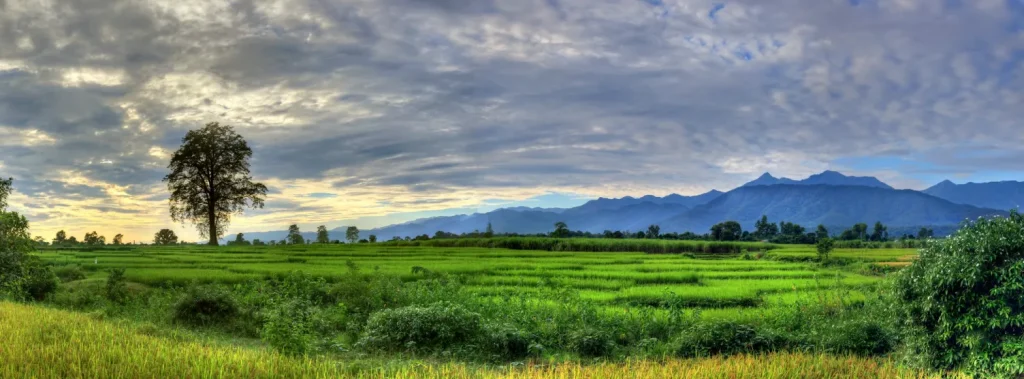
Parsa National Park lies in Nepal’s central-southern Terai, directly east of Chitwan National Park. Covering approximately 637 square kilometres, it was originally designated as a wildlife reserve before being upgraded to national park status.
This upgrade was not symbolic. It reflected measurable ecological recovery and increasing wildlife presence, particularly of large mammals once pushed out by settlement and agriculture.
Defining Landscapes
- Dense sal forests
- Riverine woodlands
- Mixed grassland patches
- Undulating lowland terrain rather than flat plains
Unlike Shuklaphanta’s openness or Chitwan’s river systems, Parsa feels enclosed and inward-looking. Forest dominates. Sightlines are short. Movement happens quietly, often unseen.
This is corridor country.
Why Parsa Matters: Corridors Over Icons
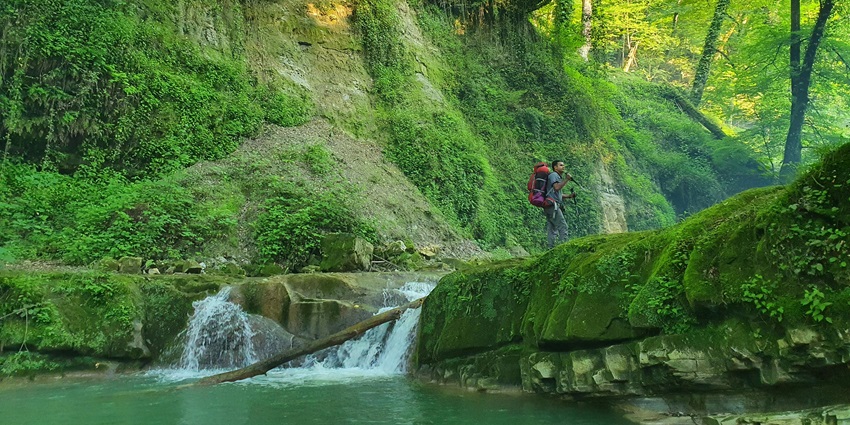
Parsa’s greatest value is not as a standalone wildlife destination, but as a connective landscape.
Ecological Role
- Forms a contiguous forest block with Chitwan
- Links wildlife movement routes toward eastern Nepal and India
- Expands viable habitat for wide-ranging species
In conservation terms, corridors are everything. Without them, protected areas become isolated islands. With them, ecosystems breathe.
Parsa represents a shift away from isolated parks toward landscape-scale conservation, a model increasingly recognised as essential for long-term survival.
Wildlife of Parsa National Park
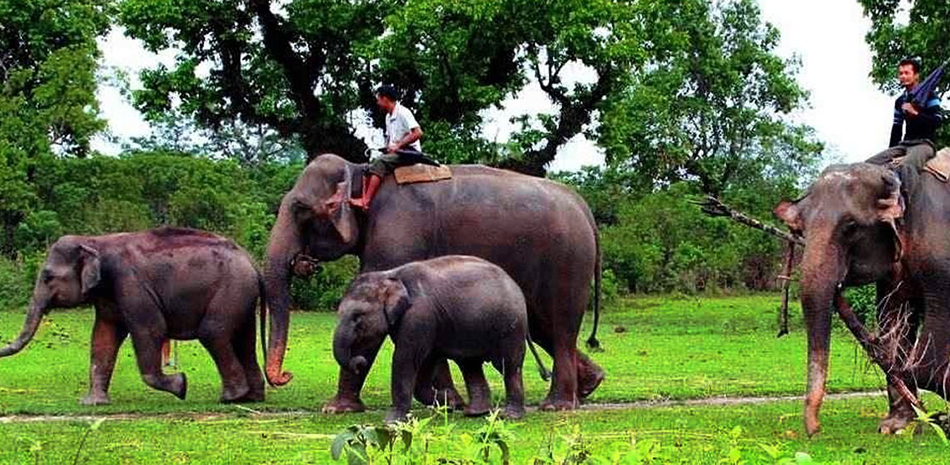
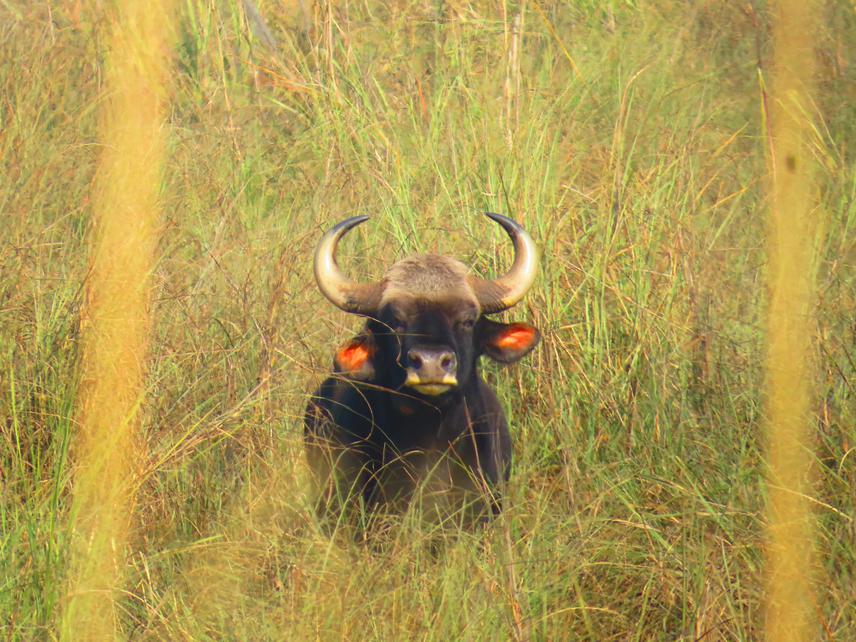
Parsa’s wildlife profile is similar to Chitwan’s, but quieter, less visible, and still re-establishing itself.
Mammals
- Bengal tiger (increasing presence)
- Asian elephant (seasonal movement)
- Leopard
- Sloth bear
- Wild dog (dhole)
- Sambar, chital, hog deer
Wildlife densities are lower than in Chitwan, but signs, tracks, camera-trap data, and occasional sightings indicate a steady return.
Parsa is not about spectacle. It is about potential.
Birds
Birdlife is rich, particularly in forest interiors:
- Hornbills
- Woodpeckers
- Raptors
- Seasonal migrants
For patient observers, mornings in the forest can be unexpectedly alive.
Forest Ecology: The Power of Recovery
Parsa’s forests are among the least disturbed in the central Terai.
Sal Forest Dominance
Sal (Shorea robusta) forms dense stands here, creating:
- Deep shade
- Cool understory
- Stable microclimates
These conditions support:
- Prey species recovery
- Predator concealment
- Reduced human intrusion
Unlike parks shaped by tourism infrastructure, Parsa’s ecology has been allowed to regrow quietly, without pressure to perform.
Human Context: Buffer Zones and Balance
Communities around Parsa rely heavily on agriculture, forest resources, and seasonal labour. Tourism is still a minor presence.
Life Around the Park
- Buffer-zone community forests
- Regulated resource use
- Ongoing human-wildlife conflict management
Because tourism income is limited, conservation here depends strongly on:
- Community forestry
- Government protection
- NGO-supported programs
Visitors are not the centre of the system, and that keeps expectations grounded.
Visiting Parsa National Park: What to Expect
Parsa is not built for casual tourism.
Access
- Road access from Birgunj or Hetauda
- Limited signage
- Functional park infrastructure
Planning ahead is essential. Spontaneous visits often lead to disappointment, not because there is nothing to see, but because nothing is staged.
Permits
- Standard national park entry permit
- Additional fees for guided access
Independent exploration is restricted. Guided visits are strongly encouraged and often required.
Safari and Exploration: Subtle, Structured, and Sparse
Parsa does not offer a wide menu of safari activities.
Jeep Safaris
- Limited routes
- Focus on monitoring rather than chasing sightings
- Often shared with conservation patrols
Encounters are unpredictable. Some days are quiet. Others offer fleeting but meaningful moments, an elephant crossing, fresh tiger pugmarks, alarm calls rippling through the forest.
Walking and Observation
- Highly controlled
- Mostly for research, conservation, or special interest groups
Parsa’s value lies in process, not product.
Best Time to Visit Parsa National Park
Winter (November–February)
- Cooler temperatures
- Easier movement
- Better visibility
Spring (March–April)
- Dry forest conditions
- Increased animal movement
Summer (May–June)
- Hot
- Wildlife concentrated near water
Monsoon (July–September)
- Dense vegetation
- Limited access
- Not ideal for visitors
For most travellers, January to March is the most practical window.
Accommodation: Minimal and Purpose-Driven
There are very limited accommodation options near Parsa.
What to Expect
- Basic guesthouses in nearby towns
- No luxury lodges
- Limited dining options
Most visitors stay outside the park and travel in for day visits.
Parsa does not yet support extended leisure stays, and that is intentional.
Food and Supplies: Plan Outside the Park
Supplies within the immediate park area are minimal.
Travellers should:
- Carry water and essentials
- Eat in nearby towns
- Avoid expecting services inside the park
Parsa is not a hospitality destination. It is a conservation landscape first.
Parsa as Slow Travel: Learning to Value the Incomplete
Parsa challenges common travel expectations.
There may be:
- No major sightings
- No dramatic moments
- No stories that fit neatly into highlight reels
What it offers instead is context.
You see how forests recover.
You notice how wildlife returns gradually.
You understand why patience matters in conservation.
This makes Parsa especially meaningful for:
- Repeat visitors to Nepal
- Conservation-minded travellers
- Those curious about how protected areas evolve
Conservation Significance and Ongoing Challenges
Parsa plays a crucial role in:
- Tiger landscape connectivity
- Elephant movement routes
- Genetic exchange between populations
Key Challenges
- Poaching risk
- Encroachment pressure
- Limited funding due to low tourism
Its success will likely never be measured by visitor numbers, but by what continues to move through it unseen.
Who Parsa National Park Is For
Ideal For
- Conservation enthusiasts
- Repeat Nepal travellers
- Researchers and students
- Travellers interested in process over payoff
Not Ideal For
- First-time Nepal visitors
- Wildlife photography trips
- Luxury or leisure-focused travel
Parsa is not about fulfilment.
It is about understanding.
How Parsa Fits Into a Nepal Journey
Parsa works best when:
- Paired with Chitwan for contrast
- Included as an educational extension
- Treated as a short, purposeful visit
Seeing Chitwan first, then Parsa, reveals the difference between established conservation success and emerging ecological recovery.
That contrast is powerful.
Final Reflection: Why Parsa Deserves Attention
Parsa National Park will never compete with Nepal’s famous destinations, and it shouldn’t try to.
Its importance lies not in what it shows visitors today, but in what it quietly makes possible for tomorrow.
Forests reconnect.
Animals move freely.
Systems heal slowly.
In a travel culture obsessed with immediacy, Parsa stands for something else entirely:
The value of patience.
And for those willing to appreciate a landscape still becoming itself, that patience is richly rewarded, even if the reward is not always visible.
Related Posts
Stay Informed With the Latest & Most Important News
Previous Post
Next Post
- Pokhara Travel Guide: Everything to See, Do, and Eat at Nepal’s Lakeside Gem

- Everest Base Camp vs Annapurna Circuit: Which Epic Trek Is Right for You?
- The Newari Feast: A Guide to Nepal’s Most Elaborate Food Tradition

- Solo Female Travel in Nepal: What You Actually Need to Know
- Mardi Himal Trek: The Quieter Trail to Nepal’s Most Photogenic Peak