Now Reading: Nepal vs Bhutan: Which Himalayan Kingdom Should You Visit First?
-
01
Nepal vs Bhutan: Which Himalayan Kingdom Should You Visit First?
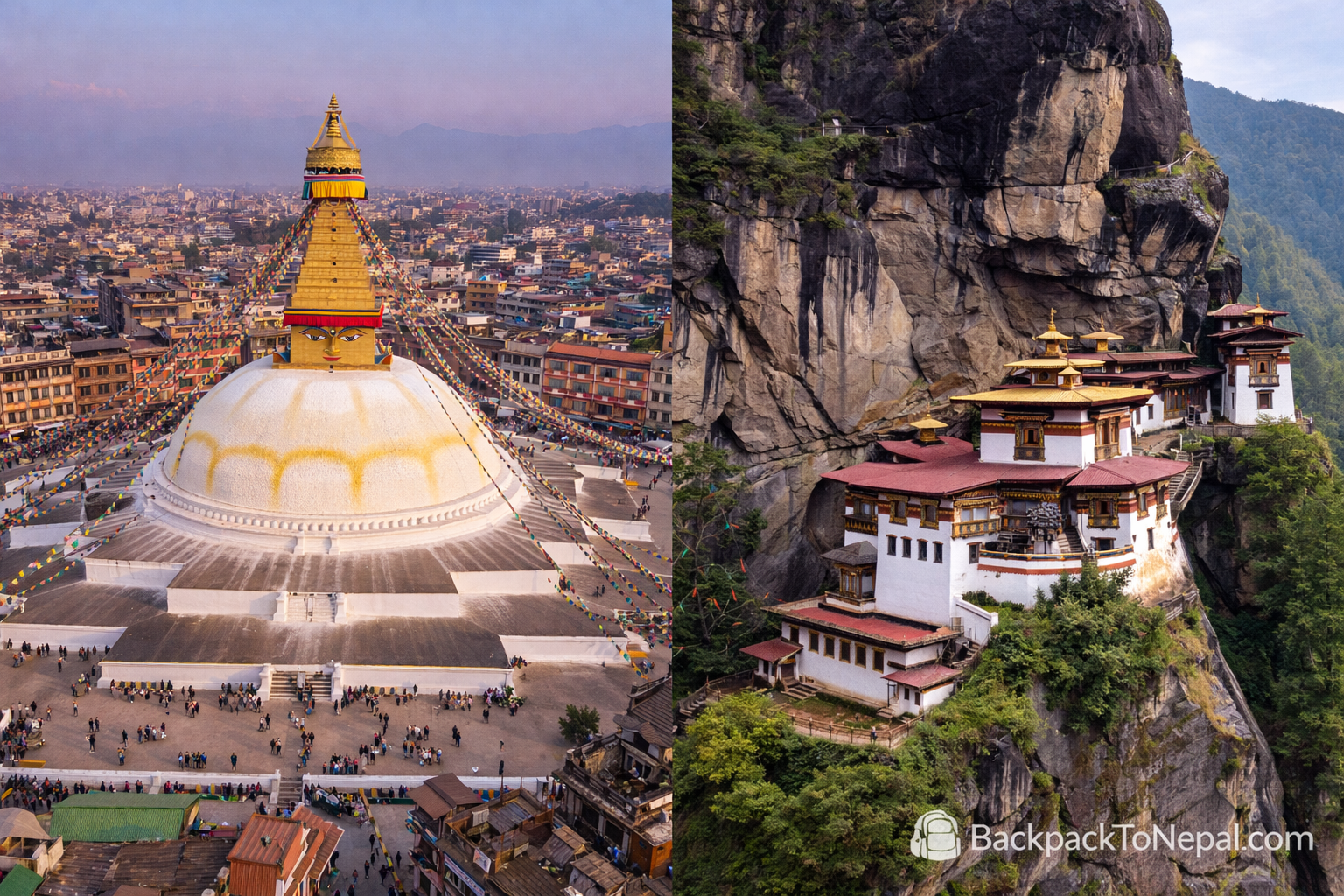

Nepal vs Bhutan: two Himalayan kingdoms, one big decision. Here's an honest, practical comparison to help you choose the right destination first.
You’ve been dreaming of the Himalayas for years. You’ve scrolled through countless photos of snow-capped peaks, ancient monasteries draped in prayer flags, and trails that wind through some of the most breathtaking scenery on earth. And now you’ve narrowed it down to two extraordinary destinations: Nepal and Bhutan. Both are tucked into the eastern Himalayas, both carry a powerful spiritual energy, and both will absolutely stop you in your tracks. So which one should you visit first?
That question is more loaded than it sounds. Because while Nepal and Bhutan share a mountain range and a deep Buddhist heritage, the experience of travelling in each country is remarkably different. The cost is different. The accessibility is different. The crowds, the culture, the paperwork… all different. This comparison is honest, practical, and designed to help you make the right call for your budget, your travel style, and where you are right now in your journey as a traveller.
Spoiler: if you’re visiting one of them for the first time, Nepal is almost certainly the smarter first move. Here’s exactly why.
The Cost Difference: Nepal Wins by a Country Mile
Let’s get the big one out of the way first, because it genuinely shapes everything else about how you plan your trip.
Nepal is one of the most affordable destinations in Asia. A luxury hotel accommodation in Kathmandu or Pokhara can cost as little as $15 to $25 per night. A plate of steaming dal bhat, the national dish and arguably the greatest value meal in the world, will set you back somewhere between $2 and $5. Trekking permits for popular routes like the Annapurna Circuit or the Everest Base Camp trail are extremely reasonable, and while you’ll want to factor in a licensed guide (highly recommended), your total daily spend on a mid-range Nepal trip can sit comfortably around $50 to $80 per day if you’re being sensible.
Bhutan operates on an entirely different financial model. The government requires all international visitors (except citizens of India, Bangladesh, and the Maldives) to pay a Sustainable Development Fee (SDF) of $100 per person per night, on top of booking a minimum daily package through a licensed Bhutanese tour operator. That package covers accommodation, meals, a guide, and transportation, but the all-in daily cost typically lands between $200 and $300 per person. For a ten-day trip, you’re looking at $2,000 to $3,000 before you’ve even bought your flights.
Bhutan’s fee structure is intentional: it’s designed to limit tourist numbers and protect the country’s culture and environment. And it works beautifully for that purpose. But for most travellers, especially those visiting the Himalayas for the first time, that price point is simply out of reach, or at least hard to justify when Nepal offers so much at a fraction of the cost.
Getting There: Nepal Is Far Easier to Access
Tribhuvan International Airport in Kathmandu is a well-connected hub with direct or one-stop flights from major cities across Asia, the Middle East, and Europe. Airlines like Qatar Airways, Turkish Airlines, Air India, and several budget carriers serve the route, meaning you can often find competitive fares with a bit of advance planning. Once you land, a tourist visa is available on arrival for most nationalities, with a 15-day visa costing $30, a 30-day visa at $50, and a 90-day visa available for $125. The process takes about twenty minutes at the airport. Straightforward, affordable, done.
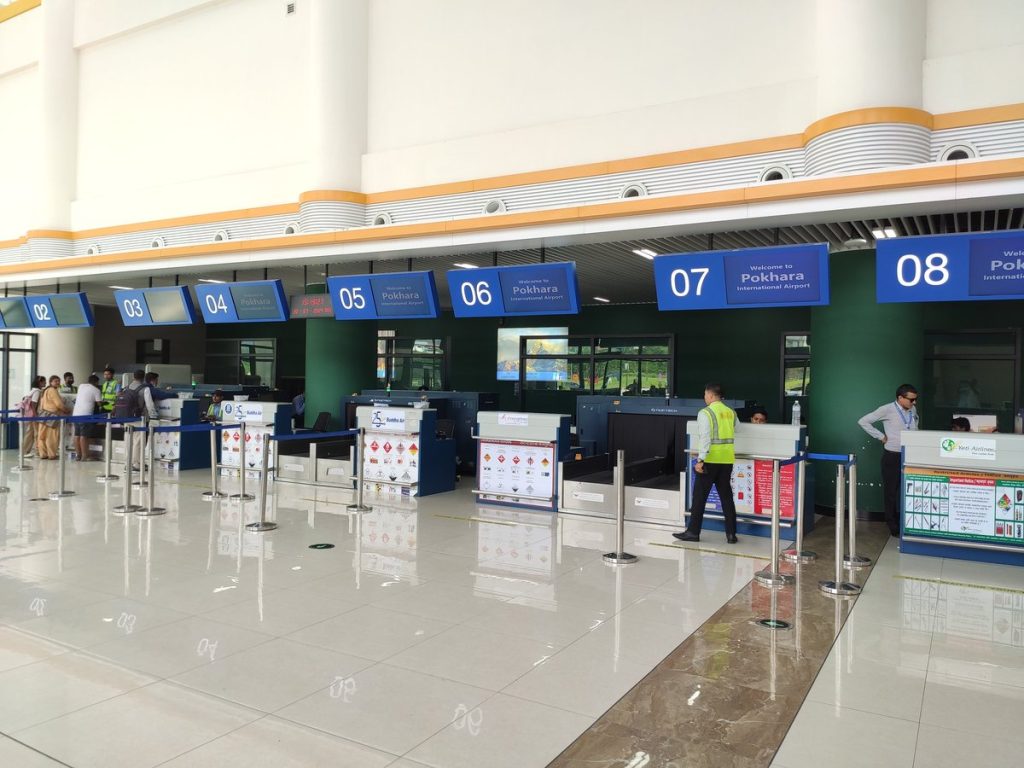
Getting into Bhutan is considerably more involved. You must book all travel through a government-approved Bhutanese tour operator before you arrive, and your visa is only issued once your operator has confirmed and paid for your trip. There are limited entry airports (Paro is the main one), and flying into Paro is an experience in itself: the descent through mountain valleys is considered one of the most dramatic approaches in commercial aviation. Only a handful of airlines fly the route, and fares are typically high because of the limited competition and the remoteness of the destination.
None of this makes Bhutan impossible to visit. It just adds multiple layers of advance planning, communication with an operator, and financial commitment that can feel daunting if you’re not yet sure what you want from a Himalayan trip.
Trekking: Two Great Options, One Clear Winner for Beginners
Both countries offer outstanding trekking. Nepal, though, is simply in a different league when it comes to the breadth, variety, and infrastructure of its trails.
Trekking in Nepal
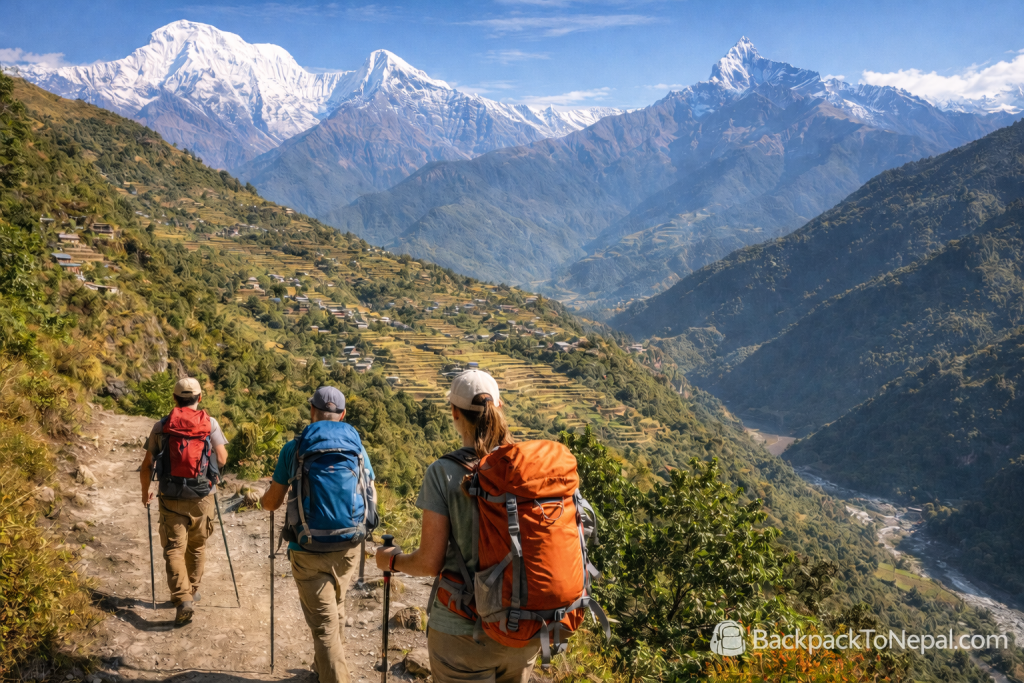
Nepal is home to eight of the world’s fourteen eight-thousanders, including Everest, Kangchenjunga, Lhotse, and Makalu. Its trekking routes range from gentle two-day hill walks above Pokhara to multi-week expeditions deep into the remote Dolpo or Upper Mustang regions. The Annapurna Base Camp trek can be completed in around seven to ten days and is accessible to fit travellers with no technical mountaineering experience. The Everest Base Camp trek, roughly twelve to fourteen days, is one of the most iconic long-distance walks on earth. Along the way, teahouse culture is alive and welcoming: you’ll sleep in cosy lodges, eat hot meals, and swap stories with trekkers from every corner of the world.
The trail infrastructure in Nepal has been developed over decades. Route maps are widely available, mobile data often works on popular trails, and teahouses provide warm beds, charging points, and dal bhat in abundance. You can trek independently on most routes (though hiring a local guide is strongly encouraged for safety and for the invaluable local knowledge they bring), and the permit system is straightforward to navigate.
Trekking in Bhutan
Bhutan’s trekking is extraordinary but deliberately less developed. The Snowman Trek, often cited as one of the toughest long-distance treks in the world, crosses high passes above 5,000 metres through some of the most isolated terrain imaginable. The Druk Path Trek, a five-to-six-day trail linking Paro and Thimphu, offers stunning scenery and is more accessible for moderately fit trekkers. But in Bhutan, all trekking must be done through your tour operator, complete with a guide and a support crew. There are no independent trails in the way Nepal offers them.
If raw trekking variety, freedom, and value are your priority, Nepal wins this round comfortably.
Culture and Spirituality: A Tale of Two Kingdoms
This is where the comparison gets genuinely interesting, because both countries are deeply spiritual places, and both will move you in ways that are hard to articulate until you’ve been there.
Nepal’s Cultural Richness
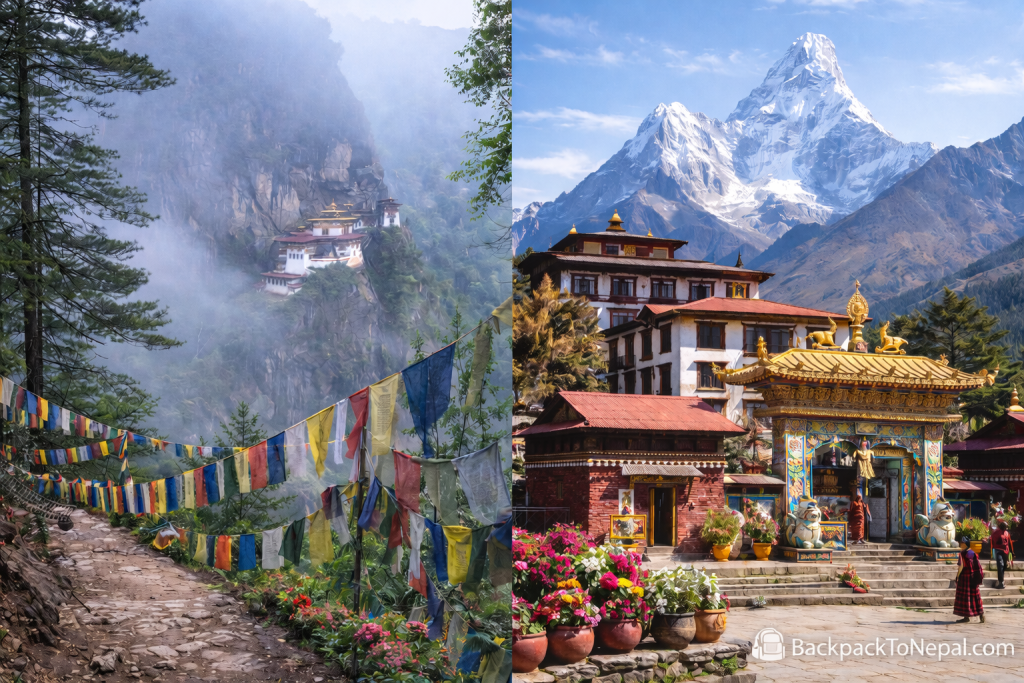
Nepal is a country where ancient Hindu temples and Buddhist stupas sit side by side, where festival calendars are packed with colour and ceremony, and where the Newari culture of the Kathmandu Valley has produced some of the most intricate religious architecture you’ll find anywhere in Asia. Pashupatinath Temple, Boudhanath Stupa, and Swayambhunath (the “Monkey Temple”) are all within easy reach of Kathmandu city and collectively represent thousands of years of living religious tradition.
Walk through Bhaktapur’s Durbar Square at dusk and you’ll hear temple bells ringing, smell incense drifting through the narrow lanes, and watch potters shaping clay on wheels just as their ancestors did centuries ago. Nepal’s culture is accessible, open, and incredibly generous with itself. Festivals like Dashain, Tihar, and Indra Jatra spill out into the streets and invite visitors in rather than shutting them out.
Bhutan’s Living Buddhist Culture
Bhutan is often described as the last Shangri-La, and while that label is well-worn, it carries a grain of truth. The country has consciously protected its cultural identity in a way few nations have managed. Traditional dress (the gho for men, the kira for women) is required in dzongs and official buildings. Gross National Happiness, the government’s guiding philosophy, shapes everything from infrastructure development to environmental policy. Visiting the Tiger’s Nest Monastery (Taktsang), which clings to a sheer cliff 900 metres above the Paro Valley floor, is one of the most profound experiences the Himalayas can offer.
Bhutan’s cultural experience feels less accessible but more preserved. There are fewer outside influences, fewer tourist trappings, and a sense that you are glimpsing something genuinely rare. That said, this pristine quality comes precisely because of the limited visitor numbers, which circles back to the cost.
Crowds and Atmosphere: A Question of What You’re After
Nepal receives roughly one million international tourists per year (pre-pandemic figures have been recovering steadily since 2022). Popular sites like Thamel in Kathmandu and the lakeside area of Pokhara are busy, colourful, and sometimes chaotic. The Everest Base Camp trail in peak season, October to November and March to April, sees hundreds of trekkers a day on some sections. If you’re seeking solitude on a budget trail, you may need to put in a little more research and choose your route carefully. But the energy of Nepal’s tourist hubs is part of the experience: the chai shops, the gear stores, the rooftop restaurants with mountain views, the conversations with fellow travellers from everywhere.
Bhutan, by design, sees far fewer visitors: roughly around 200,000 international tourists in a strong year. The country feels quiet, contemplative, and unhurried. If you crave peace and genuine off-the-beaten-path solitude, Bhutan delivers it in a way Nepal simply cannot at its most popular spots.
The trade-off is real. That solitude in Bhutan comes at a steep price, both financially and in terms of travel freedom. Nepal gives you the tools to find your own quiet corners if you’re willing to venture slightly beyond the well-worn routes.
Visa Complexity: Nepal Keeps It Simple
Nepal’s on-arrival visa is one of the easiest in Asia. Most nationalities simply show up, fill in a form, pay the fee, and receive a stamp. That’s genuinely it. There are no prior approvals needed, no operator bookings required, and no minimum spend commitments. You can book a flight to Kathmandu on relatively short notice and walk into the country with the most minimal of bureaucratic fuss.
Bhutan requires you to secure a visa before travel, and that visa is only issued after your tour operator has submitted your confirmed itinerary and received payment. The visa itself is $40, but it’s the mandatory pre-booking of an approved tour that adds complexity. Changing plans mid-trip is more difficult because your itinerary is locked in. For spontaneous travellers or those who prefer to plan loosely, this level of structure can feel restrictive.
So, Which Should You Visit First?
Here’s the honest answer: visit Nepal first, and visit it soon.
Nepal gives you the full Himalayan experience, the incredible trekking, the ancient culture, the spiritual depth, the mountain views, at a price that is genuinely accessible to most travellers. It rewards spontaneity and careful planning in equal measure. It’s a place where a solo traveller on a shoestring and a couple on a luxury hotel itinerary can both have the trip of a lifetime, often on the same trail.
Bhutan is a destination that deserves a place on any serious traveller’s list. But it’s a considered, deliberate trip: something to plan for, save for, and savour when you’re ready to invest both time and money into a very specific kind of experience. Many travellers find that having Nepal under their belt first actually enriches a later Bhutan trip, because you arrive with context: you understand Himalayan trekking culture, Buddhist traditions, and mountain geography in a way that makes Bhutan a follow-on experience.
Think of it this way: Nepal is the introduction to the Himalayas, and Bhutan is the subsequent edition. You wouldn’t skip the introduction.
Quick Comparison at a Glance
| Factor | Nepal | Bhutan |
|---|---|---|
| Daily Budget | $50 to $100 | $200 to $300+ |
| Visa | On arrival, $30 to $125 | Pre-arranged via the operator |
| Trekking Freedom | High (independent possible) | Low (guided only) |
| Crowd Levels | Moderate to busy | Very low |
| Flight Access | Easy, many carriers | Limited, expensive |
| Cultural Richness | Exceptional | Exceptional |
| Best For | First-timers, trekkers, independent travellers | Solitude seekers, managed tour travellers |
Start Your Himalayan Journey in Nepal
The mountains are calling. The trails are waiting. And somewhere in the Kathmandu Valley, a plate of dal bhat is sitting on a teahouse table with your name on it. Nepal is ready for you right now, no SDF fee, no mandatory operator, no minimum spend required. Just a visa on arrival, an open itinerary, and one of the most rewarding travel experiences on the planet.
Start planning your Nepal trip today. Explore your trekking options, map out the temples you want to visit, and book that flight to Kathmandu. Bhutan will still be there, waiting patiently, when the time is right. But your Nepal adventure? That one starts now.
Related Posts
Stay Informed With the Latest & Most Important News
Previous Post
Next Post
- Nepal vs Bhutan: Which Himalayan Kingdom Should You Visit First?
- Respect Nepal: The Travel Etiquette Crisis Hurting Local Communities (And What Responsible Visitors Must Know)
- The Digital Nomad’s Guide to Nepal: WiFi, Co-working, Visas, and Living Costs
- Nepal’s Festival Calendar 2026: Plan Your Trip Around the Celebrations
- Pokhara Travel Guide: Everything to See, Do, and Eat at Nepal’s Lakeside Gem