Now Reading: 5 Places in Nepal That Still Feel Undiscovered (And Why You Should Go Slowly)
-
01
5 Places in Nepal That Still Feel Undiscovered (And Why You Should Go Slowly)
5 Places in Nepal That Still Feel Undiscovered (And Why You Should Go Slowly)

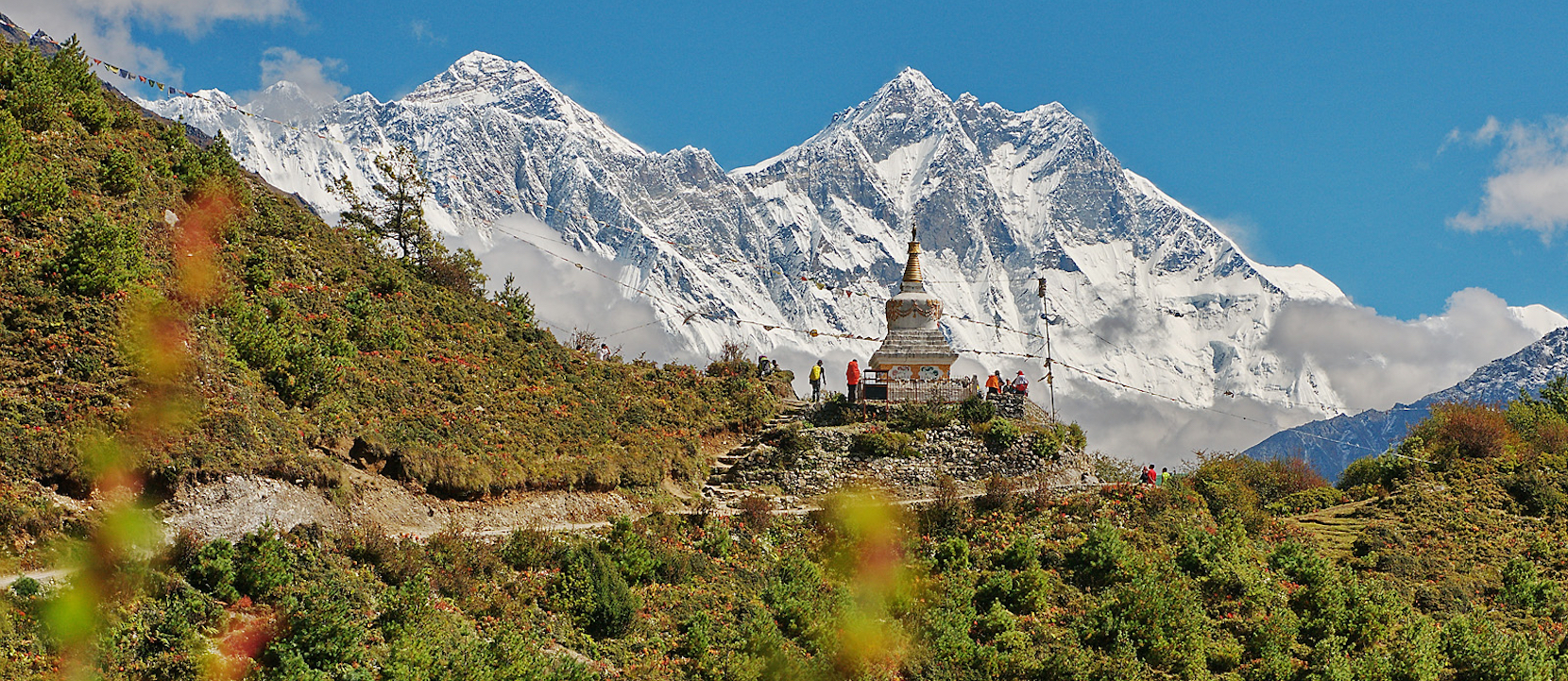
Nepal is often understood through its extremes: the world’s highest mountains, chaotic city streets, and dramatic treks measured in altitude gained and days endured. For many travellers, the country becomes a sequence of highlights: arrive, see, move on.
But there is another Nepal, quieter and more patient, stretching from the high Himalayan borders to soft eastern hills, from arid trans-mountain valleys to forested lake basins. In this side of Nepal, distance is measured less by kilometres and more by attention. These are places that do not reveal themselves quickly, and they are rarely impressed by urgency.
Some are hidden by geography. Others by belief, weather, or the simple fact that they ask visitors to slow down when most are trained to rush.
What follows are five places across Nepal, north, west, centre, trans-Himalaya, and east, that still feel undiscovered, not because they are inaccessible, but because they resist consumption. Each rewards travellers who arrive without a checklist and stay long enough to listen.
1. Tsum Valley – Where Tibetan Culture Still Breathes Daily Life
Tucked deep into the northern reaches of Gorkha, near the Tibetan border, Tsum Valley is not simply remote; it is culturally preserved.
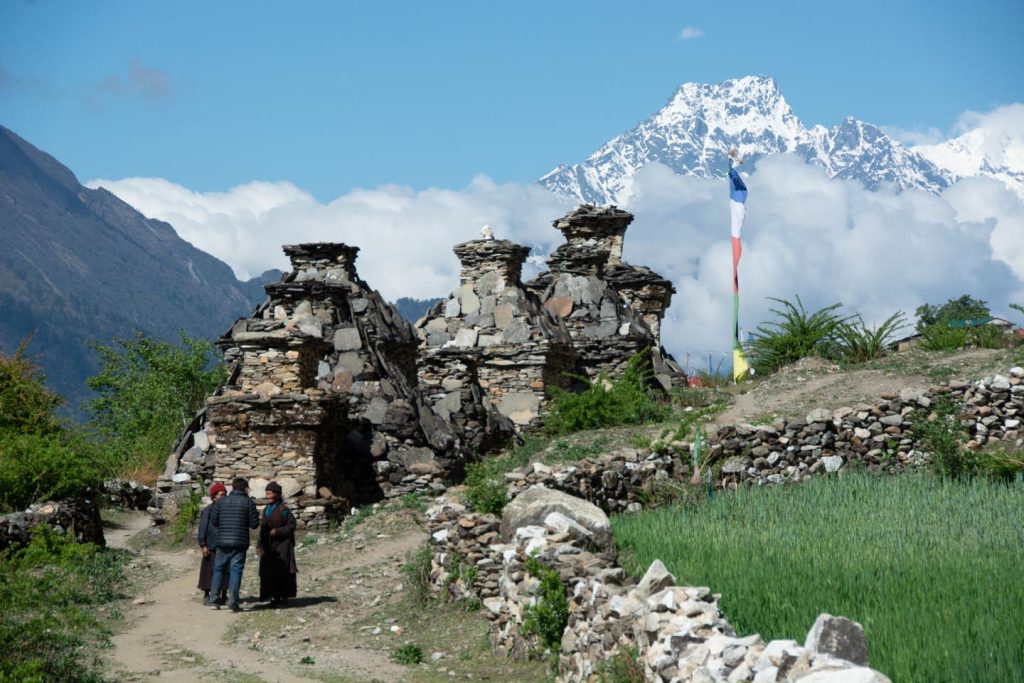
This valley is recognised as a beyul, a sacred hidden land in Tibetan Buddhism. Here, monasteries are not curated heritage sites; they are lived spaces. Prayer wheels turn because villagers turn them every day. Mani walls line footpaths because faith here is woven into movement itself.
Life unfolds quietly:
- Tibetan is spoken in homes and fields
- Monks and farmers share the same paths
- Hospitality is offered without transaction
- Ritual shapes the calendar more than tourism seasons
There are no polished itineraries or comforts designed for speed. Even the walk into Tsum encourages restraint; steep paths, high altitude, and long days naturally limit how fast you can go.
Why slow travel matters here:
Tsum Valley is not a place to “see.” It is a place to observe. Staying longer allows you to understand how belief structures daily life, how isolation protects identity, and how patience is not taught but assumed.
2. Rara Lake – Solitude Over Spectacle
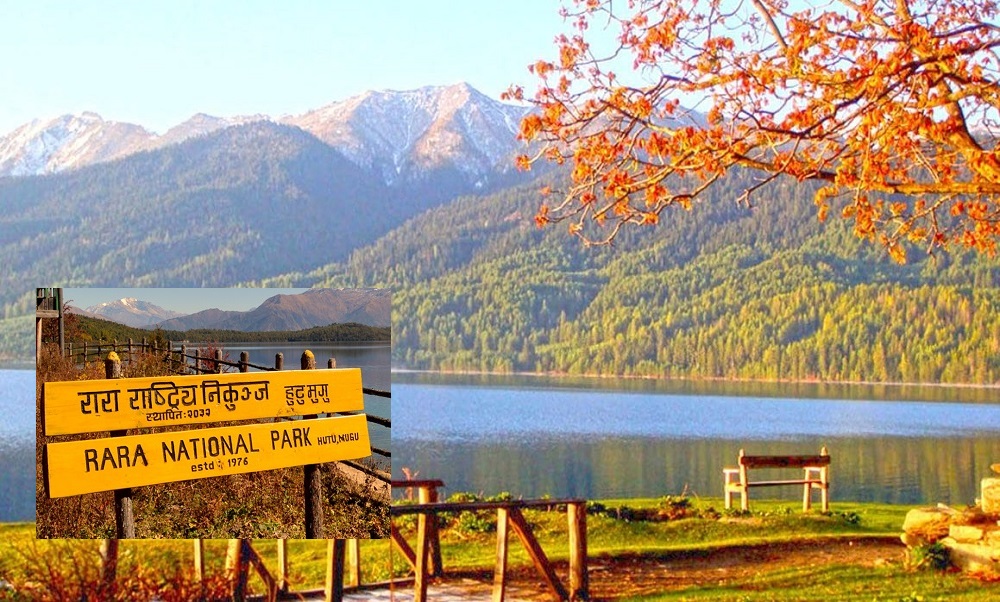
In Nepal’s far west, beyond the main trekking corridors, lies Rara Lake, Nepal’s largest lake and one of its quietest landscapes.
Getting here takes time. Roads are rough. Flights are irregular. Comfort is minimal. And because of this, Rara remains largely untouched by mass tourism.
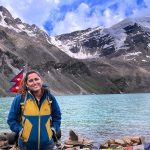
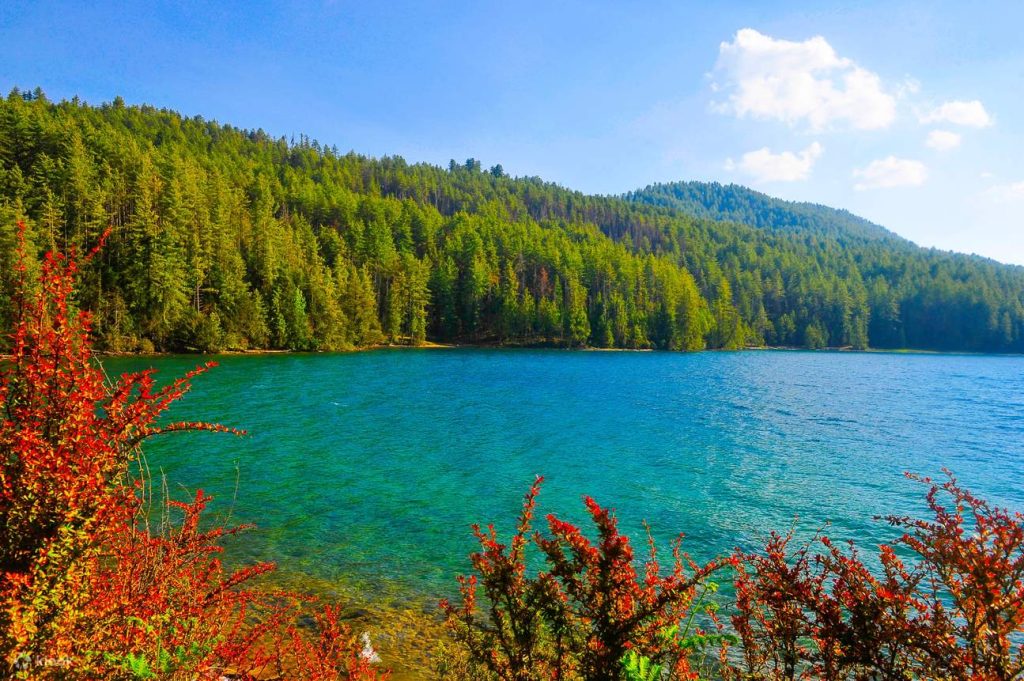
The lake itself is calm rather than dramatic. Pine forests slope gently into blue water. Snow peaks reflect softly in the morning. Silence dominates.
Surrounding villages move at an unhurried pace, unbothered by the rest of the world:
- Mornings shaped by weather, not schedules
- Afternoons spent walking, waiting, watching
- Evenings marked by firelight and conversation
Why slow travel matters here:
Rara is not impressive at first glance, it becomes meaningful through repetition. Walking the same shoreline, sitting without distraction, allowing stillness to stretch time. This is a place that reminds travellers that solitude is not emptiness, but presence.
3. Kalinchowk – Where Belief Shapes the Landscape
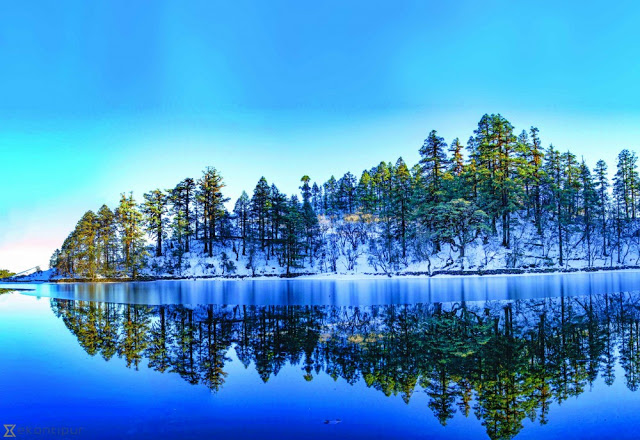
Kalinchowk is rarely marketed as a destination. It is known primarily as a pilgrimage site, especially during winter when snow transforms the hilltop shrine of Kalinchowk Bhagwati into a place of devotion and endurance.
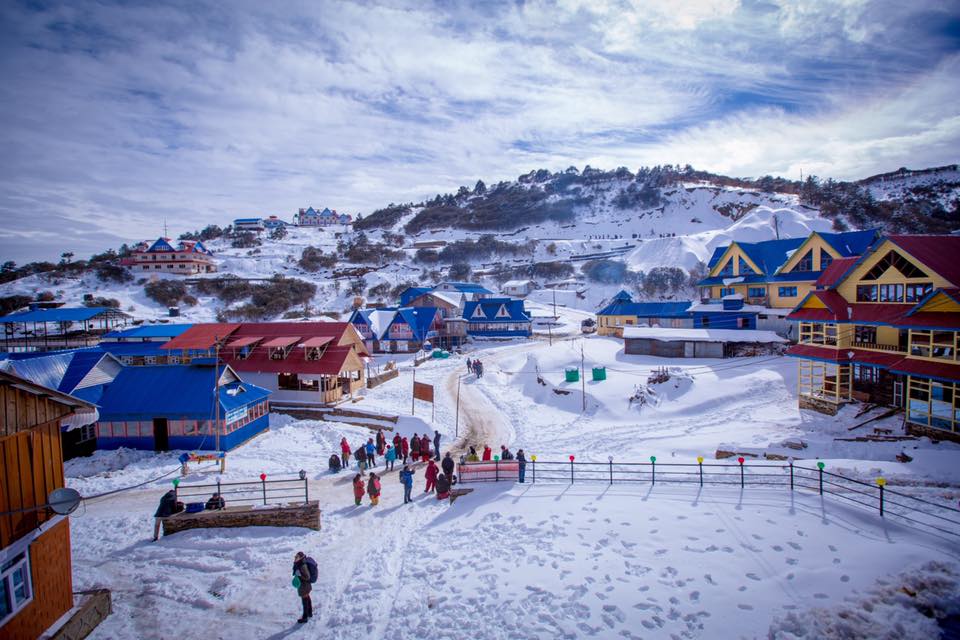
For Nepali people, Kalinchowk is not about panoramic views; it is about faith fulfilled slowly.
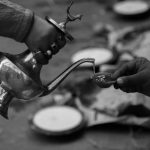
Pilgrims arrive on foot, by bus, sometimes by cable car, often enduring cold and uncertainty. Tea stalls remain open in harsh conditions, not for profit, but for service. Prayers are offered quietly, without spectacle.
Why slow travel matters here:
To rush through Kalinchowk is to miss its essence. Understanding comes from watching, listening, and recognising that belief, not tourism, defines the rhythm of this place. Slow travel here is an act of respect.
4. Dolpo – Geography That Shapes Unique Identity
Dolpo exists beyond convenience. Shielded by high passes and harsh terrain, it remains one of Nepal’s most isolated regions, not by design, but by geography.
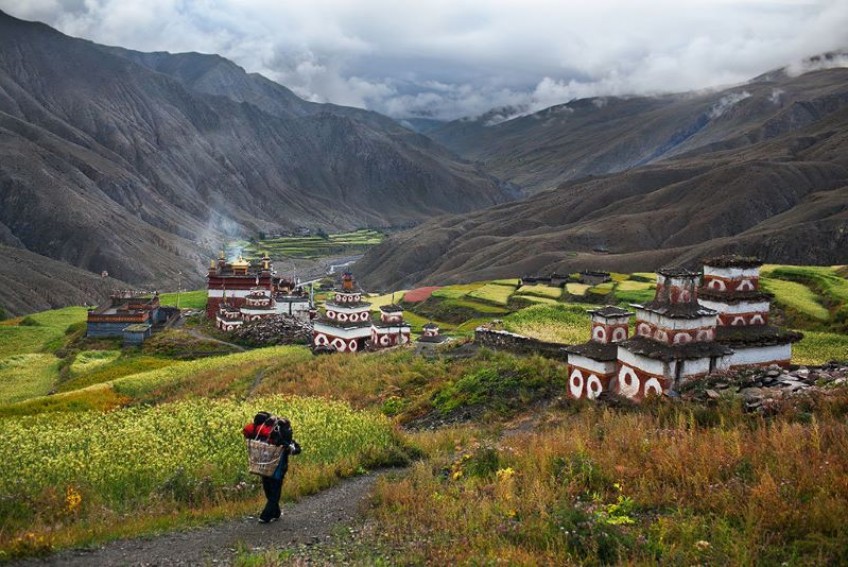
This isolation has preserved more than landscapes. It has shaped culture, survival strategies, and identity itself.
Villages depend on barley, yaks, and trade routes that predate modern borders. Bon and Buddhist traditions coexist naturally. Time is governed by seasons, not calendars.
Shey Phoksundo Lake may draw attention, but it is only one moment in a much larger narrative of endurance.
Why slow travel matters here:
Dolpo does not adapt to travellers’ expectations. Weather dictates movement. Trails decide progress. Plans change without apology. To move slowly here is not a preference; it is reality. And in accepting that, travellers gain rare insight into a life shaped entirely by environment.
5. Ilam – The Quiet Hills Where Nepal Wakes Up Slowly
In eastern Nepal, far from high-altitude drama, Ilam offers a different kind of depth.
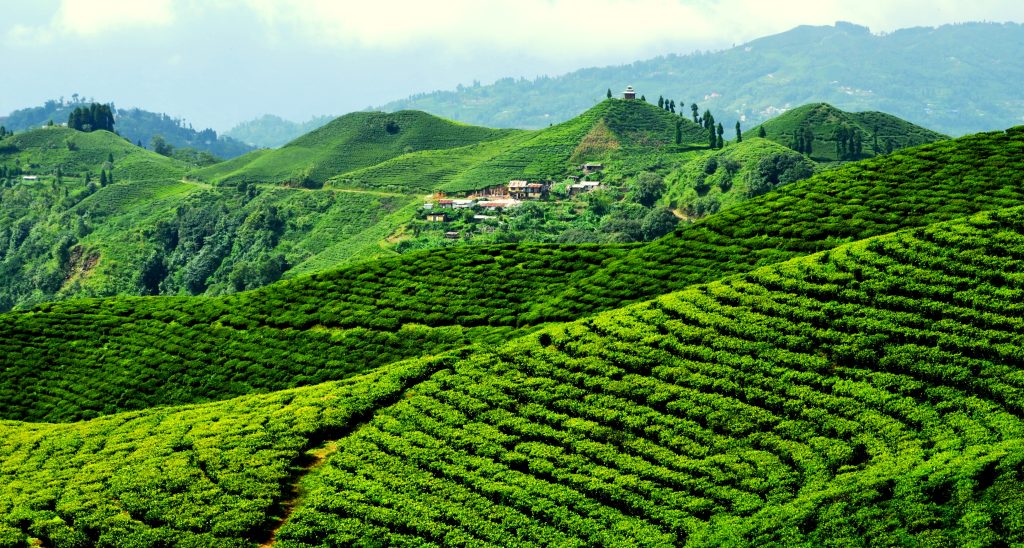
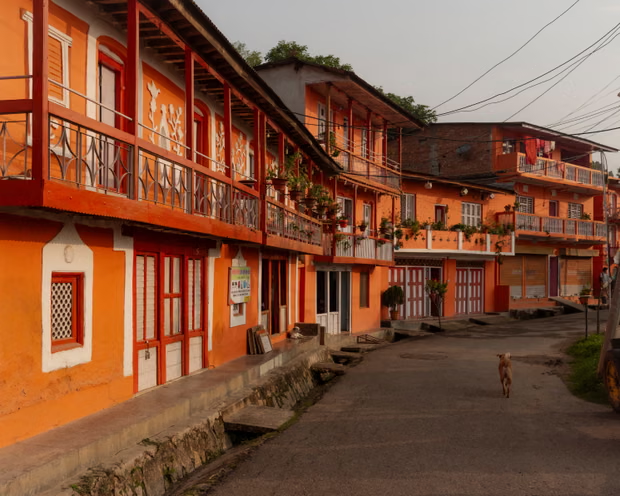
Rolling tea gardens replace jagged peaks. Misty mornings stretch lazily across hills. Villages feel lived-in rather than visited.
There is no singular attraction demanding attention. Instead, meaning emerges through routine:
- Walking the same paths each morning
- Sharing tea with the same neighbours
- Watching clouds lift slowly from the valleys
Why slow travel matters here:
Ilam reveals itself through rhythm. Staying longer allows you to see how gentler geography shapes gentler pace, and how ordinary life, unremarkable on the surface, can be quietly profound.
Why Slow Travel Matters in Nepal
Nepal is not a country designed for speed.
Rushing compresses experiences into scenery. Slowing down transforms travel into an exchange with people, place, and self.
Slow travel in Nepal means:
- Staying longer in fewer places
- Choosing homestays over hotels
- Letting plans bend to the weather and conversation
- Listening more than documenting
It also means recognising that Nepal is not only a backdrop for adventure, but also a living society with its own tempo.
Final Thoughts
From the sacred isolation of Tsum Valley to the still waters of Rara, from the devotional heights of Kalinchowk to the resilient landscapes of Dolpo, and finally to the gentle hills of Ilam, these places share one thing in common: they resist being rushed.
They ask for patience. For humility. For presence.
Nepal does not reward speed.
It rewards those willing to arrive slowly and stay long enough to understand.
Related Posts
Stay Informed With the Latest & Most Important News
Previous Post
Next Post
- Pokhara Calling: Why Nepal’s Lakeside City Will Steal Your Heart (and When to Go)
- Beyond Dal Bhat: A Traveller’s Guide to the Foods of Nepal
- No More Solo Trekking: Everything You Need to Know About Nepal’s 2026 Trekking Rules
- The Mountains Are Still Calling: How to Reach Nepal When the Middle East Skies Are Closed
- Nepal’s 2026 Election: What Travellers Need to Know