
Now Reading: Nepal Beyond the Treks: 10 Experiences That Matter More Than Reaching Mountain Base Camps
-
01
Nepal Beyond the Treks: 10 Experiences That Matter More Than Reaching Mountain Base Camps
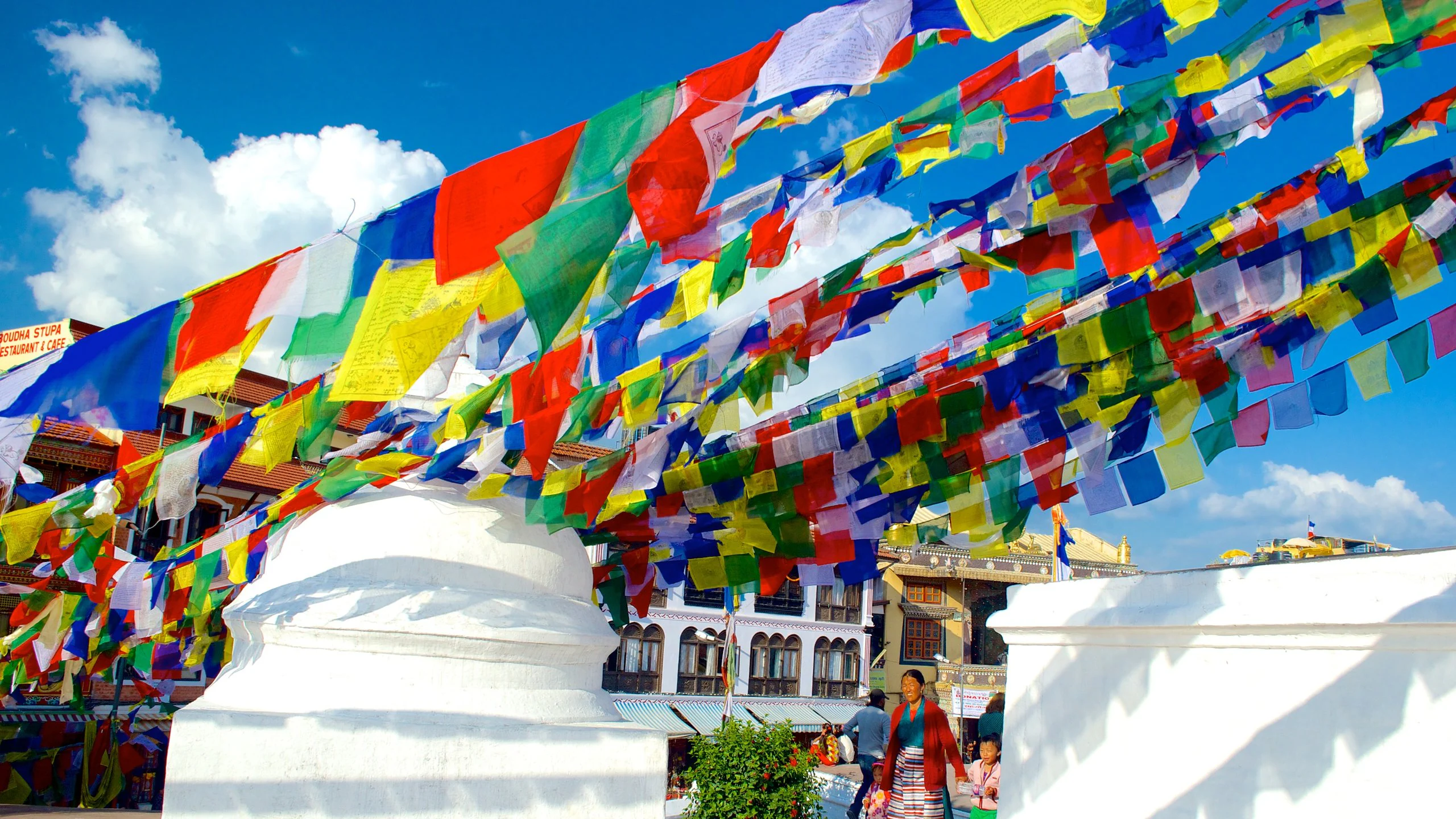
Nepal Beyond the Treks: 10 Experiences That Matter More Than Reaching Mountain Base Camps

There is a moment most travellers remember clearly, but rarely write about.
It’s not the first glimpse of Everest.
It’s not the prayer flags at Thorong La.
It’s not even the photo they post.
It’s sitting on a wooden bench in a roadside teahouse, rain tapping softly on a tin roof, hands wrapped around a glass of overly sweet milk tea, listening to conversations you don’t fully understand, but somehow feel part of.
Nepal doesn’t announce itself loudly.
It reveals itself slowly.
For decades, Nepal has been framed as a destination of achievements: Base Camps reached, passes crossed, summits ticked off. And while trekking remains one of the most powerful ways to experience the country, especially on routes like the Everest Base Camp Trek or the Annapurna Circuit Trek, it is not the only way, and often not the deepest one.
This article is about Nepal beyond the treks.
The experiences that shape how you understand the country, its people, and yourself, whether or not you ever lace up trekking boots.
Recommended Read: A Day Without a Plan: What Nepal Teaches You When You Stop Chasing Itineraries
1. Taking a Local Bus Instead of a Tourist Transfer
A local bus in Nepal is not a means of transport. It’s a social event.
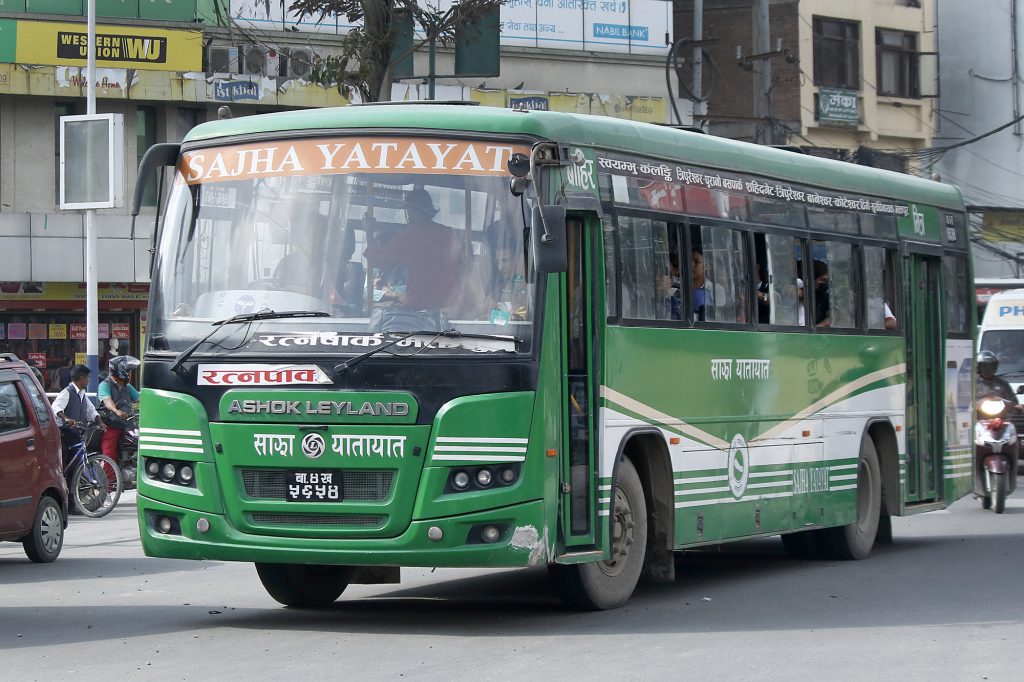
There’s music, usually louder than necessary.
There’s a conductor shouting destinations like an auctioneer.
There are sacks of rice, schoolchildren, grandmothers, and occasionally a goat or chicken if you are travelling in rural areas.
Tourist transfers are comfortable, predictable, and efficient. Local buses are none of those things, and that’s exactly why they matter.
You learn patience here. You learn humour. You learn that someone will always make space for you, even when there seems to be none. Conversations begin without shared language. Smiles become currency.
This is the kind of travel many first-time visitors skip, often unknowingly repeating one of the most common Nepal travel mistakes: insulating themselves from everyday life for the sake of comfort.
You also learn geography differently. The bends, the stops, the rhythm of villages unfolding and disappearing.
If you want to understand Nepal as a lived country, not just a scenic one, ride at least one local bus.
Recommended Read: Kathmandu in 2–3 Days: A Backpacker Itinerary (Food, Temples, Cheap Transport)
2. Staying in a Village Homestay (Not a Curated Experience)
A real homestay in Nepal doesn’t come with a welcome drink or a fixed itinerary.
It comes with:
- Morning chores
- Shared kitchens
- Curious questions
- Long evenings by the fire
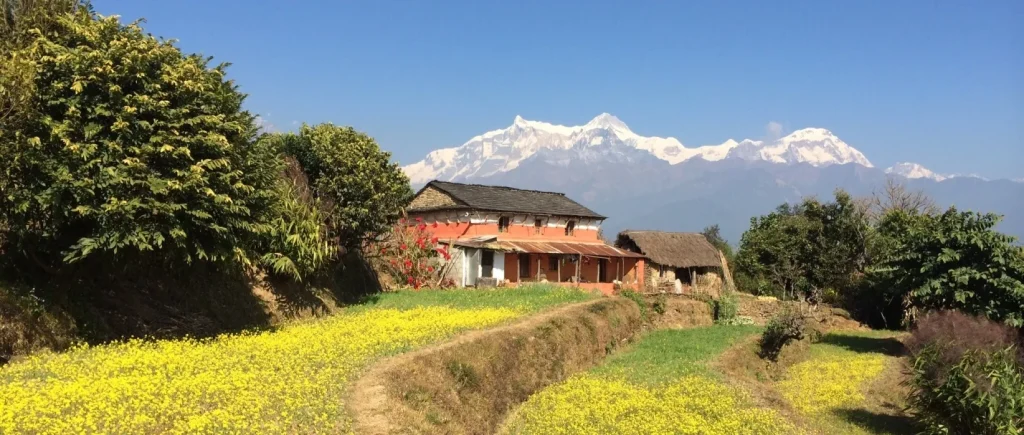
In villages, hosts don’t see themselves as service providers. They see you as a temporary addition to daily life. You eat what they eat. You wake when they wake. You adapt.
This is very different from the “homestay” label sometimes used in cities. If you are unsure what separates genuine village stays from surface-level versions, understanding how real Nepali homestays work can completely change how you plan your trip.
You begin to notice how much effort goes into everyday survival: carrying water, tending animals, growing food. And in the process, your own expectations soften.
If trekking shows you Nepal’s landscapes, homestays introduce you to its values.
Recommended Read: Living Like a Local in Nepal: Cultural Experiences You Won’t Find in a Guidebook
3. Eating Dal Bhat Every Day, and Finally Understanding Why
At some point, every traveller jokes about dal bhat.
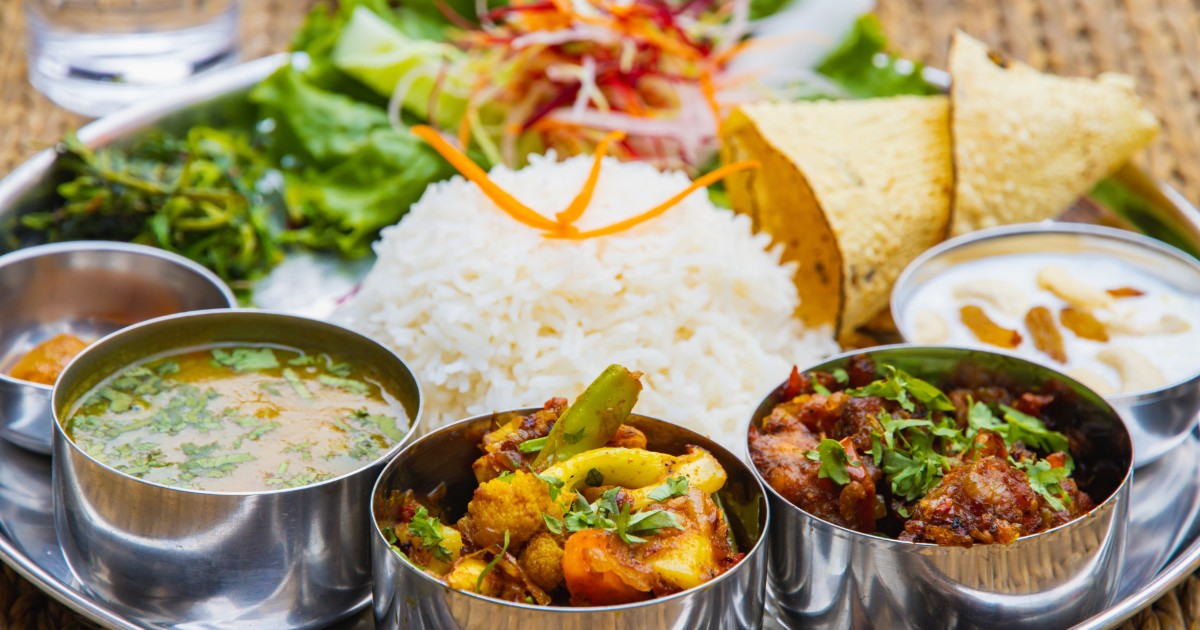
Then, quietly, they stop joking.
Dal bhat isn’t repetitive; it’s reliable. It fuels farmers, porters, drivers, and students. It’s balanced, warming, and endlessly adjustable. One plate can carry different meanings depending on where you eat it.
In a trekking lodge, it’s energy.
In a village, it’s care.
In a city home, it’s comfort.
Many trekkers first understand this on long routes like the Annapurna Circuit, where dal bhat becomes both sustenance and ritual. But the lesson applies everywhere, far beyond the trails.
Eating dal bhat daily aligns you with the local rhythm. Lunch becomes unhurried. Dinner becomes communal. Food stops being a novelty and starts being nourishment.
Nepal doesn’t impress through variety.
It sustains through consistency.
Recommended Read: Best Food to Try While Visiting Nepal: A Culinary Journey Through the Himalayas
4. Wandering Ancient Cities Without an Itinerary
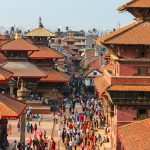
Places like Bhaktapur are often rushed.
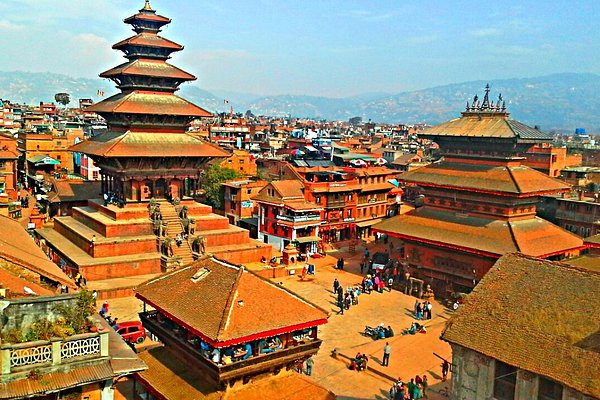
Visitors arrive with a checklist:
- Durbar Square
- Temple photos
- Souvenir shops
- Exit
But the real city exists in between.
It’s in courtyards where women dry rice.
In narrow alleys where children play cricket with bricks.
In quiet temples where no one looks up when you enter.
Travellers who rush through these cities often do so because they are trying to “fit everything in”, another classic first-time Nepal mistake. Ancient cities aren’t meant to be consumed efficiently.
Drop the itinerary. Walk slowly. Sit often. Let bells and footsteps guide you.
These places are not museums. They are living systems, and they reveal themselves only when you stop trying to “see” them.
Recommended Read: Top UNESCO World Heritage Sites in Nepal You Must Visit
5. Learning Patience Long Before Altitude Forces You To
People talk about altitude like it’s a mountain problem.
It isn’t.
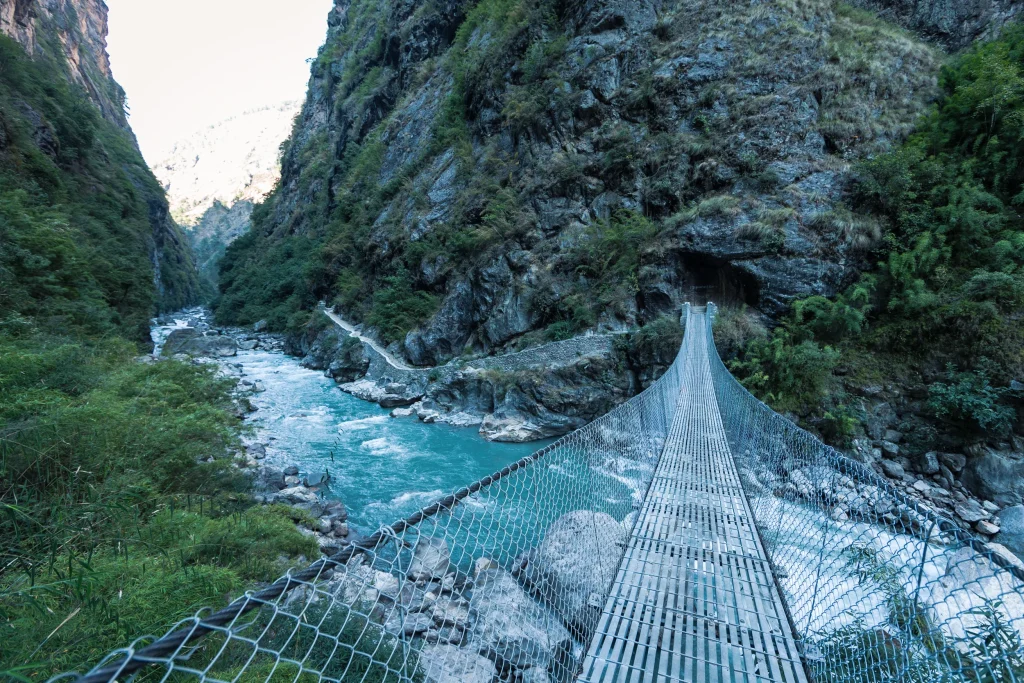
Altitude is Nepal’s metaphor for life. Everything here requires adjustment, pace, expectations, and timelines. Buses arrive late. Plans change. Days stretch.
Those who resist struggle.
Those who adapt settle in.
Trekking routes like the Everest Base Camp trail teach this lesson brutally through acclimatisation days. But you don’t need to be above 3,000 metres to learn it.
Nepal teaches patience in cities, villages, and valleys. It gently dismantles urgency.
Nepal doesn’t reward speed.
It rewards attentiveness.
Recommended Read: Things You Will Be Glad You Knew Before Travelling to Nepal
6. Drinking Tea With Strangers at Roadside Stops
Some of the most honest conversations in Nepal happen standing up, holding tea.
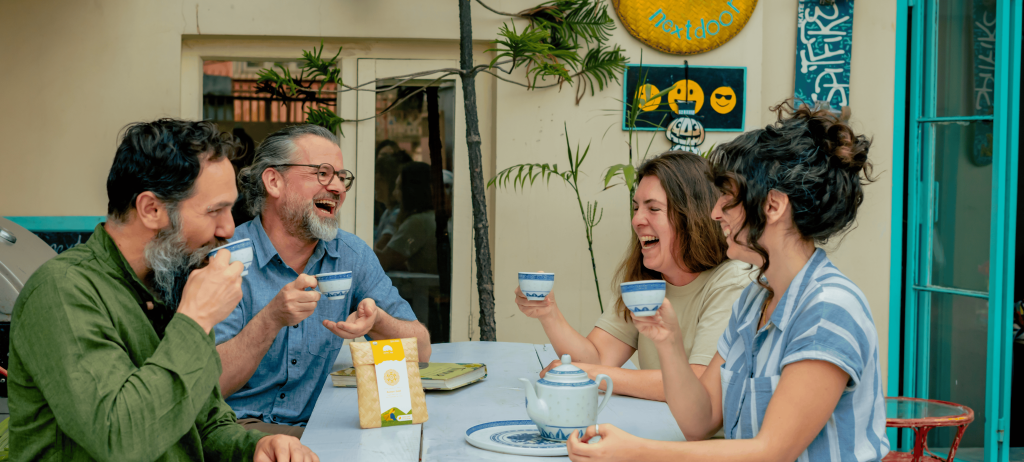
Roadside tea stops are informal meeting points for drivers, farmers, students, monks, and travellers. No one stays long, yet connections form instantly.
Someone will ask where you are from. Someone else will correct them. Laughter will follow.
There’s no agenda. No transaction beyond tea.
These moments remind you that travel doesn’t always require movement. Sometimes it requires stillness, shared briefly, then released.
Recommended Read: The Most Memorable Food Tour of Kathmandu
7. Watching the Mountains Without Trying to Conquer Them
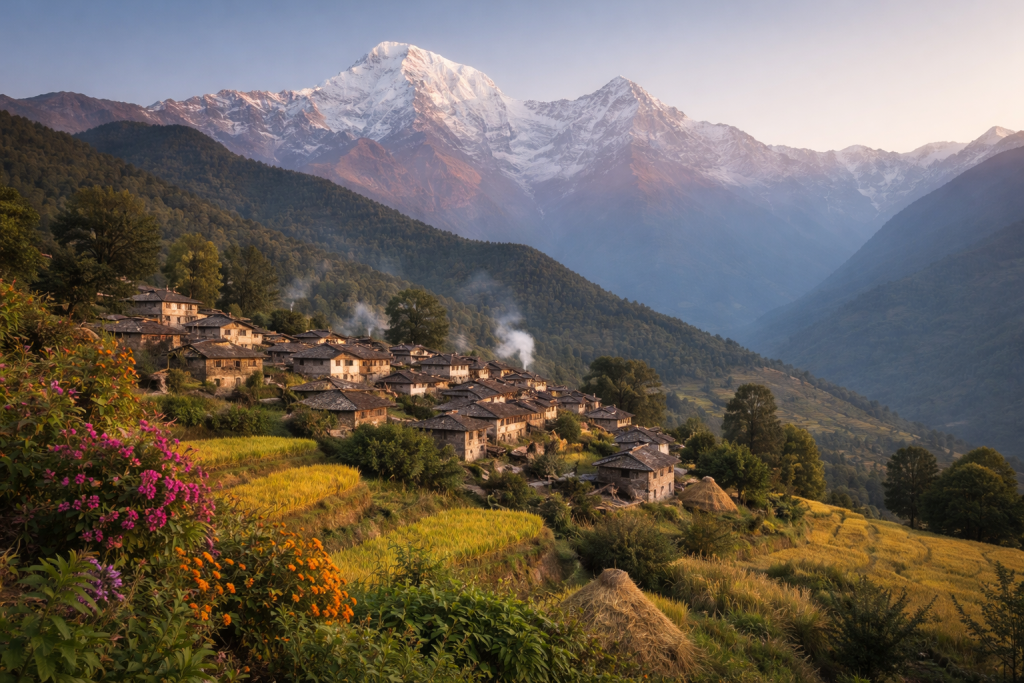
Nepal’s mountains are everywhere. You don’t need to chase them.
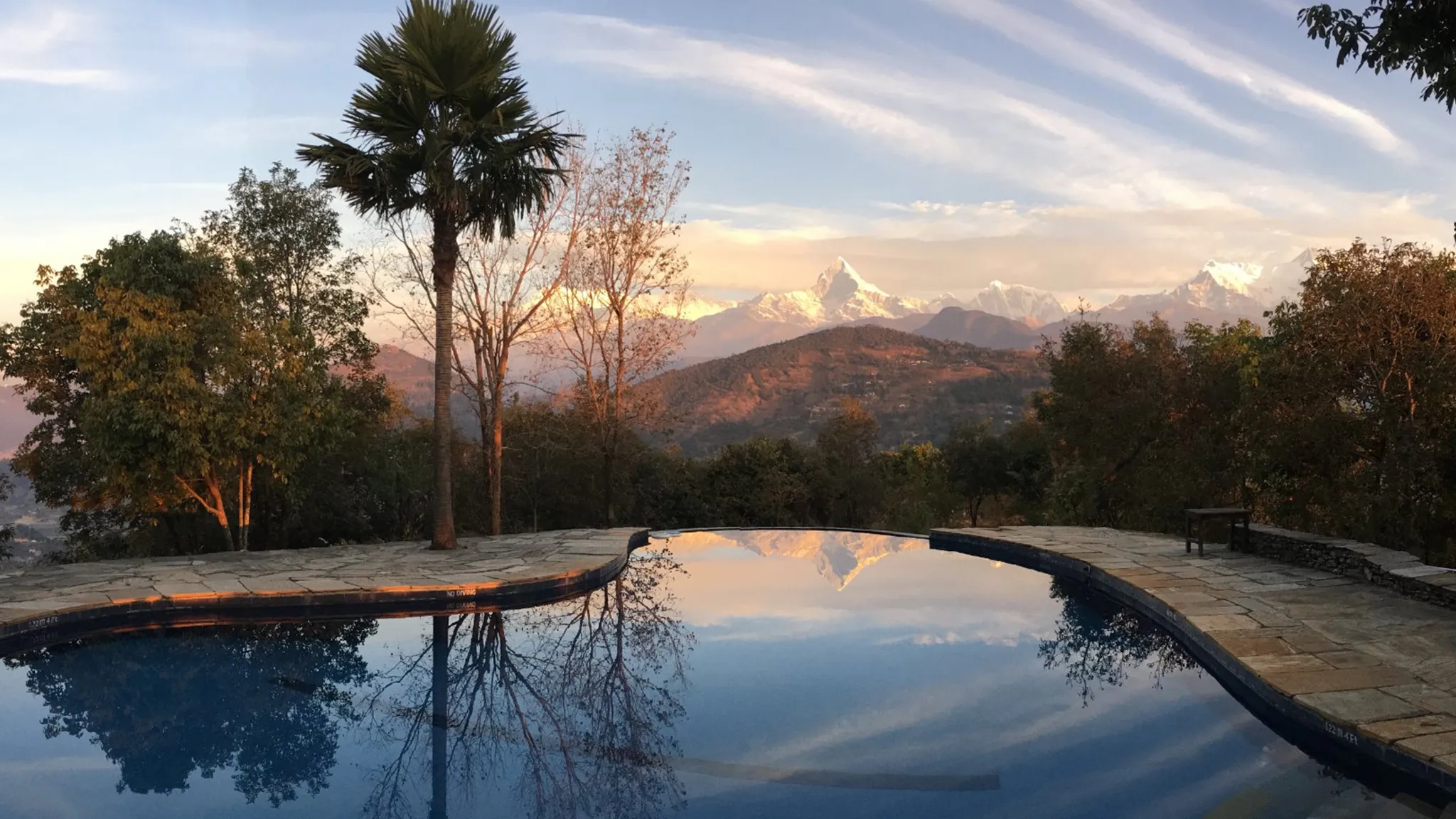
You see them:
- From rooftops
- From fields
- From bus windows
- From quiet villages at sunrise
Something is grounding about not having to earn the view.
For locals, mountains are a presence, not an achievement. They shape weather, rituals, and stories. They are observed daily, respectfully.
When you stop framing mountains as goals and start seeing them as neighbours, your relationship with Nepal changes.
Recommended Read: Experiencing the magic of mountain basecamps in Nepal
8. Understanding Nepal’s Layered Spiritual Life
Nepal isn’t neatly divided into belief systems.
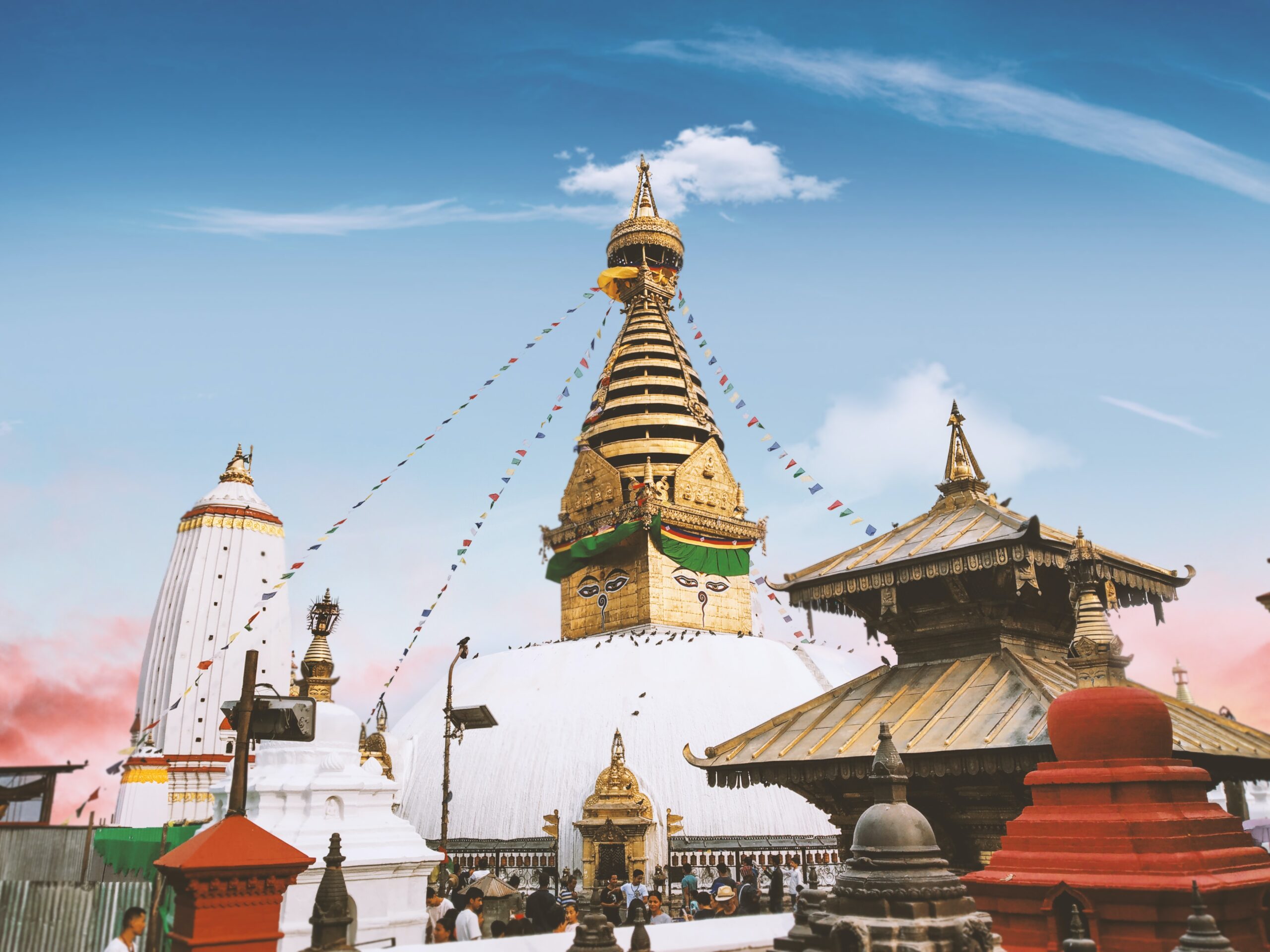
Hindu temples sit beside Buddhist stupas. Animist practices quietly coexist with both. Rituals blend. Boundaries blur.
You might see:
- A Buddhist monk lighting a Hindu lamp
- A Hindu family circling a stupa
- Local spirits honoured alongside formal deities
This coexistence isn’t philosophical; it’s practical.
Nepal’s spirituality isn’t about labels. It’s about continuity, balance, and respect. Observing this teaches you how belief can unite rather than divide.
Recommended Read: Top 10 Must-Visit Religious and Spiritual Sites in Nepal
9. Spending Time in a Place Like Tsum Valley, Where Silence Is the Experience
Tsum Valley is often described as “remote.”
That misses the point.
It’s not empty, it’s intentional.
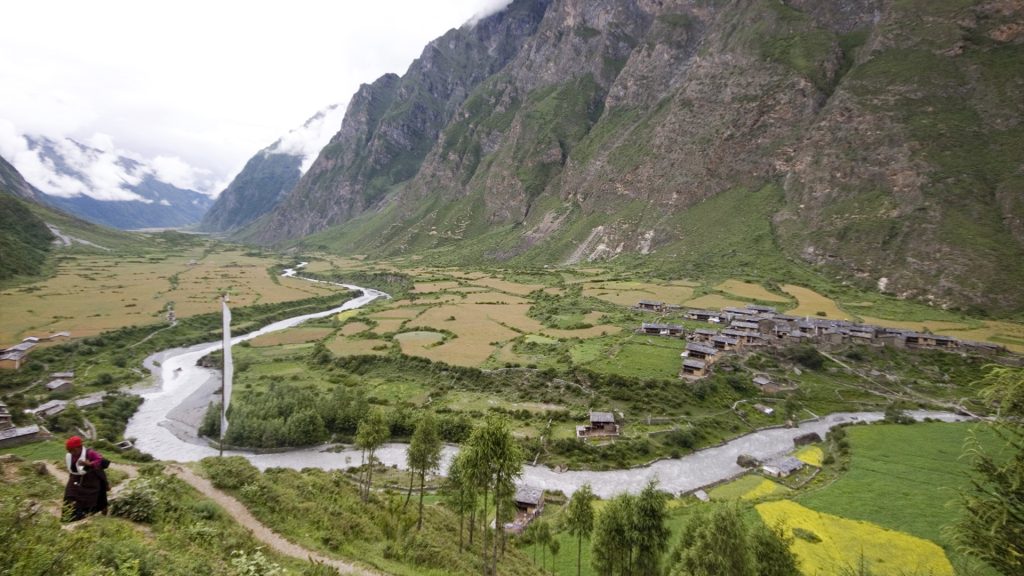
Here, conversations are slower. Silence is valued. Monasteries aren’t attractions; they are anchors. Life unfolds without performance.
Travellers who rush from highlight to highlight rarely reach places like this, or understand why they matter. But spending time in Nepal’s quieter regions recalibrates your senses.
You stop filling space with noise.
You notice details.
You listen better.
Recommended Read: 5 Places in Nepal That Still Feel Undiscovered (And Why You Should Go Slowly)
10. Leaving Nepal Without Feeling “Finished”
The most honest Nepal trips end unresolved.
There are places you didn’t reach. Conversations you didn’t finish. Plans that shifted. And somehow, that feels right.
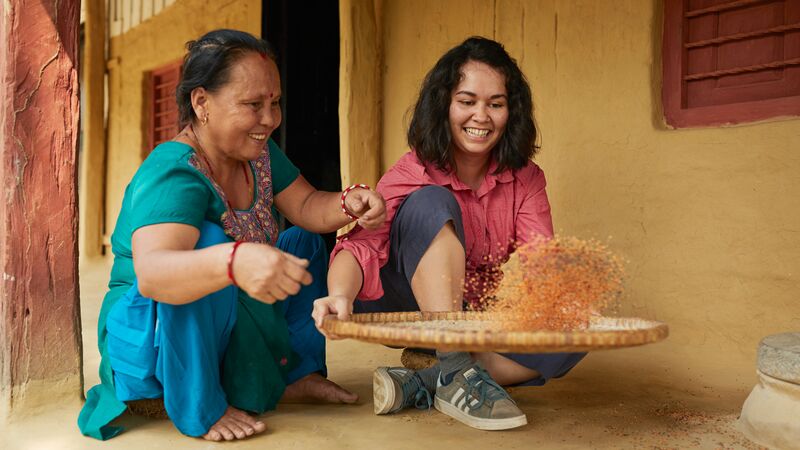
Nepal isn’t designed to be completed.
Even travellers who trek iconic routes often return later, not to repeat them, but to slow down, stay longer, and travel differently.
Nepal stays with you, in habits, patience, food preferences, and softened edges. You don’t leave with closure. You leave with a connection.
And often, a quiet intention to return.
Recommended Read: A Step-by-Step Guide to Preparing for Your Trip to Nepal
Why These Experiences Matter More Than Any Trek
Trekking reveals Nepal’s scale.
These experiences reveal its soul.
They remind you that:
- Travel isn’t an accomplishment
- Depth matters more than distance
- Presence matters more than progress
You don’t need altitude to be changed by Nepal.
You need openness.
Who This Style of Travel Is For
This approach suits:
- First-time visitors who want context, not just highlights
- Slow travellers and backpackers
- Solo travellers seeking connection
- Anyone tired of performance travel
It may frustrate those seeking efficiency, but it rewards those seeking meaning.
Practical Tips for Experiencing Nepal This Way
- Plan fewer destinations and stay longer
- Mix trekking days with rest days in towns and villages
- Use local transport occasionally, even when uncomfortable
- Ask questions and listen more than you speak
- Leave buffer days, Nepal will use them anyway
Final Thought
You can reach Base Camp and still miss Nepal.
Or you can sit, eat, listen, wait, and understand it.
Nepal doesn’t ask you to conquer anything.
It asks you to slow down enough to notice.
Related Posts
Stay Informed With the Latest & Most Important News
Previous Post
Next Post
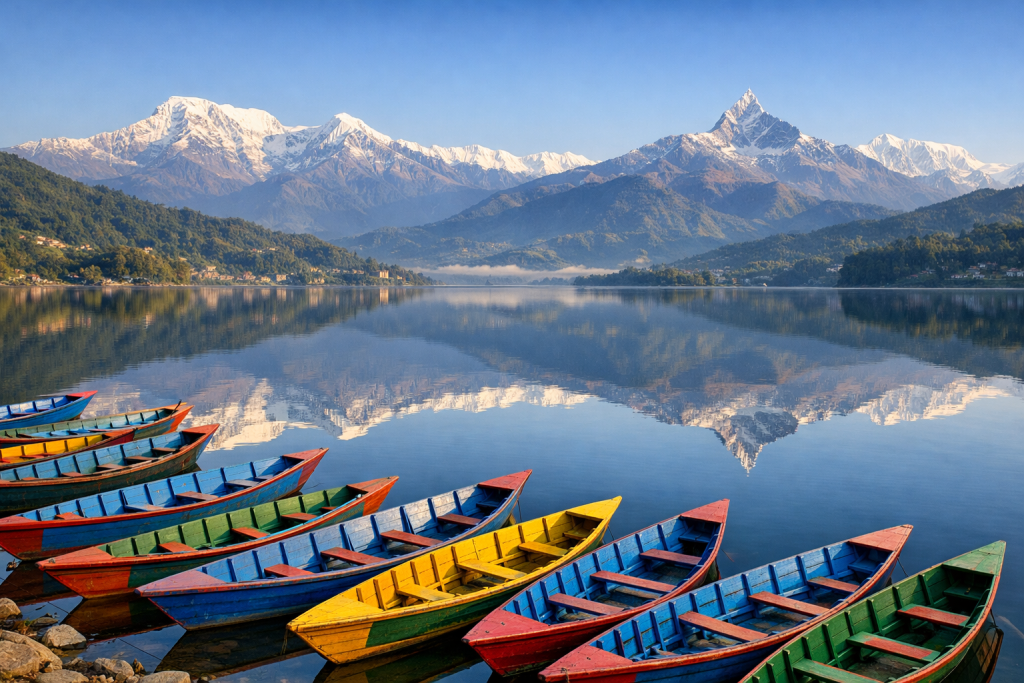
- Pokhara Calling: Why Nepal’s Lakeside City Will Steal Your Heart (and When to Go)
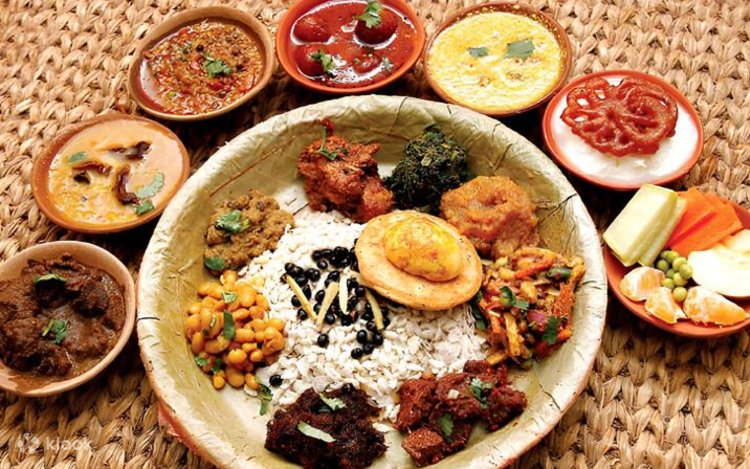
- Beyond Dal Bhat: A Traveller’s Guide to the Foods of Nepal
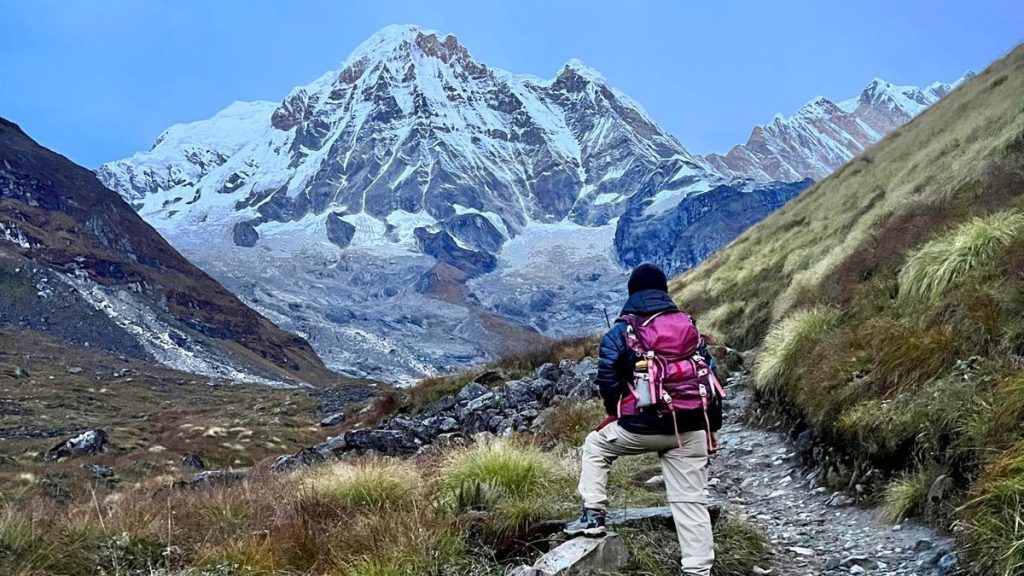
- No More Solo Trekking: Everything You Need to Know About Nepal’s 2026 Trekking Rules
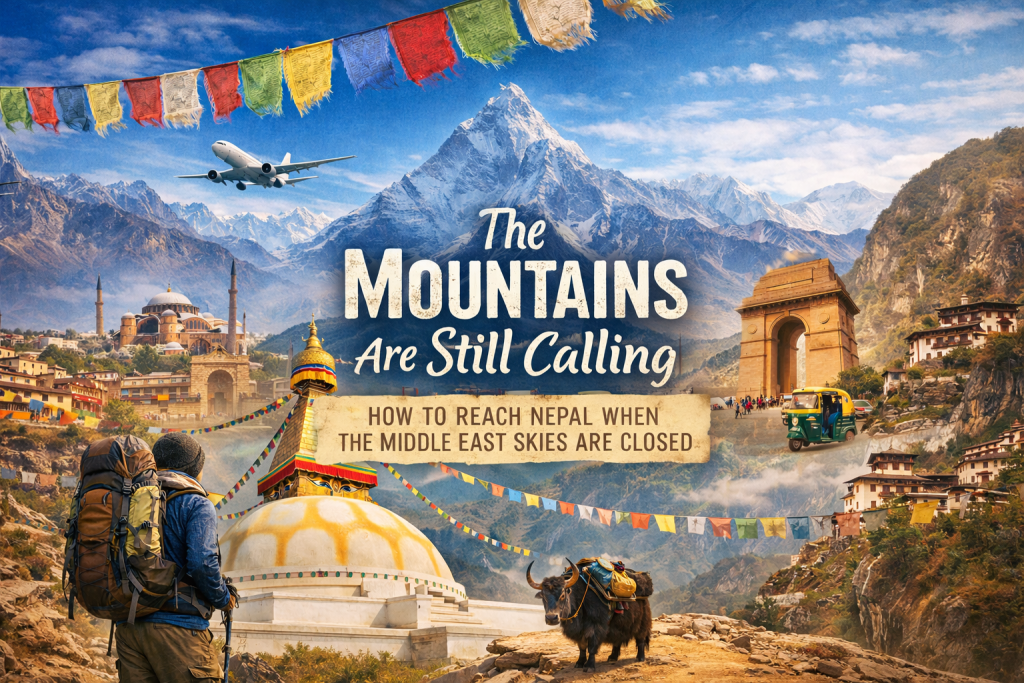
- The Mountains Are Still Calling: How to Reach Nepal When the Middle East Skies Are Closed
- Nepal’s 2026 Election: What Travellers Need to Know




Rosaline
I blog quite often and I really appreciate youur information. Thiis great article hass really peaked my interest.
I will book mark your website and keep checking for new details abojt once
a week. I opted in for your RSS ffeed too.
Check out my page – boyarka
JA
Thank you, Rosaline.