Now Reading: No More Solo Trekking: Everything You Need to Know About Nepal’s 2026 Trekking Rules
-
01
No More Solo Trekking: Everything You Need to Know About Nepal’s 2026 Trekking Rules
No More Solo Trekking: Everything You Need to Know About Nepal’s 2026 Trekking Rules

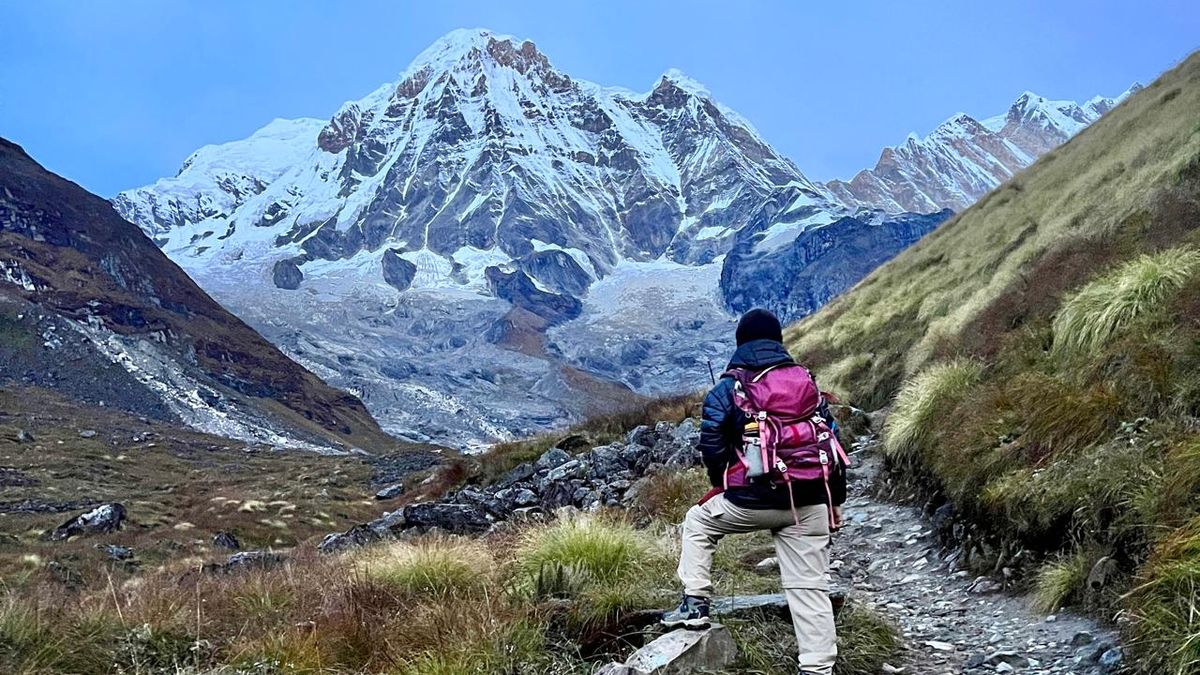
The end of free-roaming in the Himalayas? Not quite. Here's a calm, practical breakdown of what's actually changed with Nepal's mandatory guide rule, the updated permit system, what it costs, and how to plan your 2026 trek without the panic.
The end of free-roaming in the Himalayas? Not quite. Here’s a calm, practical breakdown of what’s actually changed, what it costs, and how to plan your trek without the panic.
If you have been following Nepal trekking forums, Reddit threads, or backpacker Facebook groups over the past few months, you have probably seen some version of this headline: “Solo trekking in Nepal is banned.”
The reaction has been predictable. Some travellers are furious. Others are confused. A fair number have quietly shelved their Nepal plans altogether, assuming the Himalayas are now off-limits to anyone who does not want to join a big group tour.
Here is the truth: Nepal has not closed its mountains. The country welcomed over 92,500 international visitors in January 2026 alone, a 15 percent jump from the same month in 2025, and comfortably ahead of pre-pandemic numbers. What has changed is how you are allowed to trek. And once you understand the new framework, planning your trip is not only doable but arguably easier and safer than it has ever been.
This guide breaks it all down: what the mandatory guide rule actually says, how the permit system has changed, what it will cost, and how to navigate the new landscape as a budget-conscious backpacker.
What Exactly Has Changed?
The biggest regulatory shift in Nepal’s trekking history came in April 2023, when the government announced that all foreign trekkers must hire a licensed guide to enter any national park or conservation area. The rule was introduced gradually, and enforcement was inconsistent in its early days. But as of the 2026 trekking season, it is fully and strictly enforced across the country.
In practical terms, this means:
- You cannot trek solo in any National Park, Conservation Area, or Restricted Area in Nepal. This covers virtually every popular trekking route: Everest Base Camp, Annapurna Circuit, Langtang Valley, Manaslu, and more.
- Your guide must be licensed and affiliated with a government-registered trekking agency that is a member of the Trekking Agencies’ Association of Nepal (TAAN).
- The old Green TIMS card is gone. The Trekkers’ Information Management System used to issue a “Green” card for independent trekkers and a “Blue” card for those using an agency. In 2026, only the Blue (agency-issued) TIMS card exists.
- Enforcement is real. Checkpoints along major trails now verify your guide’s licence and your TIMS card. Being caught without a guide can result in fines, permit confiscation, or being turned back.
Important caveat: This rule applies to regulated trekking areas. Day hikes around Kathmandu, Pokhara, or Nagarkot that do not enter a national park or conservation zone do not require a guide. General travel around Nepal is completely unaffected.
Why Did Nepal Do This?
Nepal’s decision was not arbitrary. Between 2015 and 2025, search and rescue operations for solo trekkers increased by nearly 40 percent. Altitude sickness, trail injuries, and trekkers simply going missing in remote areas became a growing crisis. The Himalayan weather is notoriously unpredictable, and many independent trekkers underestimated the risks of high-altitude environments where the nearest hospital could be days away on foot.
The policy rests on four pillars:
- Safety: Licensed guides carry pulse oximeters, recognise early symptoms of acute mountain sickness, and can initiate emergency helicopter evacuations through direct agency communication links.
- Environmental protection: Guides are trained in Leave No Trace principles. Having a regulated presence on the trails makes it easier to enforce waste management and trail maintenance.
- Local livelihoods: The policy channels tourism revenue directly to local Sherpa and mountain communities. Guides, porters, lodges, and teahouse owners all benefit from a more structured system.
- Cultural preservation: A local guide can educate trekkers about sacred sites, temple etiquette, and community customs in a way that no guidebook can match.
Since the policy was strictly implemented, search and rescue operations for solo trekkers have dropped by nearly 60 percent. Whatever your feelings about the loss of solo freedom, the safety data supports the decision.
The 2026 Permit System: A Quick-Reference Breakdown
Nepal’s permit landscape can feel like a maze of acronyms, but it is simpler than it looks once you know the basics. Here is what applies in the 2026 season:
| Permit | Cost (Approx.) | Notes |
|---|---|---|
| TIMS Card (Blue) | NPR 2,000 (~$15 USD) | Mandatory on all routes. Agency-issued only. |
| ACAP (Annapurna) | NPR 3,000 (~$23 USD) | Annapurna Circuit, ABC, Mardi Himal, etc. |
| Sagarmatha NP (Everest) | NPR 3,000 (~$23 USD) | Everest Base Camp, Three Passes, Gokyo. |
| Langtang NP | NPR 3,000 (~$23 USD) | Langtang Valley, Gosaikunda, Helambu. |
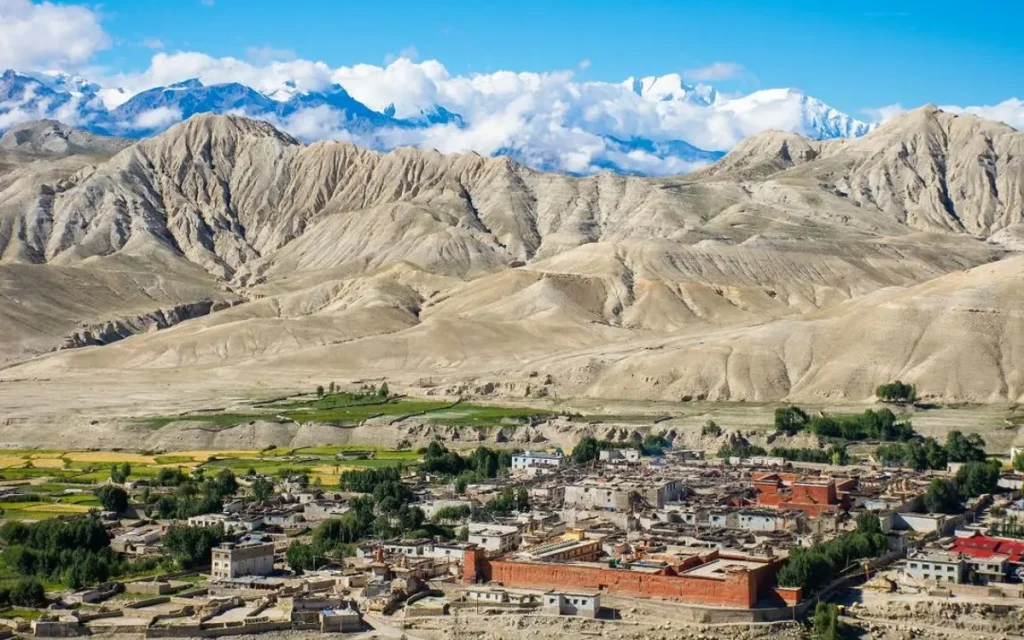
| Restricted Area (e.g. Mustang) | $50/person/day | New 2026 daily rate (was $500 flat). Min 2 trekkers. |
| Restricted Area (e.g. Manaslu) | $100/person/week | Via registered agency only. Min 2 trekkers. |
| Travel Insurance Proof | Varies | Now required for TIMS/RAP issuance. Must cover helicopter evac. |
Key change for 2026: Upper Mustang’s permit system has shifted from a flat $500 fee for 10 days to a $50 per person, per day model. This is excellent news for budget trekkers doing shorter routes, as you now only pay for the days you actually spend in the restricted zone.
How Much Does a Guide Actually Cost?
This is the question that worries backpackers the most, and the answer is more reasonable than many people assume.
A guide-only service, where you hire a licensed guide without a full trek package, typically costs between $25 and $35 per day. For a 14-day Everest Base Camp trek, that works out to roughly $350 to $490 for the entire trip. Many agencies offer packages that bundle the guide fee with permit processing, airport transfers, and teahouse bookings, often at a better overall value than arranging everything separately.
What you get in return is substantial. A good guide will monitor your health daily, know which teahouses serve the freshest food, carry local knowledge that turns a scenic walk into a cultural education, and crucially, speak Nepali when things go sideways (cancelled flights, washed-out trails, medical emergencies). Many experienced trekkers who have done Nepal both solo and guided report that the guided experience was not just safer but richer.
Budget tip: If you are travelling with a friend, you can share a single guide between two people, cutting the per-person cost significantly. Some agencies also offer fixed-departure group treks where the guide cost is split among 4 to 8 trekkers, bringing it down to as little as $10 to $15 per person per day.
How to Choose a Legitimate Agency and Guide
Not all agencies are equal, and the mandatory guide rule has, unfortunately, created space for some operators to cut corners. Here is how to protect yourself:
- Check TAAN membership. Every legitimate trekking agency in Nepal is registered with the Trekking Agencies’ Association of Nepal. Ask for the TAAN number and verify it. If they cannot provide one, walk away.
- Ask to speak to a real person. Reputable agencies will connect you with the owner or a senior team member before you book. If communication is limited to automated emails, that is a red flag.
- Look for transparent pricing. A good agency will list exactly what is included: guide fees, permits, meals, accommodation, transfers. No hidden surcharges.
- Read independent reviews. Check TripAdvisor, Google Reviews, and direct testimonials. Look for specifics, not just five-star ratings.
- Request a female guide if preferred. Many agencies now employ trained female trekking guides. If you feel more comfortable with a female guide, ask for one when booking. This is increasingly common and should not be an issue with established operators.
Other Major 2026 Regulation Updates Worth Knowing
The New Everest Law
Nepal has introduced a significant new requirement for Everest climbers: you must first summit a peak of at least 7,000 metres before being eligible for an Everest permit. This does not directly affect trekkers heading to Everest Base Camp, but it signals Nepal’s broader commitment to raising standards and safety across its mountain tourism industry. For aspiring mountaineers, this means planning a longer Nepal journey that includes preparatory climbs on peaks like Baruntse, Pumori, or Himlung Himal.
Mandatory Travel Insurance
As of 2026, you must provide proof of travel insurance that specifically covers high-altitude trekking and helicopter evacuation before your TIMS card or restricted area permit can be issued. This is not optional. Your policy should cover emergency medical expenses and evacuation up to at least 6,000 metres. If your current travel insurance does not include this, upgrade it before you arrive in Kathmandu.
Restricted Area Minimum Group Size
For restricted area treks like Manaslu, Upper Dolpo, and Kanchenjunga, a minimum of two foreign trekkers is now required per permit application. Solo travellers can still access these areas by joining a fixed-departure group through a registered agency.
Where You Can Still Trek Freely (No Guide Required)
Despite the headlines, there are still plenty of places in Nepal where you can walk, hike, and explore without a mandatory guide:
- Day hikes around Kathmandu Valley: Shivapuri, Champa Devi, Nagarkot, Chandragiri Hills.
- Pokhara lakeside and surroundings: The World Peace Pagoda hike, Sarangkot sunrise viewpoint, Australian Camp day trek.
- Bandipur, Tansen, and hill town walking: These heritage towns offer beautiful walks through terraced farmland and Newari architecture.
- General travel throughout Nepal: Visiting temples, exploring cities, wildlife safaris in Chitwan, and cultural tours require no guide. The mandatory guide rule is specific to trekking in protected mountain areas.
A Practical Pre-Trek Checklist for 2026
Before you arrive in Nepal, make sure you have these essentials sorted:
- Book with a TAAN-registered agency and confirm your licensed guide before you fly.
- Arrange travel insurance with high-altitude and helicopter evacuation coverage. Keep proof on your phone and a printed copy.
- Prepare a day-by-day itinerary (required for restricted area permits). Your agency will help with this.
- Carry passport-sized photos (at least 4) for permit applications in Kathmandu.
- Budget for permits and guide fees separately. A rough estimate for a standard 12–14 day trek: $400–$700 total for guide + permits + TIMS.
- Check your route’s specific requirements. Restricted areas have different rules and higher costs than standard conservation areas.
The Bottom Line: Nepal Is More Open Than Ever
Yes, the era of strapping on a pack and wandering the Himalayas completely alone has ended. But the mountains have not gone anywhere. Nepal’s trekking infrastructure is stronger than it has been in years, tourism numbers are surging past pre-pandemic levels, and the combination of improved safety standards, flexible new permit pricing, and a growing network of professional guides means that the Himalayan adventure is more accessible to more people than ever before.
The trekkers who adapt to these changes will find something valuable in return: a safer journey, a deeper cultural connection, and the knowledge that their visit directly supports the mountain communities who have been welcoming travellers for generations.
The Himalayas are still calling. You just need to answer the phone with a licensed guide standing next to you.
Planning your Nepal trek in 2026? Explore our guides to the Everest Base Camp Trek, Annapurna Circuit, and Upper Mustang for route-specific advice. And if you have questions about permits, guides, or budgeting, drop us a comment below — we will help you figure it out.
Related Posts
Stay Informed With the Latest & Most Important News
Previous Post
Next Post
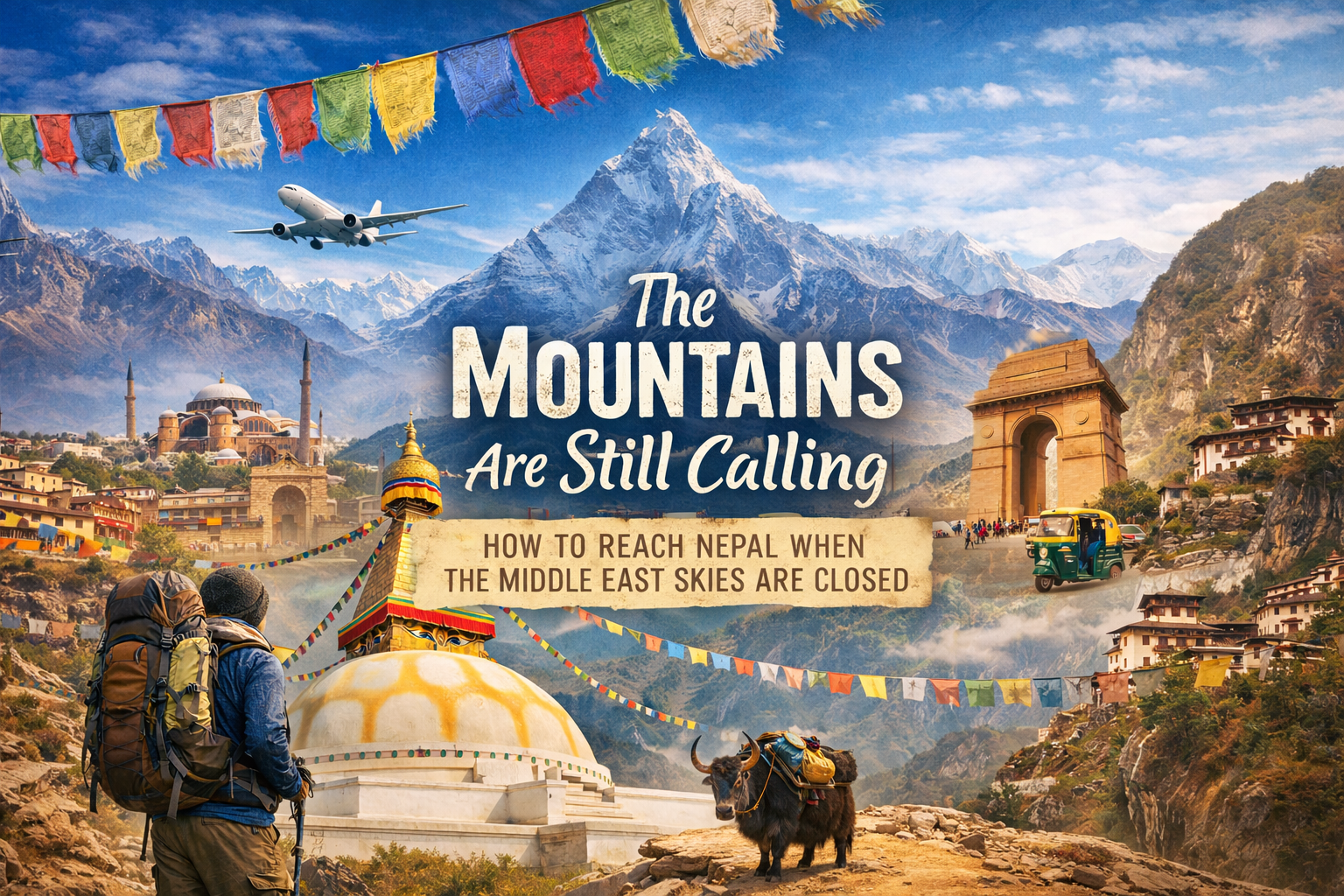
- Beyond Dal Bhat: A Traveller’s Guide to the Foods of Nepal
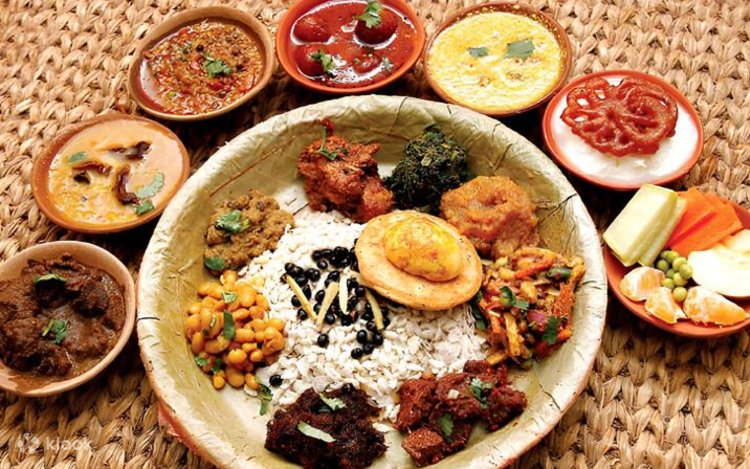
- No More Solo Trekking: Everything You Need to Know About Nepal’s 2026 Trekking Rules
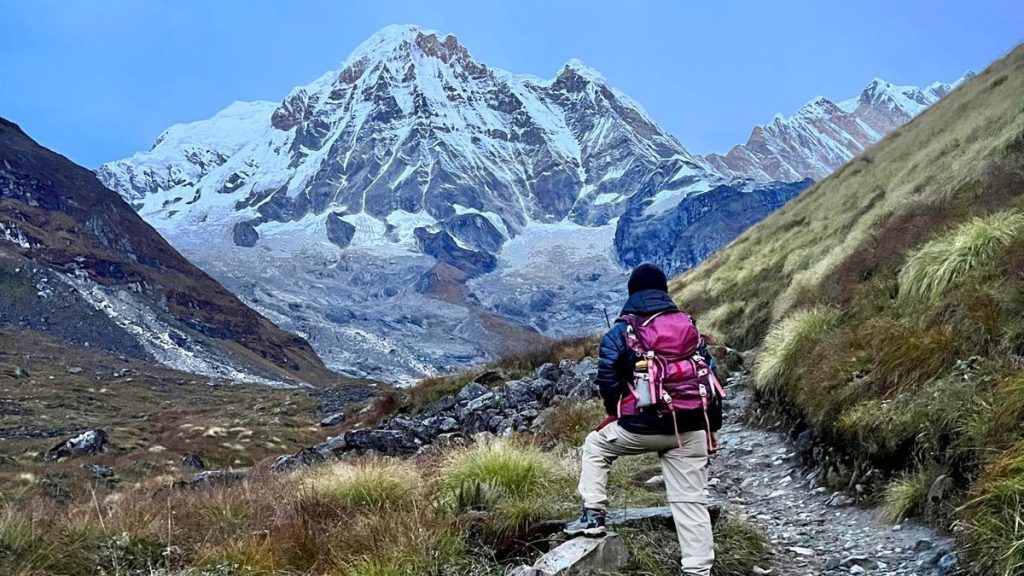
- The Mountains Are Still Calling: How to Reach Nepal When the Middle East Skies Are Closed
- Nepal’s 2026 Election: What Travellers Need to Know

- The Last Forbidden Kingdom: Your Ultimate Guide to Trekking Upper Mustang in 2026