Now Reading: Makalu Barun National Park: Extreme Biodiversity, Vertical Wilderness, and Nepal’s Last Great Remote Trek
-
01
Makalu Barun National Park: Extreme Biodiversity, Vertical Wilderness, and Nepal’s Last Great Remote Trek
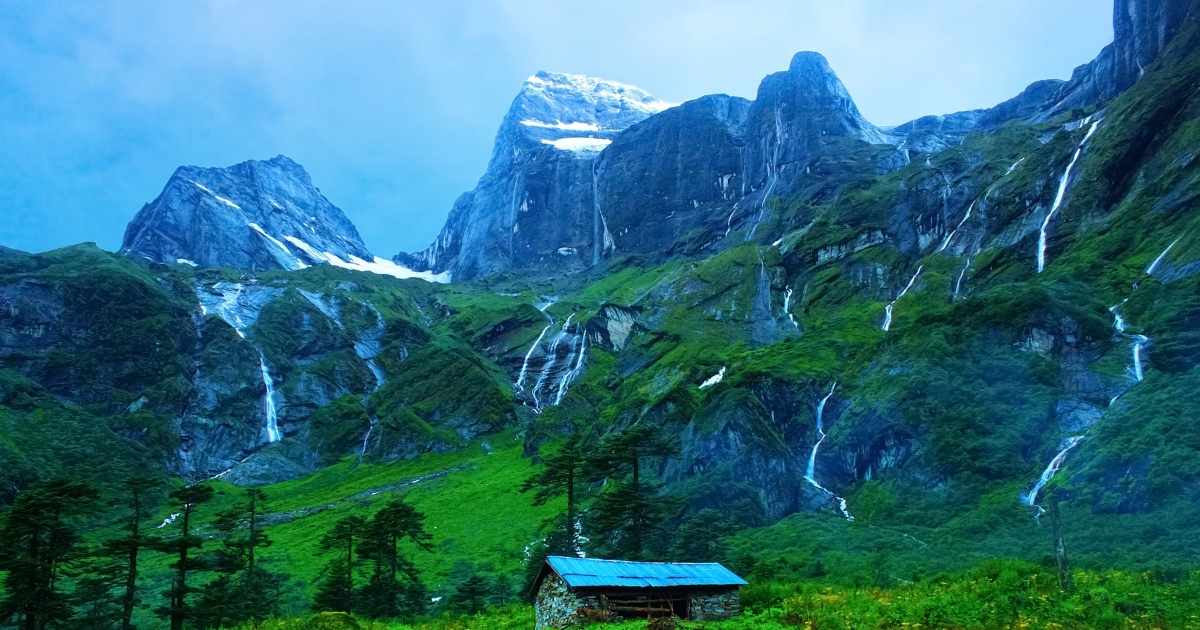
Makalu Barun National Park: Extreme Biodiversity, Vertical Wilderness, and Nepal’s Last Great Remote Trek

Makalu Barun National Park is where Nepal becomes uncompromising.
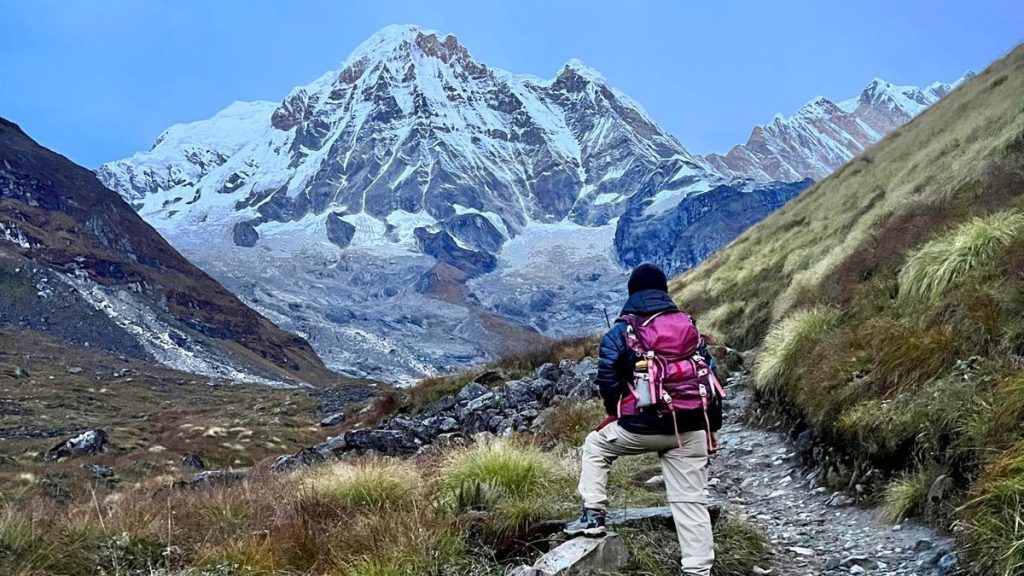
This is not a region softened by teahouses, popular routes, or predictable itineraries. It is a place defined by scale, gradient, and isolation, where tropical forests rise straight into glaciers, and where days of walking pass without encountering another trekking group.
If Dolpo teaches silence and cultural continuity, Makalu Barun teaches ecological excess. Everything here is intensified: biodiversity, rainfall contrasts, elevation change, effort, and reward.
For travellers seeking Nepal at its most raw and intact, Makalu Barun is the country’s last true wilderness at Himalayan scale.
Recommended Read: Nepal’s National Parks: Detailed Guide to Every Protected Landscape
Understanding Makalu Barun: A Vertical World
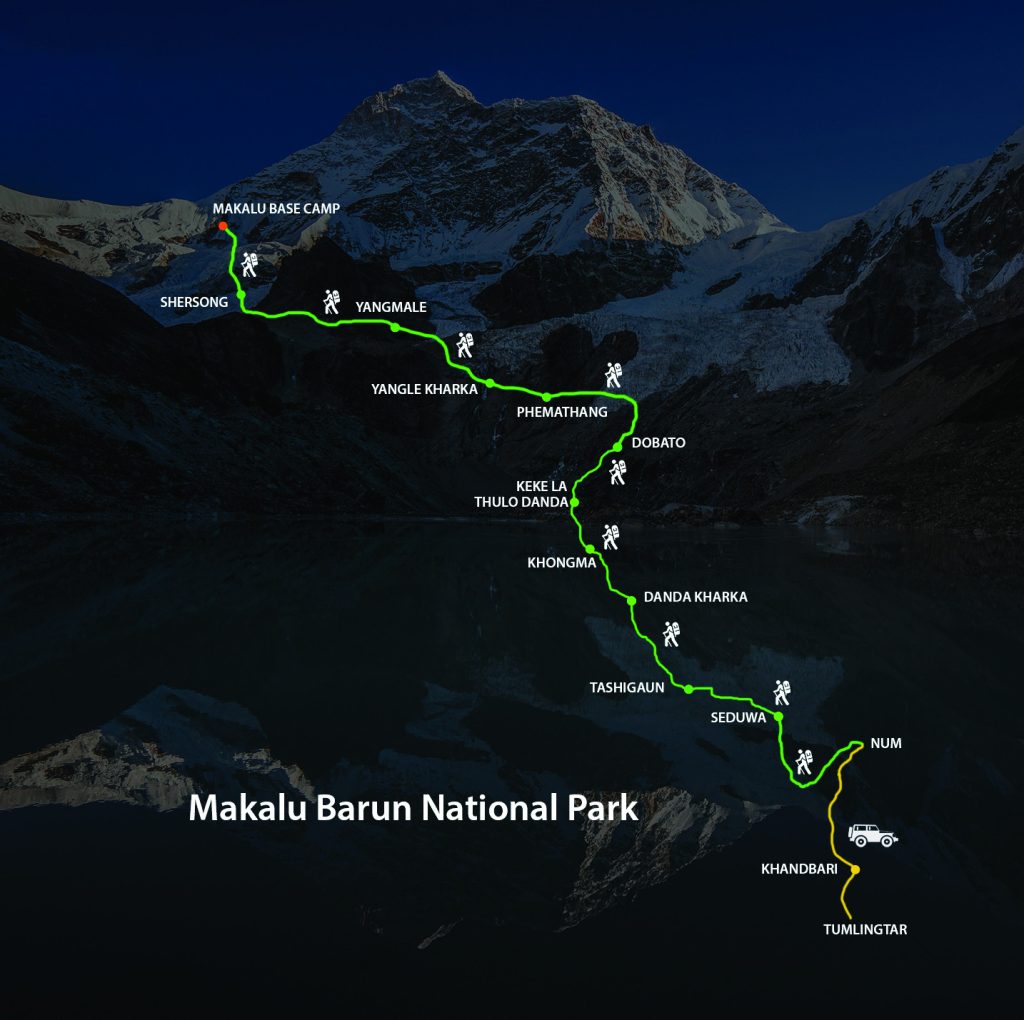
Makalu Barun National Park lies in eastern Nepal, bordering the Arun River basin and the Tibetan plateau. It covers approximately 1,500 square kilometres, but its true significance lies in its extraordinary vertical range.
Elevation Gradient
- From ~400 metres in the Arun Valley
- To 8,485 metres at Mount Makalu, the world’s fifth-highest peak
Few protected areas on Earth span such a dramatic ecological gradient in such a short horizontal distance.
Defining Landscapes
- Subtropical rainforests
- Temperate broadleaf and conifer forests
- Alpine meadows
- High glacial basins
- Icefalls and exposed Himalayan faces
The result is a park that contains nearly every major Himalayan ecosystem, stacked one above the other.
This verticality is the foundation of Makalu Barun’s unmatched biodiversity.
One of the Most Biodiverse Parks in the Himalaya
Makalu Barun is considered Nepal’s most biologically diverse national park and among the richest mountain ecosystems on Earth.
Plant Life
- Thousands of plant species
- Exceptional orchid diversity
- Medicinal and endemic flora
- Ancient forests largely untouched by logging
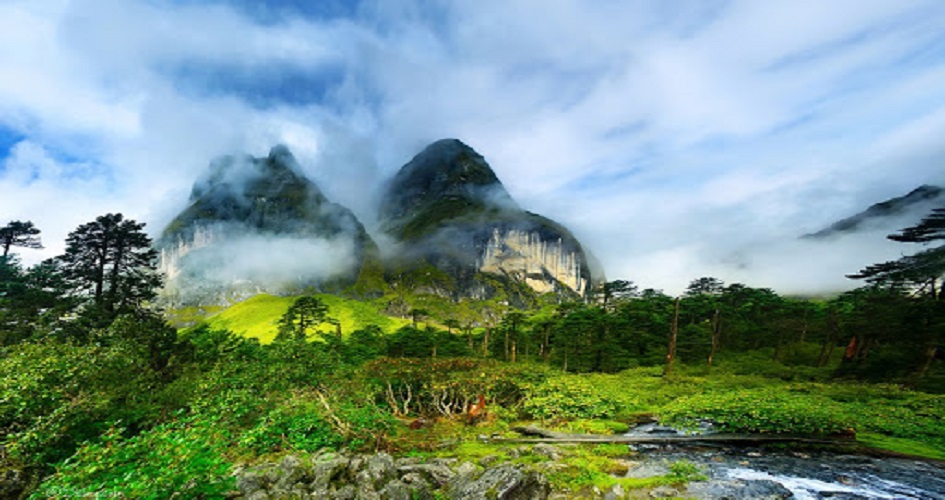
Lower elevations feel almost tropical, humid, dense, and alive with growth. Higher up, vegetation thins dramatically, giving way to alpine resilience.
Mammals
- Red panda
- Clouded leopard
- Snow leopard
- Himalayan black bear
- Assamese macaque
- Goral and serow
What makes Makalu Barun special is not just the presence of rare species, but their overlapping ranges, enabled by intact habitat corridors.
Birds
With over 440 recorded bird species, the park is a stronghold for:
- Himalayan monal
- Blyth’s tragopan
- Rufous-necked hornbill
- Various raptors and pheasants
For serious birders, Makalu Barun is exceptional, but demanding.
The Human Landscape: Sparse, Diverse, and Marginal
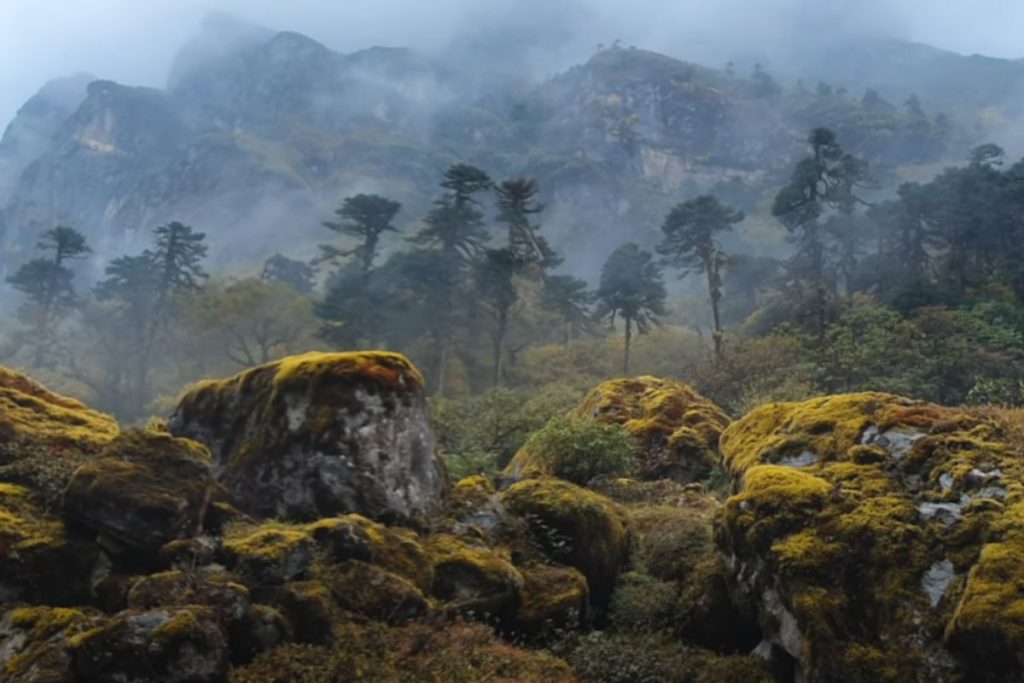
Unlike Langtang or Sagarmatha, Makalu Barun is not a cultural heartland. Human presence here is minimal, scattered, and often precarious.
Communities of the Region
- Rai, Sherpa, and other hill ethnic groups
- Small, isolated settlements
- Livelihoods based on subsistence farming, trade, and seasonal migration
Villages are often days apart. Services are limited. Tourism income supplements, but does not replace traditional livelihoods.
This is one of the few regions in Nepal where tourism has not reshaped daily life.
Trekking in Makalu Barun: Expedition, Not Infrastructure
Trekking in Makalu Barun is fundamentally different from Nepal’s mainstream trekking regions.
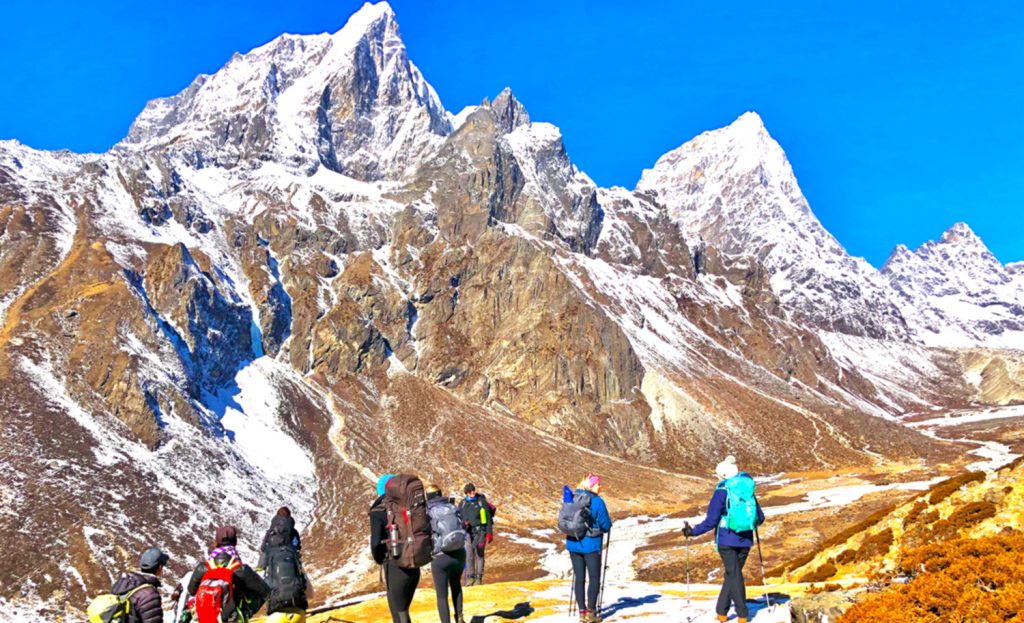
This is not teahouse trekking.
Characteristics of Makalu Barun Treks
- Long approaches through low valleys
- Steep ascents and descents
- Camping-based logistics
- Self-sufficiency required
Trails are often:
- Narrow
- Overgrown
- Weather-dependent
Wayfinding and local knowledge matter here.
Makalu Base Camp Trek
The most recognised route.
- Remote and demanding
- Dramatic views of Makalu’s south face
- Deep immersion into changing ecosystems
This trek is not about reaching a single viewpoint. It is about moving through entire ecological worlds.
Why Makalu Barun Feels So Remote
Makalu Barun’s remoteness is not accidental; it is structural.
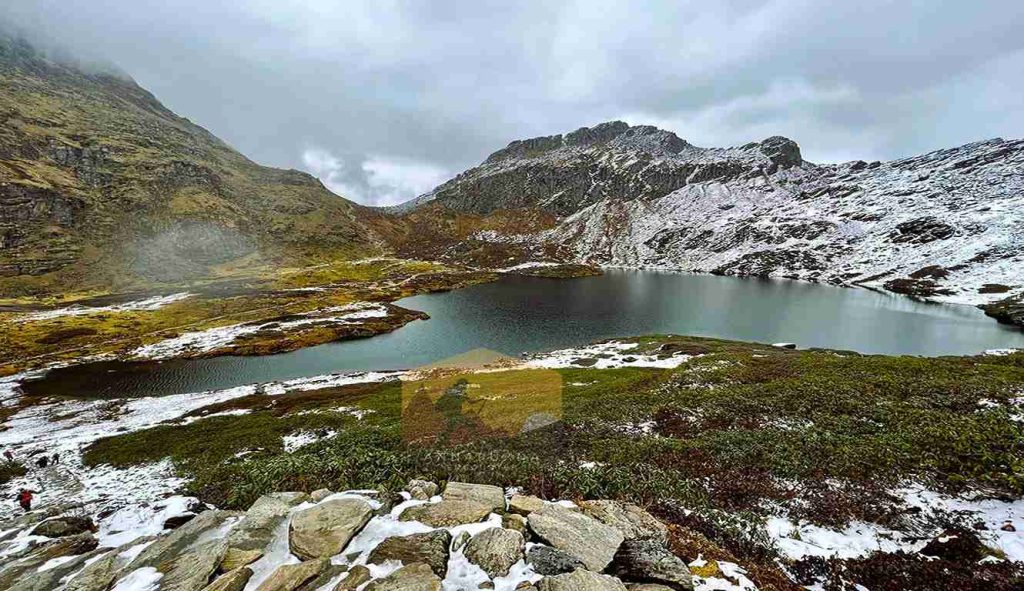
Access Challenges
- Long travel times to trailheads
- No direct flight access to the park
- Unreliable road conditions
- Minimal rescue infrastructure
This filters out casual visitors and preserves ecological integrity.
You do not “add” Makalu Barun to a Nepal trip.
You commit to it.
Best Time to Visit Makalu Barun National Park
Spring (April–May)
- Rhododendron bloom at mid-elevations
- Clear skies at altitude
- Active wildlife
Autumn (October)
- Stable weather
- Excellent mountain visibility
- Shorter trekking window due to cold
Monsoon (June–September)
- Heavy rain at lower elevations
- Landslide risk
- Leeches and dense vegetation
Winter is largely impractical due to snow and access issues.
For most travellers, late April to early May is ideal.
Permits and Logistics
Required Permits
- Makalu Barun National Park entry permit
- TIMS card
Guides and Support
Strongly recommended due to:
- Trail conditions
- Remoteness
- Safety considerations
Independent trekking here is possible, but only for highly experienced trekkers.
Accommodation: Camping and Sparse Lodges
Makalu Barun offers:
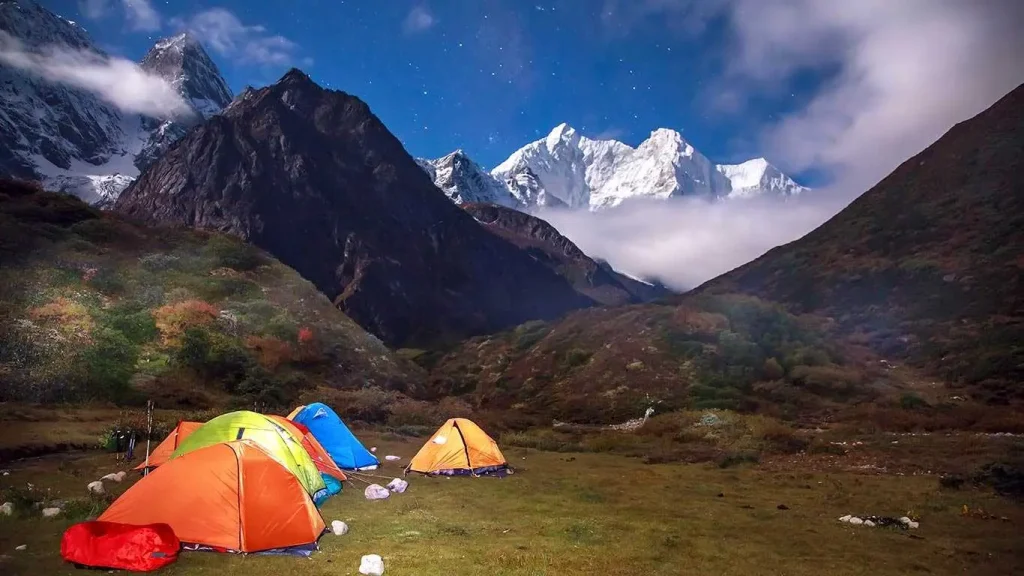
- Occasional basic teahouses in the lower sections
- Camping in remote areas
Expect:
- Simple meals
- Limited supplies
- Long days between settlements
Carrying or arranging supplies is essential.
Comfort comes from preparation, not infrastructure.
Food, Fuel, and Energy in the Park
Supply chains are fragile.
Food options depend on:
- Porters
- Local availability
- Seasonal conditions
Meals are functional rather than varied:
- Rice, lentils, potatoes
- Seasonal vegetables
- Tea and simple soups
Fuel scarcity means:
- Limited heating
- Careful cooking practices
Waste management is critical; everything you bring in should leave with you.
Safety and Risk in a Remote Environment
Makalu Barun demands self-reliance.
Key Risks
- Landslides
- River crossings
- Sudden weather changes
- Altitude illness
- Limited evacuation options
Mitigation requires:
- Conservative itineraries
- Buffer days
- Experienced leadership
This is not a place for rigid plans.
Makalu Barun as Slow Travel: Endurance and Awareness
Makalu Barun is slow not because it encourages rest, but because it enforces humility.
Distances are deceptive.
Effort is cumulative.
Nature sets the pace.
This is slow travel through exertion and attention, not leisure.
You notice:
- Forest transitions
- Temperature shifts
- Subtle wildlife signs
Few places make ecological processes feel this immediate.
Who Makalu Barun National Park Is For
Ideal For
- Experienced trekkers
- Expedition-minded travellers
- Biodiversity enthusiasts
- Those seeking true wilderness
Not Ideal For
- First-time trekkers
- Comfort-focused travel
- Tight schedules
- Casual sightseeing
Makalu Barun is not forgiving, but it is honest.
Conservation Significance and Challenges
Makalu Barun protects:
- Critical east-west wildlife corridors
- Some of Nepal’s last intact forests
- Watersheds feeding the Arun River
Challenges include:
- Climate-driven ecosystem shifts
- Limited funding for protection
- Pressure from future infrastructure development
Low-volume, high-responsibility tourism is one of the few sustainable paths forward.
How Makalu Barun Fits Into a Nepal Journey
Makalu Barun does not combine easily with popular destinations.
Most travellers:
- Build a full itinerary around it
- Or visit it after years of experience elsewhere in Nepal
It is often a culmination, not an introduction.
Final Reflection: Nepal at Full Intensity
Makalu Barun does not impress quickly.
It wears you down first.
Then it opens up.
After days of forest, river, and climb, you begin to understand Nepal not as a collection of highlights, but as a continuum of life shaped by elevation.
Here, biodiversity is not a statistic.
It is something you walk through, sweat through, and earn.
Makalu Barun offers no shortcuts, no spectacle on demand, and no safety net of popularity.
What it offers instead is increasingly rare:
A complete, uncompromised Himalayan wilderness.
Related Posts
Stay Informed With the Latest & Most Important News
- Top 15 Biggest Cities in Nepal by Population: Walk With Me Through Urban Nepal
- Two Weeks in Nepal: How to Plan the Ultimate Trip Across the Roof of the World
- Pokhara Calling: Why Nepal’s Lakeside City Will Steal Your Heart (and When to Go)
- Beyond Dal Bhat: A Traveller’s Guide to the Foods of Nepal
- No More Solo Trekking: Everything You Need to Know About Nepal’s 2026 Trekking Rules