Now Reading: Khaptad National Park: Spiritual Landscapes, Quiet Plateaus, and the Art of Still Travel
-
01
Khaptad National Park: Spiritual Landscapes, Quiet Plateaus, and the Art of Still Travel
Khaptad National Park: Spiritual Landscapes, Quiet Plateaus, and the Art of Still Travel

Khaptad National Park does not announce itself.
There are no dramatic summits rising suddenly into view. No iconic lakes framed by glaciers. No famous trekking routes threaded with lodges and cafés. What Khaptad offers instead is something far more understated and far more difficult to find in modern travel.
It offers space without spectacle, movement without urgency, and silence that feels intentional rather than accidental.
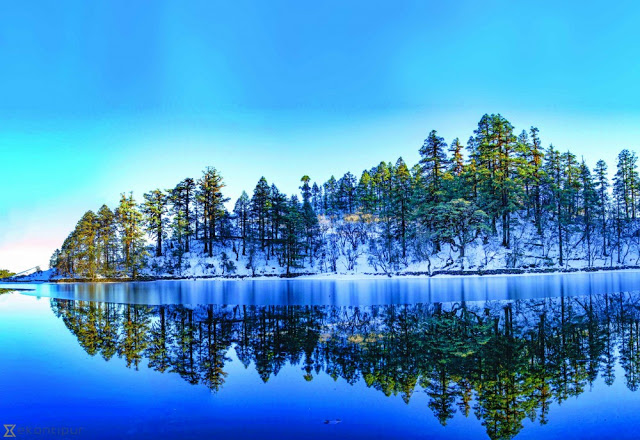
Set on a broad mid-hill plateau in Nepal’s far west, Khaptad is less a destination than a state of mind. It is a landscape shaped as much by devotion and retreat as by geology, and its significance lies not in what you see quickly, but in what reveals itself slowly.
This guide explores Khaptad National Park as a place of spiritual continuity, ecological calm, and deeply unhurried travel.
Recommended Read: Nepal’s National Parks: Detailed Guide to Every Protected Landscape
Understanding Khaptad: Geography of a Plateau, Not a Peak
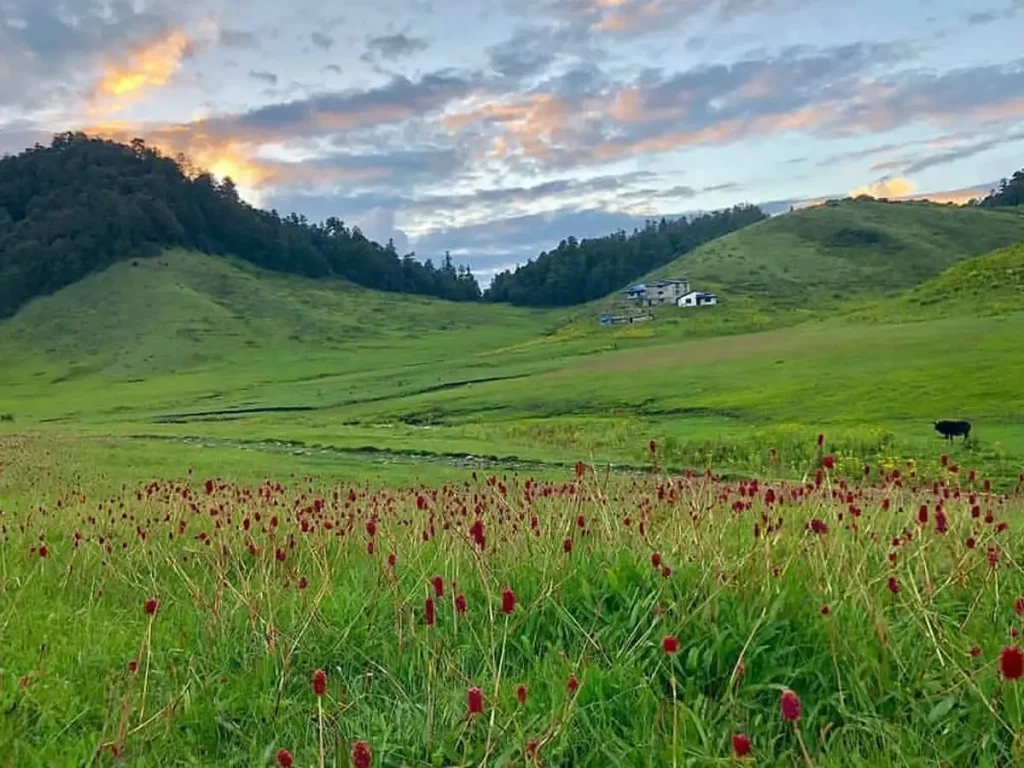
Khaptad National Park lies in the far-western mid-hills of Nepal, spread across parts of Bajhang, Bajura, Achham, and Doti districts. Covering approximately 225 square kilometres, it protects a rare and unusual Himalayan formation: a high, open plateau rather than a valley or ridgeline.
Defining Landscapes
- Rolling grasslands and meadows
- Open oak, pine, and rhododendron forests
- Gentle ridges rather than steep ascents
- Seasonal wetlands and springs
At an average elevation of around 3,000 metres, Khaptad sits above the subtropical hills but below the alpine extremes. The result is a landscape that feels expansive yet approachable, remote without being severe.
This geography is central to Khaptad’s character. It encourages wandering, lingering, and reflection rather than challenge or conquest.
Khaptad Baba and the Spiritual Identity of the Park
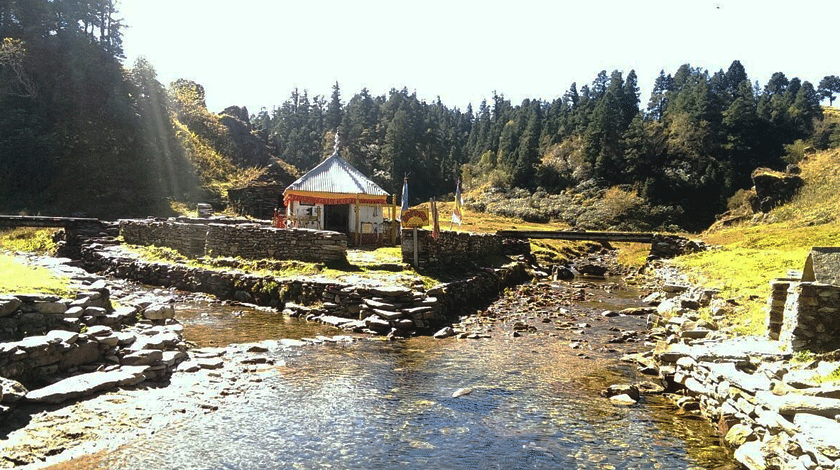
Khaptad National Park is inseparable from the legacy of Khaptad Baba, a revered Hindu ascetic who lived in the area for decades, practising meditation, herbal medicine, and spiritual teaching.
Khaptad Baba’s Influence
- Renounced urban life for solitude
- Choose Khaptad for its balance of isolation and abundance
- Attracted followers seeking retreat and healing
His presence transformed Khaptad into a spiritual landscape, not through monuments or temples alone, but through example. The park was later established partly to protect the environment he valued so deeply.
To this day:
- Pilgrims visit his ashram
- Seasonal religious gatherings take place
- The plateau is treated with reverence rather than exploitation
Khaptad is one of the few national parks in Nepal where spiritual practice directly shaped conservation.
Ecology of Calm: Forests, Meadows, and Balance
Khaptad’s ecosystems are subtle rather than dramatic, but remarkably stable.
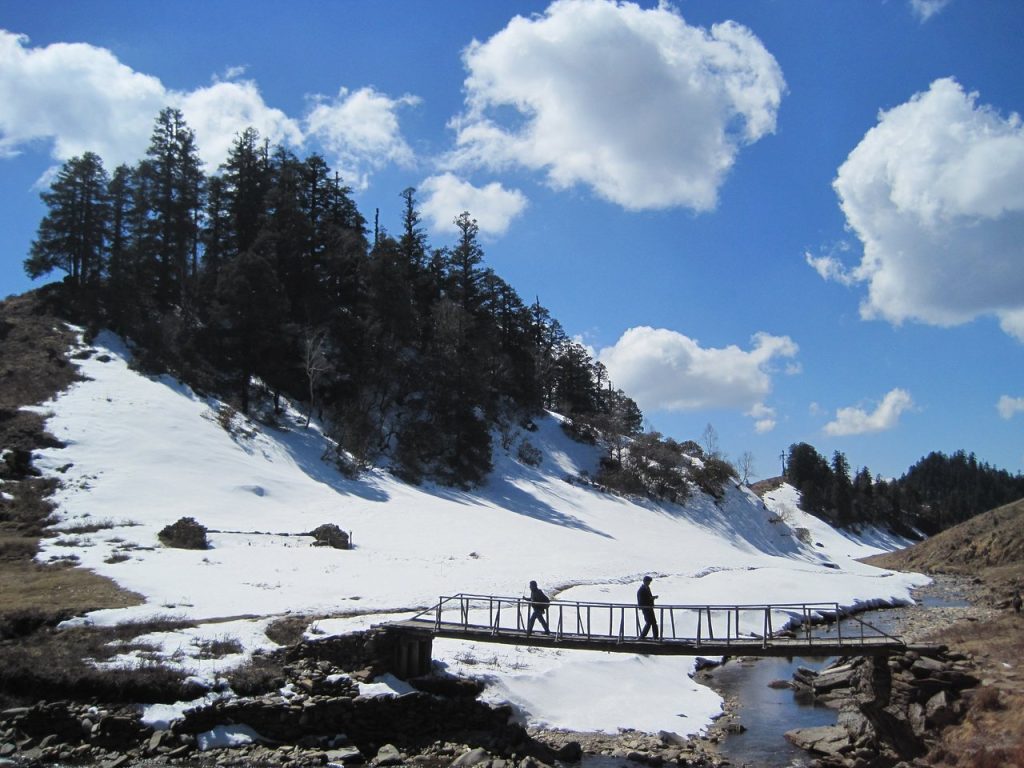
Forest Types
- Oak and mixed broadleaf forests
- Pine stands are adapted to open terrain
- Rhododendron groves are in flower in spring
Meadows and Grasslands
The plateau supports extensive grasslands used seasonally by:
- Wild herbivores
- Local livestock under regulated grazing
These meadows are not barren. They are working landscapes, carefully balanced between human use and ecological regeneration.
Khaptad’s ecological strength lies in continuity, not intensity.
Wildlife of Khaptad National Park
Khaptad is not a big-game destination, and it does not attempt to be one. Wildlife exists here quietly, integrated into the broader rhythm of the plateau.
Mammals
- Leopard
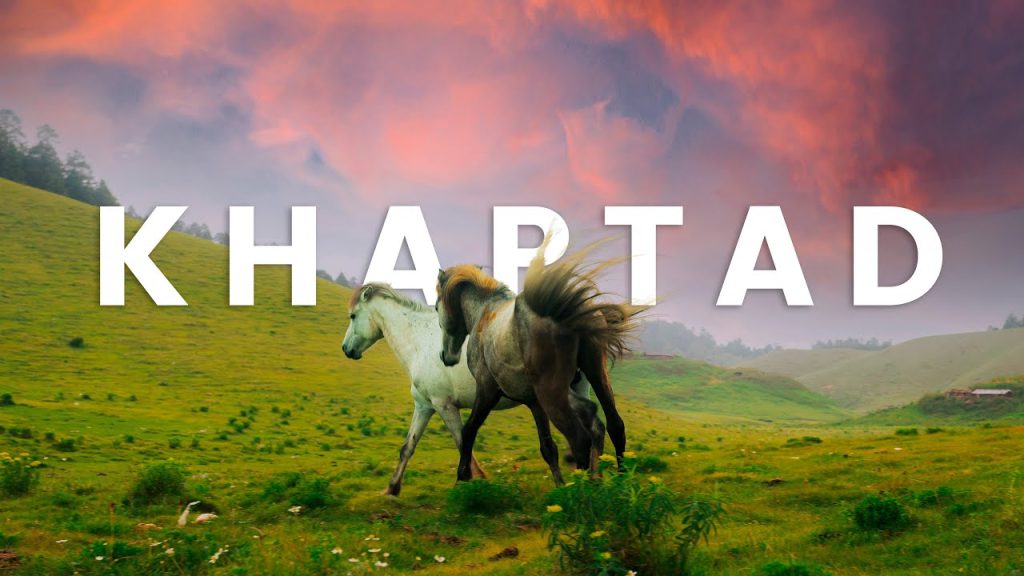
- Horses
- Himalayan black bear
- Barking deer
- Wild boar
- Langur monkeys
Encounters are infrequent and usually indirect, such as tracks, calls, or movement at the forest edge.
Birds
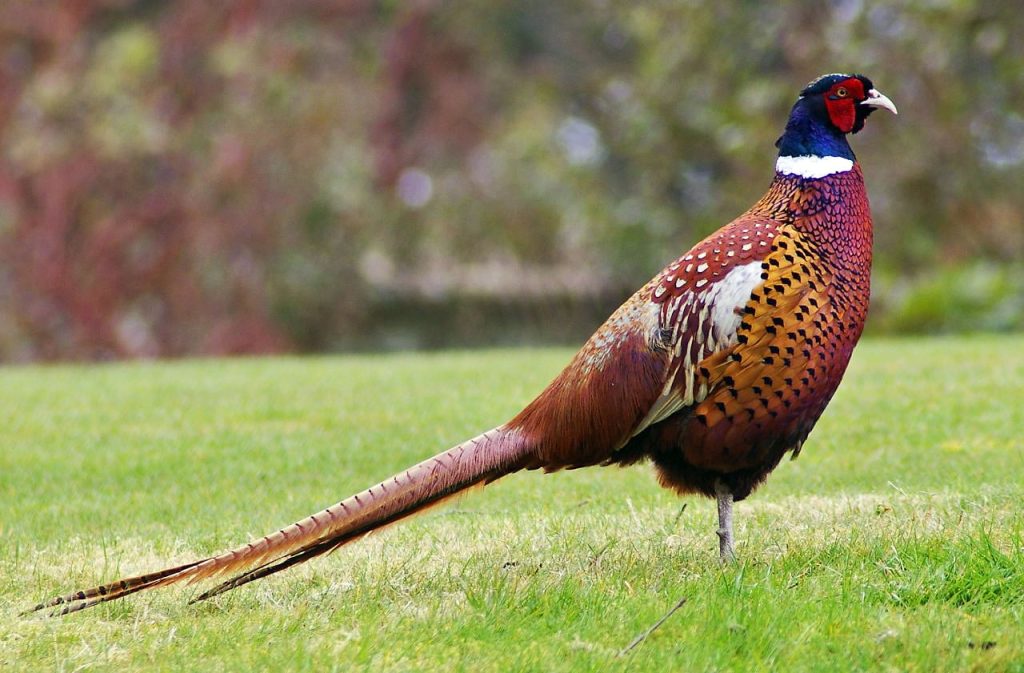
Birdlife is one of Khaptad’s understated highlights:
- Himalayan griffon
- Kalij pheasant
- Woodpeckers and flycatchers
- Seasonal migratory species
For attentive visitors, mornings and evenings reveal a steady pulse of avian life.
The Human Landscape: Far-Western Nepal at the Margins
Khaptad sits within one of Nepal’s least developed and least visited regions.
Cultural Context
- Predominantly hill Hindu communities
- Subsistence farming and pastoralism
- Strong seasonal rhythms tied to weather and access
Tourism here is minimal and non-commercialised. Visitors are rare enough to be noticed, but not rare enough to be disruptive.
Interactions tend to be:
- Curious
- Unhurried
- Practical rather than performative
Khaptad has not been reshaped to meet traveller expectations, and that is its strength.
Visiting Khaptad National Park: Getting There Is Part of the Experience
Reaching Khaptad requires intention.
Access Routes
- Long overland journeys from Nepalgunj or Dhangadhi
- Multiple days of travel combining road and walking
- Final approach on foot across the plateau
There are no nearby airports or easy shortcuts. Weather, road conditions, and local advice shape the journey.
This difficulty naturally filters visitors. Those who arrive tend to stay longer, and move more slowly.
Walking and Exploring Khaptad
Khaptad is not a trekking destination in the conventional sense.
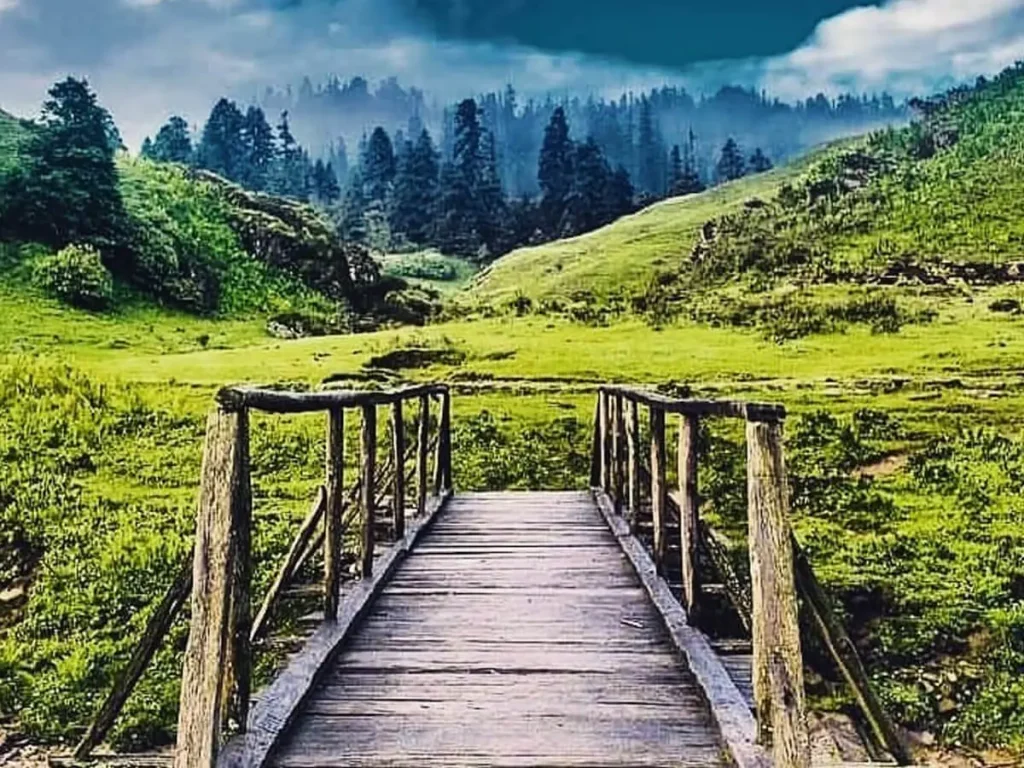
There are:
- No classic long-distance routes
- No daily elevation goals
- No “summit day” narratives
Instead, exploration happens through:
- Gentle day walks
- Meadow crossings
- Forest loops
- Visits to spiritual and natural sites
Walking here is about wandering, not progressing.
Distances are modest. The invitation is to notice, not to arrive.
Best Time to Visit Khaptad National Park
Khaptad’s accessibility is highly seasonal.
Spring (March–May)
- Rhododendrons bloom
- Meadows turn green
- Best overall balance
Summer (June–August)
- Lush landscapes
- Increased cloud cover
- Occasional rain
Autumn (September–October)
- Clear skies
- Crisp air
- Quietest period
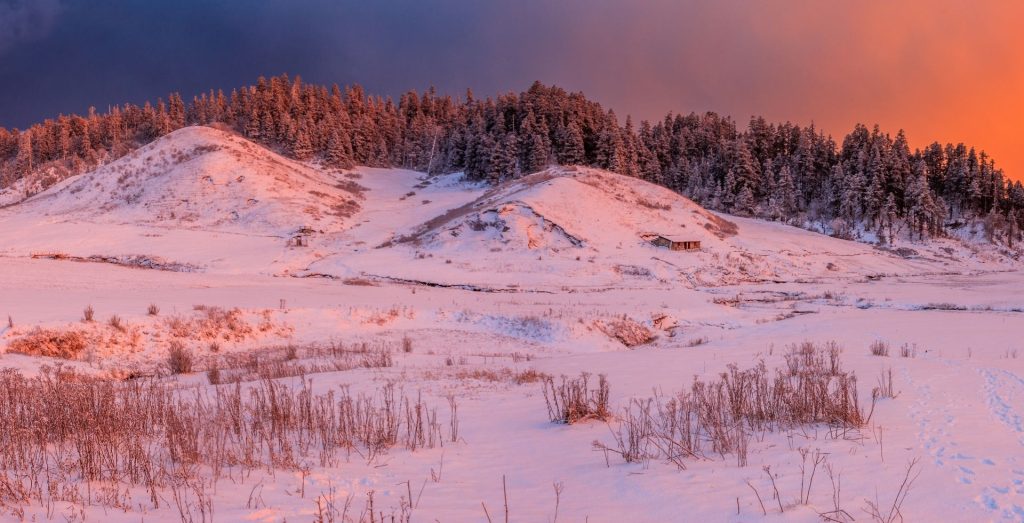
Winter (November–February)
- Cold temperatures
- Snowfall
- Access often restricted
For most travellers, April and September offer the most reliable conditions.
Accommodation and Facilities
Facilities within and around Khaptad are basic and limited.
What to Expect
- Simple guesthouses or park lodges
- Minimal heating
- Shared spaces
- Basic meals
Electricity, connectivity, and hot water are not guaranteed.
Comfort here comes from predictability and patience, not amenities.
Food and Supplies: Simplicity as a Norm
Food in Khaptad reflects local availability.
Meals typically include:
- Rice and lentils
- Seasonal vegetables
- Flatbreads
- Tea
Supplies are transported over long distances. Variety is limited, but nourishment is reliable.
Visitors should:
- Carry essential snacks
- Avoid waste
- Respect local scarcity
Khaptad as Slow Travel: Why It Resists Speed
Khaptad does not reward ambition.
There is nothing to “complete,” no route to finish, no landmark that demands arrival. This absence of goals can feel unsettling at first.
Then it becomes liberating.
Khaptad teaches:
- Stillness without boredom
- Movement without urgency
- Presence without productivity
It is a place that encourages internal travel as much as physical travel.
Conservation Through Reverence
Khaptad’s protection is rooted not just in policy, but in belief.
Conservation Strengths
- Cultural respect for land
- Low tourism pressure
- Limited infrastructure
Challenges
- Climate variability
- Youth migration
- Limited economic alternatives
Here, conservation is quiet, lived, and relational rather than enforced.
Who Khaptad National Park Is For
Ideal For
- Slow travellers
- Spiritual seekers
- Writers and thinkers
- Visitors are comfortable with simplicity
Not Ideal For
- Adventure-driven itineraries
- Wildlife safari expectations
- Luxury travel
- Tight schedules
Khaptad is not a highlight reel. It is a pause.
How Khaptad Fits Into a Nepal Journey
Khaptad works best when:
- Treated as a primary destination
- Integrated into a far-western Nepal journey
- Given time rather than squeezed between highlights
It pairs naturally with:
- Extended overland travel
- Cultural exploration of the Karnali and far-west regions
Khaptad is not efficient, but it is meaningful.
Final Reflection: The Value of Quiet Places
Khaptad does not compete for attention.
It does not try to impress, persuade, or entertain. It simply exists, open, balanced, and patient.
In a travel world increasingly shaped by speed and spectacle, Khaptad offers something quietly radical:
A place where nothing is demanded of you.
You walk.
You sit.
You notice.
And somewhere in that simplicity, perspective returns.
Khaptad does not change you dramatically.
It changes you gently, and that change tends to last.
Related Posts
Stay Informed With the Latest & Most Important News
Previous Post
Next Post
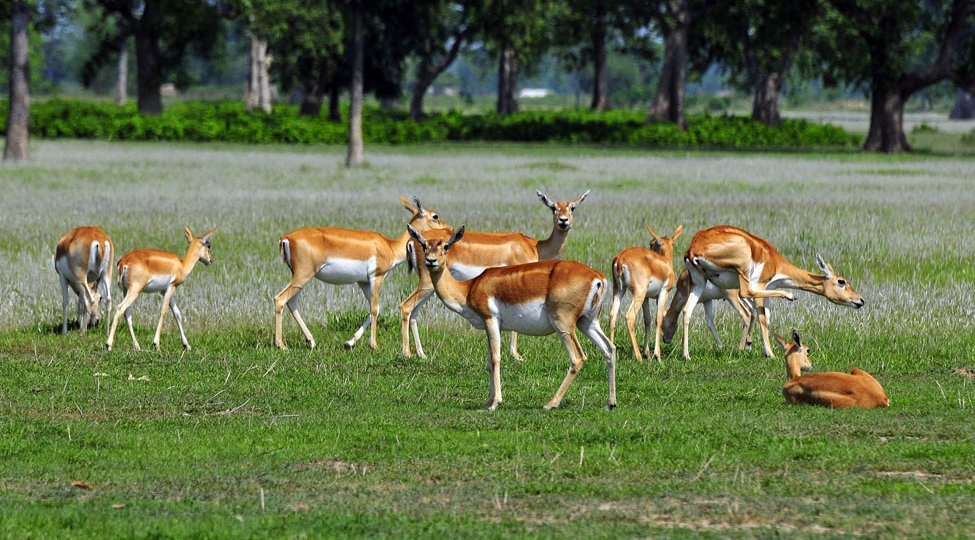

- Top 15 Biggest Cities in Nepal by Population: Walk With Me Through Urban Nepal
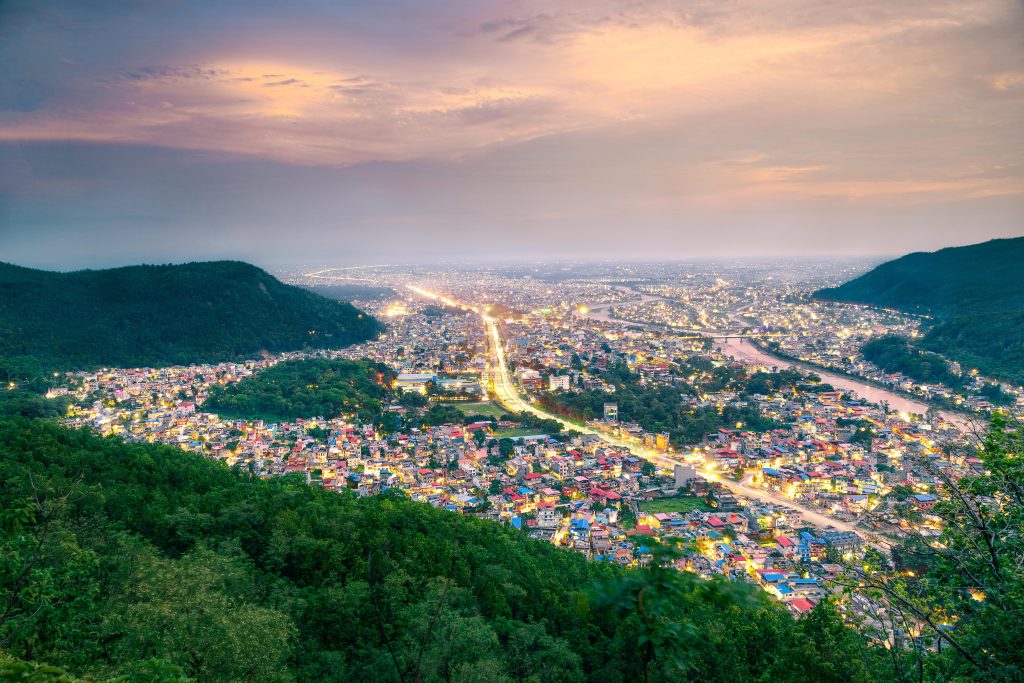
- Two Weeks in Nepal: How to Plan the Ultimate Trip Across the Roof of the World
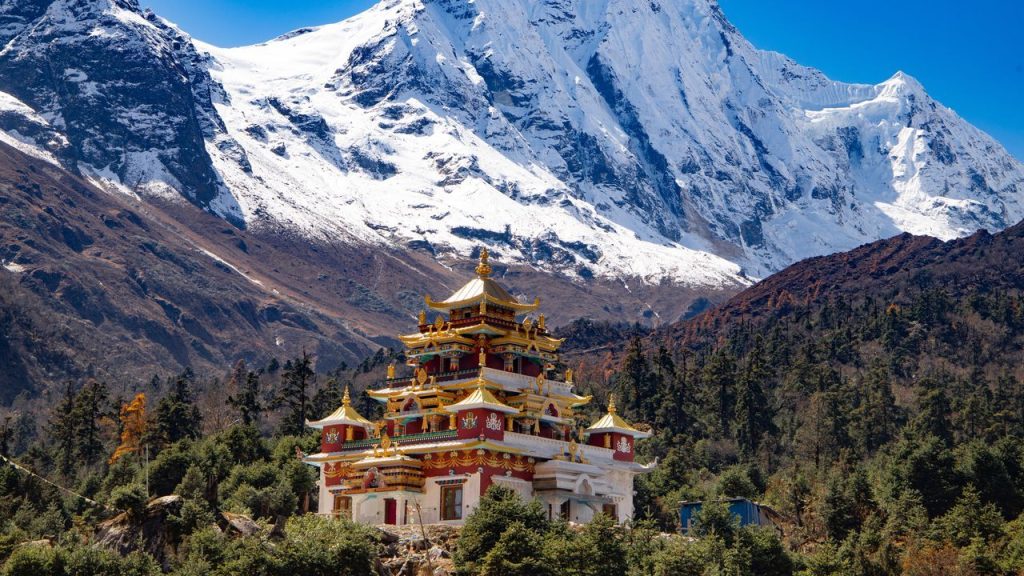
- Pokhara Calling: Why Nepal’s Lakeside City Will Steal Your Heart (and When to Go)
- Beyond Dal Bhat: A Traveller’s Guide to the Foods of Nepal
- No More Solo Trekking: Everything You Need to Know About Nepal’s 2026 Trekking Rules