Now Reading: Kathmandu Durbar Square: Where Kings, Gods, and a Nation Found Their Centre
-
01
Kathmandu Durbar Square: Where Kings, Gods, and a Nation Found Their Centre
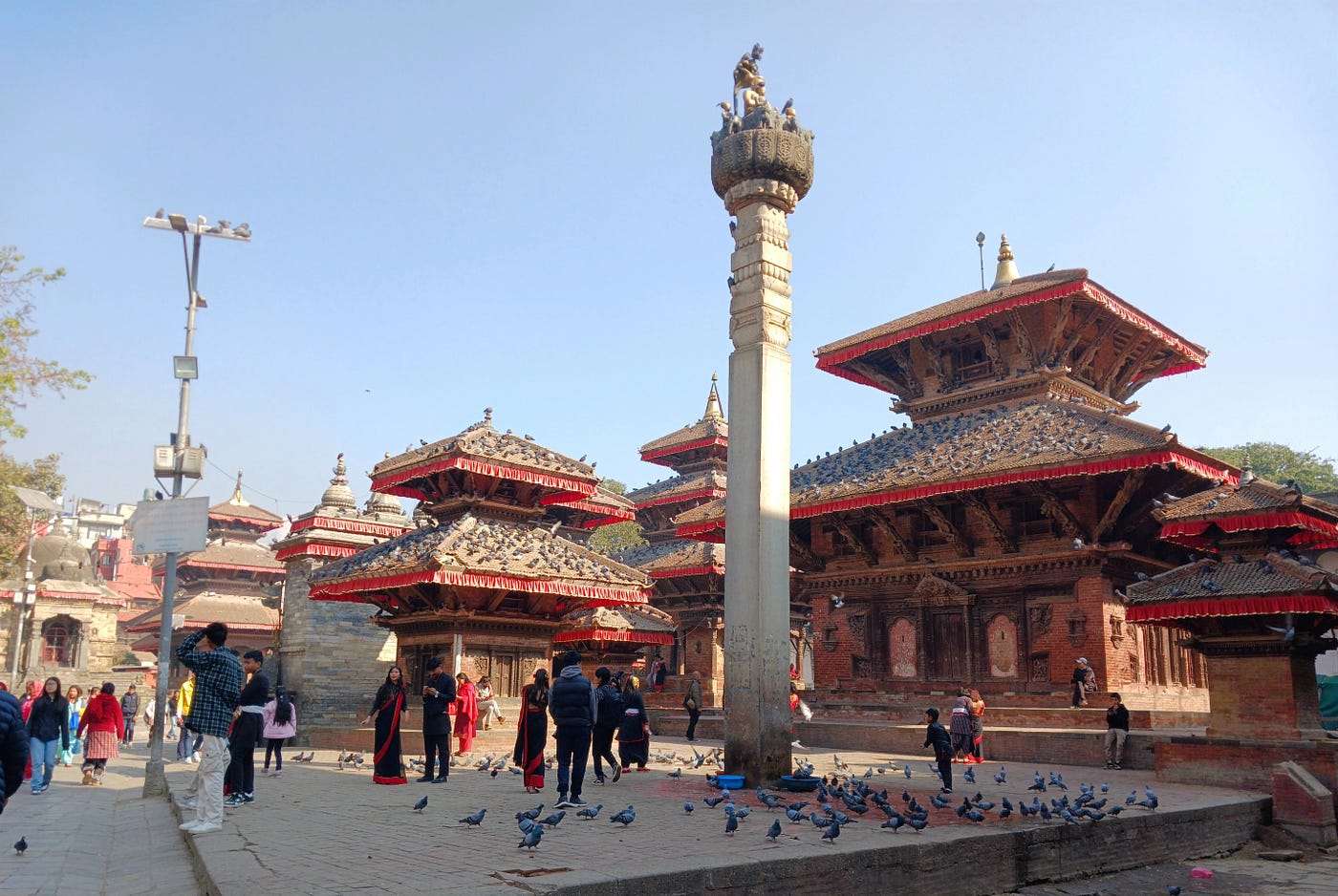
Kathmandu Durbar Square: Where Kings, Gods, and a Nation Found Their Centre

There are places that feel important the moment you step into them.
Kathmandu Durbar Square is one of those places.
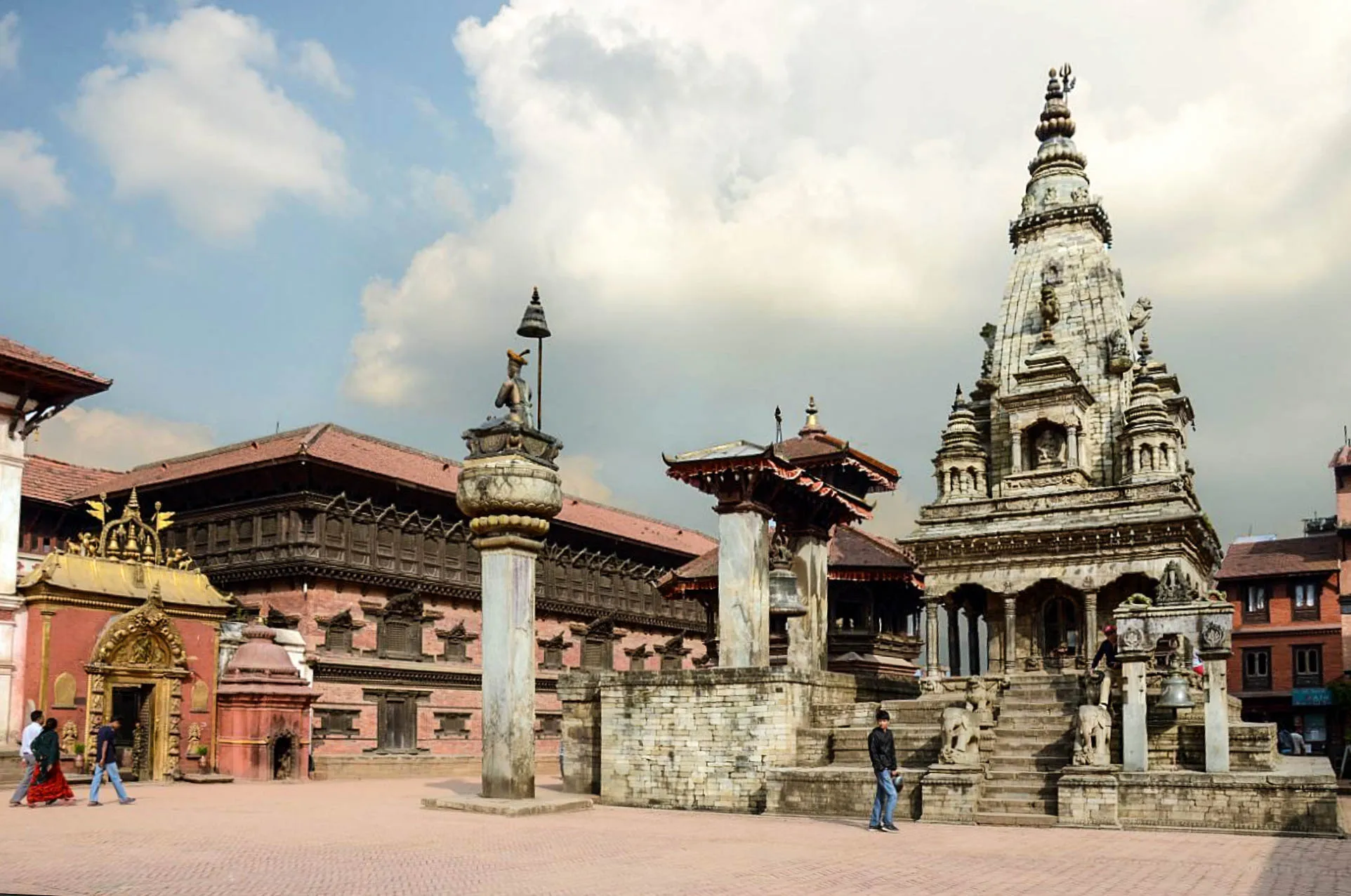
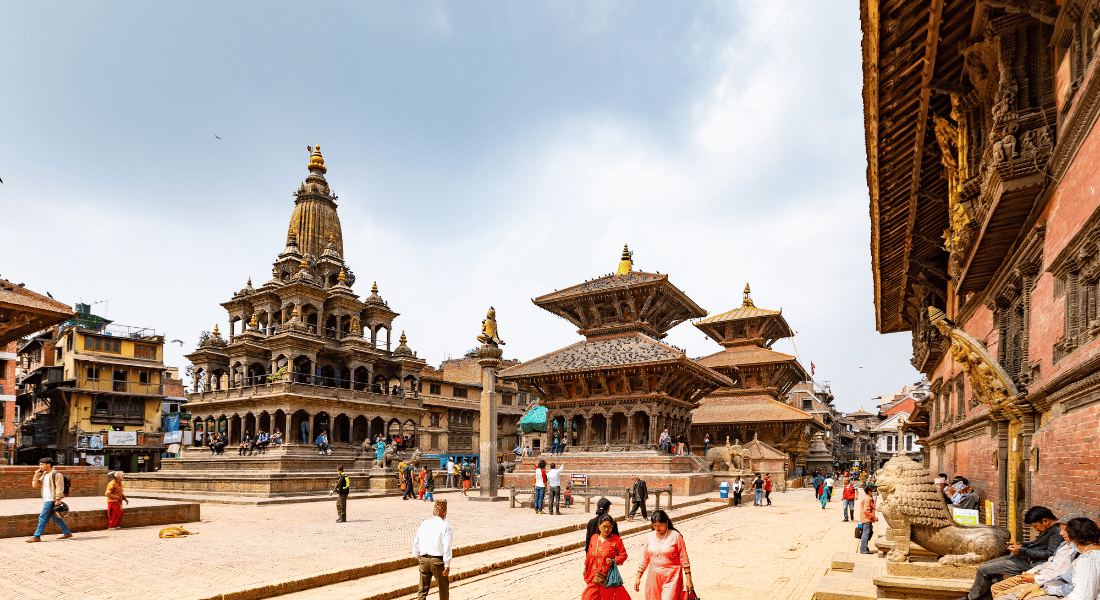
It does not overwhelm you with marble facades or vast ceremonial gardens. Instead, it pulls you in slowly. Through carved wooden windows. Through temple bells echoing off brick walls. Through courtyards where pigeons rise suddenly into the sky. Through the quiet rhythm of incense smoke drifting upward at dawn.
This is not just a collection of monuments.
It is where medieval kings ruled.
Where divine power validated political ambition.
Where the Shah dynasty anchored its legitimacy.
And where modern Nepal found its ceremonial beginning.
To understand Kathmandu Durbar Square is to understand Nepal itself.
Let’s walk through its story carefully, chronologically, and completely.
Recommended Read: UNESCO World Heritage Sites in Nepal: Complete Guide to All 10 Cultural & Natural Treasures
The Earliest Foundations: Licchavi Roots and Sacred Urban Space
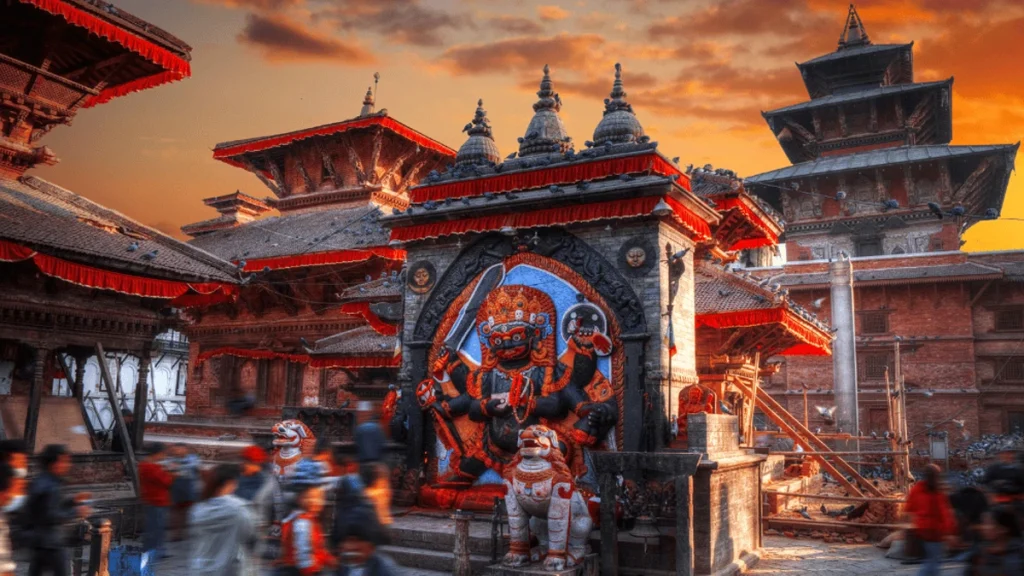
The story of Kathmandu Durbar Square begins long before the Malla kings.
Archaeological and historical evidence suggests that the site was significant during the Licchavi period, roughly between the 3rd and 8th centuries. The Licchavis established early urban settlements in the Kathmandu Valley, developed trade networks, and built stone sculptures and temples that still survive elsewhere in the valley today.
While the palace complex we see now did not fully exist then, the location itself was already a political and religious center. The Kathmandu Valley was strategically positioned between Tibet and the Indian plains, making it a thriving corridor of trade, culture, and ideas.
Even at this early stage, kingship in the valley was deeply intertwined with religion. Sacred geography shaped urban planning. Temples were not separate from governance. They were part of it.
The seeds of what would become Kathmandu Durbar Square were already planted.
The Rise of the Malla Dynasty: A Golden Age Begins
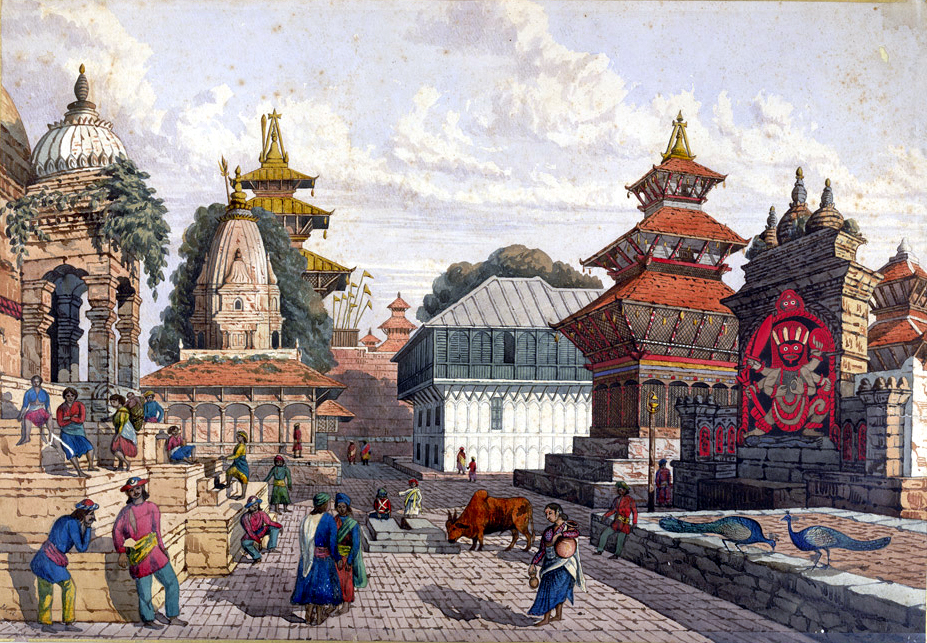
The Malla dynasty rose to prominence in the 12th century. Over time, the Kathmandu Valley became divided into three rival kingdoms:
- Kathmandu
- Patan
- Bhaktapur
Each city developed its own Durbar Square, but Kathmandu’s square became particularly significant due to its political centrality and artistic ambition.
The Malla kings were not merely rulers. They were patrons of art, architecture, literature, music, and ritual scholarship. Under their rule, the Kathmandu Valley became one of South Asia’s most refined urban civilisations.
Kathmandu Durbar Square grew gradually as each king added structures, courtyards, temples, and embellishments.
It was not built in a single moment.
It was layered across centuries.
Ratna Malla and the Consolidation of Kathmandu (1484–1520)
King Ratna Malla is often credited as the first independent Malla king of Kathmandu after the valley’s political division.
Under his reign, Kathmandu began to emerge as a distinct political identity separate from Patan and Bhaktapur. He strengthened the palace complex and consolidated royal authority in this central square.
This period marked the beginning of Kathmandu Durbar Square as a defined royal seat rather than a loosely organised court.
The square became:
- The administrative centre
- The ritual heart of governance
- The visible symbol of sovereignty
Mahendra Malla and the Sacred Dimension of Kingship (1560–1574)
King Mahendra Malla left one of the most lasting imprints on the square.
In 1564, he built the magnificent Taleju Temple, dedicating it to Taleju Bhawani, the royal goddess.
This was not simply temple construction.
It was a declaration.
Taleju became the divine guardian of the monarchy. The king ruled not merely by political authority, but by divine sanction. The temple, elevated on a high plinth with multiple tiers rising toward the sky, symbolised the elevated and sacred nature of kingship.
Access to Taleju Temple was restricted. Only royalty and select priests could enter. This exclusivity reinforced the sacred hierarchy of power.
The spiritual authority embedded in this temple would later become crucial during the Shah takeover.
Pratap Malla: Architectural Brilliance and Cultural Flourishing (1641–1674)
If there is one king who transformed Kathmandu Durbar Square into an architectural masterpiece, it was Pratap Malla.
A scholar, poet, linguist, and patron of the arts, Pratap Malla expanded the palace complex significantly. He commissioned temples, shrines, inscriptions, and courtyards that elevated the square’s artistic sophistication.
It was during his reign that the palace complex became widely known as Hanuman Dhoka, after he installed the vermilion-covered statue of Hanuman at its entrance in 1672.
Hanuman, the devoted servant of Lord Rama, symbolised loyalty, strength, and divine protection. By placing Hanuman at the palace gate, Pratap Malla aligned his kingship with sacred guardianship.
Under his rule:
- Nasal Chowk became a formal coronation courtyard
- Artistic wood carvings reached extraordinary detail
- Inscriptions in multiple languages demonstrated cultural cosmopolitanism
- The square flourished as a ceremonial stage
The Malla era represented the golden age of Newar architecture. The pagoda style, intricate wooden struts, lattice windows, and brick craftsmanship all matured here.
The Conquest of 1768: A Turning Point in Nepal’s History
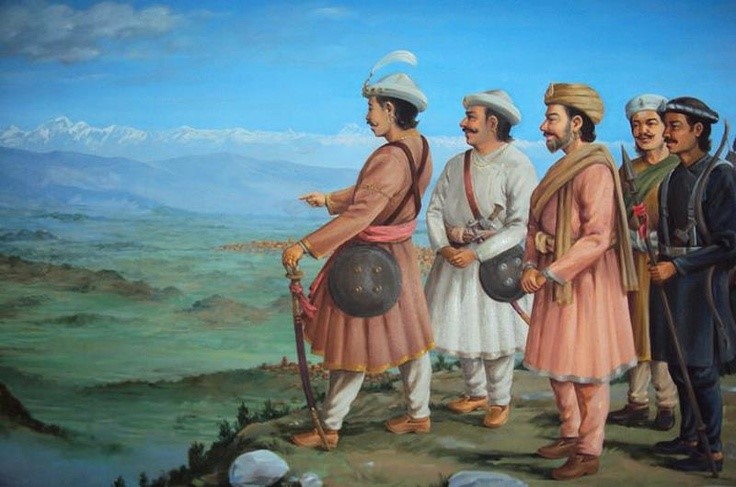
By the mid-18th century, the Malla kingdoms were weakened by rivalry.
In the hill kingdom of Gorkha, Prithvi Narayan Shah envisioned something far greater than regional rule.
After years of strategic warfare, blockades, and calculated expansion, he conquered Kathmandu in 1768.
The fall of Kathmandu was not just the collapse of a city. It was the end of Malla sovereignty.
But military conquest was only half the battle.
Kathmandu was culturally refined and spiritually complex. Its legitimacy structure was deeply tied to the goddess Taleju and the Living Kumari.
To rule from Kathmandu Durbar Square required more than victory.
It required spiritual acceptance.
The Kumari’s Blessing: Divine Legitimacy for the Shah Dynasty
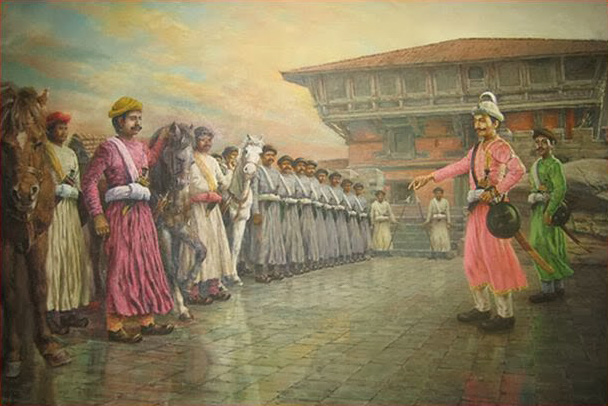
After entering Kathmandu Durbar Square, Prithvi Narayan Shah sought blessings from the Living Goddess residing in Kumari Ghar.
The Kumari, believed to embody Taleju herself, had long legitimised Malla kings.
By receiving her tika and blessing, Prithvi Narayan Shah symbolically transferred divine authority to himself.
This moment was deeply strategic and symbolic.
It meant:
- The sacred authority of Taleju now sanctioned Shah rule
- The conqueror became a legitimate king
- The cultural heart of the valley accepted new leadership
This act transformed Kathmandu Durbar Square into the ceremonial birthplace of unified Nepal.
Without that blessing, unification might have remained political.
With it, it became sacred.
Shah Dynasty Rule from Hanuman Dhoka
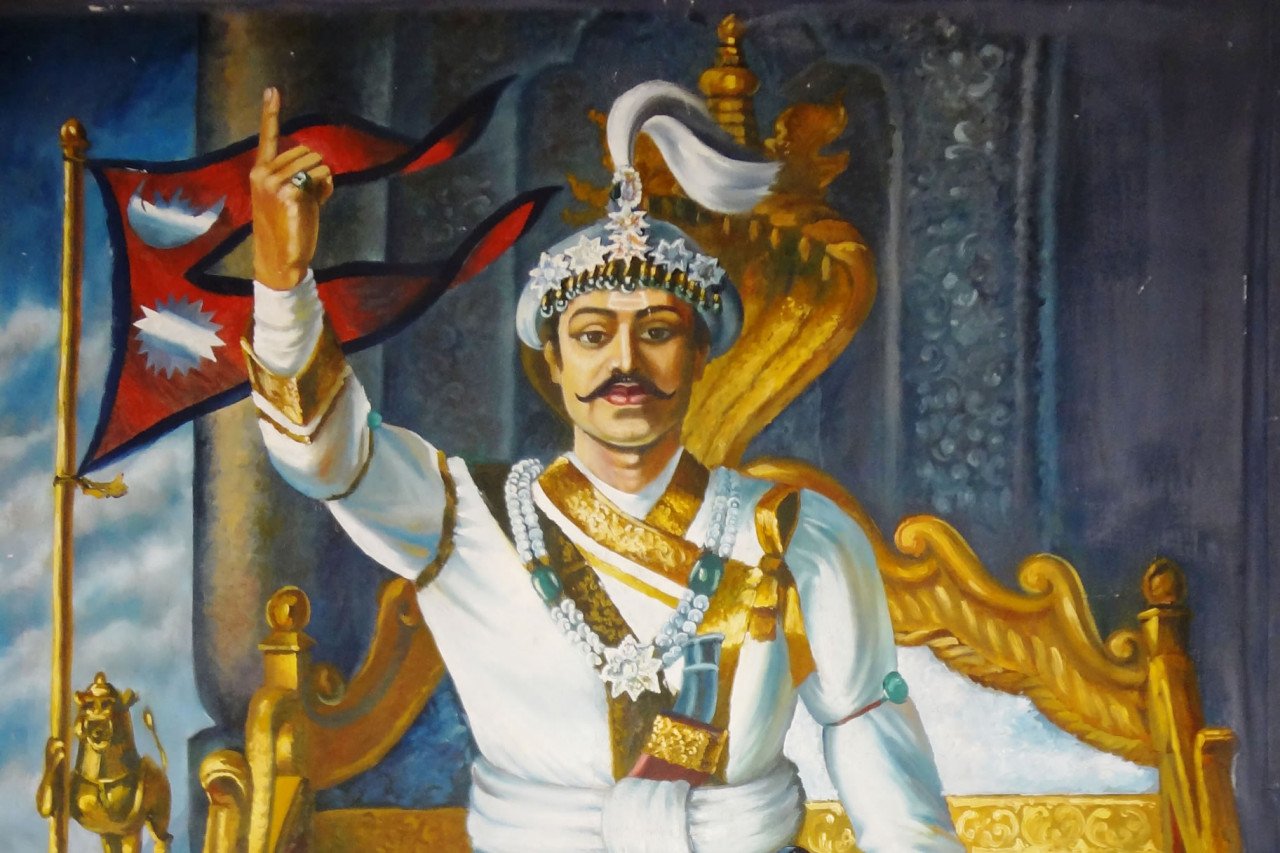
Following unification, Kathmandu became the capital of Nepal.
Hanuman Dhoka Palace served as the royal residence of the Shah kings for generations.
Coronations continued in Nasal Chowk, reinforcing continuity between Malla ritual tradition and Shah governance.
Kings who ruled from here included:
- Prithvi Narayan Shah
- Pratap Singh Shah
- Rana Bahadur Shah
- Girvan Yuddha Bikram Shah
- Rajendra Bikram Shah
Over time, real executive power shifted during the Rana regime beginning in 1846. The Rana prime ministers ruled Nepal while Shah kings remained symbolic monarchs.
Eventually, the royal residence moved to Narayanhiti Palace in the late 19th century.
Yet ceremonially and historically, Kathmandu Durbar Square remained the sacred origin of royal authority.
Kal Bhairav and the Sacred Justice System
Near the palace stands the imposing stone image of Kal Bhairav.
This fierce manifestation of Shiva symbolised divine justice.
Historically, people accused of crimes were brought before Kal Bhairav to swear oaths. It was believed that lying before the deity would bring swift and severe punishment.
Justice in Kathmandu was never purely secular.
It operated under divine watch.
Festivals: Living Heritage in Motion
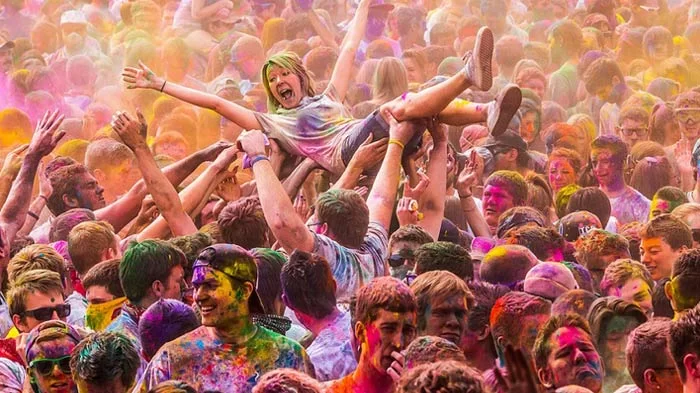
Kathmandu Durbar Square is not frozen history.
It is alive.
During Indra Jatra, the Kumari is paraded through the square in a chariot. Masked dances unfold. Drums echo between temples. Thousands gather.
During Dashain, Taleju Temple opens to the public. The square becomes a pilgrimage center.
These festivals maintain continuity between past and present. Rituals performed today are rooted in traditions centuries old.
This continuity is what makes the square extraordinary.
The Earthquake of 2015 and Restoration
On April 25, 2015, a devastating earthquake struck Nepal.
Several temples in Kathmandu Durbar Square collapsed. Historic structures suffered severe damage.
But restoration began almost immediately.
Traditional Newar artisans were central to rebuilding efforts. Timber joints, brick layering, and wood carving techniques were revived and applied carefully.
The reconstruction is not just physical.
It is cultural preservation in action.
Kathmandu Durbar Square has survived dynastic change, political transformation, and natural disaster.
Its endurance mirrors Nepal’s own resilience.
Chronological Summary of Rule from Kathmandu Durbar Square
To understand its full historical arc:
- Early Licchavi presence laid foundational urban structures
- Malla Dynasty (12th–18th century) developed and beautified the square
- Ratna Malla consolidated Kathmandu as an independent kingdom
- Mahendra Malla built Taleju Temple, embedding divine kingship
- Pratap Malla expanded Hanuman Dhoka and artistic grandeur
- Prithvi Narayan Shah conquered Kathmandu in 1768
- Shah Dynasty ruled unified Nepal from this palace complex
- Rana period shifted executive power but preserved ceremonial importance
- Modern Nepal retains the square as a cultural and historical symbol
Why Kathmandu Durbar Square Matters
Kathmandu Durbar Square is not merely architecture.
It is:
- The artistic legacy of the Malla golden age
- The site of Nepal’s unification
- The square where divine blessing shaped political destiny
- The ceremonial foundation of the Shah dynasty
- A living cultural landscape
When Prithvi Narayan Shah stood here and received the Kumari’s blessing, Nepal’s political map changed.
But more importantly, its spiritual narrative changed.
That is why this square matters so deeply.
Stand here long enough, and you are not just looking at temples.
You are standing where Nepal became a nation.
Stay Informed With the Latest & Most Important News
- Poon Hill Trek: The Complete Guide
- Top 15 Biggest Cities in Nepal by Population: Walk With Me Through Urban Nepal
- Two Weeks in Nepal: How to Plan the Ultimate Trip Across the Roof of the World
- Pokhara Calling: Why Nepal’s Lakeside City Will Steal Your Heart (and When to Go)
- Beyond Dal Bhat: A Traveller’s Guide to the Foods of Nepal