Now Reading: A Step-by-Step Guide to Preparing for Your Trip to Nepal
-
01
A Step-by-Step Guide to Preparing for Your Trip to Nepal
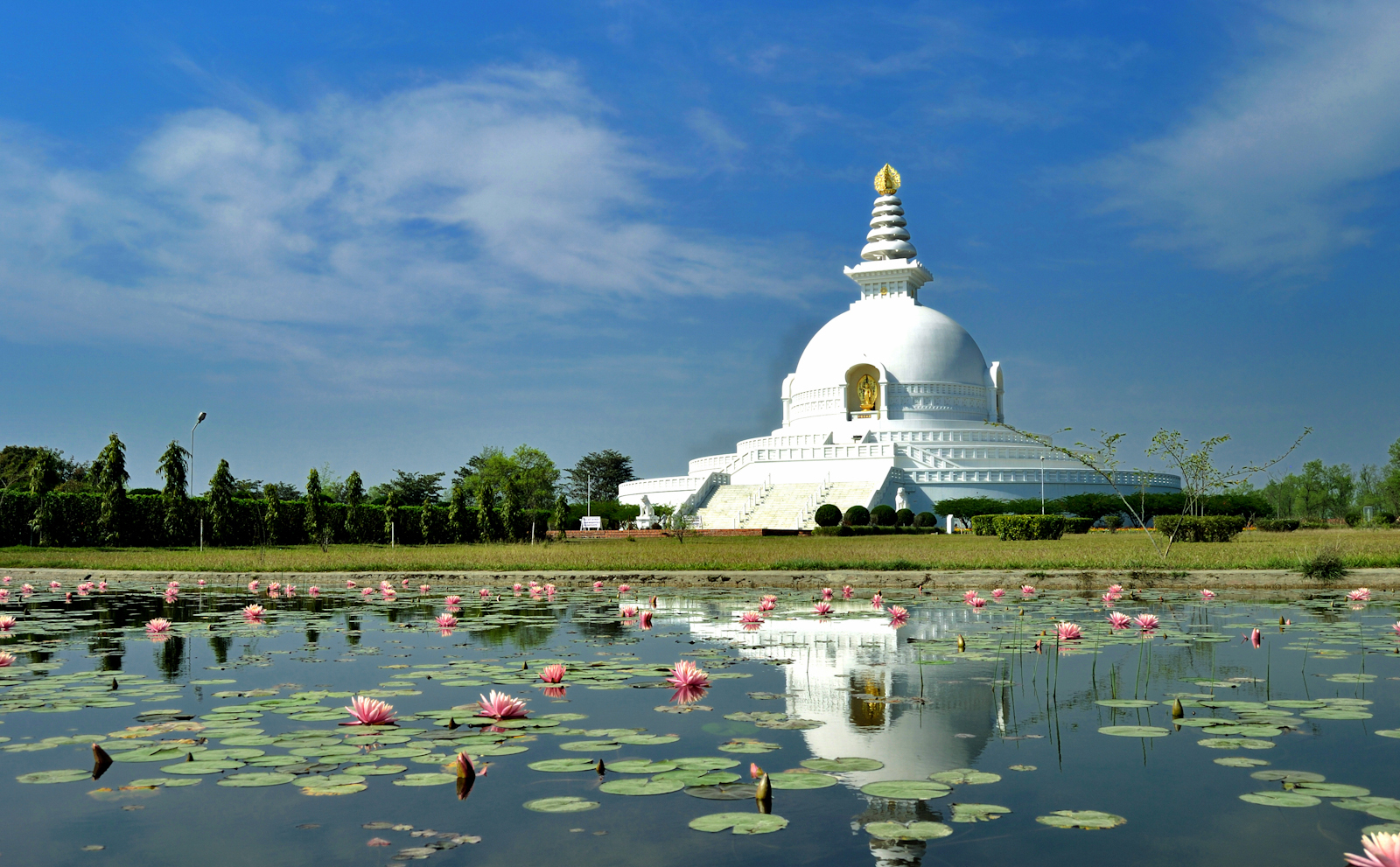

Travelling to Nepal is not just about booking a flight and packing a bag; it’s about preparing your mind, expectations, and plans for a country that rewards curiosity and patience. Nepal can feel chaotic at first, but with the right preparation, it becomes one of the most enriching destinations you will ever experience.
Whether you are coming for the Himalayas, culture, food, or spiritual reset, this step-by-step guide walks you through everything you should prepare before you land in Nepal, from research and flight planning to packing, accommodation, and choosing where to go.
Step 1: Start With Research (This Shapes Everything)
Before spending a single penny on flights, spend time understanding what kind of Nepal experience you want.
Ask yourself:
- Are you travelling for trekking, culture, food, or relaxation?
- Do you prefer slow travel or packed itineraries?
- Are you travelling solo, as a couple, or with friends?
Nepal offers wildly different experiences depending on your choices. A two-week trekking-focused trip looks very different from a two-week cultural or food-focused journey.
Key research areas:
- Seasons & weather (crucial for trekking)
- Cultural norms (dress, greetings, etiquette)
- Travel pace (distances look short but take time)
- Budget expectations (Nepal can be affordable but varies by style)
Good early research helps you avoid unrealistic plans, like trying to “see all of Nepal” in ten days.
Step 2: Choose the Right Time to Visit Nepal
Timing your trip correctly can make or break your experience.
Best seasons:
- Autumn (September–November): Clear skies, festivals, best trekking conditions
- Spring (March–May): Rhododendrons, warm days, good visibility
Seasons to be cautious about:
- Monsoon (June–August): Landslides, flight delays, leeches on trails
- Winter (December–February): Cold nights, high passes may close
If trekking is your priority, plan around mountain conditions, not just cheap flights.
Step 3: Booking Flights & Route Analysis (Don’t Rush This)
Flights to Nepal almost always land at Tribhuvan International Airport in Kathmandu, but how you get there matters.
Common routes:
- Via Middle East hubs (Doha, Dubai, Abu Dhabi) – often cheapest
- Via India (Delhi) – sometimes cheaper but more complex, and some stories of unpleasant experiences by travellers
- Via Southeast Asia (Bangkok, Kuala Lumpur) – flexible options
When analysing routes:
- Check layover durations (long layovers increase fatigue)
- Avoid tight connections in the monsoon season
- Compare baggage allowances (important for trekkers)
Tip: Slightly higher fares with better connections often save you a full day of exhaustion.
Step 4: Visa, Documents & Essentials
Nepal makes entry easy for most nationalities.
What you will need:
- Passport valid for 6+ months
- Visa on arrival (available at the airport)
- Passport photos (bring 2 just in case)
- Printed or offline copies of:
- Accommodation bookings
- Travel insurance
- Emergency contacts
Travel insurance is non-negotiable
Make sure it covers:
- High-altitude trekking
- Emergency evacuation
- Motorbike or scooter use (if applicable)
Step 5: Planning Where to Stay (Research Matters)
Nepal has accommodation for every budget, but location matters more than luxury.
Popular bases:
- Kathmandu – culture, food, history, chaos
- Pokhara – lakes, views, relaxed vibe
- Trekking routes – teahouses or lodges along the trail
Accommodation tips:
- Stay central
- Read recent reviews (infrastructure changes fast)
- Don’t pre-book everything, Nepal rewards flexibility
Homestays are also excellent if you want a deeper cultural connection, especially in rural areas.
Step 6: Deciding What Places to Visit (Be Realistic)
Nepal isn’t a checklist destination. Travel times are slow, and over-planning leads to exhaustion.
Common travel combinations:
- Kathmandu + Pokhara (classic first trip)
- Kathmandu + Trekking route (Annapurna / Langtang)
- Kathmandu + Chitwan (wildlife & jungle)
Choose fewer places, spend more time in each, and allow buffer days for weather or transport delays.
Step 7: Packing Smart for Nepal (Less Is More)
Over-packing is one of the most common mistakes.
Essentials:
- Comfortable walking shoes
- Light layers (temperatures vary daily)
- Rain jacket (even outside monsoon)
- Universal adapter & power bank
- Small first-aid kit
Trekking-specific:
- Down jacket or insulated layer
- Sleeping bag liner
- Reusable water bottle + purification tablets
You can buy or rent almost everything in Nepal, often cheaply. Pack for comfort, not “what if” scenarios.
Step 8: Money, Connectivity & Daily Life Prep
Money:
- Cash is king outside major cities
- ATMs are common but carry backup cash
- Inform your bank before travel
Internet & SIM cards:
- Buy a local SIM at the airport
- Data is cheap and generally reliable in cities
Electricity:
- Power cuts still happen
- Bring a power bank if you work or rely on your phone
Step 9: Mental Preparation (Most Important Step)
Nepal doesn’t run on strict schedules. Buses are late, plans change, weather decides things.
The more flexible you are:
- The better your experience
- The more locals open up to you
- The more meaningful your journey becomes
Slow down. Observe. Accept unpredictability.
Final Thoughts: Travel Prepared, Travel Open
Travelling to Nepal is less about ticking destinations and more about embracing moments, shared tea with strangers, unexpected festivals, and mountain views that stop you mid-step.
With thoughtful preparation and an open mindset, Nepal doesn’t just become a destination; it becomes a story you will carry long after you return home.
Related Posts
Stay Informed With the Latest & Most Important News
Previous Post
Next Post
- Banke National Park: Forest Frontiers, Wildlife Corridors, and Nepal’s Quietest Terai Wilderness
- Parsa National Park: Emerging Forest Corridors and the Quiet Future of Nepal’s Terai
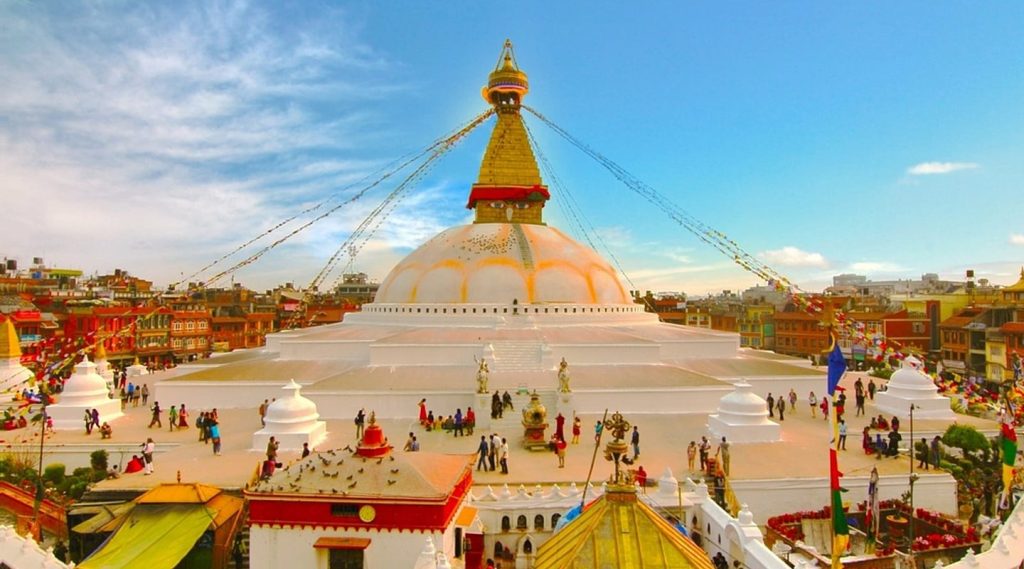
- Boudhanath Stupa: Walking the Living Mandala of Kathmandu
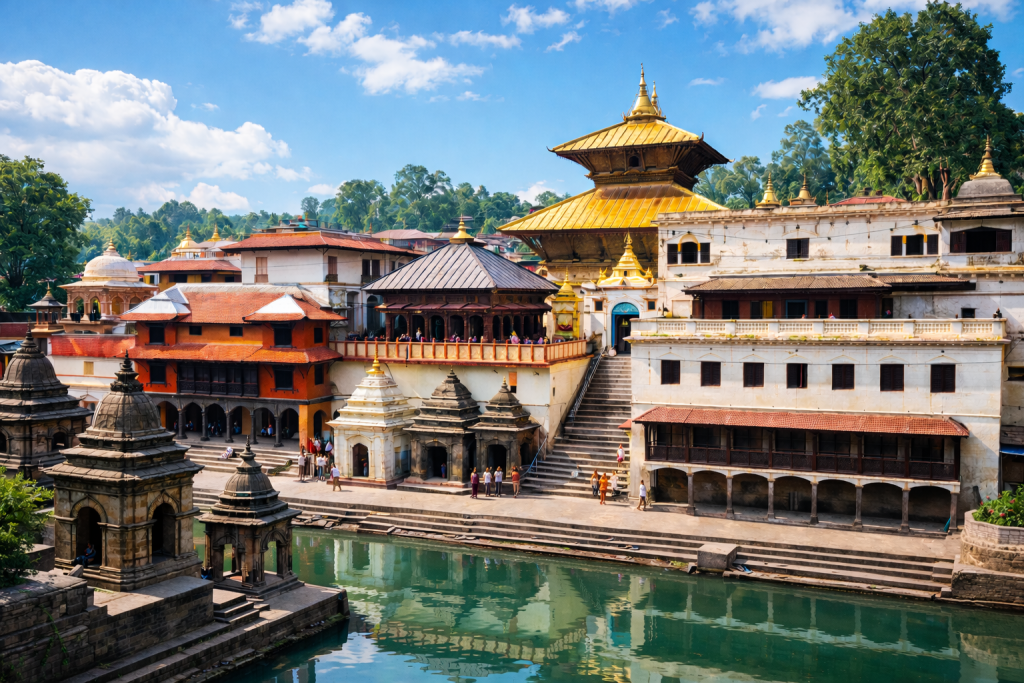
- Pashupatinath Temple: Where Nepal Bows Its Head and Finds Its Soul
- Swayambhunath Stupa: Walking Through Time at Nepal’s Ancient Monkey Temple