Now Reading: Trekking Smart: Essential Snacks to Carry Even on Well-Serviced Trails
-
01
Trekking Smart: Essential Snacks to Carry Even on Well-Serviced Trails
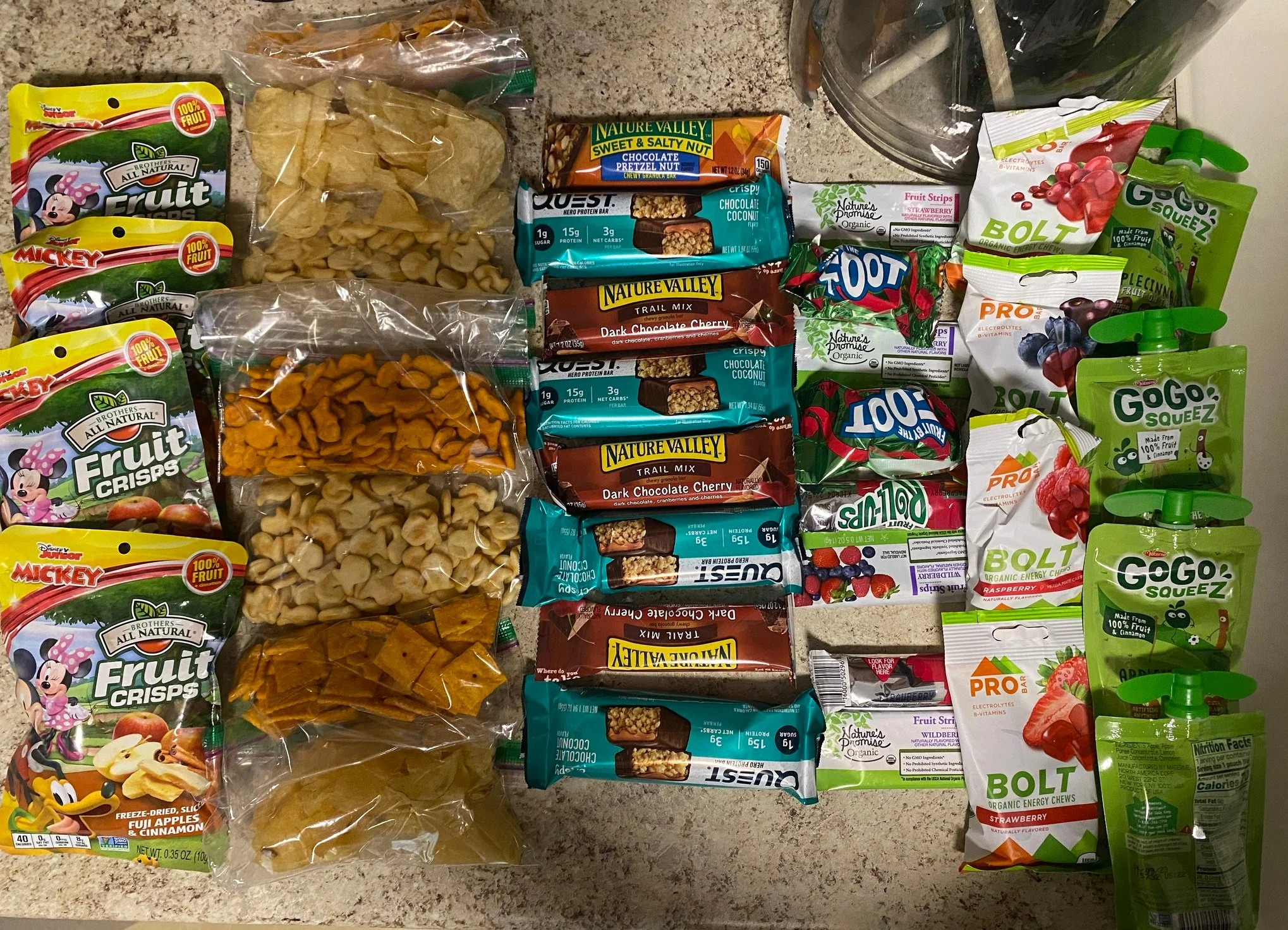

Trekking is as much a test of planning as it is of endurance. While routes, permits, and gear often take centre stage in preparation, food, especially snacks, plays a quietly critical role in keeping your energy, mood, and safety intact on the trail.
Whether you’re trekking in the Himalayas, alpine regions, or long-distance trails elsewhere, having the right snacks in your backpack can be the difference between enjoying the journey and simply enduring it.
Food Availability on Popular Trekking Routes
On many well-established trekking routes, especially in Nepal, you’re not trekking into complete wilderness.
Most popular trails, such as Everest, Annapurna, Langtang, and Manaslu regions, offer:
- Teahouses and lodges serving cooked meals
- Local eateries offering dal bhat, noodles, fried rice, pasta, and soups
- Small shops selling biscuits, chocolates, instant noodles, and soft drinks
- Hot drinks like tea, coffee, lemon ginger, and soup
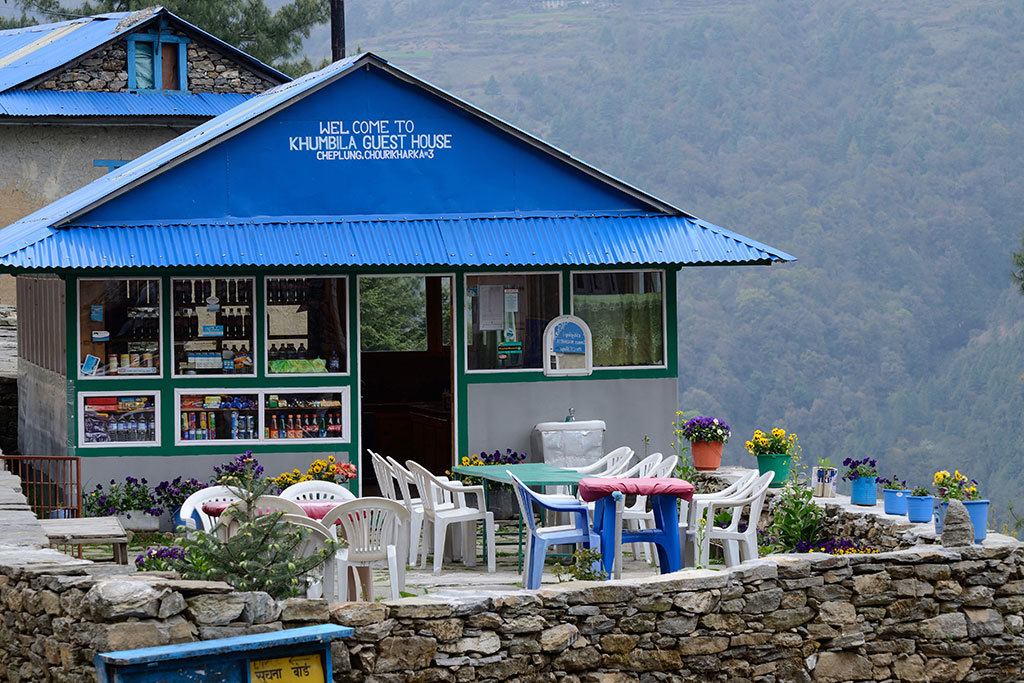
This network of facilities makes trekking accessible even to first-timers. However, availability doesn’t always mean reliability.
Why Facilities Alone Are Not Enough
- Menus become limited at higher altitudes
- Prices rise significantly the further you go
- Weather, landslides, or seasonal closures may limit access
- Appetite loss at altitude makes heavy meals difficult
- Energy dips often happen between meal stops
That’s where your own snack supply becomes essential.
Why Carry Your Own Trekking Snacks?
Even on well-serviced trails, personal snack supplies offer:
- Immediate energy when you need it most
- Dietary control (important for allergies, preferences, or restrictions)
- Backup nutrition during delays or bad weather
- Cost savings compared to buying snacks on the route
- Psychological comfort, a familiar taste, can boost morale after a tough climb
Think of snacks not as extra weight, but as portable fuel and insurance.
Essential Snack Items to Pack for Trekking
1. Energy Bars & Protein Bars
Compact, calorie-dense, and easy to eat on the move.
Why they’re great:
- High energy-to-weight ratio
- Long shelf life
- No preparation needed
Tip: Carry a mix, some carb-heavy for quick energy and some protein-based for longer satiety.
2. Trail Mix (Nuts, Seeds & Dried Fruits)
A trekking classic for good reason.
Benefits:
- Healthy fats for sustained energy
- Natural sugars from dried fruits
- Minerals like magnesium and potassium
Best combinations:
Almonds, cashews, peanuts, raisins, dried cranberries, pumpkin seeds, and coconut flakes.
3. Chocolates (Dark or Milk)
More than just a treat.
Why trekkers love them:
- Quick glucose boost
- Mood lifter after long ascents
- Easy to share with fellow trekkers
Dark chocolate also contains antioxidants and handles cooler temperatures well.
4. Biscuits & Crackers
Light, familiar, and comforting.
Good options include:
- Digestive biscuits
- Oat biscuits
- Cream crackers
Pair them with tea at a teahouse or eat them plain during short breaks.
5. Instant Soups & Cup Noodles
Perfect for cold evenings or appetite loss.
Advantages:
- Warm, comforting, and hydrating
- Easy to prepare with hot water
- Helpful at higher altitudes
Many lodges provide hot water, making these a reliable backup meal.
6. Peanut Butter or Nut Butter Sachets
Highly underrated trekking food.
Why pack them:
- Extremely calorie-dense
- Rich in healthy fats and protein
- Pairs well with bread, biscuits, or crackers
Small sachets are ideal and avoid mess.
7. Electrolyte Powders
Often overlooked but crucial.
They help with:
- Rehydration
- Preventing cramps
- Altitude-related fatigue
Just add to your water bottle for an instant boost.
8. Local Snacks (If Trekking in Nepal)
Carrying familiar local items can be both practical and cultural.
Examples include:
- Roasted soybeans or chickpeas
- Flattened rice (chiura) mixes
- Local energy balls made with jaggery
They’re lightweight, affordable, and often easier to digest.
How Much Snack Food Should You Carry?
A general rule:
- 1–1.5 kg of snacks for a 7–10 day trek
- Enough for 1–2 days of backup at any time
You don’t need to carry snacks for every single day; restock when possible, but always keep an emergency buffer.
Smart Packing Tips for Trekking Snacks
- Repack snacks into zip-lock bags to save space
- Distribute snacks across your pack for easy access
- Keep quick-energy snacks in jacket or hip pockets
- Avoid foods that melt, spoil, or crumble easily
- Label or separate daily portions to avoid overeating early
Final Thoughts: Food Is Part of Safety, Not Luxury
While trekking routes today offer impressive infrastructure, self-sufficiency remains a core trekking principle. Snacks are not just about hunger; they support endurance, decision-making, warmth, and morale.
When your legs are tired, the weather turns, or the trail stretches longer than expected, that small energy bar or handful of nuts can feel invaluable.
Pack smart, eat regularly, and treat your food supply as seriously as your boots and jacket.
Your body and your trek will thank you for it.
Stay Informed With the Latest & Most Important News
Previous Post
Next Post
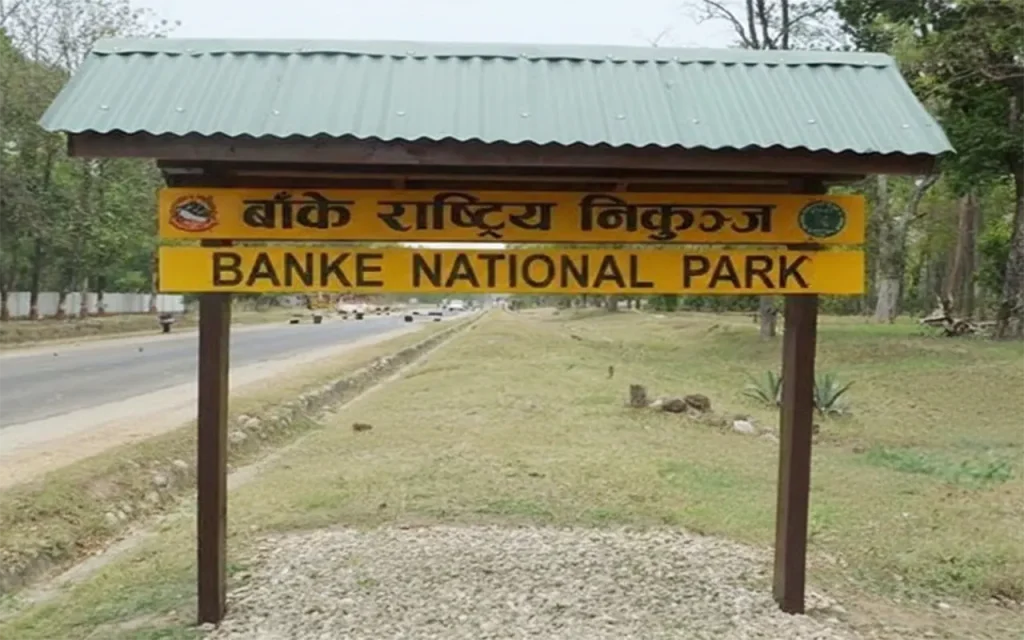
- Banke National Park: Forest Frontiers, Wildlife Corridors, and Nepal’s Quietest Terai Wilderness
- Parsa National Park: Emerging Forest Corridors and the Quiet Future of Nepal’s Terai

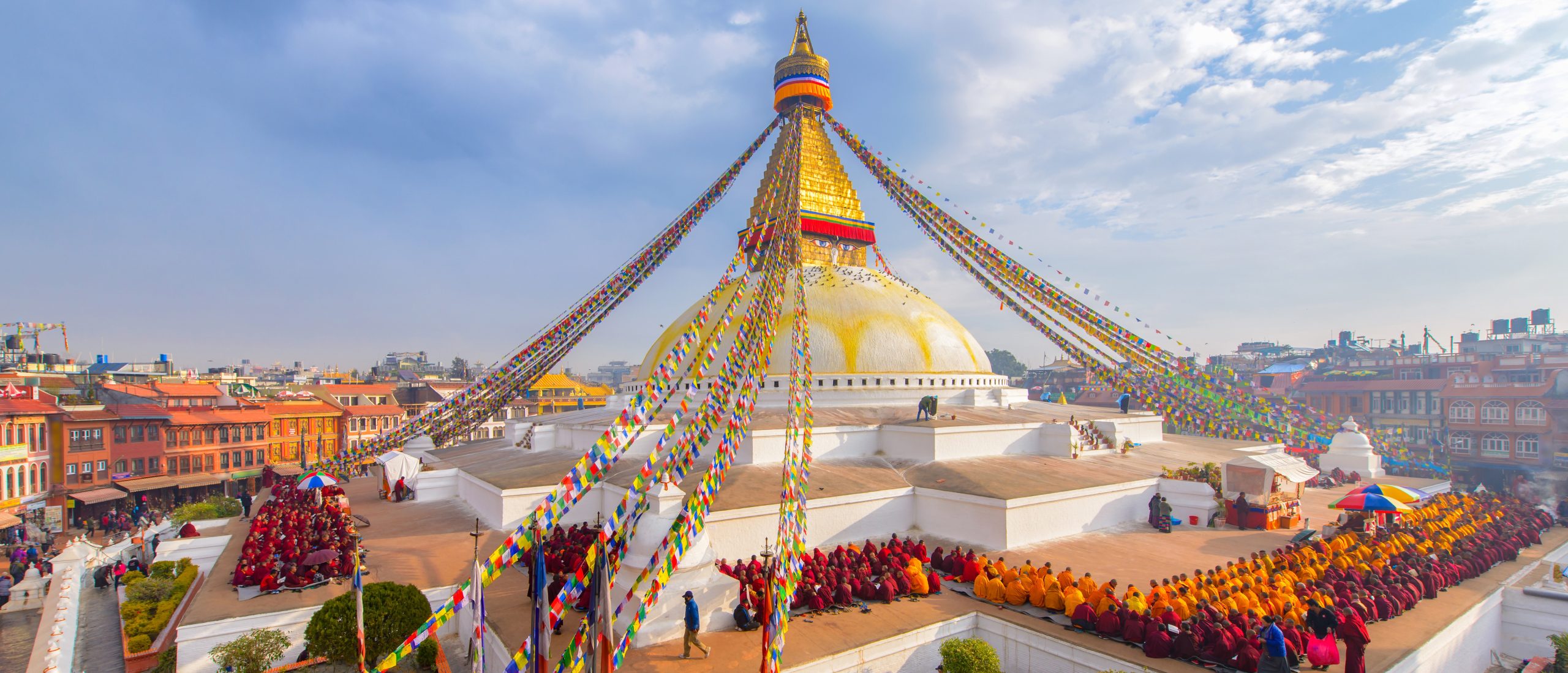
- Boudhanath Stupa: Walking the Living Mandala of Kathmandu
- Pashupatinath Temple: Where Nepal Bows Its Head and Finds Its Soul
- Swayambhunath Stupa: Walking Through Time at Nepal’s Ancient Monkey Temple