Now Reading: Everest Base Camp Trek: The Ultimate Guide to the World’s Most Iconic Himalayan Journey
-
01
Everest Base Camp Trek: The Ultimate Guide to the World’s Most Iconic Himalayan Journey
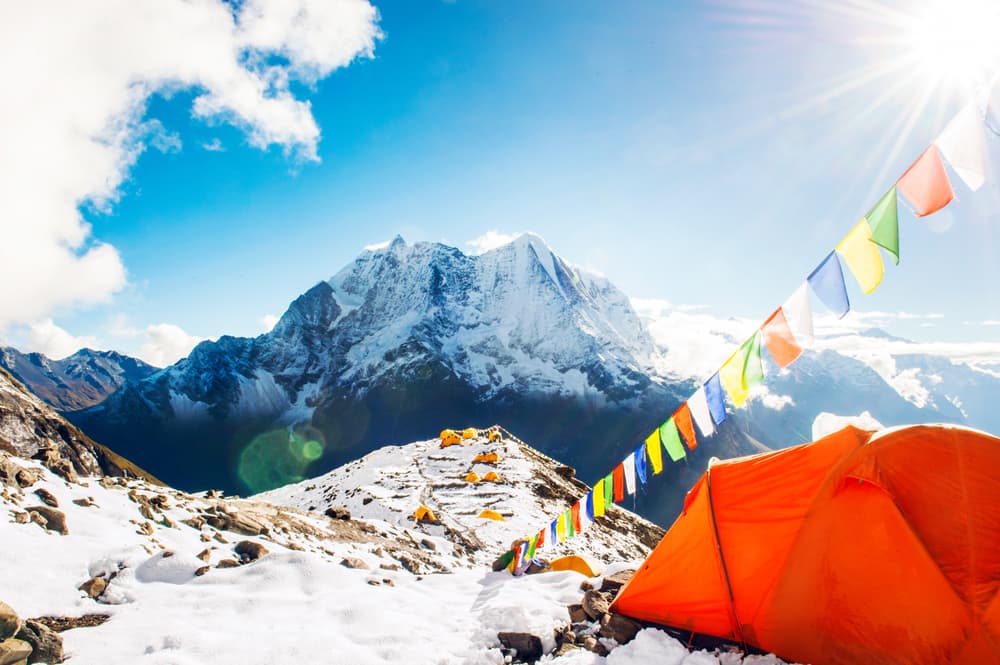
Everest Base Camp Trek: The Ultimate Guide to the World’s Most Iconic Himalayan Journey

The Everest Base Camp (EBC) Trek is more than a hike; it’s a pilgrimage into the heart of the Himalayas. For many travellers, it represents a once-in-a-lifetime dream: walking beneath the shadow of Mount Everest, passing ancient monasteries, crossing swinging suspension bridges, and standing at the very base of the world’s highest mountain.
If you’re planning this trek for the first time, this guide will walk you through everything you need to know, from preparation and permits to daily routes, altitude safety, packing, costs, and what the experience really feels like on the ground.
Why Trek to Everest Base Camp?
Everest Base Camp sits at 5,364 metres (17,598 ft) in Nepal’s Khumbu region. Unlike technical climbing expeditions, the trek does not require mountaineering skills, just determination, preparation, and respect for altitude.
What makes EBC special:
- Views of four 8,000-metre peaks (Everest, Lhotse, Makalu, Cho Oyu)
- Deep immersion into the Sherpa culture
- Historic trails used by Everest pioneers
- A powerful sense of achievement for non-climbers
This is a trek that challenges you mentally, physically, and emotionally, and rewards you tenfold.
Where Is Everest Base Camp?
Everest Base Camp lies inside Sagarmatha National Park, a UNESCO World Heritage Site in northeastern Nepal, close to the Tibetan border.
The journey begins with a flight from Kathmandu to Lukla, often called the world’s most thrilling airport.
How Long Is the Everest Base Camp Trek?
Most standard itineraries take 12–14 days, including acclimatisation days.
Typical Time Breakdown
- Kathmandu to Lukla flight: 1 day
- Trekking days to EBC: 8–9 days
- Return trek to Lukla: 3–4 days
- Buffer days (recommended): 1–2 days
Rushing this trek is dangerous. Acclimatisation is non-negotiable.
Best Time to Trek Everest Base Camp
🌸 Spring (March–May) – Best Overall
- Stable weather
- Rhododendron blooms
- Busy but vibrant trails
🍁 Autumn (September–November) – Most Popular
- Crystal-clear mountain views
- Cool, dry conditions
- Peak trekking season
❄️ Winter (December–February)
- Fewer crowds
- Very cold nights
- Snow may block high passes
🌧️ Monsoon (June–August)
- Flights often delayed
- Leeches and clouds
- Not recommended for first-timers
First-time travellers should aim for spring or autumn.
Permits Required for Everest Base Camp
You’ll need two permits:
- Sagarmatha National Park Permit
- Khumbu Pasang Lhamu Rural Municipality Permit
These are usually arranged in Kathmandu or Monjo (park entrance). If you trek with a guide or agency, they handle this for you.
Everest Base Camp Trek Route (Day-by-Day Overview: A First-Timer’s Experience)
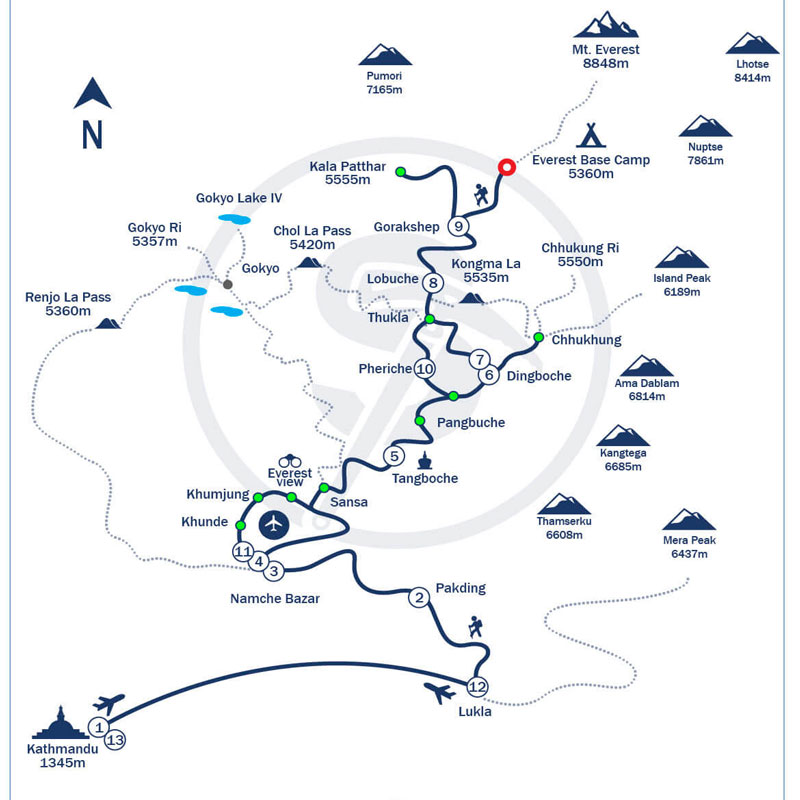
This is not just a route, it’s a progressive journey into altitude, isolation, and awe. Each day brings subtle physical changes, deeper landscapes, and a growing sense of humility beneath the Himalayas.
Below is what you can expect, feel, see, and learn day by day.
Day 1: Fly to Lukla (2,860m) – Trek to Phakding (2,610m)
Flight time: ~30 minutes
Trek duration: 3–4 hours
The journey begins with one of the world’s most dramatic flights from Kathmandu to Lukla. As the plane weaves between mountains and lands on a short, sloped runway, the reality hits: this is really happening.
After tea and a short briefing, the trek begins gently. The trail descends slightly through pine forests, past mani stones, fluttering prayer flags, and small Sherpa villages.
How it feels:
- Excitement mixed with nerves
- Legs feel strong, breathing is easy
- Everything feels new and surreal
What to note:
- This is a warm-up day, don’t rush
- Break in your boots properly
- Enjoy your first night in a Himalayan teahouse
Day 2: Phakding to Namche Bazaar (3,440m)
Trek duration: 6–7 hours
This is the first truly challenging day, physically and mentally. You’ll cross several iconic suspension bridges, including the thrilling Hillary Suspension Bridge, before beginning a long, steep ascent.
The final climb into Namche Bazaar is relentless, but rewarding.
How it feels:
- Legs burn on the final ascent
- Breathing becomes noticeably heavier
- First real taste of altitude
What you’ll see:
- Glimpses of Everest on clear days
- A bowl-shaped town carved into the mountainside
- Bakeries, gear shops, and buzzing trekking energy
First-timer tip:
If you feel tired or emotional tonight, that’s normal. Altitude affects mood as much as oxygen levels.
Day 3: Acclimatisation Day in Namche Bazaar
Hiking time: 3–4 hours (optional hikes)
Acclimatisation doesn’t mean resting all day, it means climb high, sleep low.
Short hikes above Namche help your body adapt. A popular option is a hike to the Everest View Hotel or nearby villages like Khumjung.
How it feels:
- Appetite may drop slightly
- Sleep can be lighter
- Energy fluctuates
Why this day matters:
Many trekkers who skip or rush acclimatisation don’t reach Base Camp. This day dramatically increases your success rate.
Bonus experience:
Explore Namche’s cafés, Sherpa Museum, and gear shops. This is the last place with relative comfort.
Day 4: Namche Bazaar to Tengboche (3,860m)
Trek duration: 5–6 hours
The trail contours high above the Dudh Koshi valley, offering breathtaking views of Everest, Lhotse, and Ama Dablam. The descent to the river is followed by a steep climb through rhododendron forests.
You arrive at Tengboche Monastery, the spiritual heart of the region.
How it feels:
- Scenic but tiring
- Altitude begins to slow your pace
- A sense of calm settles in
Highlight:
Evening prayers at the monastery, deep chants echoing against snow peaks.
Day 5: Tengboche to Dingboche (4,410m)
Trek duration: 5–6 hours
The landscape changes dramatically today. Trees thin out, replaced by alpine terrain and wide valleys. You’ll notice stone walls protecting crops from icy winds.
How it feels:
- Breathing becomes deliberate
- Walking pace slows naturally
- Nights become much colder
Important:
From here on, hydration and nutrition are critical. Eat even if you don’t feel hungry.
Day 6: Acclimatisation Day in Dingboche
Optional hike: Nangkartshang Peak (~5,000m)
This is another crucial adaptation day. The optional hike is steep but short and gives your body valuable exposure to altitude.
How it feels:
- Headaches may appear (mild is okay)
- Sleep can be restless
- Confidence grows as lungs adapt
Mental shift:
You’re no longer “trekking”, you are mountain travelling now.
Day 7: Dingboche to Lobuche (4,940m)
Trek duration: 5–6 hours
The trail passes the sobering Everest Memorials, stone tributes to climbers who lost their lives. It’s quiet. Reflective. Powerful.
How it feels:
- Walking becomes slow and rhythmic
- Shortness of breath is constant but manageable
- Emotions often surface unexpectedly
Tip:
Keep layers handy, weather changes fast at this altitude.
Day 8: Lobuche to Gorak Shep (5,164m) – Everest Base Camp (5,364m)
Trek duration: 7–8 hours
This is the big day.
After reaching Gorak Shep and dropping your bags, you trek onward across glacial moraine to Everest Base Camp.
There is no towering summit view here, but standing among ice, rock, and prayer flags where expeditions begin is deeply moving.
How it feels:
- Exhausting but euphoric
- Cold, windy, emotional
- A powerful sense of achievement
Reality check:
You don’t stay long; altitude demands you return to Gorak Shep.
Day 9: Kala Patthar (5,545m) – Trek Down to Pheriche
Start time: 6-8 hours
The pre-dawn climb to Kala Patthar is cold, dark, and steep, but it offers the best view of Everest.
Sunrise paints the peaks gold. Many consider this the true highlight of the trek.
How it feels:
- Breathing is hard
- Cold bites through gloves
- Emotion hits hard at the summit
Afterwards, you descend, lungs thankful for every step downward.
Days 10–12: Return Trek to Lukla
The return journey feels lighter, faster, and more reflective. You notice details you missed on the way up.
How it feels:
- Stronger legs
- Easier breathing
- A growing sense of completion
Celebrations in Lukla are common, hot showers, cold beers, and shared stories.
Altitude Sickness: What First-Timers Must Know
Altitude is the biggest challenge on the EBC trek.
Common Symptoms
- Headache
- Nausea
- Loss of appetite
- Fatigue
- Dizziness
Prevention Tips
- Walk slowly (slower than you think)
- Drink 3–4 litres of water daily
- Avoid alcohol
- Never skip acclimatisation days
- Listen to your guide or body
Descending is the only cure; never ignore symptoms.
Do You Need a Guide or Porter?
As of recent trekking regulations, a licensed guide is required for most trekkers.
Guide
- Navigation & safety
- Cultural insight
- Emergency handling
Porter
- Carries your bag (usually up to 15 kg)
- Allows you to trek comfortably
Hiring local support also directly benefits the Khumbu economy.
What to Pack for Everest Base Camp
Essential Clothing
- Down jacket (-10°C to -20°C rated)
- Thermal base layers
- Fleece mid-layers
- Waterproof jacket & pants
Footwear
- Broken-in trekking boots
- Warm socks (wool preferred)
Gear
- Sleeping bag (-10°C minimum)
- Trekking poles
- Headlamp
- Sunglasses (UV protection)
Health & Safety
- Personal meds
- Diamox (consult doctor)
- Sunscreen & lip balm
Food & Accommodation on the Trail
Teahouses
- Basic but cosy lodges
- Shared bathrooms at higher altitudes
- Heated dining rooms
Food
- Dal Bhat (lentils, rice, vegetables), unlimited refills
- Noodles, soups, potatoes
- Avoid meat above Namche (no refrigeration)
Food prices increase with altitude due to porter transport.
Cost of Everest Base Camp Trek
Budget Breakdown (Approx.)
- Flights (Kathmandu–Lukla RT): $300–$400
- Permits: $40–$50
- Guide (per day): $25–$35
- Porter (per day): $18–$25
- Accommodation & food: $25–$40/day
Total estimate: $1,200–$2,000, depending on comfort and support.
Physical Fitness: How Fit Do You Need to Be?
You don’t need to be an athlete, but you do need preparation.
Recommended:
- Regular cardio (walking, hiking, stairs)
- Strength training for legs
- Practice hikes with a backpack
Mental resilience is just as important as physical strength.
Connectivity, Charging & Internet
- Wi-Fi available in teahouses (paid)
- Mobile signal up to Namche/Dingboche
- Charging costs increase with altitude
- Carry a power bank
Cultural Etiquette & Responsible Trekking
- Walk clockwise around the mani stones
- Ask before photographing locals
- Dress modestly
- Carry out your waste
- Support local teahouses and shops
What the Everest Base Camp Trek Really Gives You
The Everest Base Camp trek is worth it, absolutely, but not because it’s easy.
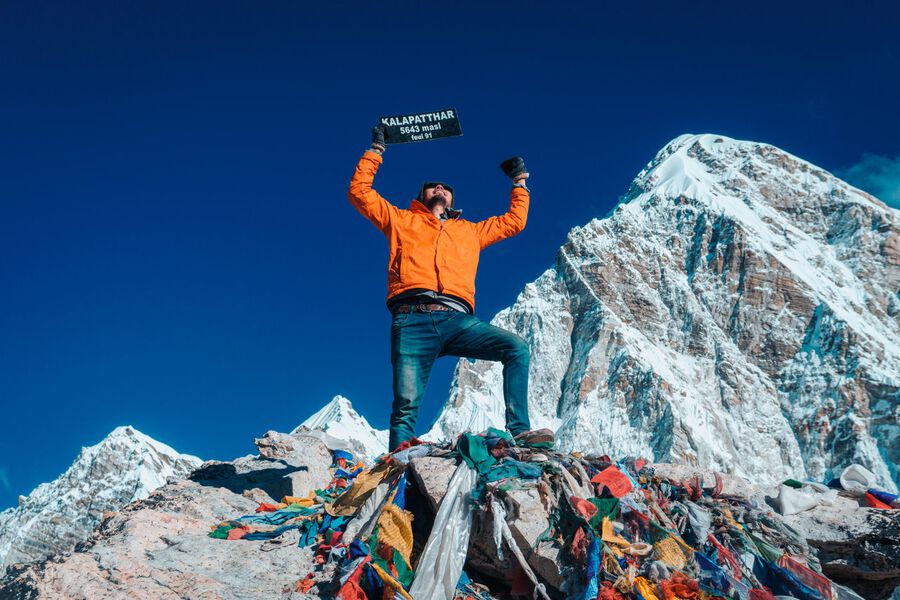
It is cold mornings and numb fingers, slow breathing and tired legs. It is learning to walk at the pace the mountains allow, not the pace your mind demands. It’s the quiet triumph of reaching a teahouse just as snow begins to fall, of sipping hot tea at 4,000 metres while prayer flags snap sharply in the wind.
Along the way, strangers become companions. Conversations happen slowly, between breaths. You share food, laughter, aches, and silence with people you met only days before, bound together by the same thin air and shared determination. And above it all, Everest remains vast, silent, and humbling, watching without acknowledgement.
You don’t just return with photographs. You return changed.
The Everest Base Camp trek is not something you conquer. It is something you earn, something you respect, and something you remember long after the dust has left your boots. Each day strips away comfort and replaces it with clarity. You learn patience from altitude, humility from mountains, and gratitude from the simplest routines, warm meals, clear weather, and steady steps.
For first-time trekkers, this journey is not only about standing at Base Camp. It is about discovering what you are capable of when comfort disappears, when routine dissolves, and when the only way forward is one deliberate step at a time.
And that is why the Everest Base Camp trek stays with you, long after you’ve come back down.
Stay Informed With the Latest & Most Important News
Previous Post
Next Post
- Banke National Park: Forest Frontiers, Wildlife Corridors, and Nepal’s Quietest Terai Wilderness
- Parsa National Park: Emerging Forest Corridors and the Quiet Future of Nepal’s Terai
- Boudhanath Stupa: Walking the Living Mandala of Kathmandu
- Pashupatinath Temple: Where Nepal Bows Its Head and Finds Its Soul
- Swayambhunath Stupa: Walking Through Time at Nepal’s Ancient Monkey Temple