Now Reading: From Morning Chiya to Midnight Momos: A Day of Eating Like Locals in Nepal
-
01
From Morning Chiya to Midnight Momos: A Day of Eating Like Locals in Nepal
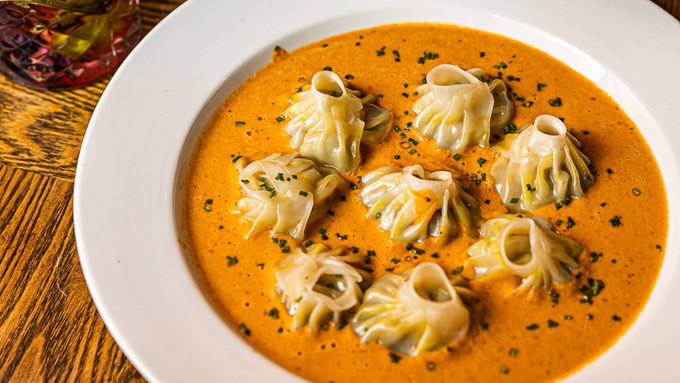

In Nepal, food doesn’t arrive with a menu; it arrives with the time of day.
Meals are not rushed, plated, or photographed. They are folded gently into daily life, into work, rest, conversations, and long pauses. To understand how people eat here, you don’t need a restaurant guide. You need time. And a willingness to follow the rhythm of the day.
This is not a list of famous dishes. This is a walk from the first cup of tea in the morning to the last bite taken before sleep.
Morning in Nepal: When the Kettle Speaks First

The day often begins before words do. In homes across villages and cities alike, a kettle finds the stove while the rest of the house still yawns. Tea leaves are pinched by feel, not measurement. Milk and sugar follow instinct, not recipe.
Chiya, Nepali milk tea, is the first ritual of the day. It warms hands before it wakes minds.
Some mornings come with roti or leftover rice from the night before. Some come with sel roti if it’s a special day. Many mornings come with nothing but tea and quiet. No one worries about breakfast being “light.” There is comfort in knowing a proper meal will come later.
Outside, shops slowly open. Inside, people sip and sit. The day does not hurry.
Late Morning: Hunger That Knows How to Wait

As the sun climbs higher, work begins in earnest. Farmers head to fields. Students walk dusty roads. Office workers squeeze onto buses. The stomach begins to notice, but it does not demand. In Nepal, hunger is patient.
Snacking before lunch is not a habit everywhere. People move through their tasks knowing that midday will bring something grounding. Something warm. Something enough.
Food here is not about filling gaps. It is about anchoring the day.
Midday: Dal Bhat Is Not Just Food, It’s a Promise
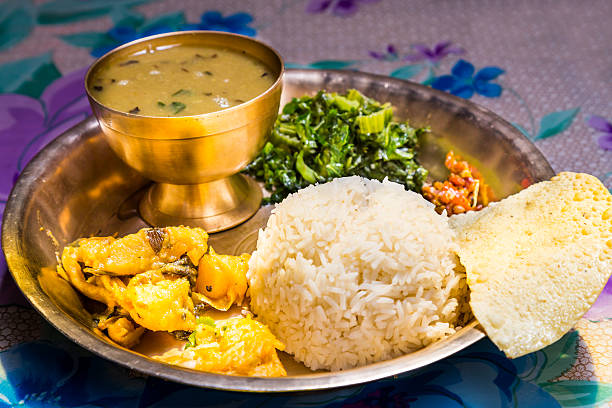
Lunch arrives quietly, but everything revolves around it.
Rice is steamed until it carries warmth, not weight. Lentils simmer until they are smooth and forgiving. Vegetables are cooked simply, potatoes, greens, and seasonal gifts from markets or gardens. Dal bhat tarkari does not try to impress. It tries to sustain.
Plates are filled generously, often more than once. Someone will always ask, “Thapnu huncha?”, Do you want more? Saying yes is expected. Refusing twice is almost rude.
Meals are eaten slowly, often by hand. There is conversation, but not distraction. The food is familiar, and that familiarity brings calm. You leave full, not heavy, not rushed, just ready to continue the day.
Afternoon: When the Streets Begin to Smell Like Hunger
By late afternoon, something changes. School bags hit the ground, and offices are empty. Feet wander, and the streets begin to cook.
Steam rises from momo stalls tucked into corners. Oil crackles as samosas are pulled from pans. Hands dip into paper cones of chatpate, stained red by spices and lime.
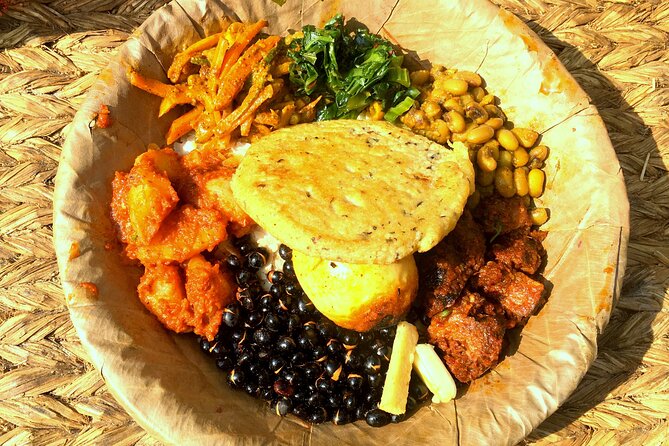
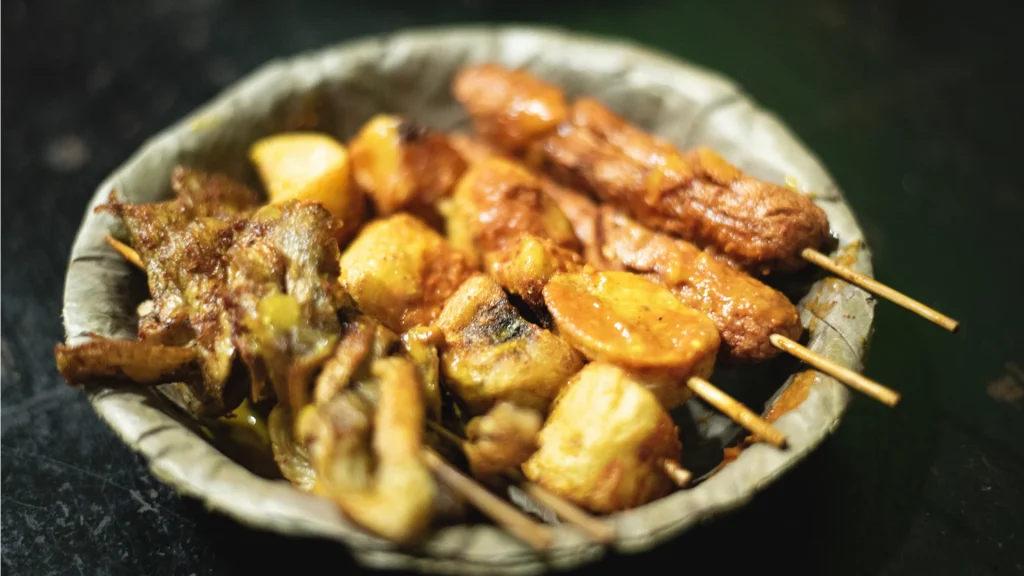
This is when food becomes playful.
People eat standing, talking, laughing and sharing bites. No one is counting calories. No one is eating alone unless they want to.
For travellers, this is often where love for Nepali food begins, not in restaurants, but in these moments of shared hunger.
Evening: Kitchens Wake Up Before the Sky Goes Dark
As daylight fades, kitchens come alive again. Someone chops garlic. Someone washes rice. Someone complains they are tired, but still cooks. Food is not optional. It is how the day is closed properly.
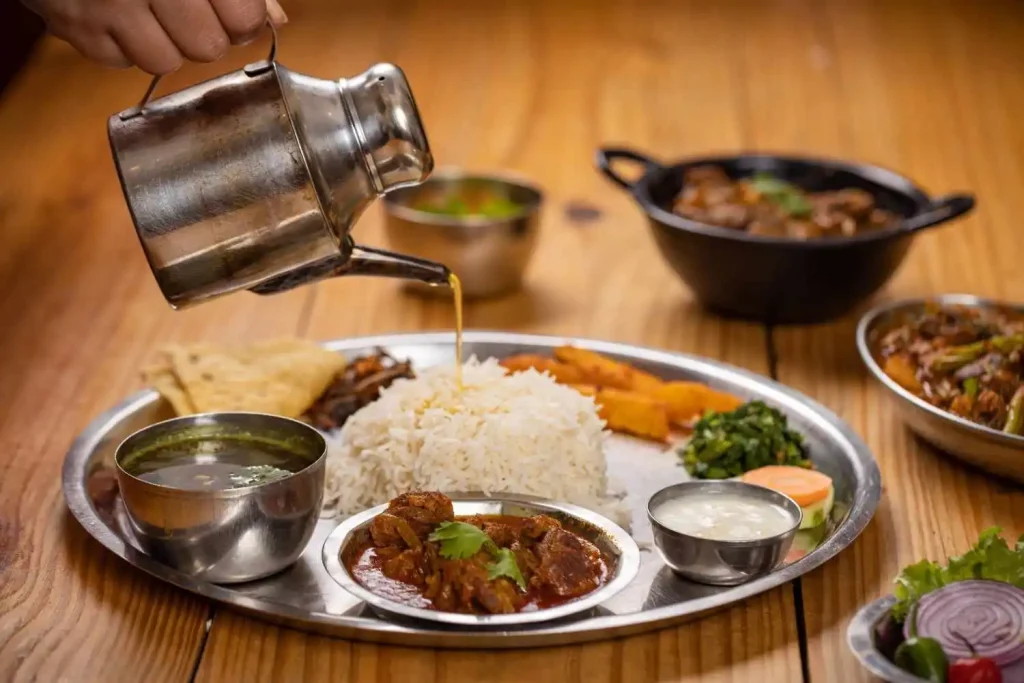
Dinner is usually simpler than lunch. Rice again, or sometimes dhido. Lentils, greens, and a small curry. Less variety, more comfort.
Families gather. Phones rest on tables, but are not always used. The meal belongs to the household. It belongs to the quiet hours.
Eating together matters. Even when words are few, presence is enough.
Night: When Hunger Has No Schedule
In Nepal, dinner does not conclude the food schedule.
After short walks after dinner or conversations after the daily soaps or shows on TV, hunger returns gently. Someone suggests momos. Someone else agrees immediately.
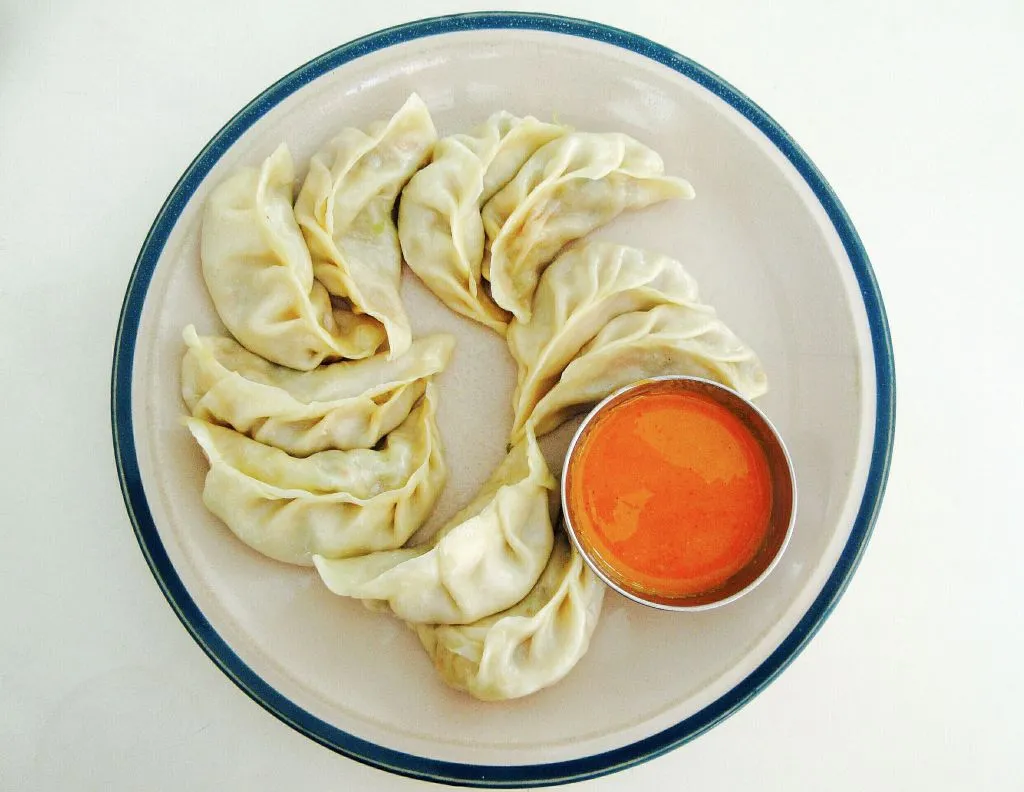
Late-night food is informal and forgiving. Leftovers reheated. Tea is brewed one last time. A shared plate, eaten slowly.
No rules. No guilt. Just listening to the body and answering it kindly.
Food Beyond the Plate: Festivals, Feasts, and Meaning
On special days, food changes its voice.
During festivals, kitchens overflow. Newari feasts spread across floors. Plates carry stories of ancestors, seasons, gods, and gratitude.
Food becomes a celebration. It becomes memory. It becomes identity.
Even then, the spirit remains the same: share first, eat together, and never let anyone leave hungry.
What Travellers Learn by Eating Like This
To eat like a local in Nepal is to learn patience.
You learn that not every meal needs excitement. That repetition can be comforting. That food tastes better when it belongs to the moment.
For travellers, the advice is simple:
- Eat what is offered.
- Sit where you are invited.
- Don’t rush the meal or the day.
Nepali food is not trying to impress you. It is inviting you in.
Final Thoughts: Following the Day Through Food
If you truly want to understand Nepal, don’t start with trekking routes or temple lists. Start with a cup of tea in the morning. Sit through lunch without looking at the time. Follow the smell of momos in the evening.
Food here will not shout. It will wait.
And if you listen closely, it will tell you everything you need to know.
Stay Informed With the Latest & Most Important News
Previous Post
Next Post
- Banke National Park: Forest Frontiers, Wildlife Corridors, and Nepal’s Quietest Terai Wilderness
- Parsa National Park: Emerging Forest Corridors and the Quiet Future of Nepal’s Terai

- Boudhanath Stupa: Walking the Living Mandala of Kathmandu
- Pashupatinath Temple: Where Nepal Bows Its Head and Finds Its Soul
- Swayambhunath Stupa: Walking Through Time at Nepal’s Ancient Monkey Temple