Now Reading: Chitwan National Park: A Complete Guide to Nepal’s Majestic Jungle, Wildlife, and Slow Travel Heartland
-
01
Chitwan National Park: A Complete Guide to Nepal’s Majestic Jungle, Wildlife, and Slow Travel Heartland
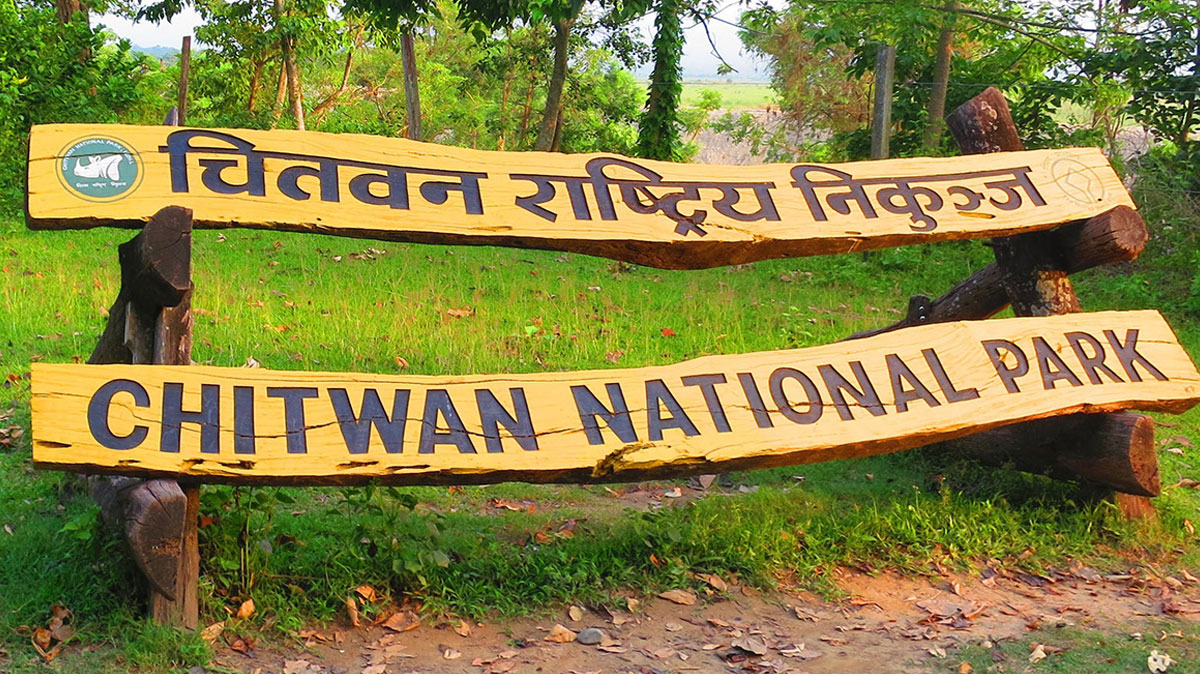
Chitwan National Park: A Complete Guide to Nepal’s Majestic Jungle, Wildlife, and Slow Travel Heartland

When most travellers imagine Nepal, they think vertically, upward, toward snow, ice, and altitude.
Chitwan pulls you in the opposite direction.
Here, Nepal stretches outward into heat, humidity, tall grasses, winding rivers, and the quiet tension of jungle mornings. The mountains may be far away, but Chitwan is no less defining. It is Nepal’s ecological foundation, the place where conservation, community, and wildlife intersect most visibly and most successfully.
As Nepal’s first national park and a UNESCO World Heritage Site, Chitwan is both an introduction and a benchmark. For many visitors, it is their first encounter with Nepal’s wildlife. For others, it becomes a reminder that Nepal is not just a trekking destination, but a country of layered ecosystems and living landscapes.
This guide covers everything you need to know to plan a meaningful visit, beyond packaged safaris and rushed itineraries.
Recommended Read: Nepal’s National Parks: Detailed Guide to Every Protected Landscape
Understanding Chitwan: Landscape, Rivers, and Ecology
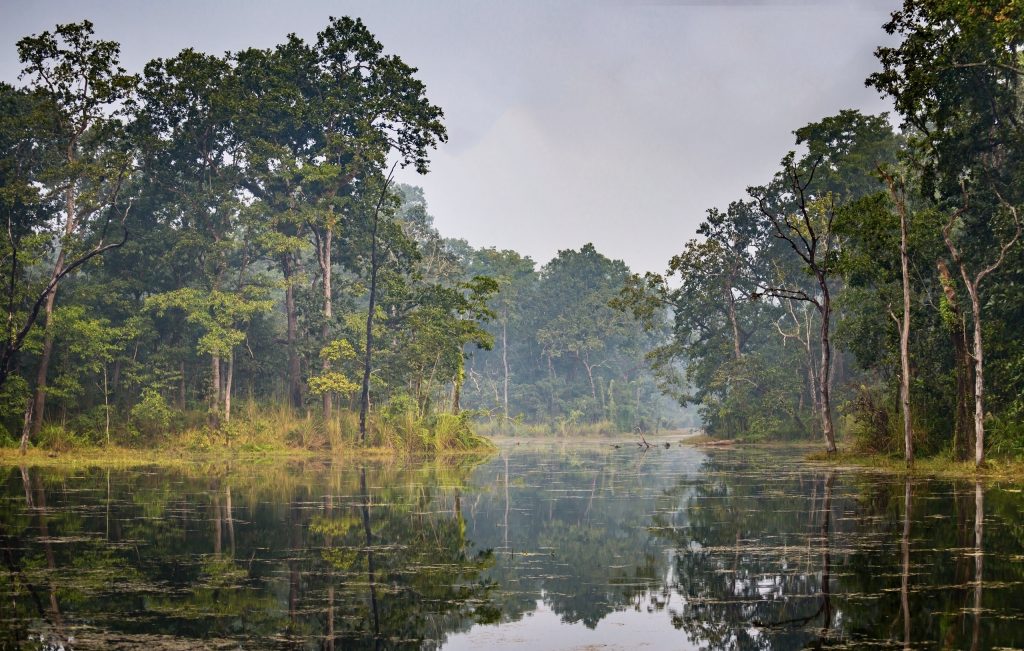
Chitwan National Park lies in Nepal’s central Terai, a lowland belt stretching along the Indian border. The park covers over 950 square kilometres, protecting a mosaic of ecosystems shaped by monsoon rains and seasonal flooding.
Key Habitats
- Sal forests: Dense, shaded woodland dominated by Shorea robusta
- Tall elephant grasslands: Up to 8 metres high, vital for rhinos and tigers
- Riverine forests: Along the Rapti, Reu, and Narayani rivers
- Wetlands and oxbow lakes: Critical for birds, reptiles, and aquatic life
This diversity allows an extraordinary concentration of wildlife to thrive within a relatively compact area, one of the reasons Chitwan became Nepal’s conservation flagship.
Wildlife of Chitwan National Park
Chitwan is best known for large, visible wildlife, but its ecological depth goes far beyond headline species.
Mammals
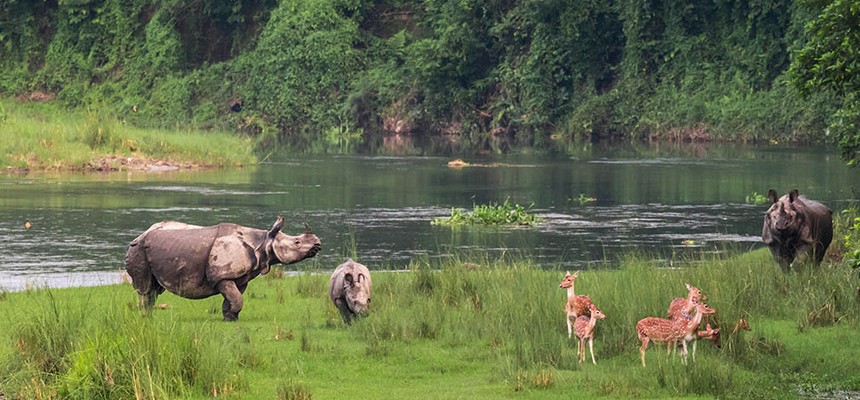
- Greater one-horned rhinoceros (the park’s symbol)
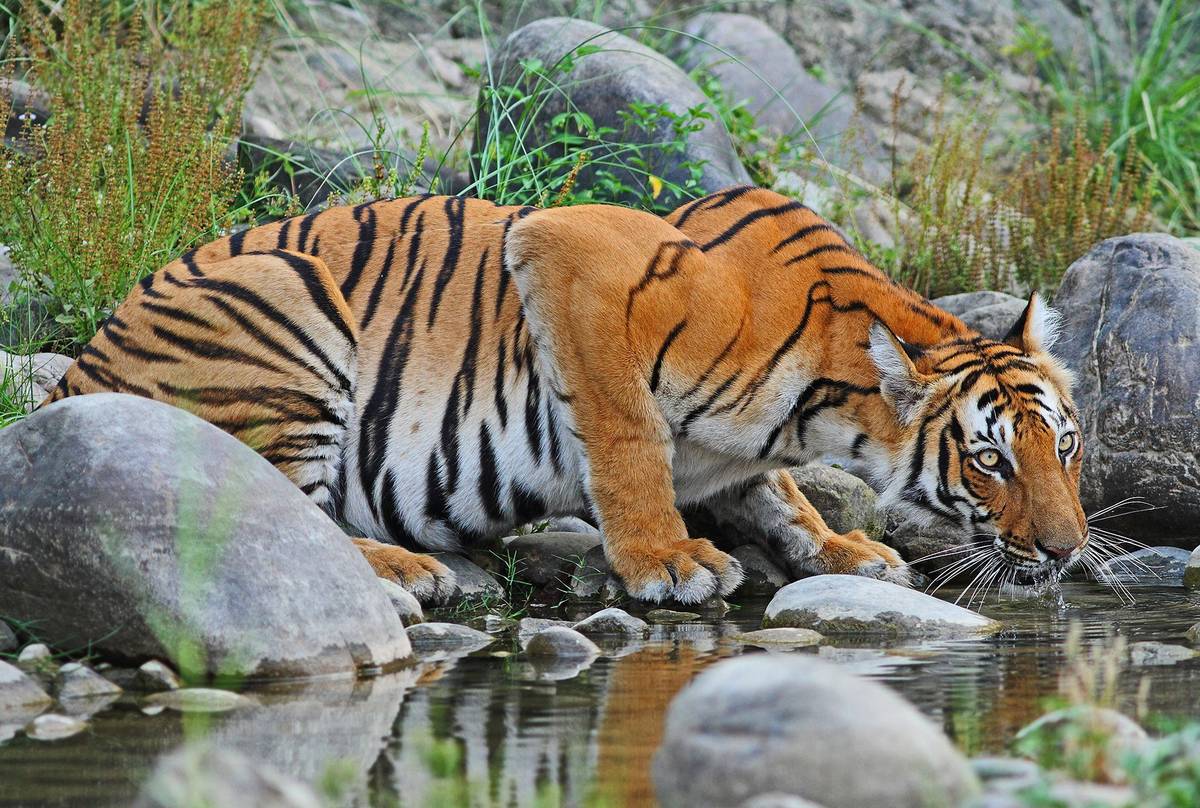
- Bengal tiger
- Leopard
- Sloth bear
- Wild elephant
- Sambar, chital, hog deer
- Rhesus macaque and langur monkeys
Chitwan’s rhino population is one of the world’s greatest conservation success stories, recovering from near extinction in the 1960s to several hundred individuals today.
Reptiles & Aquatic Life
- Gharial crocodile (critically endangered)
- Mugger crocodile
- Monitor lizards
- Freshwater turtles
Birds
With 500+ recorded species, Chitwan is one of South Asia’s premier birding destinations. Highlights include:
- Bengal florican
- Paradise flycatcher
- Kingfishers, hornbills, eagles, storks
Birdlife shifts seasonally, making repeat visits worthwhile.
The People of Chitwan: Culture Beyond the Park Boundary
Chitwan is not an isolated wilderness. It is surrounded by buffer-zone communities, most notably the Tharu people, whose relationship with the forest predates the park itself.
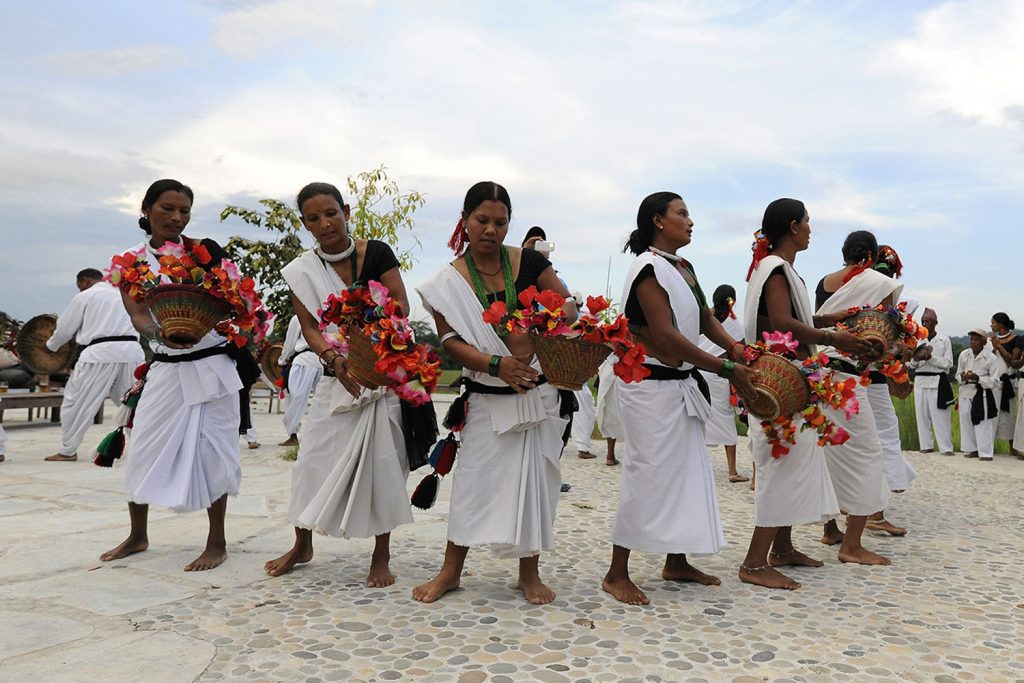
Tharu Culture
- Traditionally lived in malaria-prone forests before eradication campaigns
- Architecture designed for heat and flooding
- Deep ethnobotanical knowledge of plants and wildlife
Many Tharu villages now run:
- Homestays
- Cultural walking tours
- Community forests
- Locally guided safaris
Choosing these experiences supports conservation while preserving cultural autonomy.
Safari Experiences in Chitwan: What to Choose (and What to Avoid)
Chitwan offers multiple ways to experience wildlife, but not all are equal in impact or depth.
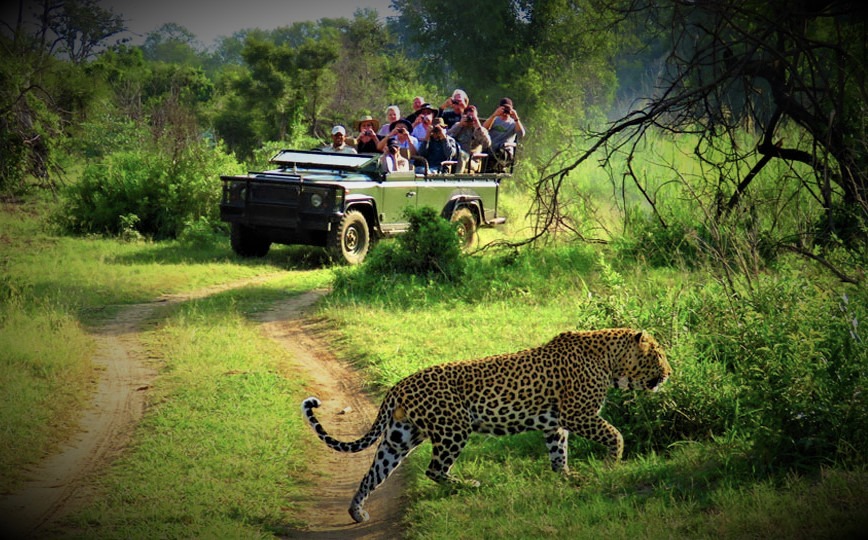
Jeep Safaris
- Cover large areas efficiently
- Best for spotting rhinos, deer, crocodiles
- Tigers are rare but possible
Tip: Full-day safaris reach deeper into the park than half-day loops.
Canoe Trips
- Quiet, low-impact
- Excellent for birds and crocodiles
- Typically combined with jungle walks
Guided Jungle Walks
- Most immersive experience
- Focus on tracking signs, ecology, and behaviour
- Conducted with armed naturalists for safety
Ethical Considerations
Avoid:
- Elephant riding safaris
- Performative “cultural shows” disconnected from real community life
Support:
- Walking safaris
- Community-led experiences
- Lodges with transparent conservation policies
Where to Stay: Choosing the Right Base
Chitwan’s accommodation ranges from basic to high-end, but location matters more than luxury.
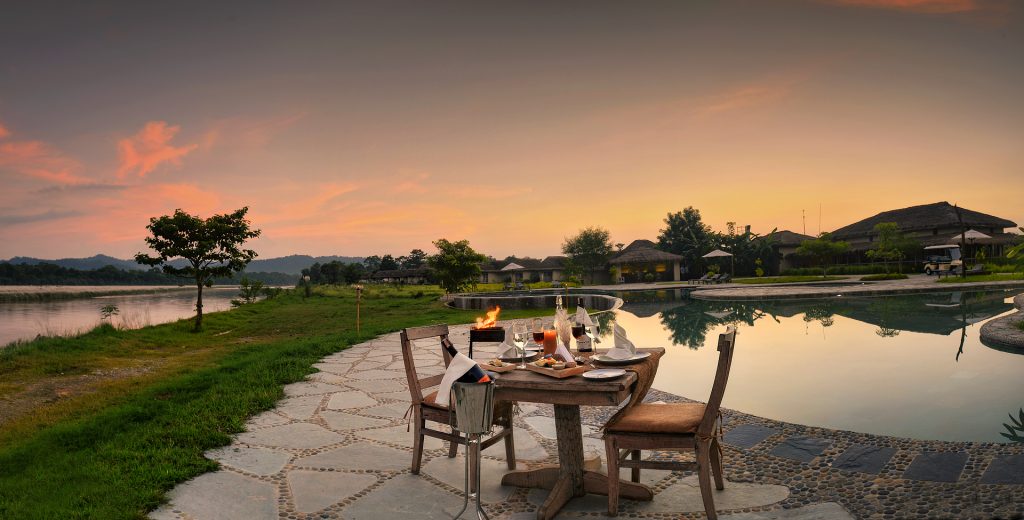
Sauraha
- Most developed area
- Easy access, many lodges
- Can feel crowded in peak season
Meghauli
- Quieter, closer to core wildlife zones
- Fewer visitors, more expensive lodges
Buffer-Zone Villages
- Homestays and eco-lodges
- Slower pace
- Deeper cultural engagement
For slow travellers, buffer-zone stays offer the richest experience.
Best Time to Visit Chitwan National Park
October–March (Peak Season)
- Dry weather
- Cooler temperatures
- Best overall wildlife viewing
April–May (Hot Season)
- High temperatures (35–40°C)
- Best chance to spot tigers near water
June–September (Monsoon)
- Lush landscapes
- Fewer visitors
- Limited access to some areas
If wildlife visibility is your priority, February to April is ideal.
If comfort matters more, November to February is best.
Permits, Fees, and Practical Logistics
Entry Fees (Approx.)
- Foreigners: NPR 3,000 per day
- SAARC nationals: NPR 1,500
- Guides and safari costs are separate
Getting There
- From Kathmandu: 5–6 hours by road or short flight to Bharatpur
- From Pokhara: 4–5 hours by road
What to Pack
- Neutral-coloured clothing
- Lightweight long sleeves
- Binoculars
- Reusable water bottle
- Insect repellent
Chitwan as Slow Travel: How Long to Stay
Many visitors rush Chitwan in 1–2 days. This is enough to see animals, but not enough to understand the place.
Ideal Stay: 3–5 Nights
This allows time for:
- Multiple safari types
- Village walks
- River time
- Rest between activities
Chitwan rewards patience. Wildlife sightings often come when you stop chasing them.
Conservation Success and Ongoing Challenges
Chitwan is often cited as a conservation success, but the reality is complex.
Successes
- Rhino population recovery
- Anti-poaching patrols
- Community forest management
Challenges
- Human–wildlife conflict
- Tourism pressure
- Climate change and flooding
Your travel choices, where you stay, and who you book with, directly affect how these challenges are addressed.
Who Chitwan National Park Is For (and Who It Isn’t)
Ideal For
- First-time visitors to Nepal
- Families
- Wildlife beginners
- Travellers short on time
Not Ideal For
- Those seeking solitude at all costs
- Adventure trekking
- Remote wilderness without infrastructure
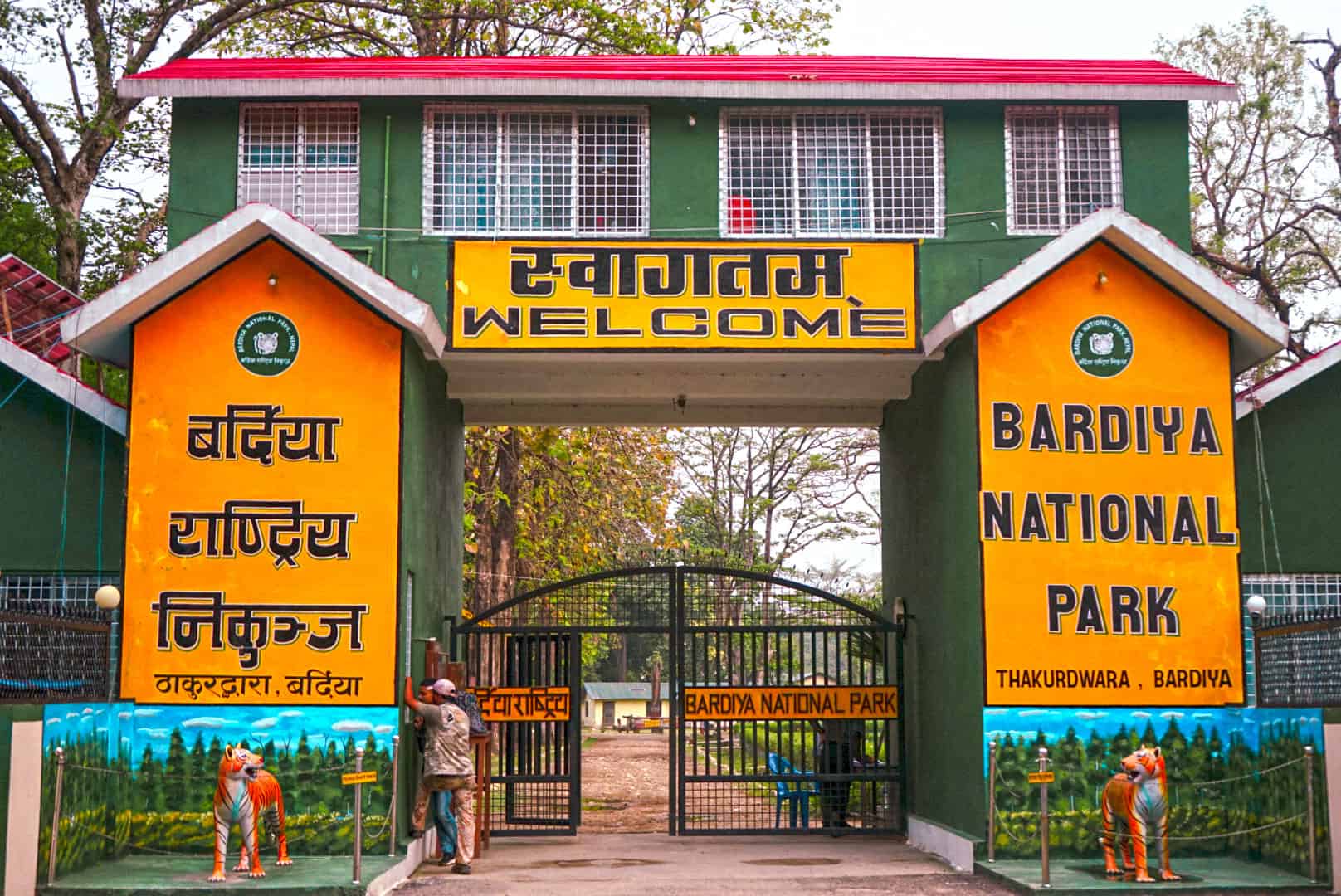
For deeper wilderness, parks like Bardia or Dolpo may suit you better, but Chitwan remains the gateway.
How Chitwan Fits Into a Nepal Itinerary
Chitwan pairs naturally with:
- Kathmandu Valley (culture)
- Pokhara (lakes and mountains)
- Lumbini (spiritual travel)
It provides ecological balance in a Nepal journey dominated by altitude.
Final Reflection: Why Chitwan Still Matters
Chitwan is not just Nepal’s most visited national park.
It is its most instructive.
Here, you see what happens when conservation includes people instead of excluding them. Wildlife is protected not by fences, but by shared responsibility. Travel slows down enough for understanding to replace spectacle.
Chitwan doesn’t demand endurance like the Himalayas.
It asks for attention.
And if you give it that, quietly, patiently, it gives Nepal back to you in an entirely different way.
Stay Informed With the Latest & Most Important News
Previous Post
Next Post
- Pokhara Calling: Why Nepal’s Lakeside City Will Steal Your Heart (and When to Go)
- Beyond Dal Bhat: A Traveller’s Guide to the Foods of Nepal

- No More Solo Trekking: Everything You Need to Know About Nepal’s 2026 Trekking Rules
- The Mountains Are Still Calling: How to Reach Nepal When the Middle East Skies Are Closed

- Nepal’s 2026 Election: What Travellers Need to Know