Now Reading: Things You Will Be Glad You Knew Before Travelling to Nepal
-
01
Things You Will Be Glad You Knew Before Travelling to Nepal
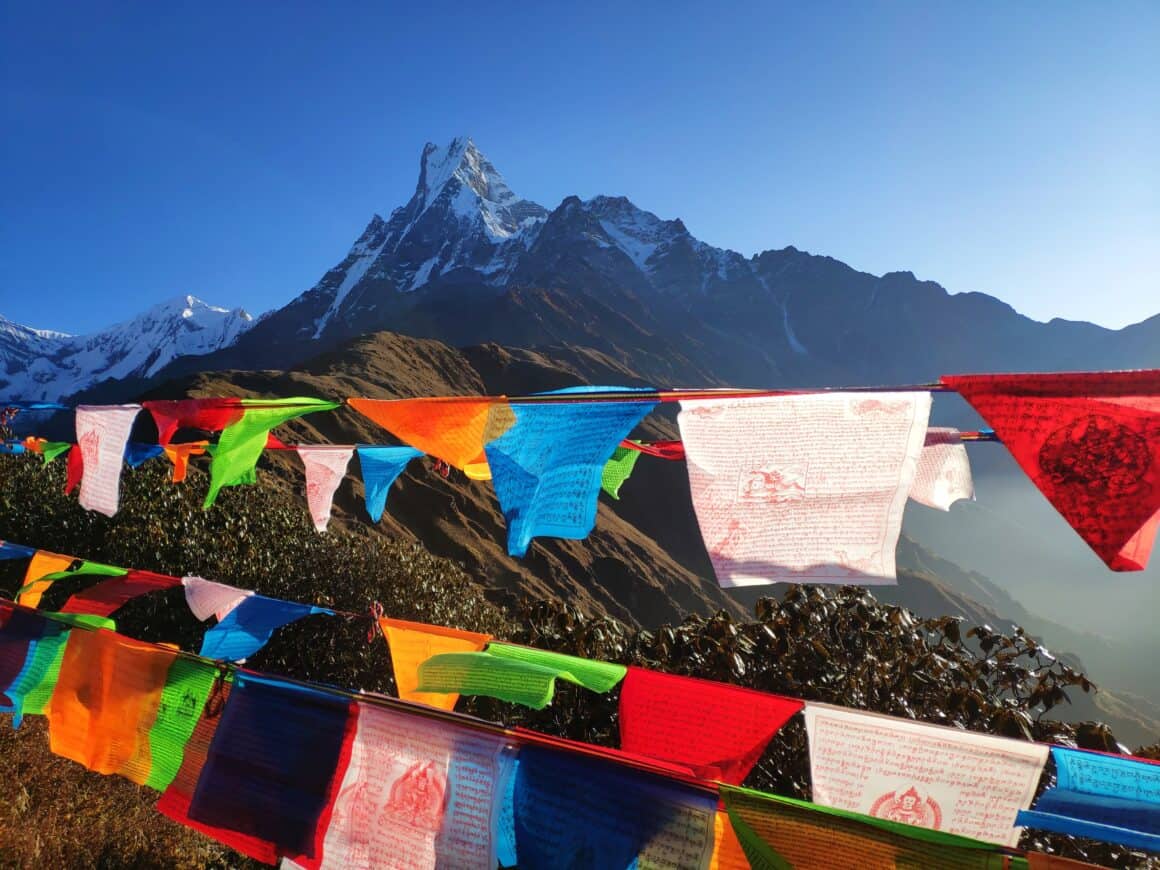

Travel to Nepal has a way of humbling people, in the best possible sense. It’s not difficult because it’s unsafe or chaotic; it’s difficult because it operates on its own rhythms, assumptions, and quiet rules that aren’t always obvious to outsiders.
This article aims to save first-time visitors from the most common (and costly) mistakes, not to scare you, but to prepare you. Think of this as a problem-solving guide that brings together the errors travellers repeatedly make, why they happen, and how to avoid them with confidence.
If you understand these mistakes before you land, Nepal becomes easier, richer, and far more rewarding.
Why First-Time Visitors Struggle in Nepal (and Why That’s Normal)
Most mistakes in Nepal come from false assumptions, not bad intentions:
- Assuming Nepal works like Southeast Asia or Europe
- Over-trusting itineraries copied from blogs or social media (except us, lol – you can trust us)
- Underestimating geography, altitude, and seasons
- Treating culture as “scenery” rather than lived reality
Nepal rewards travellers who arrive informed, patient, and flexible. Let’s break down the biggest mistakes, starting with the one that happens before you even pack your bags.
1. Visa Mistakes That Cause Stress on Arrival
The mistake
Assuming visa rules are “simple” or the same for everyone.
What actually happens
Nepal offers a Visa on Arrival for many nationalities, but travellers still trip up by:
- Bringing incorrect or insufficient documents
- Not having acceptable currency in cash
- Arriving with passports close to expiry
- Choosing the wrong visa duration and overpaying
Some travellers panic at Tribhuvan International Airport simply because they didn’t read the process carefully.
How to avoid it
- Ensure your passport has at least 6 months validity
- Carry USD in clean, undamaged notes
- Decide your visa length before arrival (15, 30, or 90 days)
- Use the online arrival form in advance when possible
Please read this for visa and trekking permit guides:
How to Get a Nepal Visa & Trekking Permits
2. Overpacking Trekking Gear (and Still Forgetting What Matters)
The mistake
Packing as if you’re heading into the Arctic, or bringing everything “just in case.”
What actually happens
First-time trekkers often:
- Bring heavy, technical gear they never use
- Carry multiple jackets instead of layering properly
- Forget simple but critical items like blister care, electrolytes, or earplugs
Nepal has excellent trekking infrastructure. You can buy, rent, or replace most things in Kathmandu or Pokhara, often cheaply.
How to avoid it
Pack for function, not fear:
- Layering system (base, insulation, shell)
- Broken-in footwear (never new)
- Minimal toiletries
- Small personal medical kit
- Lightweight daypack
Rule of thumb: If you’re debating whether you need it, you probably don’t.
Please read this for the essential packing list for trekking in Nepal:
Essential Packing List for Nepal Treks (What You Actually Need)
3. Choosing the Wrong Season (This Ruins More Trips Than Anything Else)
The mistake
Booking flights without understanding Nepal’s seasons.
What actually happens
Nepal is not a year-round destination for everything:
- Monsoon (June–August): landslides, flight delays, poor mountain views
- Winter (Dec–Feb): cold, snow-blocked passes, limited high-altitude access
- Shoulder seasons are misunderstood or ignored
Travellers arrive expecting postcard Himalayas, and see only clouds.
How to avoid it
Understand seasonal strengths:
- Oct–Nov: Best overall trekking season
- Mar–Apr: Spring blooms, warmer days, slightly hazy views
- Monsoon: Cultural travel, lowlands, fewer crowds
- Winter: Lower altitude treks, clear skies, cold nights
Please read this for the best time to visit Nepal:
Best Time to Visit Nepal (Month‑by‑Month Guide)
4. Underestimating Altitude (Even if You’re “Fit”)
The mistake
Believing fitness protects you from altitude sickness.
What actually happens
Altitude doesn’t care how strong you are. Symptoms can include:
- Headache
- Nausea
- Poor sleep
- Loss of appetite
- Confusion in severe cases
Many first-timers ascend too fast, skip acclimatisation days, or ignore early warning signs.
How to avoid it
- Ascend slowly
- Follow the “climb high, sleep low” principle
- Hydrate constantly
- Eat even when you don’t feel hungry
- Never ignore symptoms
The mountain isn’t something you conquer. It’s something you negotiate with.
Example trek where you need to be careful with altitude sickness:
Everest Base Camp Trek: The Ultimate Guide
5. Cultural Faux Pas That Create Distance (Without You Realising)
The mistake
Treating Nepali culture casually, or assuming “tourist rules” apply.
What actually happens
Small actions can unintentionally offend:
- Touching someone’s head
- Entering temples without understanding the rules
- Using your left hand to give or receive
- Wearing revealing clothing in rural areas
- Photographing people without permission
Nepalis are polite and forgiving, but repeated missteps create invisible barriers.
How to avoid it
- Dress modestly outside major cities
- Ask before taking photos
- Observe before acting
- Learn a few Nepali phrases
- Watch how locals behave and follow suit
Respect unlocks conversations, invitations, and stories you won’t find in guidebooks.
Please read the Nepali culture and etiquette guide:
Nepali Culture & Etiquette: What Travellers Should Know
6. Overplanning Every Minute (Nepal Will Change Your Plans)
The mistake
Creating rigid itineraries with zero flexibility.
What actually happens
In Nepal:
- Flights get delayed
- Weather shifts quickly
- Roads close unexpectedly
- Festivals appear without warning
Travellers who over-plan feel stressed. Those who leave space feel lucky.
How to avoid it
- Build buffer days into treks
- Avoid tight international connections
- Treat plans as intentions, not contracts
Nepal rewards patience more than punctuality.
7. Treating Nepal as a “Cheap Destination” Instead of a Living Economy
The mistake
Bargaining aggressively or choosing the cheapest option every time.
What actually happens
Nepal is affordable, but it’s not free. When travellers:
- Underpay guides
- Choose unsafe transport to save money
- Avoid tipping entirely
They unintentionally harm local livelihoods and their own experience.
How to avoid it
- Pay fair prices
- Support local businesses
- Tip guides and porters responsibly
- Value experience over savings
Final Thought: Nepal Is Easy, If You Let It Be
Most mistakes in Nepal don’t ruin trips, but they limit how deeply you experience the country.
Arrive informed. Stay humble. Leave space for the unexpected.
Nepal doesn’t demand perfection.
It asks for awareness, and rewards it generously.
Related Posts
Stay Informed With the Latest & Most Important News
Previous Post
Next Post
- Pokhara Calling: Why Nepal’s Lakeside City Will Steal Your Heart (and When to Go)
- Beyond Dal Bhat: A Traveller’s Guide to the Foods of Nepal
- No More Solo Trekking: Everything You Need to Know About Nepal’s 2026 Trekking Rules
- The Mountains Are Still Calling: How to Reach Nepal When the Middle East Skies Are Closed
- Nepal’s 2026 Election: What Travellers Need to Know