Now Reading: Banke National Park: Forest Frontiers, Wildlife Corridors, and Nepal’s Quietest Terai Wilderness
-
01
Banke National Park: Forest Frontiers, Wildlife Corridors, and Nepal’s Quietest Terai Wilderness
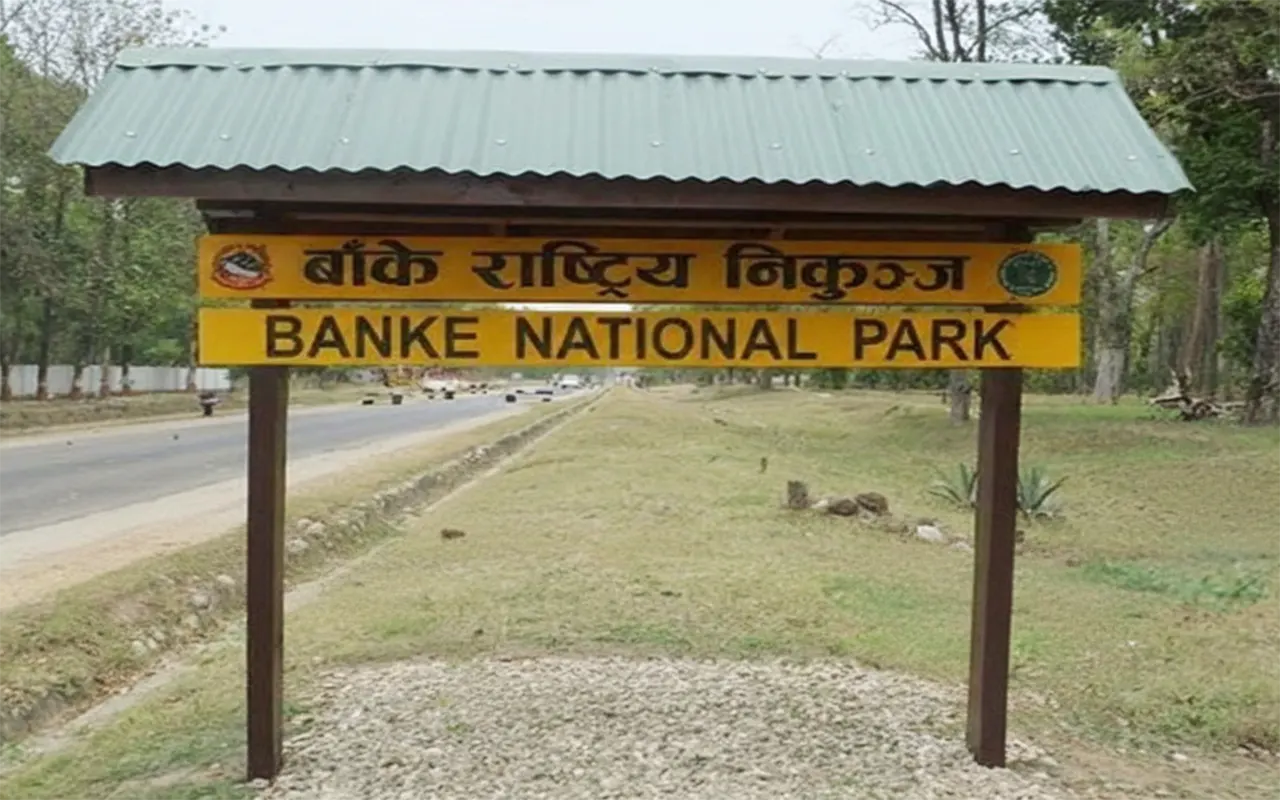
Banke National Park: Forest Frontiers, Wildlife Corridors, and Nepal’s Quietest Terai Wilderness

Banke National Park does not announce itself.
There are no famous safari villages at its gates, no iconic rivers lined with lodges, no well-worn narratives to guide expectations. Even within Nepal, it remains one of the least understood protected areas, often overshadowed by its better-known neighbours, Bardia to the west and Parsa–Chitwan to the east.
Yet Banke matters deeply.
It is a young park, a connector, and a buffer, protecting forest where protection arrived late, and allowing wildlife to return where it had almost disappeared. Banke is not a destination built for visitors; it is a landscape built for recovery.
For travellers interested in conservation in motion, emerging wilderness, and the quieter side of the Terai, Banke offers insight rather than spectacle, and meaning rather than convenience.
Understanding Banke: Geography, Forest, and Purpose
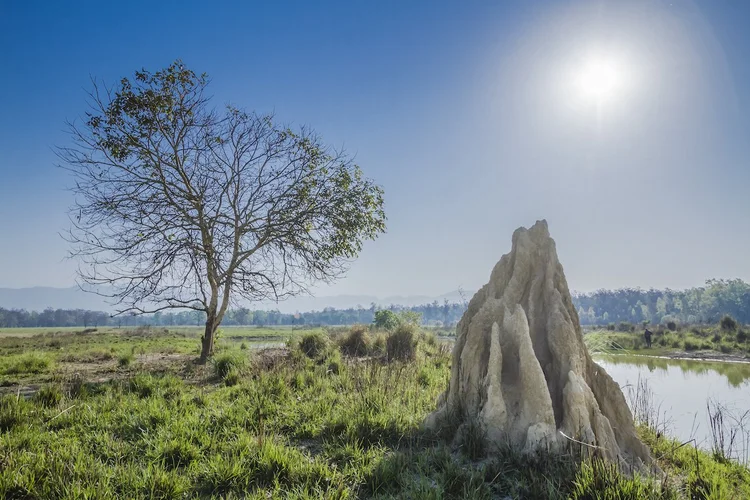
Banke National Park lies in Nepal’s mid-western Terai, spanning parts of Banke District and extending toward the Indian border. Established in 2010, it covers approximately 550 square kilometres, making it one of Nepal’s newer national parks.
Defining Landscapes
- Dense sal forests
- Mixed deciduous woodland
- Seasonal grassland clearings
- Dry riverbeds and ephemeral streams
Unlike Chitwan or Bardia, Banke lacks large permanent rivers and extensive floodplains. Its ecology is forest-dominated, inward-facing, and quiet, more suited to shelter and movement than to visibility.
This is intentional.
Banke was created not as a showcase park, but as a strategic conservation corridor, linking:
- Bardia National Park
- Suhelwa Wildlife Sanctuary (India)
- Wider Terai Arc Landscape
Its primary role is ecological continuity.
Why Banke Exists: Corridors Over Attractions
Banke represents a shift in Nepal’s conservation philosophy.
Earlier parks focused on:
- Iconic species
- Clear boundaries
- Tourism viability
Banke focuses on:
- Connectivity
- Genetic exchange
- Long-term resilience
Corridor Function
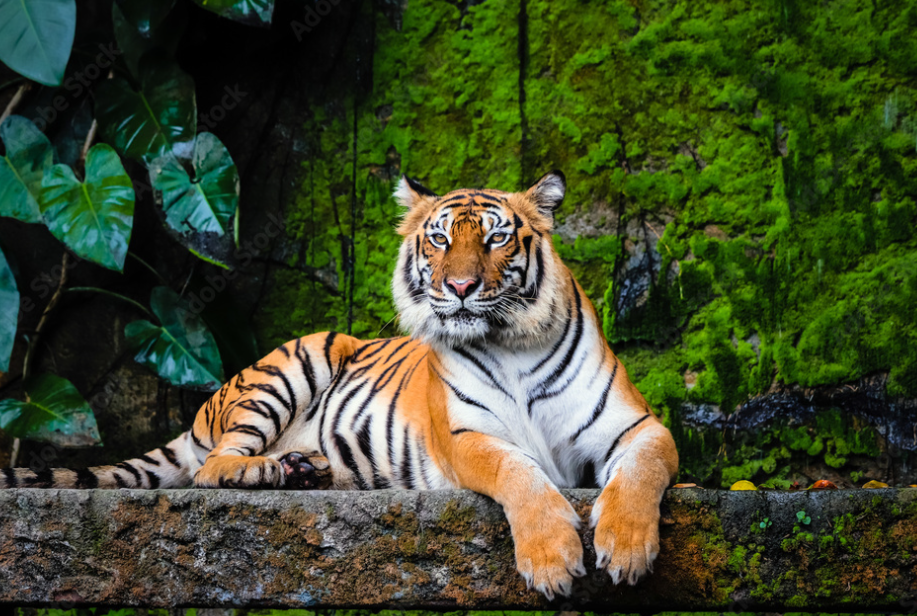
Wide-ranging species such as:
- Bengal tigers
- Asian elephants
- Sloth bears
require large, connected territories. Without parks like Banke, populations become isolated, vulnerable, and genetically fragile.
Banke is not designed to impress visitors.
It is designed to let wildlife pass through safely.
Wildlife of Banke National Park
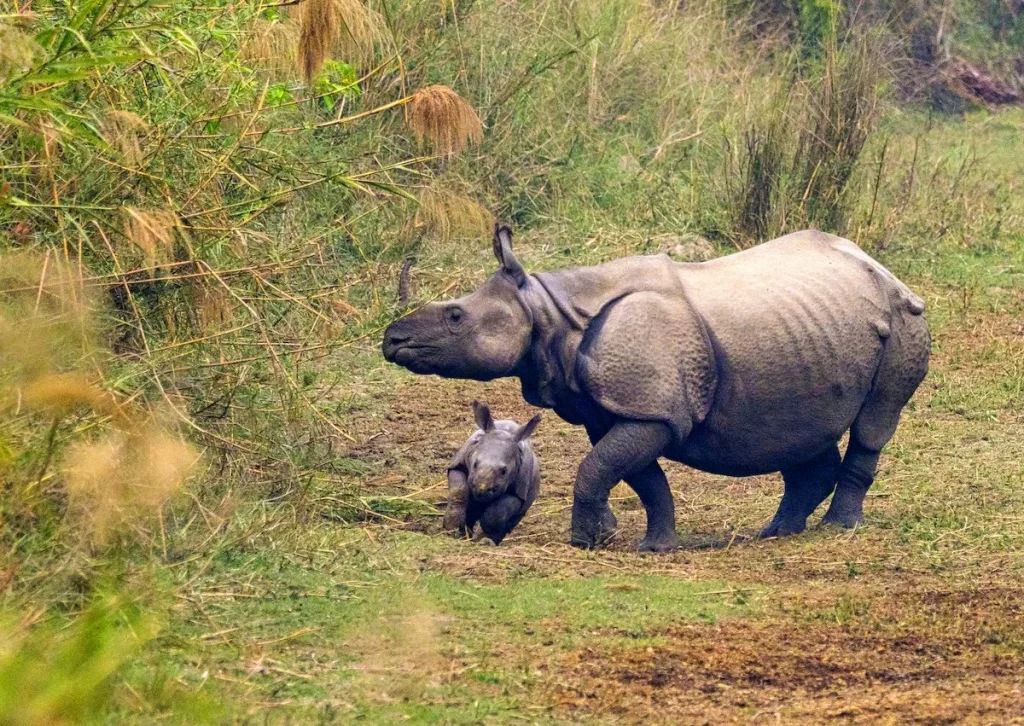
Wildlife in Banke is present, but intentionally unconcentrated.
Mammals
- Bengal tiger (confirmed, low density)
- Asian elephant (seasonal movement)
- Leopard
- Sloth bear
- Wild dog (dhole)
- Sambar, chital, hog deer
- Wild boar
Sightings are rare compared to Chitwan or Bardia, but camera-trap data confirms steady recovery. For conservationists, this is success.
For travellers, it requires a mindset shift:
Banke is about knowing wildlife is there, not necessarily seeing it.
Birds
Birdlife is more visible than mammals, particularly in forest edges and clearings:
- Hornbills
- Woodpeckers
- Raptors
- Migratory winter species
Birders with patience and local guides can find Banke quietly rewarding.
Forest Ecology: Recovery in Real Time
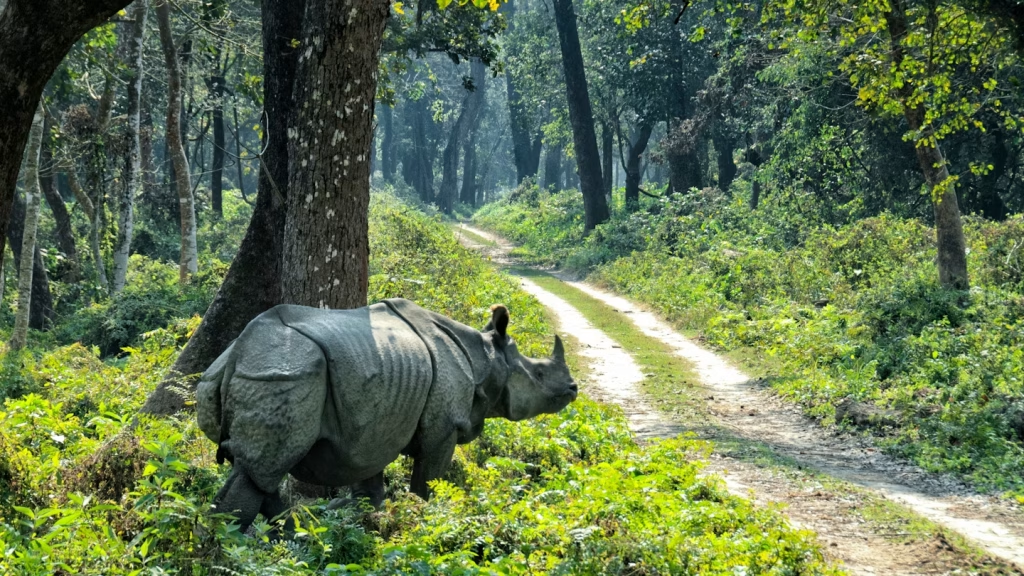
Much of Banke’s forest was previously:
- Logged
- Grazed
- Fragmented by settlement
Protection arrived late, but not too late.
Sal Forest Regeneration
Sal (Shorea robusta) dominates Banke’s canopy, creating:
- Stable microclimates
- Dense shade
- Low human disturbance zones
Understory regeneration is ongoing, with:
- Natural grass patches supporting deer
- Improved prey availability for predators
Walking through Banke feels different from older parks.
You are not in a “finished” ecosystem; you are inside a system healing itself.
Human Context: Buffer Zones and Livelihoods
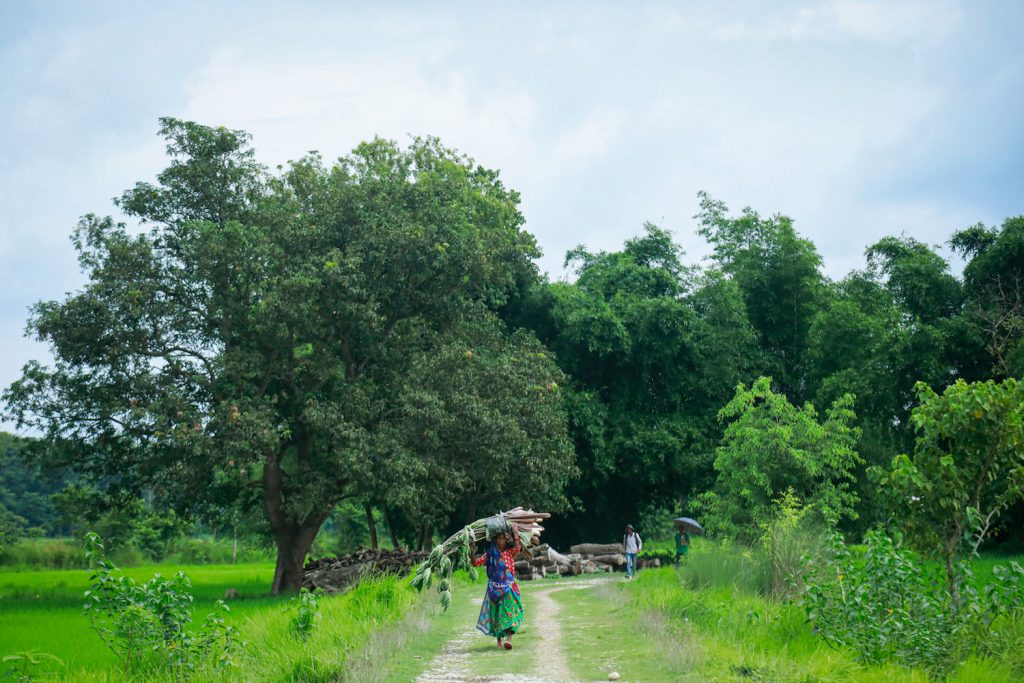
Communities around Banke depend heavily on:
- Agriculture
- Seasonal labour migration
- Forest resources
Tourism here is minimal and not yet a major income source.
Buffer-Zone Management
- Community forests
- Regulated resource use
- Conflict-mitigation programs (crop damage, livestock loss)
Human–wildlife conflict exists, particularly with:
- Elephants
- Wild boar
This makes conservation here delicate and ongoing, rather than celebrated.
Visiting Banke National Park: What to Expect
Banke is not a casual stop.
It lacks:
- Tourist hubs
- Clear visitor circuits
- Polished safari infrastructure
Access
- Road access from Nepalgunj (the nearest major town)
- Travel times vary with the road and season
- Entry procedures are functional, not visitor-oriented
Advance coordination is essential. Visitors arriving without planning often misunderstand the park, expecting Chitwan-style experiences.
Safari and Exploration: Monitoring, Not Performance
Banke’s approach to visitation is shaped by its purpose.
Jeep Safaris
- Limited routes
- Often shared with park patrols
- Focus on habitat observation rather than sightings
This is not a park for:
- Repeated game drives
- High-density wildlife photography
- Tight schedules
Instead, safaris here are educational and observational, focused on learning how forests function as corridors.
Walking Access
- Highly restricted
- Mostly for research and conservation work
- Occasionally permitted in buffer zones
Banke prioritises animal movement over human access.
Best Time to Visit Banke National Park
Winter (November–February)
- Cooler temperatures
- Easier forest movement
- Best overall conditions
Spring (March–April)
- Dry forests
- Increased wildlife movement
- Hot afternoons
Summer (May–June)
- Very hot
- Wildlife near limited water sources
Monsoon (July–September)
- Dense vegetation
- Limited access
- Not recommended
For most travellers, January to March is the most realistic window.
Accommodation and Facilities
There are no lodges inside the park.
Accommodation is found in:
- Nepalgunj
- Nearby towns and villages
Expect:
- Basic guesthouses
- Functional hotels
- Limited tourism services
Banke is not a place you stay in.
It is a place you visit deliberately, usually as part of a wider Terai journey.
Food and Supplies
All supplies should be arranged outside the park.
- Carry water
- Bring snacks
- Do not expect food services inside protected zones
This reinforces Banke’s identity as a working conservation landscape, not a hospitality destination.
Banke as Slow Travel: Learning to Value the Invisible
Banke challenges modern travel instincts.
There may be:
- No dramatic sightings
- No defining moment
- No obvious reward
Instead, it offers:
- Context
- Understanding
- Perspective
You learn how conservation actually works:
- Slowly
- Unevenly
- Without guarantees
This makes Banke especially meaningful for:
- Repeat visitors to Nepal
- Students and researchers
- Conservation-minded travellers
Conservation Significance and Ongoing Challenges
Banke plays a crucial role in:
- Terai Arc Landscape connectivity
- Tiger dispersal routes
- Elephant migration safety
Key Challenges
- Human–wildlife conflict
- Encroachment pressure
- Limited tourism revenue
- Climate variability
Success here will likely never be visible in brochures, only in long-term population data.
Who Banke National Park Is For
Ideal For
- Conservation enthusiasts
- Repeat Nepal travellers
- Researchers and students
- Those curious about the ecological process
Not Ideal For
- First-time Nepal visitors
- Wildlife photography trips
- Luxury or leisure-focused travel
Banke does not entertain.
It educates.
How Banke Fits into a Nepal Journey
Banke works best when:
- Paired with Bardia for contrast
- Included in a Terai conservation circuit
- Treated as a short, intentional visit
Seeing Bardia first, then Banke, reveals the difference between:
- A mature wildlife destination
- An emerging ecological system
That comparison is powerful.
Final Reflection: Why Banke Represents the Future
Banke National Park is not famous, and may never be.
But its importance lies not in what it offers visitors today,
but in what it protects quietly for tomorrow.
Forests reconnect.
Animals move unseen.
Ecosystems regain resilience.
In a world that rewards immediacy, Banke stands for something rarer:
Patience as a conservation strategy.
And for travellers willing to value what they may not see,
Banke offers one of Nepal’s most honest lessons about wilderness,
not as spectacle, but as responsibility.
Stay Informed With the Latest & Most Important News
Previous Post
Next Post
- The Digital Nomad’s Guide to Nepal: WiFi, Co-working, Visas, and Living Costs
- Nepal’s Festival Calendar 2026: Plan Your Trip Around the Celebrations

- Pokhara Travel Guide: Everything to See, Do, and Eat at Nepal’s Lakeside Gem

- Everest Base Camp vs Annapurna Circuit: Which Epic Trek Is Right for You?
- The Newari Feast: A Guide to Nepal’s Most Elaborate Food Tradition