Now Reading: A Day Without a Plan: What Nepal Teaches You When You Stop Chasing Itineraries
-
01
A Day Without a Plan: What Nepal Teaches You When You Stop Chasing Itineraries
A Day Without a Plan: What Nepal Teaches You When You Stop Chasing Itineraries

In a world where travel is increasingly defined by spreadsheets, pinned maps, and colour-coded itineraries, the idea of a day without a plan feels almost rebellious. We book months in advance, optimise routes, chase “must-see” lists, and measure our journeys by how much we manage to fit in. Somewhere along the way, travel became another task to complete rather than an experience to feel.
Nepal quietly challenges this mindset.
Here, time stretches differently. Buses leave when they leave. Conversations matter more than schedules. Tea is rarely rushed. When you stop chasing the itinerary and allow yourself to drift, Nepal begins to teach you something deeper, not about destinations, but about presence.
This is a story of a single day without a plan, and why Nepal might be the best place in the world to experience one.
Morning in Nepal: When Nothing Is Urgent
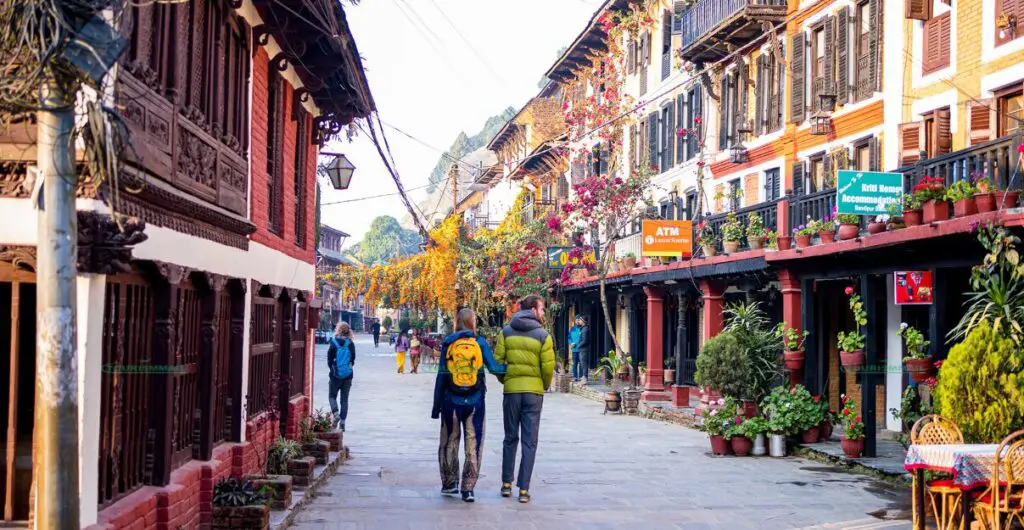
The day begins without an alarm. Morning light filters through the window, carrying the distant sound of bells, scooters, and voices drifting up from the street. In Kathmandu, mornings feel alive yet unhurried. Shops open slowly. A street vendor arranges vegetables with care. Someone sweeps dust from a doorstep as if it were a daily ritual rather than a chore.
There is no rush to be anywhere.
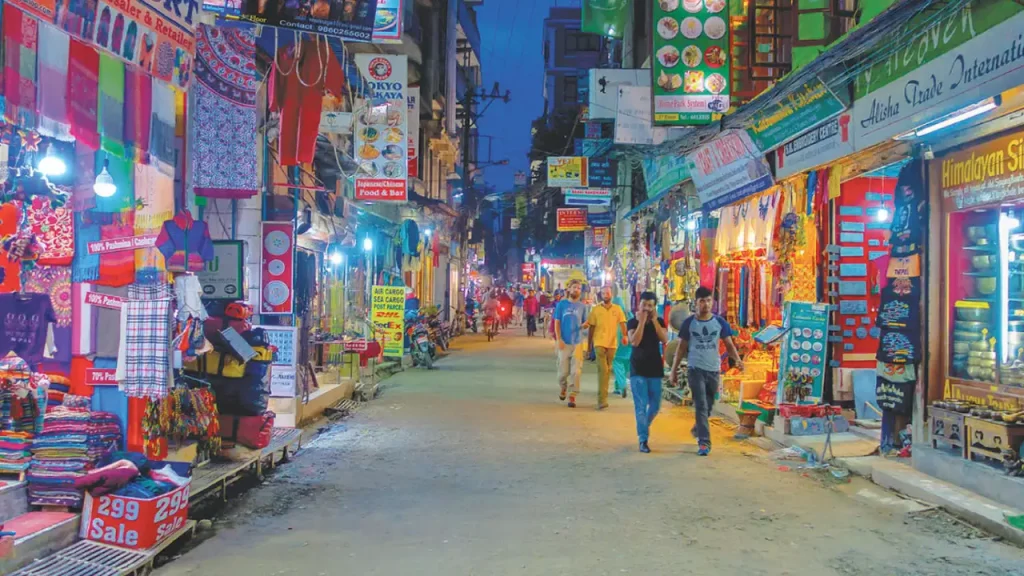
Instead of checking directions or timetables, you step outside and let the city decide. You follow a narrow alley simply because it looks interesting. You pause to watch an elderly man spinning prayer beads. A bakery catches your attention, not because it’s famous, but because it smells like butter and cardamom.
In Nepal, mornings invite you to observe before you act. They remind you that movement does not always need intention.
Walking Without Direction and Finding Stories
Getting lost in Nepal rarely feels stressful. The streets seem to expect it. In neighbourhoods where signs are scarce and lanes twist unexpectedly, wandering becomes part of the experience.
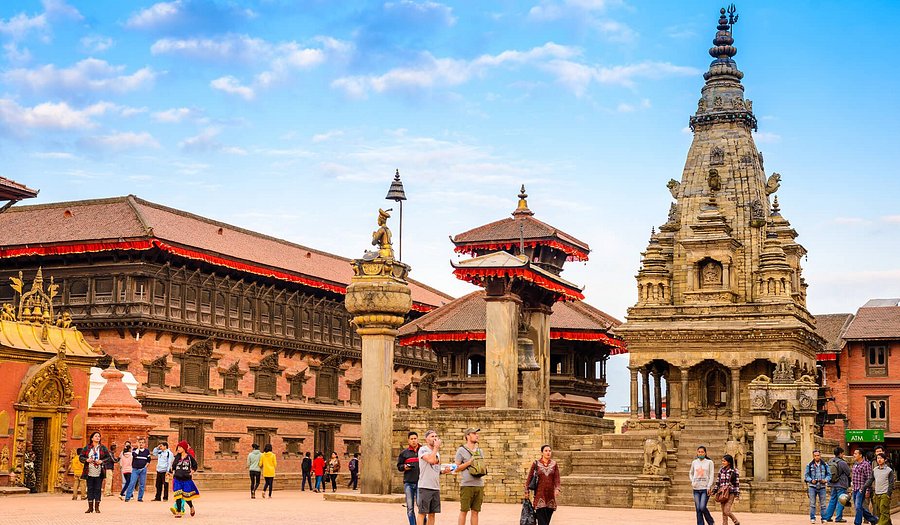
A wrong turn leads to a small courtyard where children play cricket with a broken bat. Another turn brings you past a shrine decorated with fresh marigolds. You don’t know the names of these places, and that somehow makes them more special.
Eventually, you find yourself sitting on a low stool beside a roadside tea stall. A glass of chiya arrives, milky, sweet, and steaming. The stall owner asks where you’re from, not out of obligation, but curiosity. The conversation is slow, punctuated by smiles and gestures. There is no transaction beyond the tea itself.
Moments like these rarely appear in guidebooks, yet they become the ones you remember most.
The Quiet Power of Tea Stops
Tea in Nepal is never just tea. It is an invitation to pause.
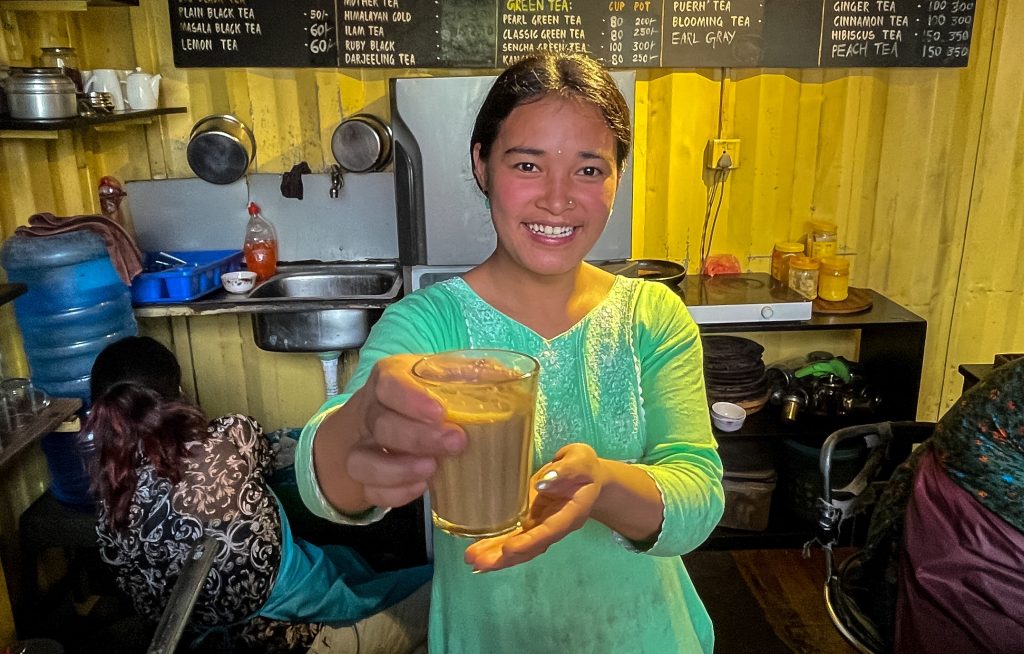
Whether in a busy street or a rural roadside, tea stalls act as social anchors. Truck drivers, shopkeepers, students, and travellers all gather here, if only briefly. Time bends around these small moments of warmth.
You might sit for five minutes or fifty. No one seems to mind. Conversations drift from weather to politics to harvests. Even silence feels companionable.
This is where the idea of “doing nothing” begins to feel meaningful. In Nepal, stillness is not wasted time; it is part of daily life.
Missed Buses and Unexpected Detours
Without a plan, you inevitably miss something. A bus leaves earlier than expected. A museum closes for lunch. In many places, this would be frustrating. In Nepal, it often leads to something better.
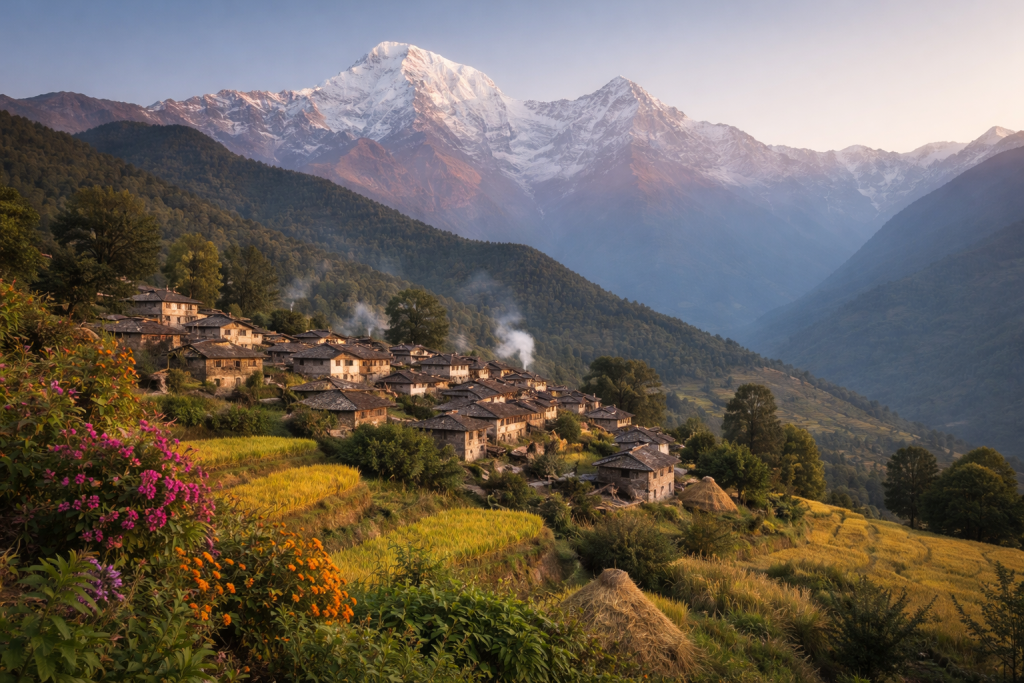
Perhaps you share a local bus instead, squeezed between sacks of rice and friendly strangers. The road winds through villages, past terraced fields and quiet rivers. Someone offers you fruit. Someone else points out a distant mountain as if it were an old friend.
By mid-afternoon, you arrive somewhere you hadn’t intended, maybe Bhaktapur, where daily life unfolds amid centuries-old architecture. Locals dry grains in temple courtyards. Potters shape clay as they have for generations. Life here doesn’t perform for visitors; it simply continues.
Unplanned detours have a way of stripping travel down to its essence.
When Delays Feel Different
Delays are inevitable in Nepal. Roads close. Weather shifts. Power cuts happen. Yet delays here carry a different emotional weight.
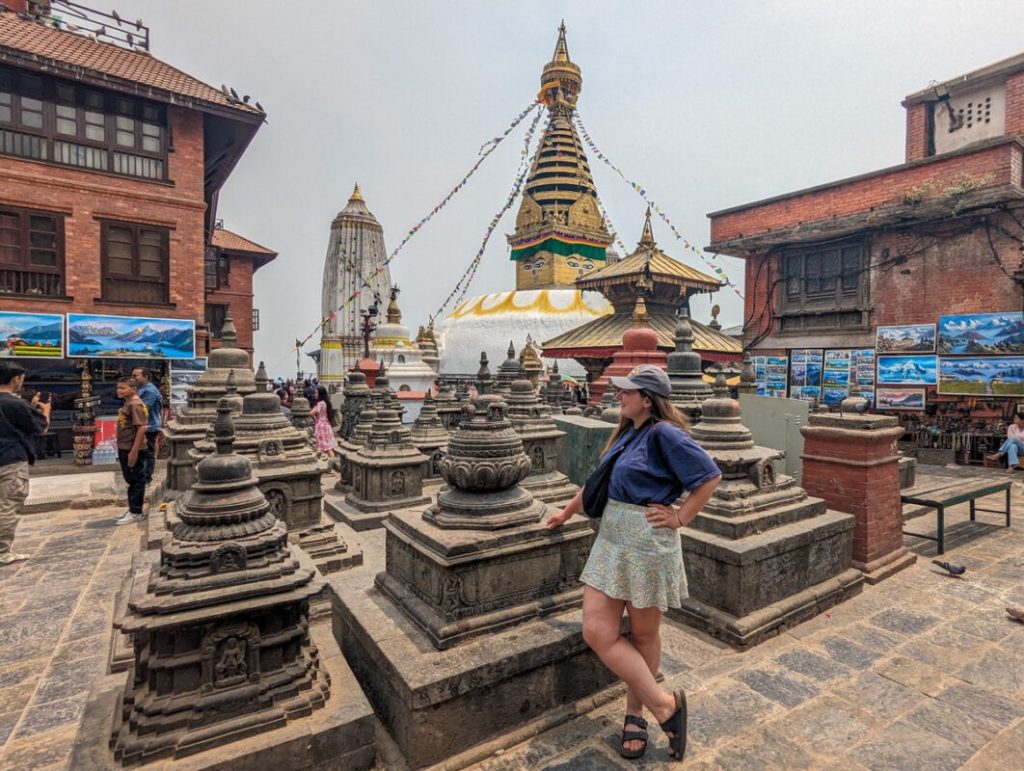
Instead of anger, there is acceptance. Instead of complaint, there is adaptation. People sit, talk, wait, and move on.
For travellers used to efficiency and control, this can feel uncomfortable at first. But gradually, something shifts. You begin to understand that not every delay needs fixing. Some simply need patience.
Nepal teaches you to loosen your grip, not because things will go perfectly, but because life flows better when you stop resisting it.
An Unplanned Sunset
As evening approaches, the day gently settles. Without chasing a viewpoint or timing a photo, you find yourself standing on a quiet road, watching the sky change colour.
The sun dips behind distant hills. The Himalayas glow briefly, then fade into shadow. Someone nearby lights a small fire. A cow wanders past, unbothered by the spectacle.
This moment is unannounced, unfiltered, and unforgettable.
Had you planned it, you might have rushed. You might have worried about angles or crowds. Instead, you simply stand and watch.
This is the gift of an unplanned day.
What Nepal Teaches You About Time
Nepal does not reject plans entirely. Treks require preparation. Permits matter. Transport must be figured out. But alongside all this structure, Nepal offers a quieter lesson: plans should serve the experience, not dominate it.
Time here feels circular rather than linear. Days are shaped by light, weather, and human connection rather than clocks. Progress is measured less by achievement and more by awareness.
When you stop chasing itineraries, you begin to notice:
- How often do you rush unnecessarily
- How rarely you allow space for surprise
- How deeply you can connect when you are not distracted
Nepal doesn’t demand that you change. It simply shows you another way.
Who This Kind of Travel Is For (and Who It Isn’t)
A day without a plan isn’t for everyone. If you thrive on structure, tight schedules, and checking off landmarks, this approach may feel uncomfortable.
But if you:
- Enjoy observing everyday life
- Value conversation over convenience
- Are curious rather than controlling
- Find meaning in small moments
Then Nepal will meet you halfway.
The beauty of this country lies not only in its mountains or monuments, but in how it gently invites you to slow down and be present.
Final Thoughts: Letting Nepal Lead
You may arrive in Nepal with a list of places to see. That’s natural. But somewhere along the journey, consider letting that list rest for a day.
Wake up without a plan. Walk without direction. Drink tea without checking the time. Miss something and see what replaces it.
Nepal has a way of rewarding those who surrender control, not with spectacle, but with sincerity.
And often, those are the journeys that stay with you the longest.
Related Posts
Stay Informed With the Latest & Most Important News
Previous Post
Next Post


- Banke National Park: Forest Frontiers, Wildlife Corridors, and Nepal’s Quietest Terai Wilderness
- Parsa National Park: Emerging Forest Corridors and the Quiet Future of Nepal’s Terai

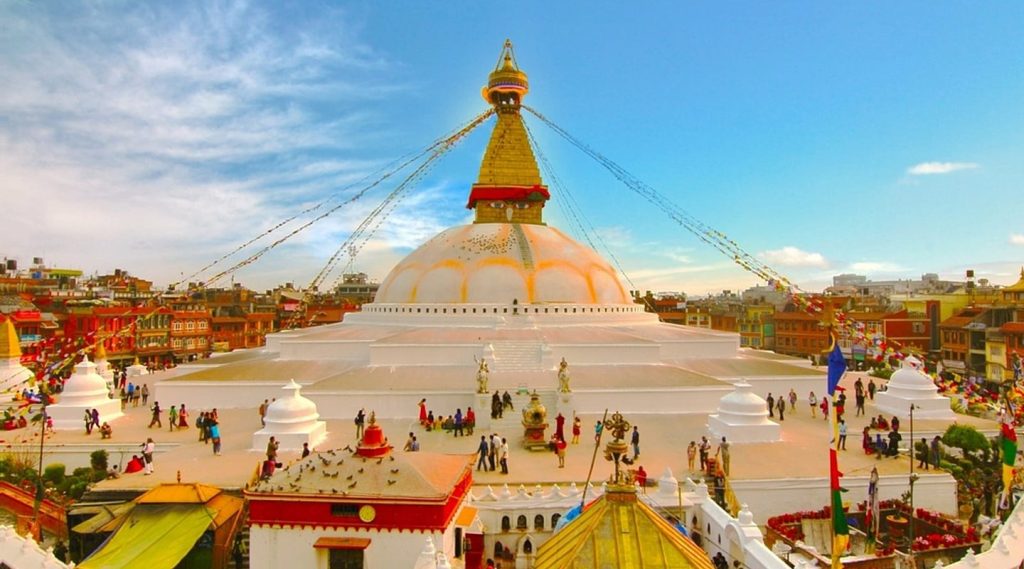
- Boudhanath Stupa: Walking the Living Mandala of Kathmandu
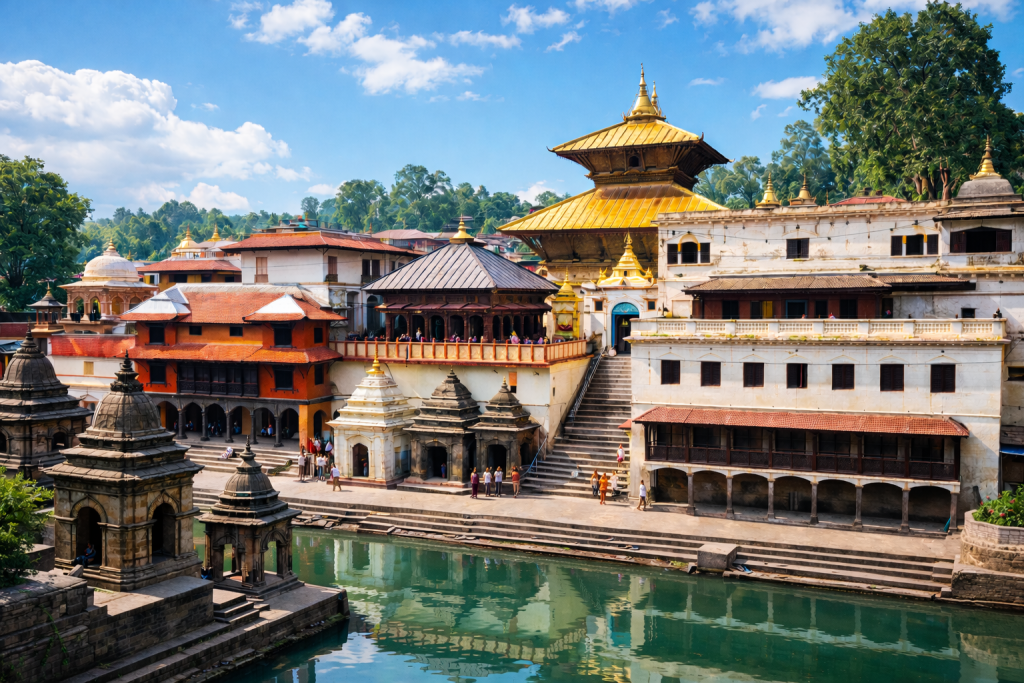
- Pashupatinath Temple: Where Nepal Bows Its Head and Finds Its Soul
- Swayambhunath Stupa: Walking Through Time at Nepal’s Ancient Monkey Temple