Now Reading: Shuklaphanta National Park: Grasslands, Swamp Deer, and Nepal’s Quiet Terai Wilderness
-
01
Shuklaphanta National Park: Grasslands, Swamp Deer, and Nepal’s Quiet Terai Wilderness
Shuklaphanta National Park: Grasslands, Swamp Deer, and Nepal’s Quiet Terai Wilderness

Shuklaphanta National Park is one of Nepal’s least visited protected areas, and one of its most ecologically distinctive.
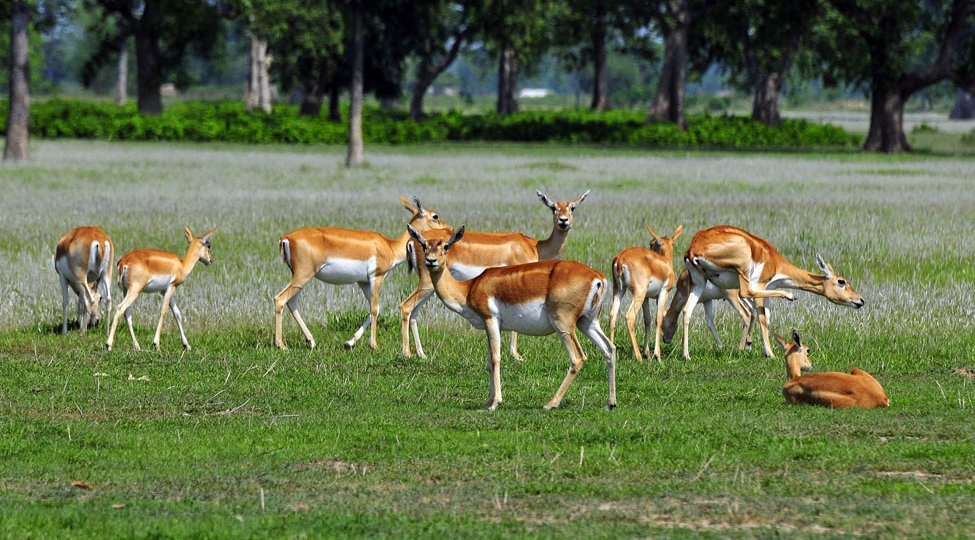
Where other Terai parks are defined by dense sal forests and riverine jungle, Shuklaphanta opens outward into vast, uninterrupted grasslands, stretching flat and wide beneath an immense sky. Wildlife here is not hidden in foliage or glimpsed fleetingly from forest tracks. It is seen at a distance, moving slowly, deliberately, in open space.
This is a park shaped by visibility rather than concealment, by patience rather than pursuit. It does not perform for visitors, and it does not rush them. Shuklaphanta offers a quieter kind of encounter, one that feels closer to observation than spectacle.
For travellers interested in grassland ecosystems, conservation success stories, and solitude in the lowlands, Shuklaphanta represents a rare and undervalued destination.
Recommended Read: Nepal’s National Parks: Detailed Guide to Every Protected Landscape
Understanding Shuklaphanta: A Landscape Defined by Grass
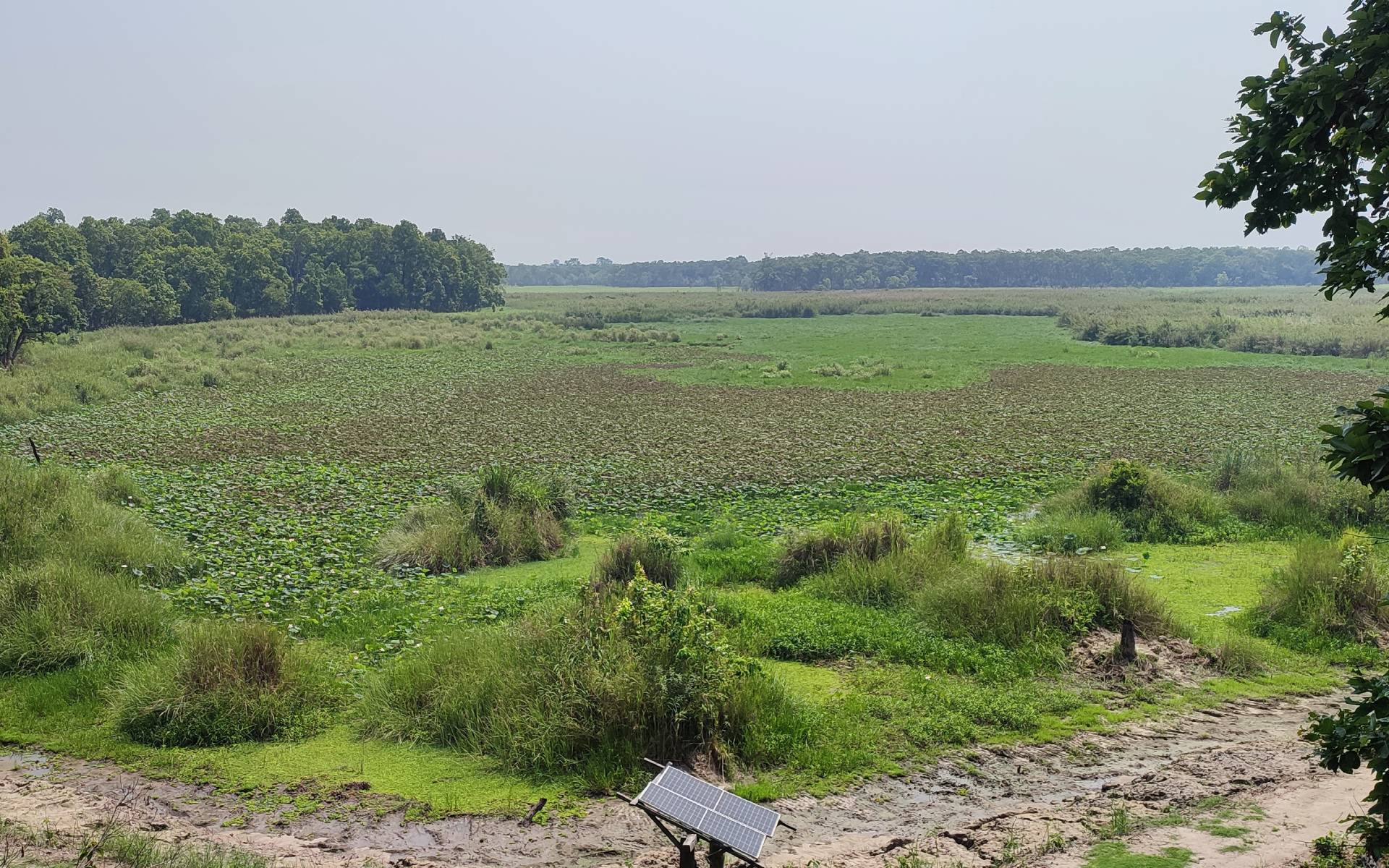
Shuklaphanta National Park lies in Nepal’s far-western Terai, close to the Indian border, within the wider Gangetic plain. Covering approximately 305 square kilometres, it protects the largest remaining expanse of natural grassland in the country.
Defining Landscapes
- Extensive phanta (open grasslands)
- Patches of sal forest
- Seasonal wetlands and waterholes
- Subtle river systems rather than major waterways
The grasslands here are not incidental; they are the park’s ecological core. Maintained through a combination of natural processes and active management, they support species that cannot survive in closed forest environments.
This makes Shuklaphanta fundamentally different from Chitwan or Bardia. Its ecological value lies in openness.
The Swamp Deer: Conservation at Scale
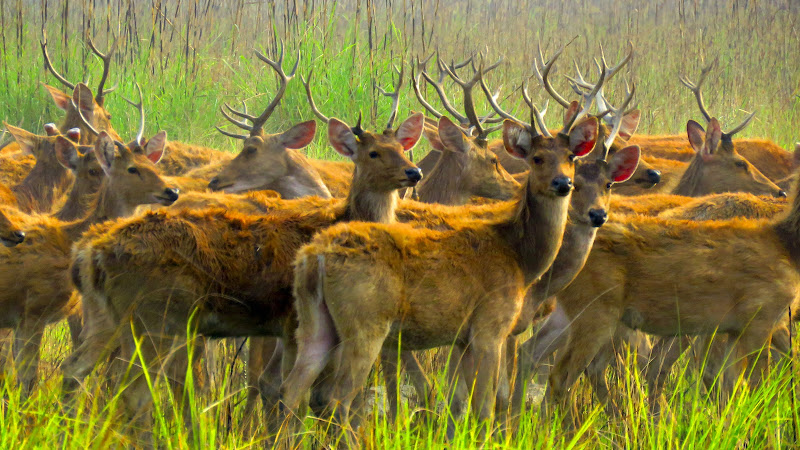
Shuklaphanta is best known as the stronghold of Nepal’s swamp deer (barasingha), and for good reason.
Why Swamp Deer Matter
- Highly specialised grassland species
- Sensitive to habitat fragmentation
- Indicators of grassland health
Shuklaphanta supports the largest single herd of swamp deer in the world, numbering in the thousands. Seeing these animals move across the plains, antlers rising above the grass, herds shifting in slow unison, is one of the park’s defining experiences.
This population did not recover by chance. It is the result of:
- Long-term habitat protection
- Controlled burning and grassland management
- Reduced human disturbance
In conservation terms, Shuklaphanta is a quiet success story.
Wildlife Beyond the Grasslands
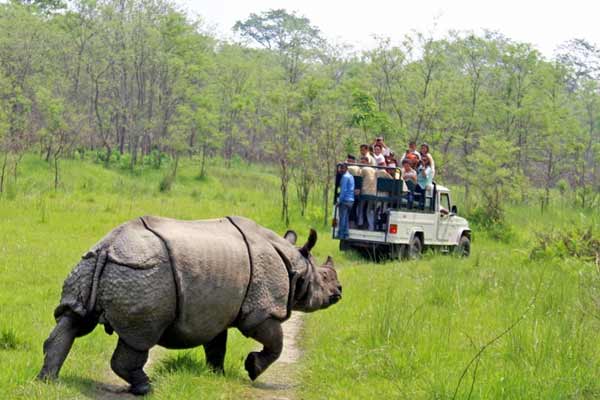
Although swamp deer dominate attention, Shuklaphanta supports a wide range of species adapted to grassland–forest mosaics.
Mammals
- Swamp deer
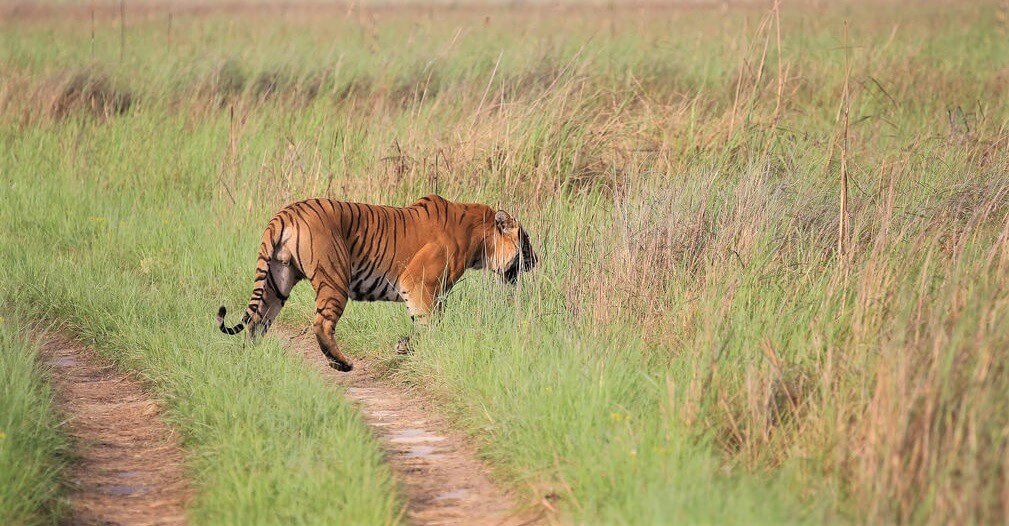
- Bengal tiger
- Leopard
- Asian elephant (seasonal movement)
- Hog deer
- Nilgai (blue bull)
- Wild boar
Predators such as tigers and leopards use forest edges and grassland margins, often becoming visible during early mornings or late afternoons when prey animals are active.
Birds
Shuklaphanta is particularly valuable for grassland and wetland bird species, many of which are declining elsewhere:
- Bengal florican
- Swamp francolin
- Various bustards and larks
- Migratory waterfowl in winter
For birders, this park offers a completely different profile from forest-heavy Terai reserves.
The Cultural Context: Life on the Far-Western Edge
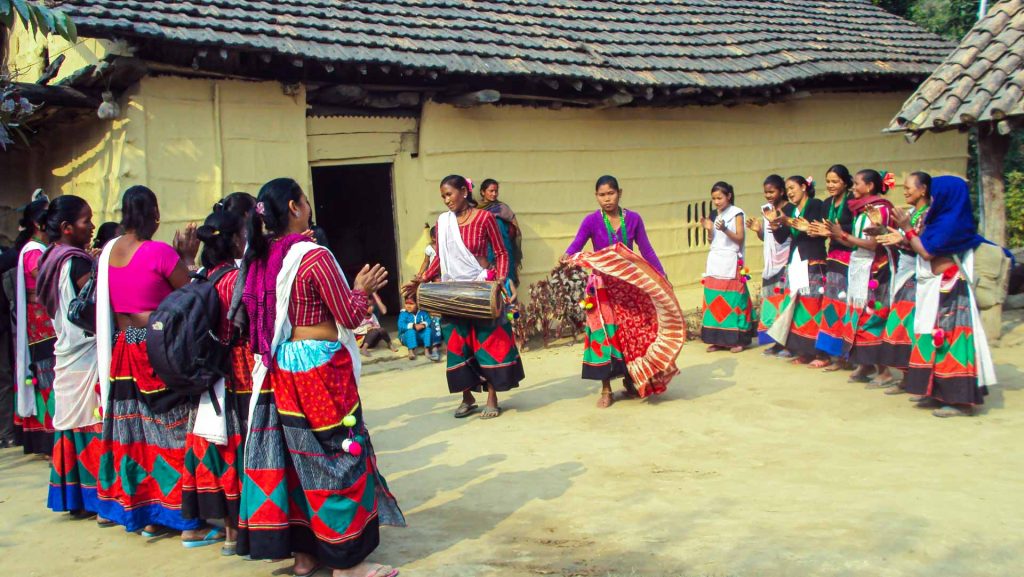
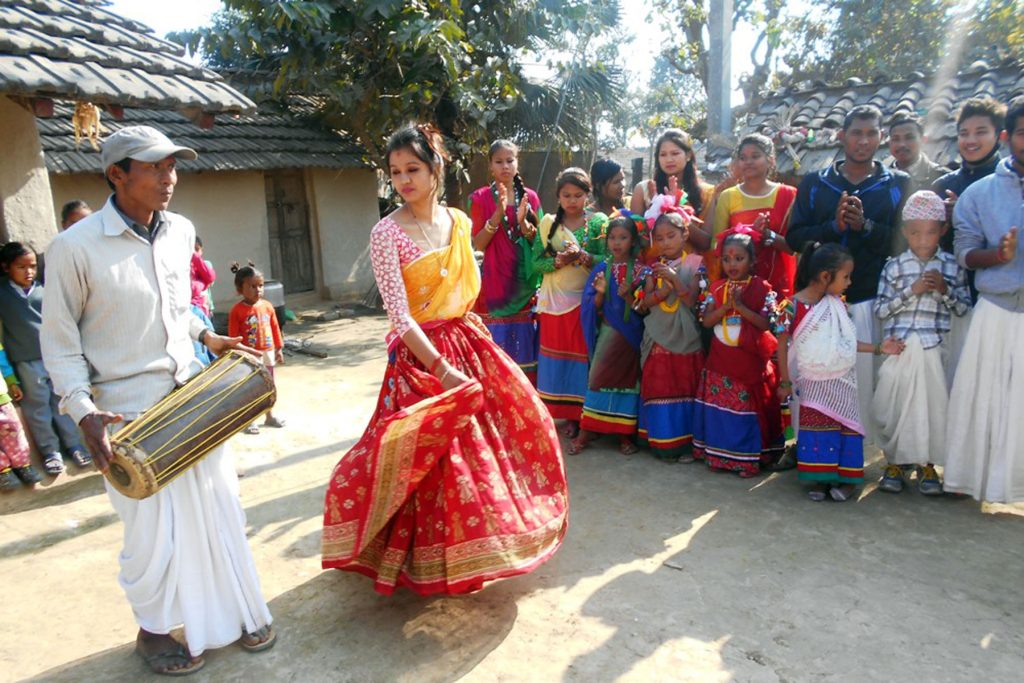
The communities surrounding Shuklaphanta live in one of Nepal’s least developed and least connected regions.
Human Landscape
- Predominantly agrarian livelihoods
- Seasonal labour migration
- Strong dependence on land and climate
Tourism here remains minimal, and interactions with visitors are infrequent. This creates a dynamic that feels unpolished and uncurated, but also honest.
There are no large tourist villages or entertainment-oriented cultural programmes. What exists instead is everyday life, continuing largely unaffected by the presence of a national park.
Visiting Shuklaphanta National Park: What to Expect
Shuklaphanta does not cater to mass tourism. Infrastructure is sparse, and planning matters.
Access
- Overland travel from Dhangadhi or Mahendranagar
- Long road journeys with variable conditions
- Entry points are functional rather than developed
The park’s remoteness naturally limits visitor numbers, preserving its quiet character.
Permits
- Standard national park entry permit
- Additional fees for guided safaris
Arrangements are best made in advance, especially outside peak domestic travel seasons.
Safari Experiences: Observation Over Action
Safaris in Shuklaphanta are shaped by the landscape itself.
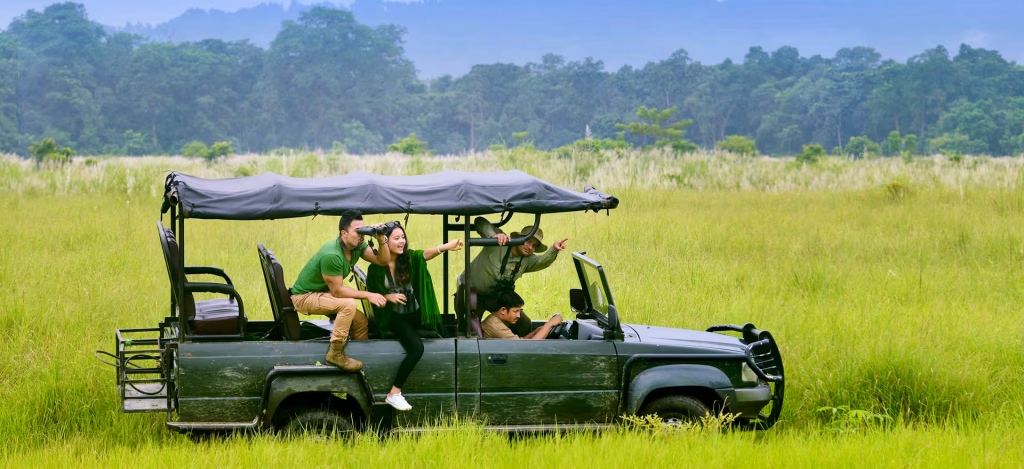
Jeep Safaris
- Primary mode of exploration
- Long sightlines across grasslands
- Excellent for observing herd behaviour
Unlike forest safaris, movement here is slower and more deliberate. The focus is not on chasing sightings, but on watching patterns emerge.
Walking Opportunities
- Limited and carefully managed
- Mainly in buffer-zone areas
- Focused on birds, vegetation, and tracking signs
Shuklaphanta rewards travellers who are comfortable with distance and stillness.
Best Time to Visit Shuklaphanta National Park
Winter (November–February)
- Cooler temperatures
- Peak bird migration
- Excellent visibility across grasslands
Spring (March–April)
- Dry conditions
- Increased wildlife activity
- Controlled grassland burns may occur
Summer (May–June)
- Very hot
- Wildlife concentrated near water
Monsoon (July–September)
- Lush growth
- Limited access
- Reduced visibility
For most visitors, January to March offers the best balance of comfort and wildlife viewing.
Accommodation: Simple and Limited
Accommodation options near Shuklaphanta are basic and few.
What to Expect
- Small guesthouses or simple lodges
- Limited menus
- Basic amenities
There are no high-end safari lodges or luxury options. This keeps visitor numbers low—but also requires realistic expectations.
Staying here is about proximity and patience, not indulgence.
Food and Supplies: Plan Ahead
Food availability reflects the region’s remoteness.
Meals are typically:
- Rice and lentils
- Seasonal vegetables
- Simple curries
- Tea
Visitors should:
- Bring essential snacks
- Avoid food waste
- Respect supply limitations
The lack of variety is part of the experience, not a flaw.
Shuklaphanta as Slow Travel: Space as the Main Attraction
Shuklaphanta does not reward speed.
Wildlife is often seen at a distance. Behaviour unfolds gradually. Light and shadow change constantly across open land.
This is a park for travellers who:
- Enjoy long periods of observation
- Appreciate subtle movement
- Value quiet over activity
Spending multiple days here allows patterns to emerge, herd routes, predator presence, and bird activity that a single visit would miss.
Conservation Significance and Challenges
Shuklaphanta plays a crucial role in:
- Preserving Nepal’s remaining grassland ecosystems
- Supporting transboundary wildlife corridors
- Protecting species declining elsewhere
Key Challenges
- Grassland encroachment
- Climate variability
- Limited tourism revenue for local communities
Sustainable, low-impact tourism has the potential to support conservation without overwhelming the landscape.
Who Shuklaphanta National Park Is For
Ideal For
- Birders
- Wildlife observers
- Repeat visitors to Nepal
- Travellers seeking solitude
Not Ideal For
- First-time Nepal visitors on short trips
- Luxury safari seekers
- High-action wildlife expectations
Shuklaphanta is subtle by nature. Those who come looking for spectacle may miss its value.
How Shuklaphanta Fits Into a Nepal Journey
Shuklaphanta works best as:
- A primary destination in far-western Nepal
- Or part of a Terai comparison journey alongside Chitwan or Bardia
Its contrast with forest-heavy parks highlights just how diverse Nepal’s lowlands truly are.
Final Reflection: The Power of Open Landscapes
In a country famous for vertical drama, peaks, ridges, and valleys, Shuklaphanta reminds you that flat land can be just as powerful.
Here, wildlife is not hidden.
Silence carries across distance.
Time stretches.
There is something deeply grounding about watching a herd of swamp deer cross an open plain with no sense of urgency, moving not for you, not for show, but because this is simply where they belong.
Shuklaphanta does not demand admiration.
It earns it quietly.
And for travellers willing to slow down enough to notice, that quiet becomes its greatest gift.
Stay Informed With the Latest & Most Important News
Previous Post
Next Post
- Kathmandu Travel Guide: What to See, Where to Stay, Eat and How to Get Around
- From Mustang to the World: Shinta Mani Mustang Named the No. 1 Luxury Hotel on Earth
- Best Places to Visit in Nepal: A Complete Region-by-Region Guide for Every Traveller
- Trekking in Nepal: The Complete Guide to Choosing and Planning Your Himalayan Trek

- Beyond the Mountains: Why Nepal Could Become One of the World’s Great Food Destinations