Now Reading: Langtang National Park: Culture, Forests, and Slow Trekking in Nepal’s Closest Himalayan Sanctuary
-
01
Langtang National Park: Culture, Forests, and Slow Trekking in Nepal’s Closest Himalayan Sanctuary
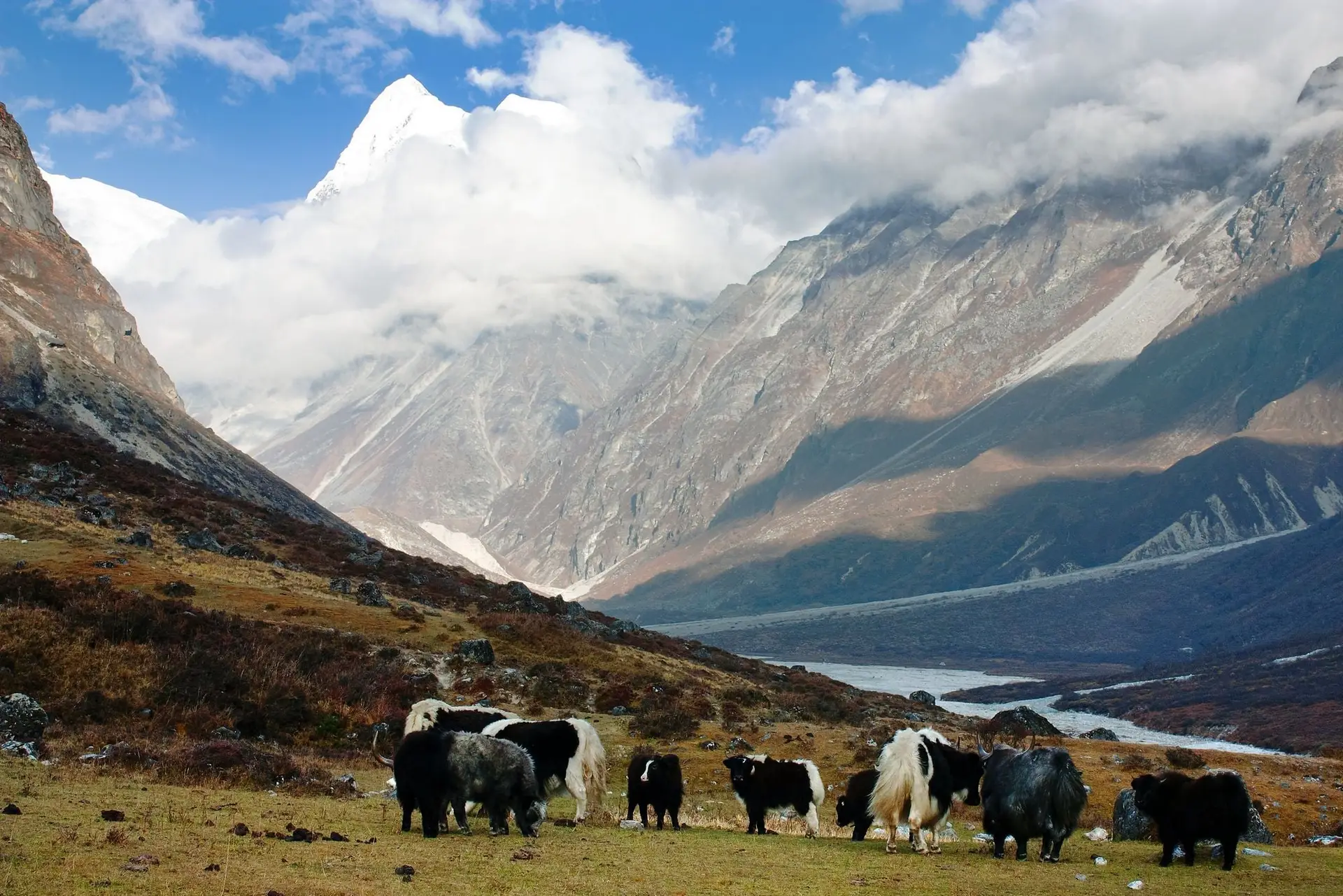
Langtang National Park: Culture, Forests, and Slow Trekking in Nepal’s Closest Himalayan Sanctuary

Langtang is where the Himalaya begins to slow you down.
Just a day’s drive north of Kathmandu, this national park offers something rare in Nepal: high mountain landscapes without theatrical extremity. There are glaciers, alpine meadows, deep forests, and dramatic ridgelines, but the defining feature of Langtang is not altitude or difficulty. It is continuity.
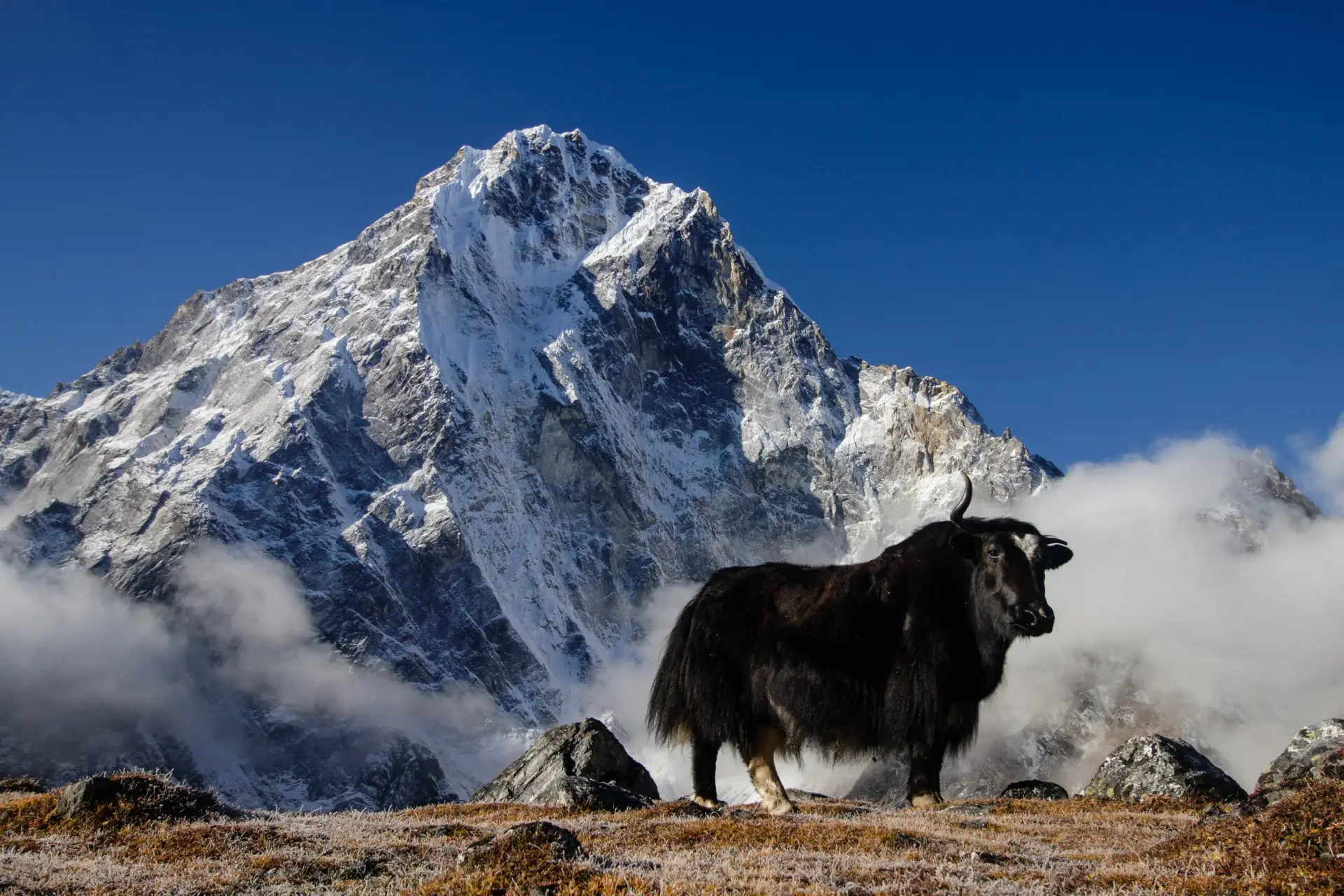
Here, trails pass through villages rather than around them. Yaks graze beside mani walls. Forests are not empty; they are used, respected, and protected. Langtang is not a destination you conquer. It is a place you walk into gradually, learning its rhythms as you go.
For travellers seeking culture-rich trekking, accessible wilderness, and a slower Himalayan experience, Langtang National Park is one of Nepal’s most rewarding landscapes.
Recommended Read: Nepal’s National Parks: Detailed Guide to Every Protected Landscape
Understanding Langtang: Geography, Elevation, and Ecology
Langtang National Park stretches from the mid-hills north of Kathmandu to the Tibetan border, covering roughly 1,700 square kilometres. Its elevation range, from under 1,000 metres to peaks over 7,000 metres, creates a compressed but incredibly diverse ecological gradient.
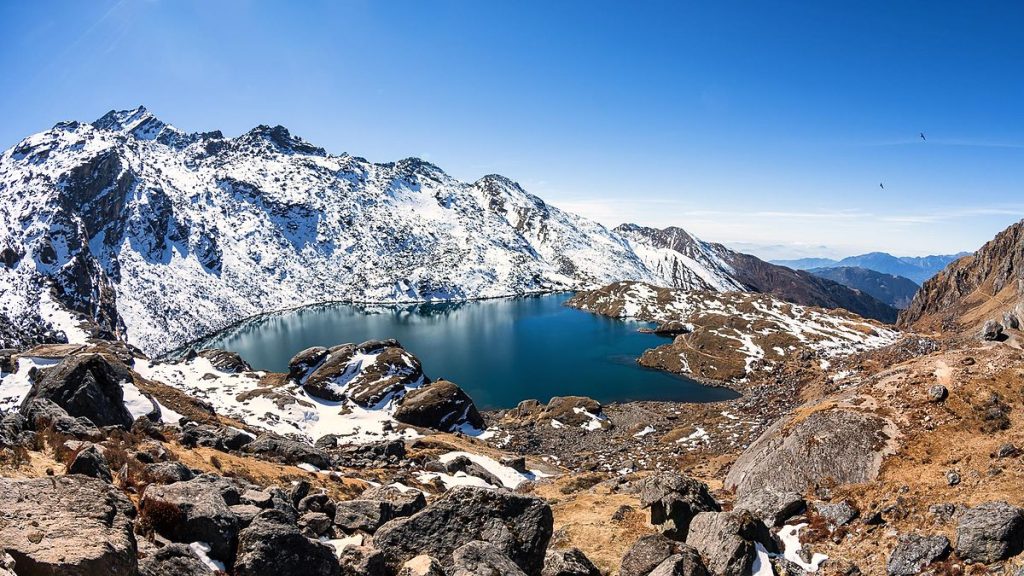
Key Landscapes
- Subtropical river valleys
- Temperate oak, maple, and rhododendron forests
- Alpine meadows and yak pastures
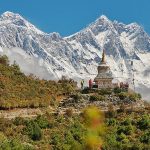
- Glaciers and high Himalayan ridges
Unlike Nepal’s more famous trekking regions, Langtang feels intimate. Valleys are narrower, distances shorter, and transitions between ecosystems happen quickly, often within a single day’s walk.
This makes Langtang ideal for travellers who want variety without overextension.
Wildlife of Langtang National Park
Langtang is not a classic “big wildlife” destination like the Terai parks, but its forests and alpine zones support a wide range of Himalayan species, many of which are rarely seen elsewhere.

Mammals
- Red panda (Langtang is one of Nepal’s strongholds)
- Himalayan black bear
- Musk deer
- Himalayan tahr
- Goral
- Snow leopard (extremely rare, but present)
Wildlife sightings here are subtle rather than spectacular. Encounters often happen:
- Early morning in forest sections
- Near tree lines at dusk
- High above villages on open slopes
Patience and quiet matter more than luck.
Birds
Langtang is excellent for forest and alpine birdlife, including:
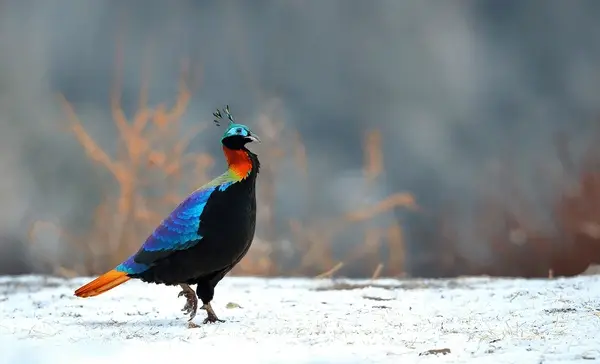
- Himalayan monal
- Blood pheasant
- Rufous sibia
- Various laughingthrushes and sunbirds
For birders, Langtang’s mid-elevation forests are particularly rewarding.
The Cultural Landscape: Tamang Life in Langtang
Langtang is as much a cultural park as a natural one.
The region is home primarily to Tamang communities, whose heritage, language, and religious practices are closely linked to Tibetan Buddhism.
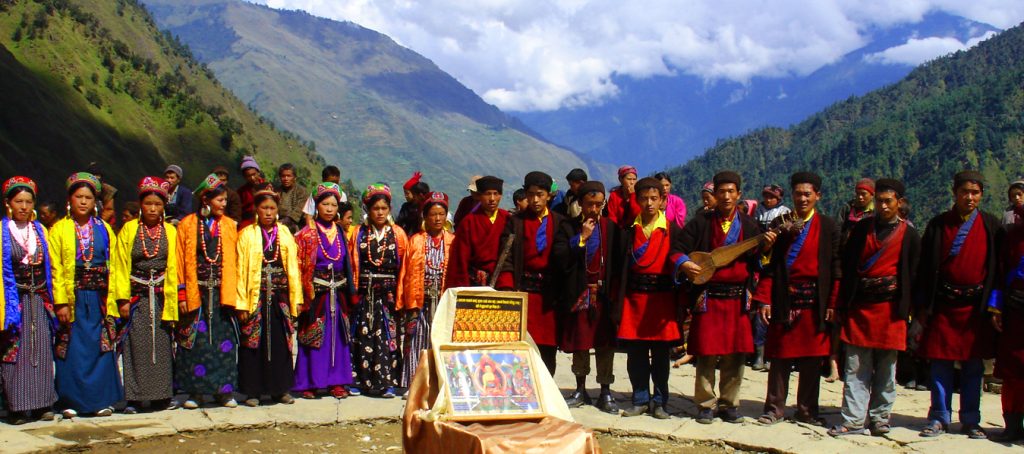
Tamang Culture
- Stone-built villages adapted to cold climates
- Seasonal transhumance with yak and livestock
- Strong monastic traditions
- Oral histories tied to land and mountains
Prayer flags, chortens, mani walls, and monasteries are not decorative; they are functional expressions of belief that shape how land is used and protected.
Trekking here means moving through lived space, not staged cultural exhibits.
Langtang After the Earthquake: Resilience and Rebuilding
In 2015, a devastating earthquake and landslide destroyed the original village of Langtang, killing many residents. The disaster reshaped the valley, physically and emotionally.
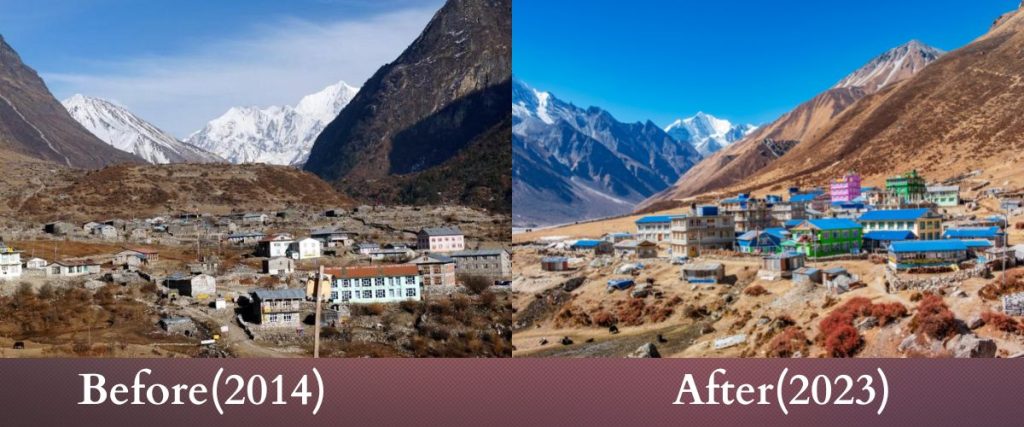
Today:
- Villages have been rebuilt higher and safer
- Lodges are newer but modest
- Tourism income plays a critical role in recovery
Walking through Langtang today is also an act of witnessing resilience. Travellers contribute directly to communities that choose to rebuild rather than abandon their homeland.
Trekking in Langtang National Park: Routes and Experiences
Langtang offers several trekking options, all of which can be adapted for slow travel.
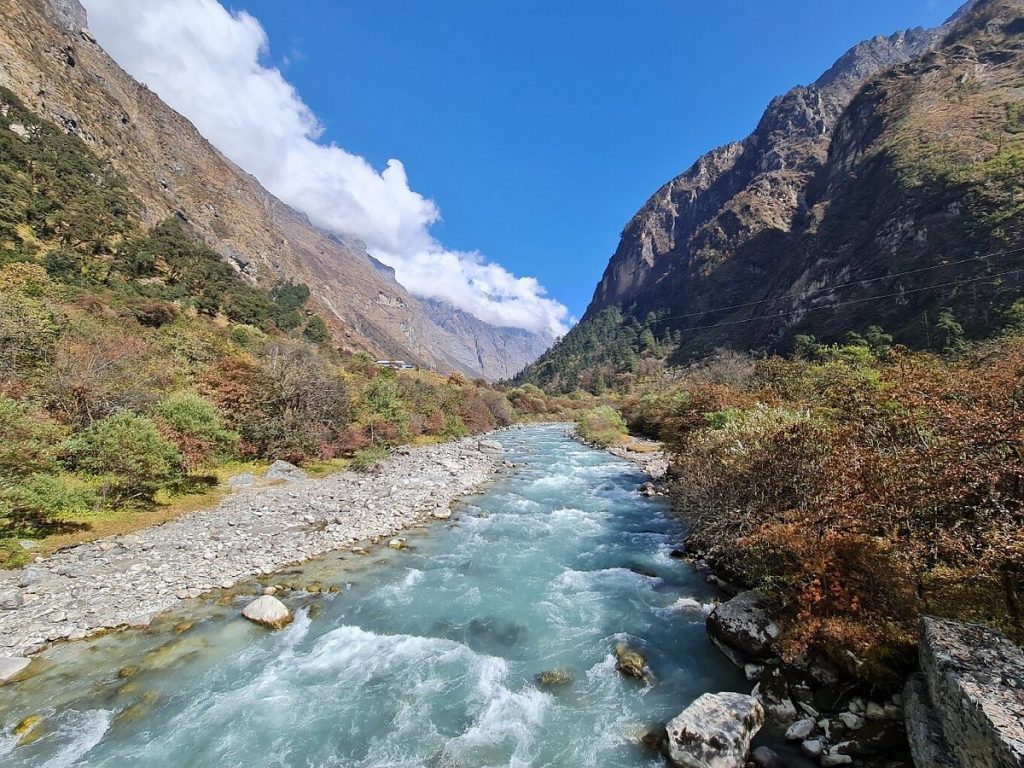
Langtang Valley Trek
The classic route.
- Gradual ascent through forests and villages
- Panoramic views from Kyanjin Gompa
- Optional side hikes to viewpoints and glaciers
This trek balances physical accessibility with depth, making it ideal for first-time trekkers.
Tamang Heritage Trail
A culture-first itinerary.
- Focus on Tamang villages and homestays
- Lower altitude
- Hot springs, monasteries, and local festivals
Best for travellers prioritising community and culture over scenery.
Gosaikunda Route
A sacred high-altitude extension.
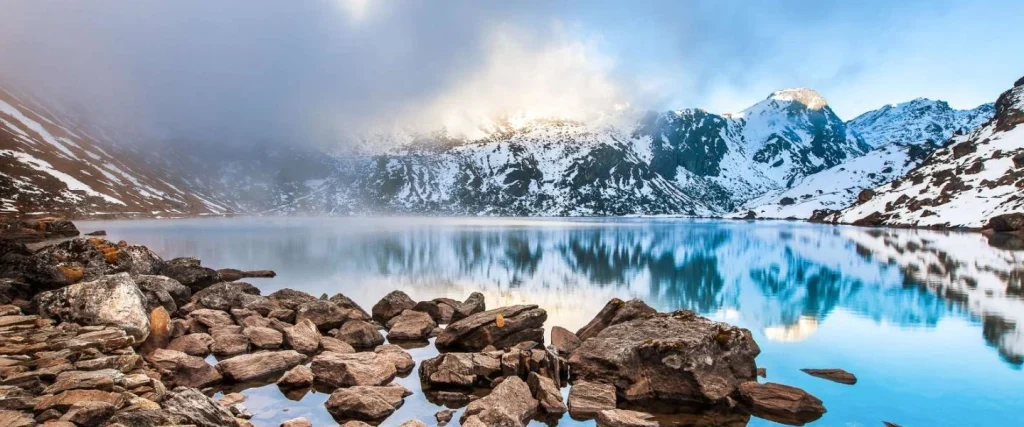
- Alpine lakes revered by Hindus and Buddhists
- Seasonal pilgrimage site
- More demanding, weather-dependent
Best Time to Visit Langtang National Park
Spring (March–May)
- Rhododendron forests in bloom
- Clear mornings
- Active wildlife
Autumn (October–November)
- Stable weather
- Crisp visibility
- Peak trekking season
Winter (December–February)
- Cold nights
- Fewer trekkers
- Snow at higher elevations
Monsoon (June–September)
- Lush landscapes
- Leeches in forest zones
- Cloud cover limits views
For most travellers, April and October offer the best balance.
Permits and Practical Logistics
Required Permits
- Langtang National Park entry permit
- TIMS card (for trekkers)
These can be arranged in Kathmandu.
Getting There
- 7–8 hours by road from Kathmandu to Syabrubesi
- Road conditions vary seasonally
There are no flights into the region, which helps keep Langtang grounded and less commercialised.
Accommodation: Teahouses and Village Stays
Langtang operates almost entirely on a teahouse system.
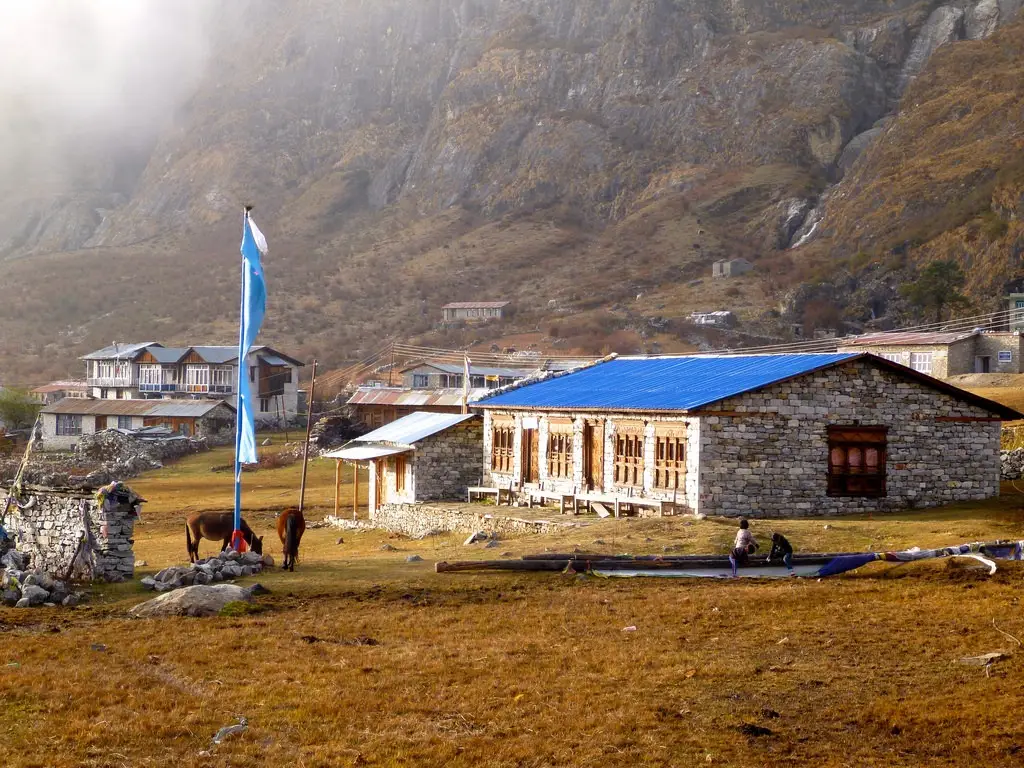
What to Expect
- Simple rooms
- Shared dining spaces
- Locally sourced meals
- Limited heating and electricity
Staying in village lodges:
- Keeps money within the community
- Encourages slower pacing
- Creates natural social interaction
Luxury is minimal, but comfort comes from rhythm, warmth, and routine.
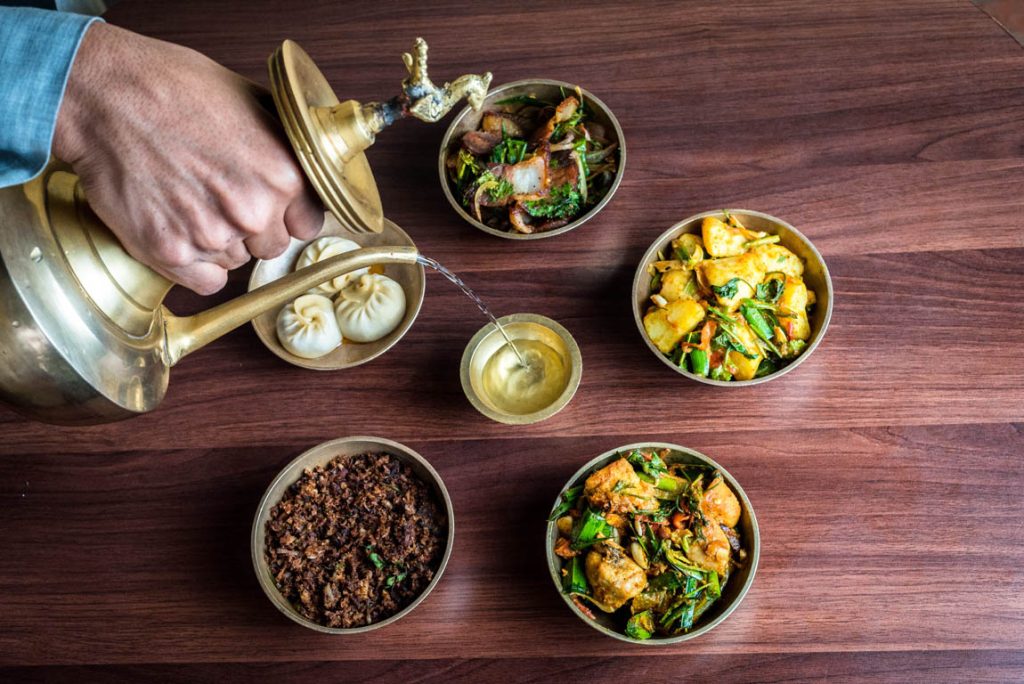
Food on the Trail: Eating in Langtang
Meals are simple, nourishing, and repetitive by design.
Common foods include:
- Dal bhat
- Tibetan bread
- Noodles and soups
- Yak cheese and curd
Eating locally supports supply chains that depend on porters, yaks, and seasonal access.
Langtang as Slow Trekking: How Long to Stay
Many itineraries rush Langtang into 6–7 days.
For a deeper experience:
- 10–12 days allows acclimatisation
- Rest days in villages
- Side hikes without pressure
Langtang rewards those who linger.
Safety, Altitude, and Responsible Trekking
Langtang is safer than many high-altitude regions, but risks remain.
Key Considerations
- Gradual ascent
- Proper acclimatisation
- Weather awareness
- Respect local customs
Hiring a local guide:
- Enhances cultural understanding
- Improves safety
- Supports livelihoods
Who Langtang National Park Is For
Ideal For
- First-time trekkers
- Cultural travellers
- Slow hikers
- Families with older children
Not Ideal For
- Summit-focused climbers
- Those seeking extreme remoteness
- Luxury-only travellers
Langtang is a human-scale Himalaya, demanding enough to be meaningful, gentle enough to be welcoming.
How Langtang Fits Into a Nepal Itinerary
Langtang pairs naturally with:
- Kathmandu Valley cultural exploration
- Short Himalayan introductions
- Post-trek reflection time
Its proximity makes it ideal for travellers with limited time but deep curiosity.
Final Reflection: Why Langtang Endures
Langtang does not overwhelm.
It does not shout with scale or spectacle.
It does not demand heroism.
Instead, it teaches attentiveness to forest sounds, to village rhythms, to the way mountains hold human life rather than exclude it.
In Langtang, the Himalaya is not distant or abstract.
It is close, familiar, and shared.
And when you leave, it feels less like a departure and more like having been quietly included in something ongoing.
Stay Informed With the Latest & Most Important News
Previous Post
Next Post
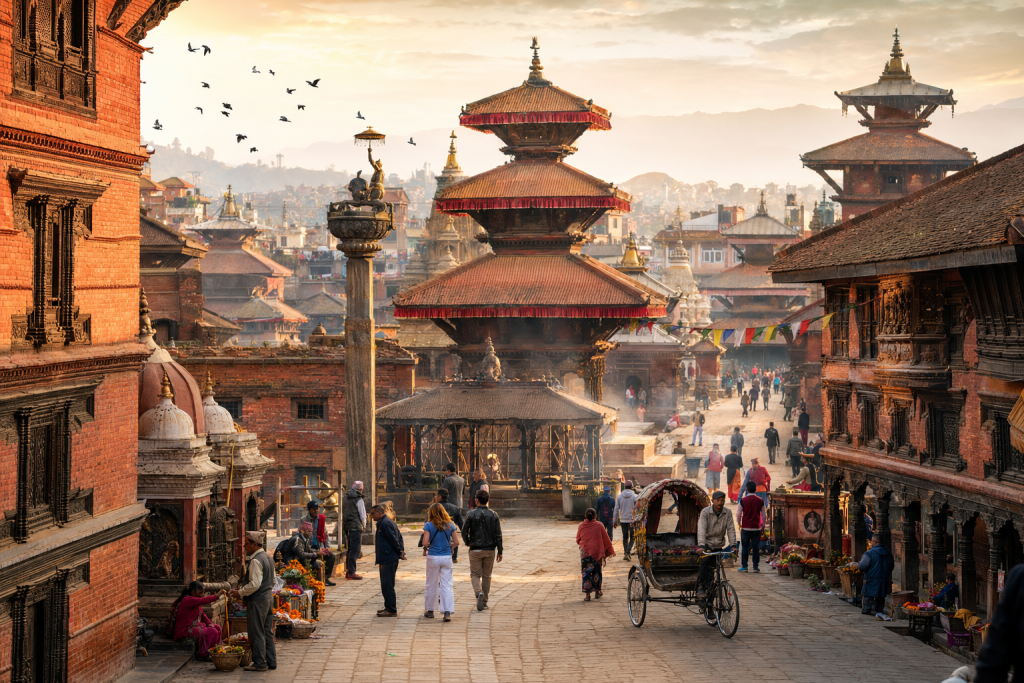
- Kathmandu Travel Guide: What to See, Where to Stay, Eat and How to Get Around
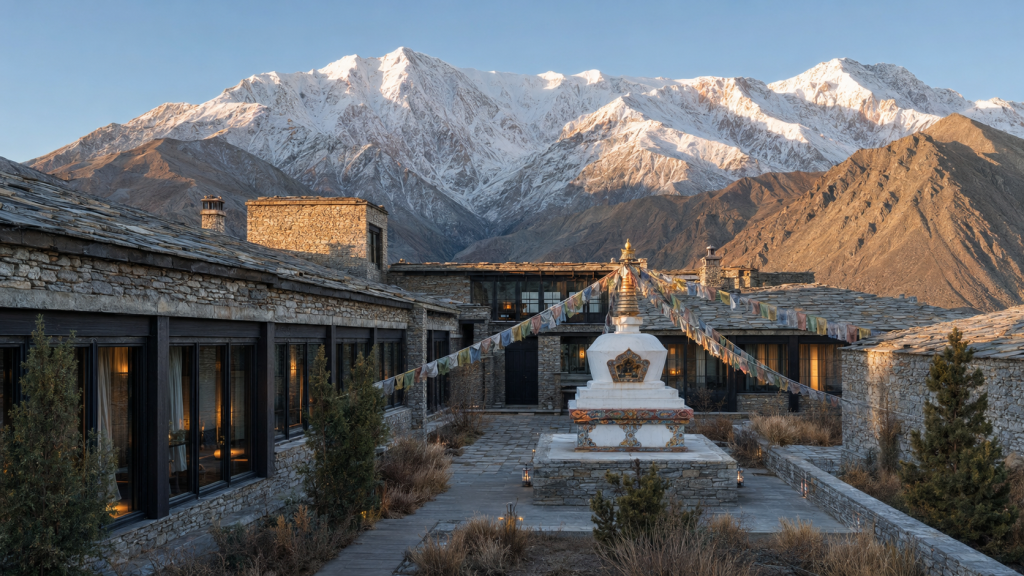
- From Mustang to the World: Shinta Mani Mustang Named the No. 1 Luxury Hotel on Earth
- Best Places to Visit in Nepal: A Complete Region-by-Region Guide for Every Traveller
- Trekking in Nepal: The Complete Guide to Choosing and Planning Your Himalayan Trek
- Beyond the Mountains: Why Nepal Could Become One of the World’s Great Food Destinations