Now Reading: Bardia National Park: Nepal’s Wildest Jungle and the Art of Slow Safari Travel
-
01
Bardia National Park: Nepal’s Wildest Jungle and the Art of Slow Safari Travel
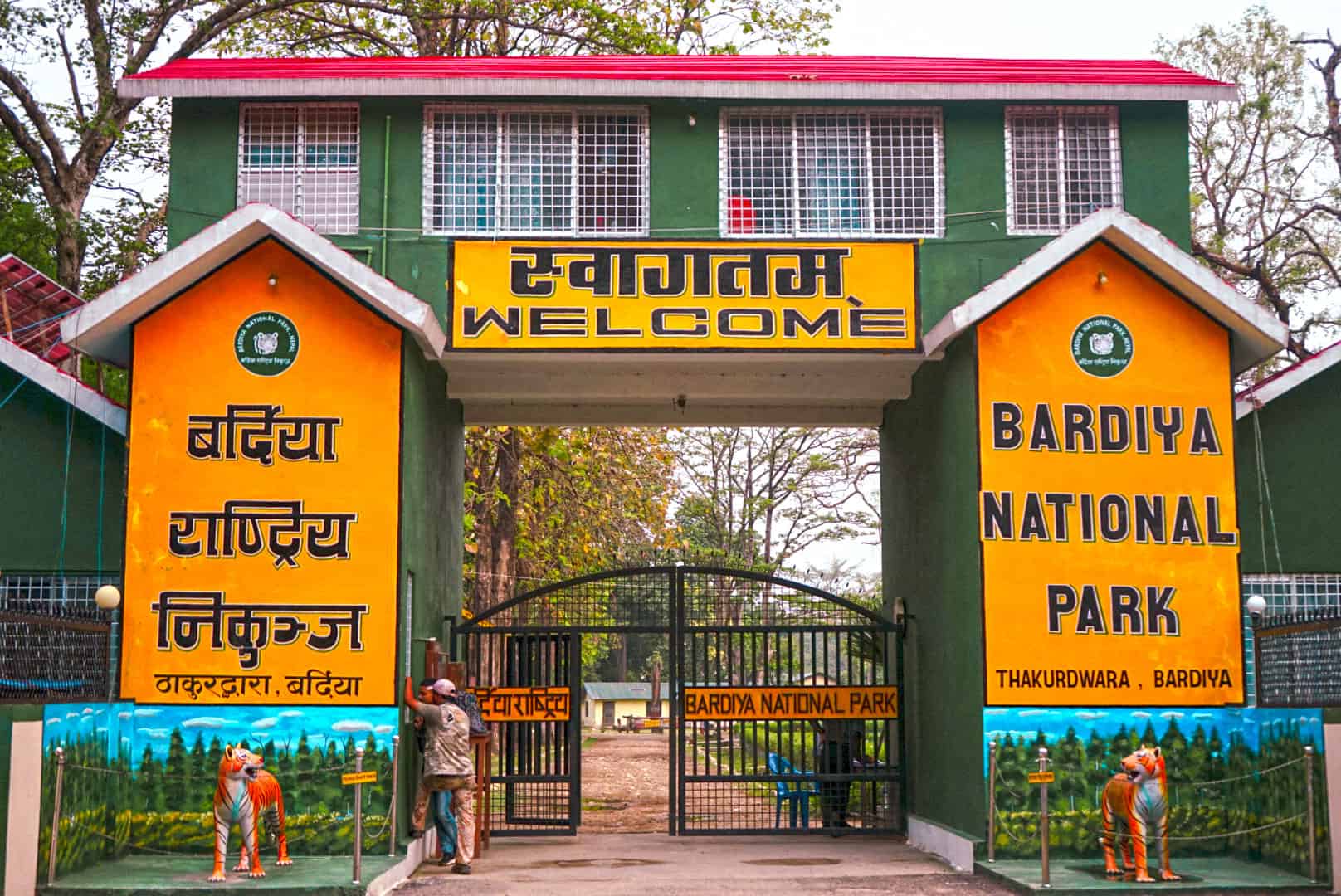

If Chitwan National Park is where most travellers meet Nepal’s wildlife, Bardia is where they learn to wait for it.
Far to the west, beyond the tour buses and packaged itineraries, Bardia National Park stretches wide and quiet, an expanse of sal forest, tall grassland, and river corridors where animals still move first, and humans follow carefully. There are no guarantees here. No crowds. No tight schedules.
And that is exactly the point.
Bardia is Nepal’s most rewarding park for travellers who value patience over convenience, immersion over entertainment, and wildness over comfort.
This guide explores Bardia in full, its ecology, wildlife, culture, logistics, and why it represents the purest form of jungle travel left in Nepal.
Recommended Read: Nepal’s National Parks: Detailed Guide to Every Protected Landscape
Understanding Bardia: Landscape, Scale, and Remoteness
Bardia National Park lies in Nepal’s far-western Terai, bordering the Karnali River and the Indian state of Uttar Pradesh. At 968 square kilometres, it is Nepal’s largest national park in the lowlands, and one of the least disturbed.
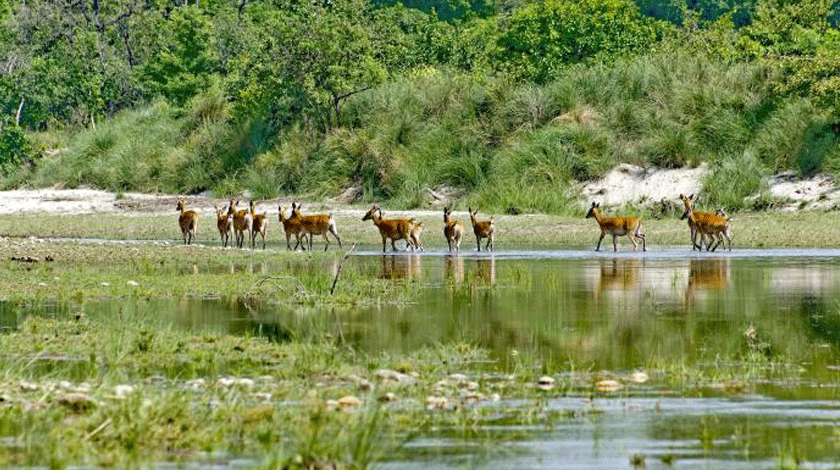
Key Habitats
- Dense sal forests
- Vast alluvial grasslands
- Riverine forests along the Karnali and Babai rivers
- Seasonal wetlands and floodplains
Unlike Chitwan, Bardia has:
- Fewer settlements inside buffer zones
- Longer distances between access points
- Less tourism infrastructure
The result is a park that feels continuous and unfragmented, allowing predators like tigers to establish large territories.
Wildlife of Bardia: Where Tigers Still Rule
Bardia is widely regarded as Nepal’s best place to see wild Bengal tigers, not because sightings are frequent, but because the ecosystem still supports natural predator behaviour.
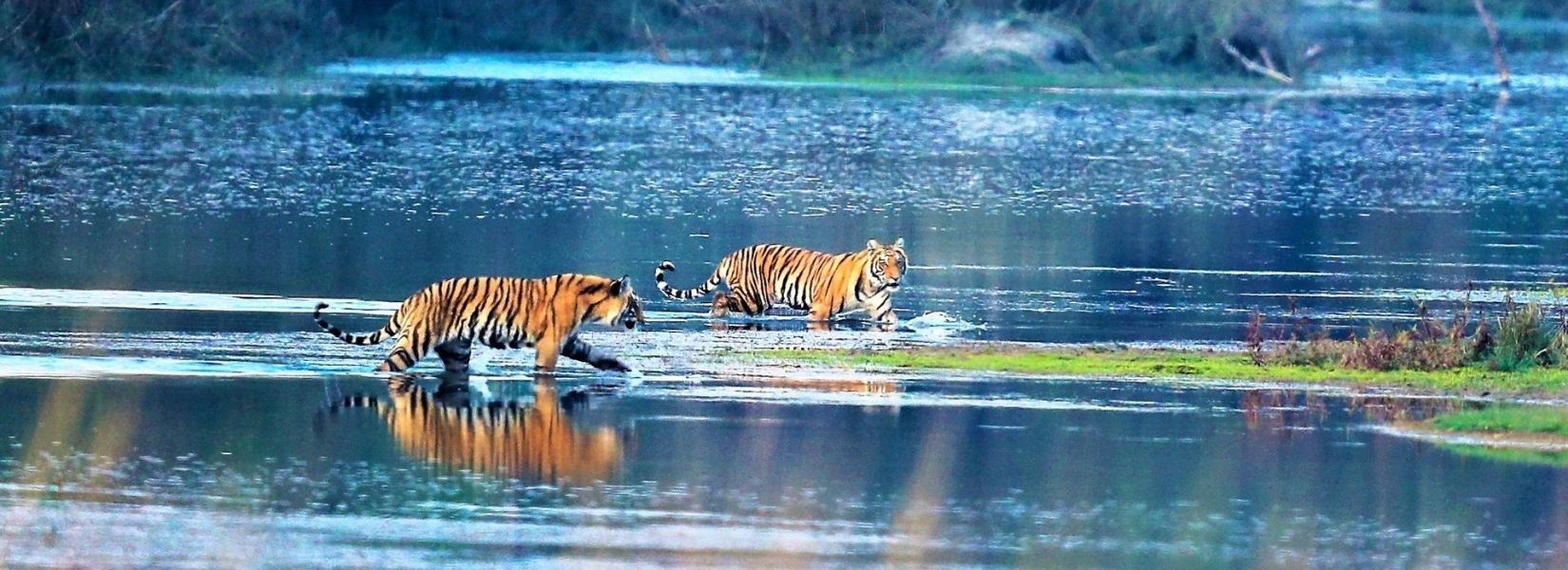
Mammals
- Bengal tiger (the highest density per visitor ratio in Nepal)
- Wild Asian elephant
- Greater one-horned rhinoceros (reintroduced)
- Sloth bear
- Leopard
- Swamp deer, sambar, chital, hog deer
- Langurs and rhesus macaques
Tiger sightings here are earned, not staged. Most encounters occur:
- Near water sources in hot months
- During early morning or late afternoon
- After hours of tracking signs
Aquatic Life
- Gangetic river dolphin (Karnali River)
- Gharial and mugger crocodiles
Birds
Over 400 bird species, including:
- Bengal florican
- Sarus crane
- Fish eagles, owls, vultures
Bardia is exceptional for quiet birding, free from the noise of heavy tourism traffic.
The Cultural Landscape: Life Around Bardia
Bardia’s human story is deeply tied to the Tharu communities who live along its boundaries.
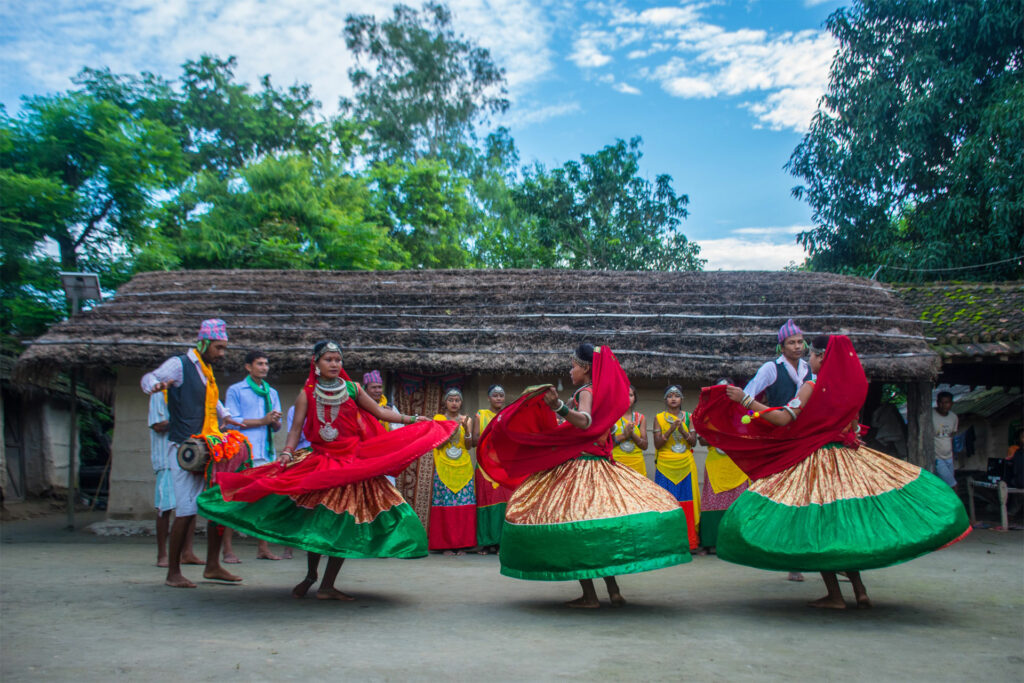
Tharu Life in the Western Terai
- Traditionally forest-dependent
- Deep tracking and survival knowledge
- Strong oral history and spiritual ties to the land
Unlike more commercialised regions, many Tharu villages around Bardia still operate:
- Small homestays
- Community-run guiding services
- Cooperative farming and forest use
Cultural interaction here feels unforced and unperformative, a by-product of daily life, not tourism choreography.
Safari Experiences in Bardia: Going Deeper, Slower, Longer
Bardia offers fewer safari “types” than Chitwan, but each goes deeper.
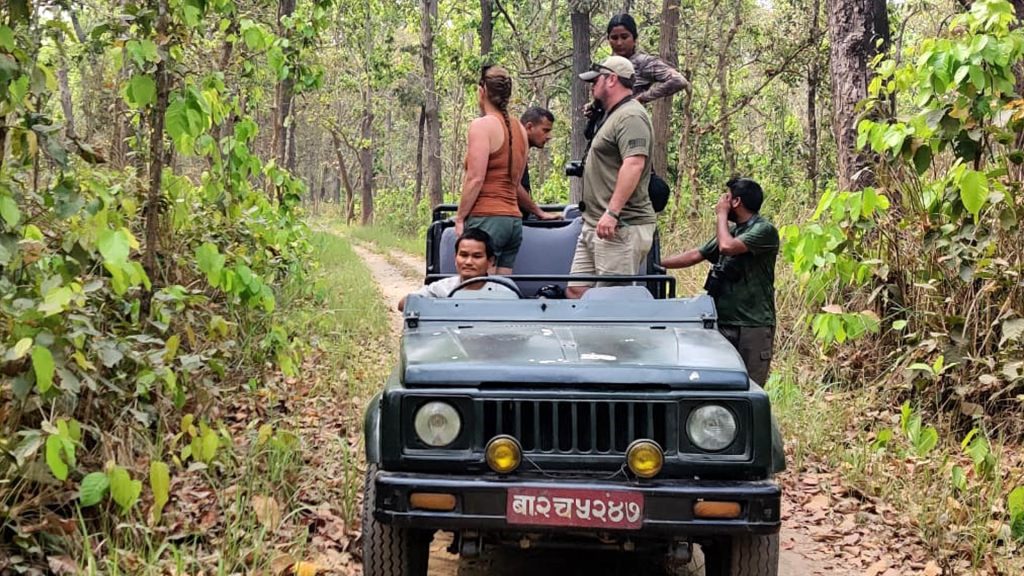
Full-Day Jeep Safaris
- Reach remote core zones
- Essential for tiger tracking
- Long, quiet drives with minimal vehicle overlap
Half-day safaris rarely do justice to Bardia’s scale.
Walking Safaris (Bardia’s Signature Experience)
- Led by expert naturalists and armed park guides
- Focus on:
- Footprints and scat
- Territorial markings
- Bird calls and alarm behaviour
These walks are intense, immersive, and unforgettable, and not suitable for those seeking comfort or certainty.
River Safaris
- Limited compared to Chitwan
- Best for crocodiles and birds
- Occasional dolphin sightings in the Karnali
Ethical Safari Travel in Bardia
Bardia is not built for mass tourism, and that is its strength.
Choose Operators Who:
- Limit vehicle numbers
- Employ local guides
- Support buffer-zone communities
- Avoid wildlife baiting or tracking shortcuts
Avoid:
- Elephant riding
- Overcrowded jeep convoys
- Short “tiger guarantee” packages
In Bardia, ethical travel equals better wildlife encounters.
Where to Stay: Lodges, Homestays, and Location Matters
Accommodation in Bardia is limited, but thoughtfully chosen stays make all the difference.
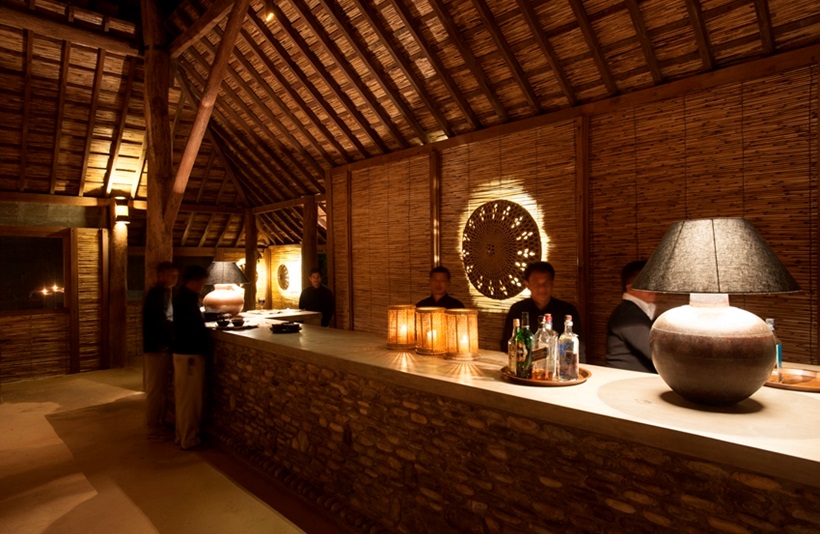
Thakurdwara Area
- Primary gateway village
- Range of eco-lodges and homestays
- Walking access to buffer-zone forests
Buffer-Zone Homestays
- Family-run
- Simple but meaningful
- Best cultural immersion
Expect:
- Limited electricity
- Seasonal menus
- Early nights and early mornings
Luxury is not the point here. Proximity and patience are.
Best Time to Visit Bardia National Park
February–April (Prime Tiger Season)
- Dry conditions
- Water sources limited
- Best tracking opportunities
November–January
- Cooler weather
- Excellent birding
- Dense vegetation may reduce big cat visibility
May–June
- Extremely hot
- High reward for experienced wildlife travellers
Monsoon (July–September)
- Park largely inaccessible
- Flooded tracks
- Not recommended
For most travellers, March offers the best balance.
Permits, Access, and Practical Planning
Entry Fees (Approx.)
- Foreigners: NPR 3,000 per day
- SAARC nationals: NPR 1,500
- Safari and guide fees extra
Getting There
- Fly to Nepalgunj, then 2–3 hours by road
- Or long-distance buses from Kathmandu (not recommended for comfort)
What to Pack
- Neutral, breathable clothing
- Hat and sun protection
- Binoculars
- Refillable water bottle
- Leech socks (early season)
How Long to Stay: The Case for Time in Bardia
Bardia does not reward short stays.
Recommended: 4–6 Nights
This allows:
- Multiple full-day safaris
- Walking experiences
- Rest days
- Real wildlife rhythm
Many tiger sightings occur on day three or four, after guides learn the animal’s movement patterns.
Bardia vs Chitwan: Choosing the Right Park
| Aspect | Bardia | Chitwan |
|---|---|---|
| Crowds | Very low | High |
| Wildlife density | High | High |
| Infrastructure | Minimal | Extensive |
| Walking safaris | Exceptional | Limited |
| Tiger sightings | Harder, deeper | Easier, rarer |
| Travel style | Slow, immersive | Accessible |
Bardia is not “better” than Chitwan.
It is less forgiving and more rewarding.
Conservation Success and Fragility
Bardia plays a key role in:
- Tiger corridor connectivity with India
- Elephant migration routes
- Anti-poaching success
But challenges remain:
- Human–wildlife conflict
- Climate-driven flooding
- Limited tourism revenue compared to eastern parks
Responsible travel directly supports conservation here.
Who Bardia Is (and Isn’t) For
Ideal For
- Repeat visitors to Nepal
- Wildlife photographers
- Slow travellers
- Those seeking silence and depth
Not Ideal For
- Short itineraries
- Families with very young children
- Comfort-first travellers
Bardia requires flexibility, patience, and respect for uncertainty.
How Bardia Fits Into a Nepal Itinerary
Bardia pairs well with:
- Karnali region travel
- Far-west cultural journeys
- A Chitwan + Bardia contrast itinerary
Many travellers visit Chitwan first, then realise Bardia offers what they were actually searching for.
Final Reflection: Why Bardia Feels Different
Bardia does not perform for visitors.
It does not promise sightings.
It does not rush the experience.
It does not soften the jungle.
Instead, it asks you to slow down, to listen, to watch, to wait.
And when the grass parts, when the forest falls quiet, when a tiger crosses your path without acknowledging you at all, you understand something important:
This place does not exist for us.
We are simply allowed to pass through.
That is Bardia’s gift, and its lesson.
Stay Informed With the Latest & Most Important News
- Kathmandu Travel Guide: What to See, Where to Stay, Eat and How to Get Around
- From Mustang to the World: Shinta Mani Mustang Named the No. 1 Luxury Hotel on Earth
- Best Places to Visit in Nepal: A Complete Region-by-Region Guide for Every Traveller
- Trekking in Nepal: The Complete Guide to Choosing and Planning Your Himalayan Trek
- Beyond the Mountains: Why Nepal Could Become One of the World’s Great Food Destinations