Now Reading: Nepal’s National Parks: Detailed Guide to Every Protected Landscape
-
01
Nepal’s National Parks: Detailed Guide to Every Protected Landscape
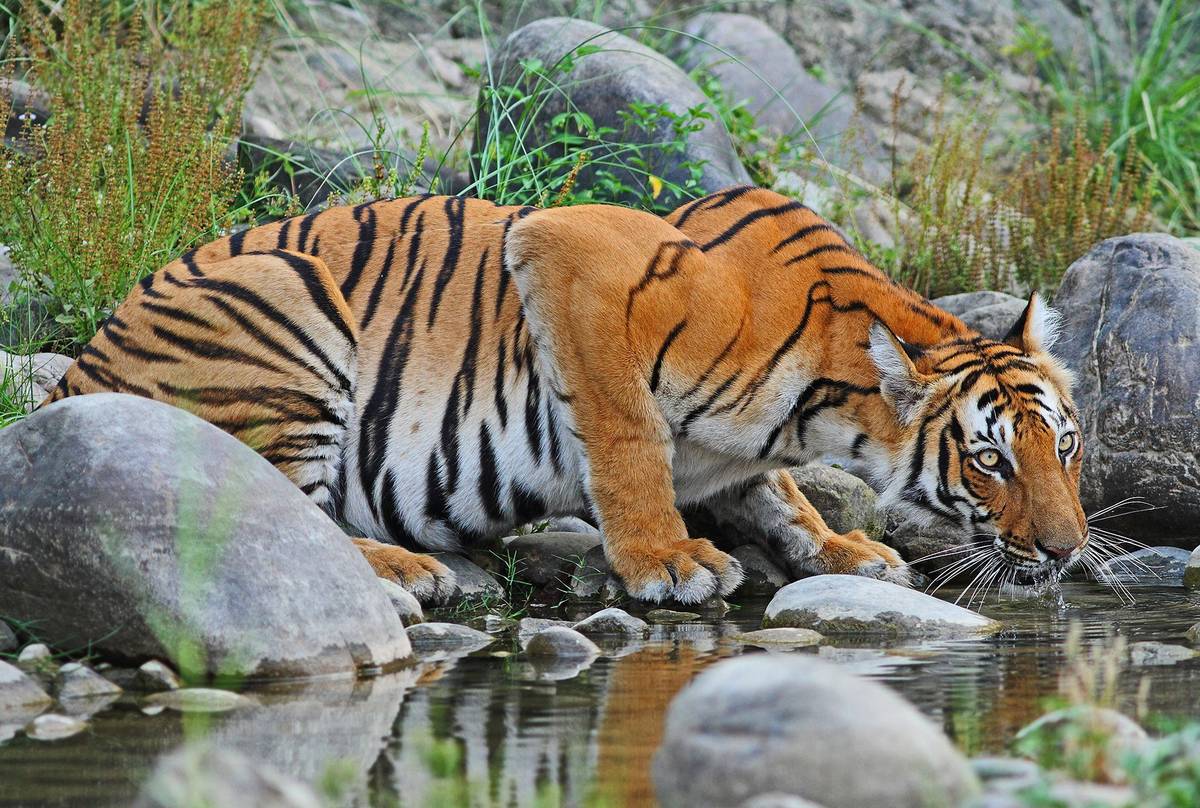

When people think of Nepal, they picture mountains, Everest, Annapurna, snow, ice and altitude.
But Nepal’s true ecological story begins far beyond the peaks.
In a country smaller than many US states, Nepal holds tropical jungles, subtropical grasslands, temperate and alpine forests, trans-Himalayan deserts, glacial valleys, and high-altitude wetlands. This extraordinary vertical geography, rising from around 60 metres above sea level to over 8,800 metres, has made Nepal one of the most biologically diverse countries on Earth.
At the heart of this diversity lies Nepal’s protected area network:
12 National Parks, 1 Wildlife Reserve, 1 Hunting Reserve, and 6 Conservation Areas, forming an interconnected system of ecosystems rather than isolated tourist sites. These protected landscapes are ecological corridors, cultural homelands, and living conservation experiments, not fenced-off wildernesses.
This guide is designed to help you:
- Understand what makes Nepal’s national parks unique, beyond surface-level wildlife checklists
- Choose the right park for your travel style, whether that means safaris, trekking, spirituality, or solitude
- Plan responsibly, with clear guidance on permits, seasons, costs, access, and logistics
- Travel slowly, ethically, and meaningfully, rather than rushing through a checklist of highlights
This guide also serves as the pillar article linking to individual deep-dive guides for each national park [work in progress in linking relevant internal articles], so whether you’re here for tigers, monasteries, rhododendron forests, alpine lakes, or quiet village life, you will know exactly where to go next and why.
Why Nepal’s National Parks Matter (Globally)
Nepal sits at the crossroads of the Indo-Malayan and Palearctic ecozones, creating a rare overlap of species, habitats, and migration corridors found almost nowhere else on Earth.
Despite covering less than 0.1% of the planet’s landmass, Nepal hosts:
- Approximately 4% of the world’s mammal species
- Nearly 9% of global bird species
- Some of Asia’s most successful conservation recoveries, including the rebound of Bengal tigers and one-horned rhinoceroses
Nepal’s national parks are not “empty wilderness.”
They are living landscapes, shaped by centuries of coexistence between people, wildlife, seasonal migration, agriculture, and belief systems that view forests, rivers, and animals as sacred, shared, and protected, rather than separate from human life.
Understanding Nepal’s national parks means understanding Nepal itself.
Chitwan National Park
Location: Central Terai (south-central Nepal)
Established: 1973
UNESCO World Heritage Site
Landscape & Ecology
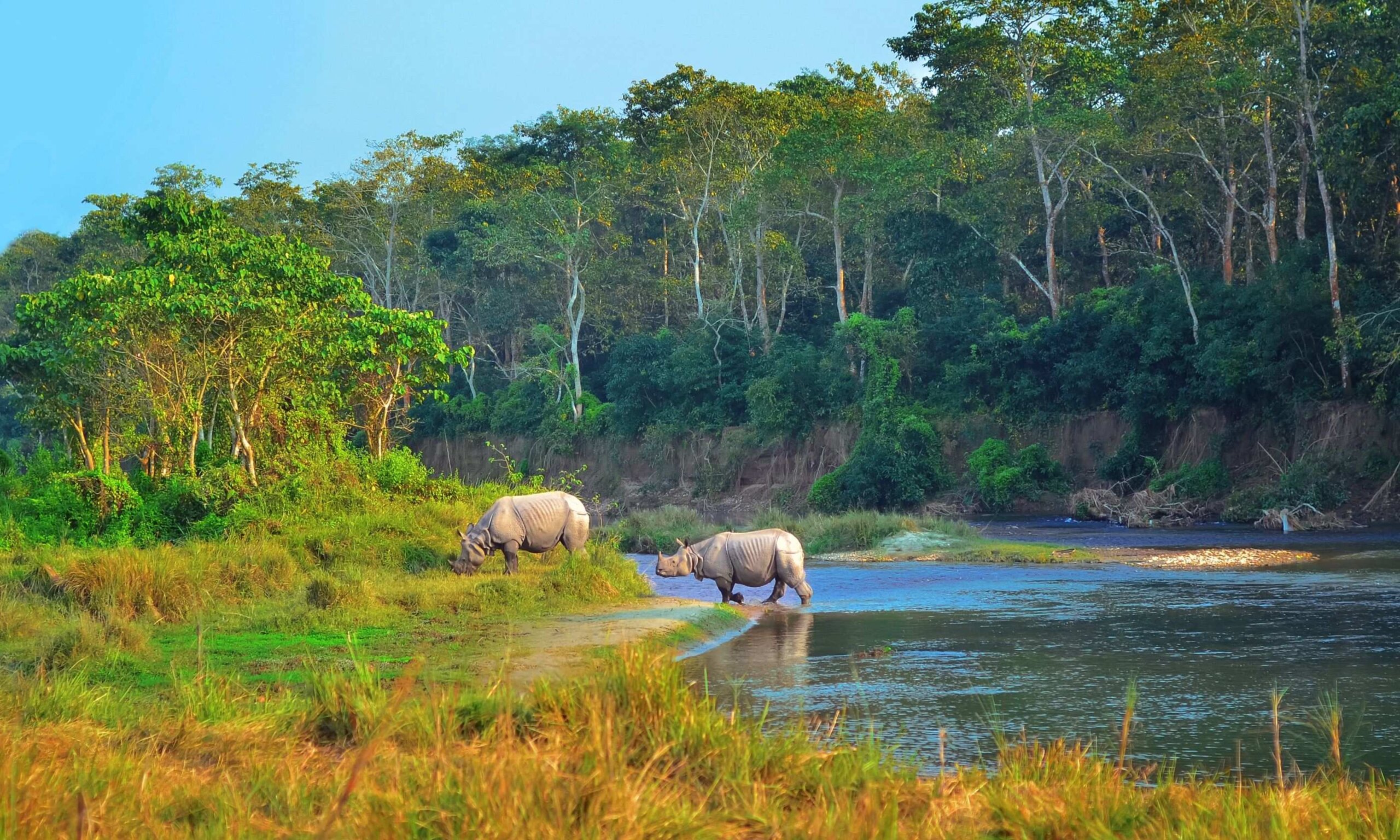
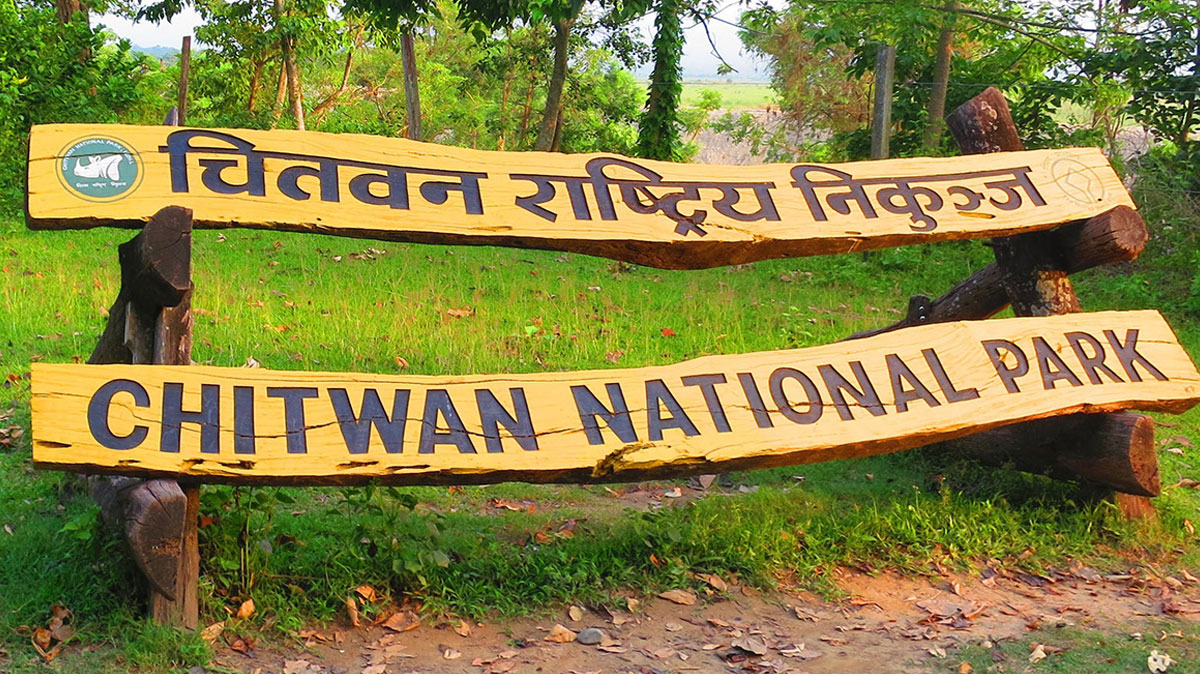
Chitwan protects classic Terai lowland jungle: sal forests, riverine grasslands, oxbow lakes, and floodplains shaped by the Rapti and Narayani rivers. The terrain is flat and humid, making it one of Nepal’s most accessible parks.
Wildlife
- One-horned rhinoceros (icon species)
- Bengal tiger
- Sloth bear
- Leopard
- Wild elephant
- Gharial & mugger crocodiles
- 500+ bird species
Cultural Context
The park borders traditional Tharu villages, whose architecture, food systems, and forest knowledge predate the park itself. Many buffer-zone communities now run homestays and guiding cooperatives.
Best Time to Visit
- Oct–March for wildlife and weather
- April–May for tiger sightings (hot but dry)
Access & Logistics
- 5–6 hours by road from Kathmandu or Pokhara
- Daily park permits required
- Safaris by jeep, canoe, or guided walking
Best For
First-time visitors, families, wildlife beginners, and travellers short on time.
Recommended Read: Chitwan National Park: A Complete Guide to Nepal’s Majestic Jungle, Wildlife, and Slow Travel Heartland
Bardia National Park
Location: Far-western Terai
Established: 1988
Landscape & Ecology
Bardia is wilder and less fragmented than Chitwan. Thick sal forest, wide river systems, and expansive grasslands create ideal predator habitat.
Wildlife
- The highest density of wild Bengal tigers in Nepal
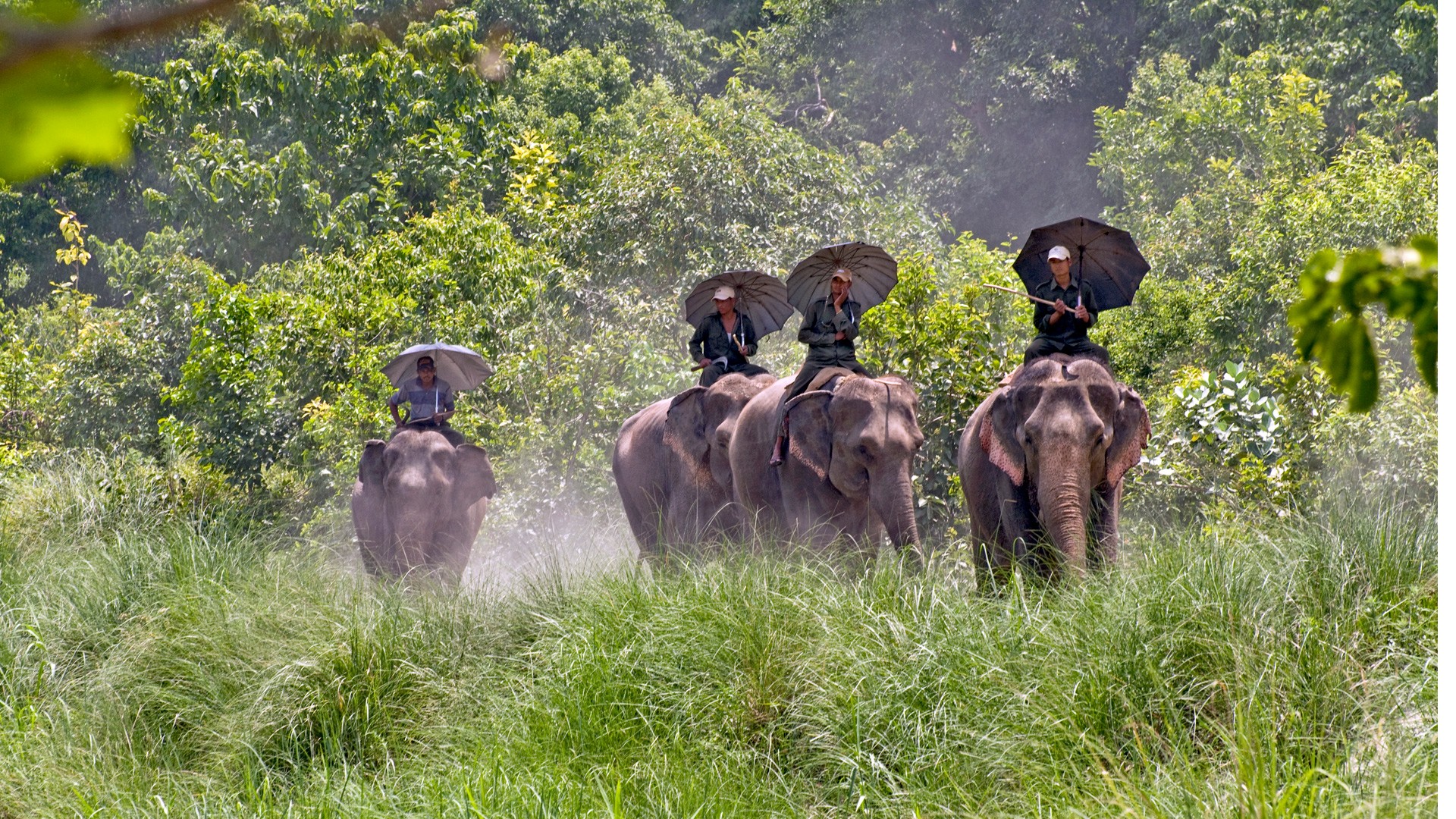
- Large herds of wild elephants
- Greater one-horned rhinos (reintroduced)
- Gangetic dolphins (Karnali River)
- Exceptional birdlife
Cultural Context
Remote Tharu and Thakurdwara villages coexist with the park. Tourism here is slower, quieter, and more community-driven.
Best Time to Visit
- Feb–April for tiger tracking
- Dec–Jan for birding
Access & Logistics
- Flight or long bus journey to Nepalgunj, then road transfer
- Fewer lodges, longer safaris
- Walking safaris are a major draw (with armed guides)
Best For
Experienced wildlife travellers, photographers, and slow travellers.
Recommended Read: Bardia National Park: Nepal’s Wildest Jungle and the Art of Slow Safari Travel
Shuklaphanta National Park
Location: Far-western Nepal near the India border
Established: 1976
Landscape & Ecology
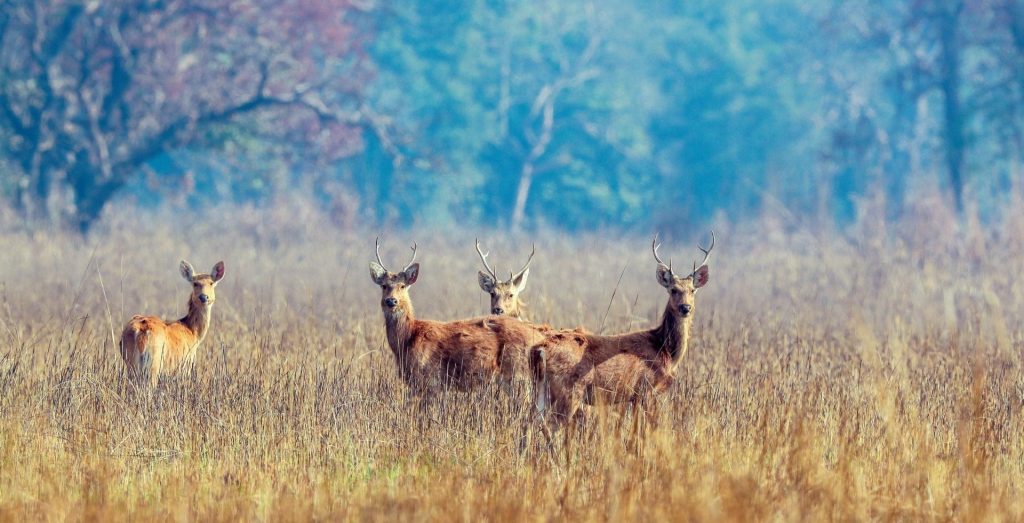
Dominated by Nepal’s largest continuous grassland ecosystem, unlike the forest-heavy Terai parks.
Wildlife
- World’s largest herd of swamp deer
- Tigers and leopards
- Grassland-specialist birds
- Seasonal migratory species
Cultural Context
Minimal tourism footprint. Surrounding communities rely on agriculture and seasonal migration.
Best Time to Visit
- Winter (Nov–Feb) for wildlife visibility
- Avoid monsoon flooding
Access & Logistics
- Limited accommodation
- Requires careful planning and flexibility
Best For
Birders, researchers, and travellers seeking zero crowds.
Langtang National Park
Location: North of Kathmandu
Established: 1976
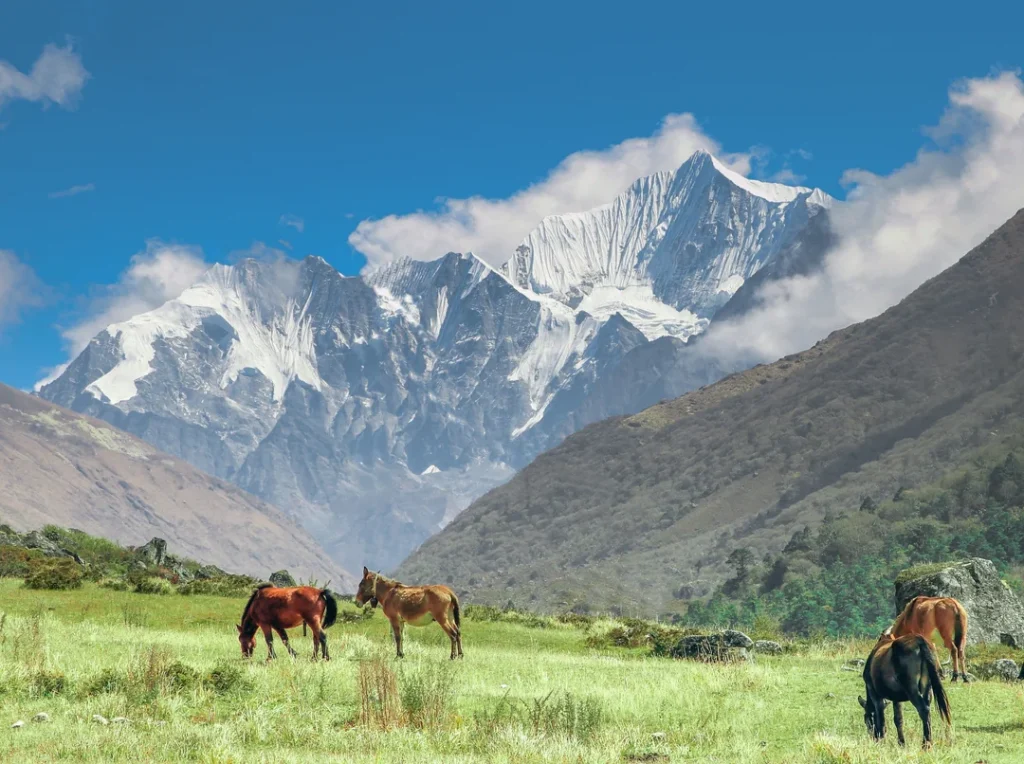
Landscape & Ecology
Alpine forests, glacial valleys, yak pastures, and high ridges. Dramatic vertical ecology from subtropical forests to snowfields.
Wildlife
- Red panda
- Himalayan black bear
- Musk deer
- Snow leopard (rare)
- Rich alpine birdlife
Cultural Context
Home to Tamang communities, whose Tibetan-rooted culture defines the valley. Buddhist monasteries and mani walls line trekking routes.
Best Time to Visit
- March–May (flowers)
- Oct–Nov (clear skies)
Access & Logistics
- 7–8 hours by road from Kathmandu
- Trekking required; no internal roads
- Park permit + TIMS card
Best For
First Himalayan trek, cultural immersion, slow trekking.
Recommended Read: Langtang National Park: Culture, Forests, and Slow Trekking in Nepal’s Closest Himalayan Sanctuary
Sagarmatha National Park
Location: Khumbu (Everest region)
Established: 1976
UNESCO World Heritage Site
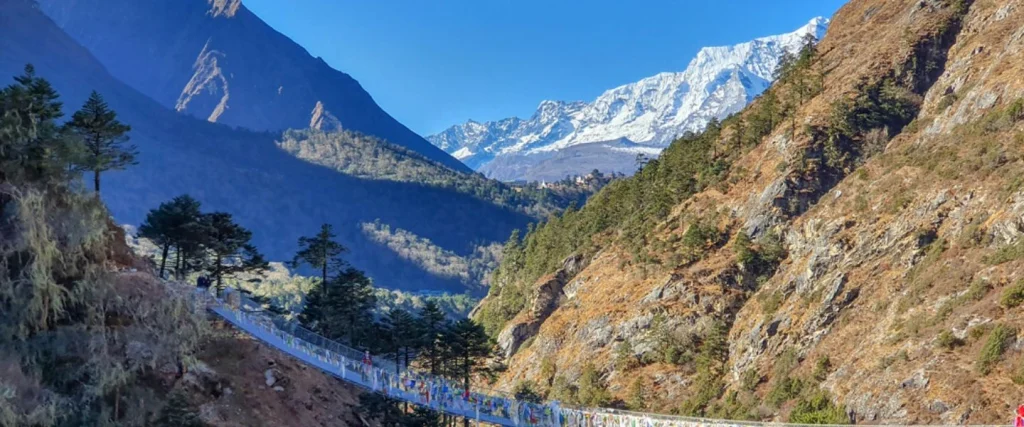
Landscape & Ecology
High-altitude glacial terrain, sacred peaks, alpine meadows. One of the world’s most extreme protected ecosystems.
Wildlife
- Himalayan tahr
- Musk deer
- Snow leopard (elusive)
- High-altitude birds
Cultural Context
Sherpa homeland. Tibetan Buddhism is deeply embedded in land use, with sacred forests and monasteries shaping conservation ethics.
Best Time to Visit
- Oct–Nov
- April–May
Access & Logistics
- Flight to Lukla or long trek from Jiri
- Park permit required
- Heavy seasonal traffic near Everest Base Camp
Best For
Iconic trekking, cultural landscapes, and high-altitude ecology.
Recommended Read: Sagarmatha (Everest) National Park: Culture, Glaciers, and Life at Altitude
Makalu Barun National Park
Location: Eastern Nepal
Established: 1992
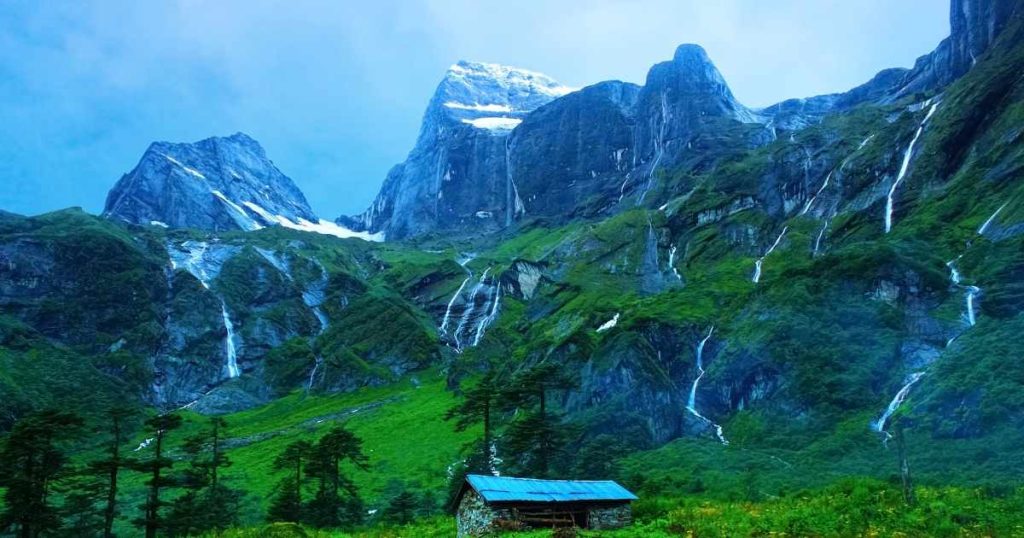
Landscape & Ecology
One of the greatest elevation ranges on Earth, from tropical forests to glaciers. Extremely biodiverse.
Wildlife
- Red panda
- Clouded leopard
- Snow leopard
- Rare orchids and plant species
Cultural Context
Sparse settlements; traditional Rai and Sherpa communities.
Best Time to Visit
- April–May
- Oct
Access & Logistics
- Remote, difficult logistics
- Multi-week treks
- Minimal infrastructure
Best For
Expedition-style trekking, for biodiversity enthusiasts.
Recommended Read: Makalu Barun National Park: Extreme Biodiversity, Vertical Wilderness, and Nepal’s Last Great Remote Trek
Shey Phoksundo National Park
Location: Dolpo, north-west Nepal
Established: 1984
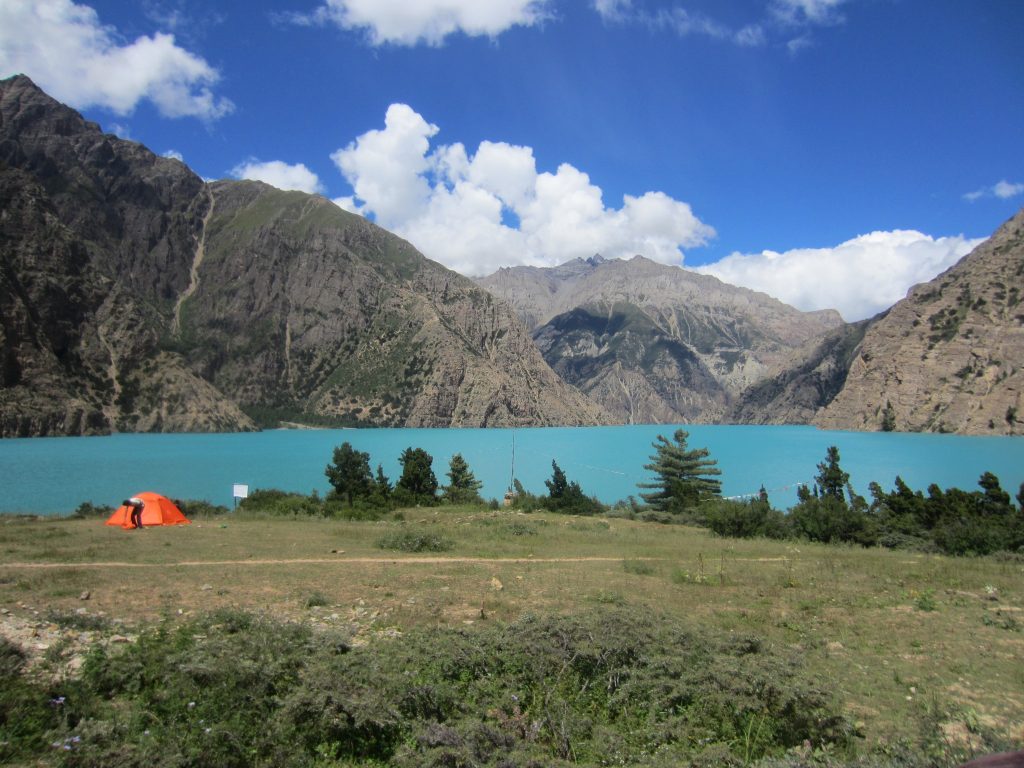
Landscape & Ecology
High-altitude desert, turquoise lakes, deep gorges. Nepal’s largest national park.
Wildlife
- Snow leopard
- Blue sheep
- Himalayan wolf
Cultural Context
Strong Tibetan Buddhist and Bon traditions. Villages unchanged for centuries.
Best Time to Visit
- June–September (rain shadow)
Access & Logistics
- Restricted area permits
- Long trekking itineraries
- Expensive but profound
Best For
Slow travel purists, cultural depth, solitude.
Recommended Read: Shey Phoksundo National Park (Dolpo): Trans-Himalayan Culture, High-Altitude Silence, and the Ultimate Slow Journey
Khaptad National Park
Location: Far-western mid-hills
Established: 1984
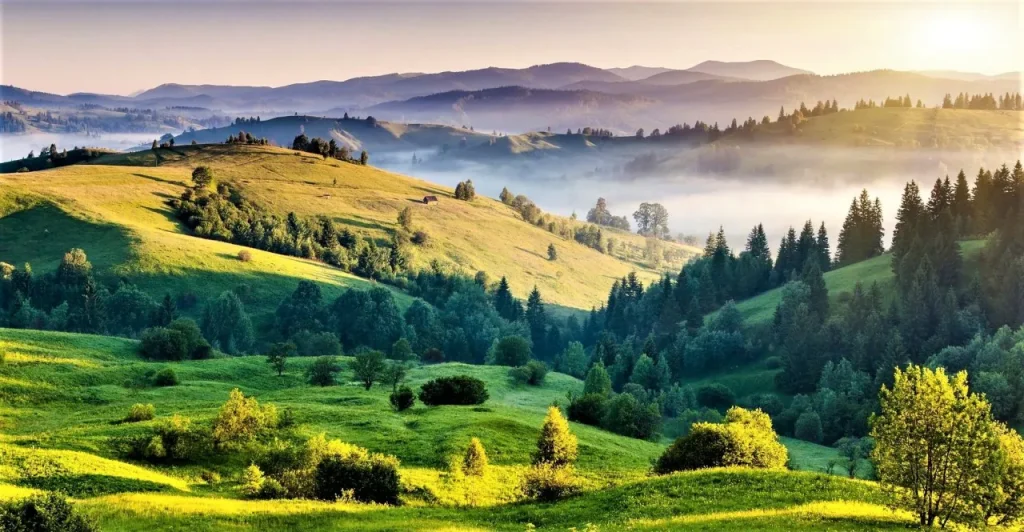
Landscape & Ecology
Rolling meadows, oak forests, plateaus, unlike any other park.
Wildlife
- Leopards
- Deer species
- Bird diversity
Cultural Context
Sacred to followers of Khaptad Baba. Pilgrimage routes and meditation sites.
Best Time to Visit
- March–June
- Sept–Oct
Access & Logistics
- Long road journeys
- Simple accommodation
Best For
Spiritual travellers, domestic tourism, reflection.
Other National Parks (Brief but Important)
Rara National Park
- Nepal’s largest lake
- Alpine scenery, extreme isolation
- Short summer window only
Parsa National Park
- Extension of the Chitwan ecosystem
- Emerging wildlife destination
- Minimal tourism
Banke National Park
- Tiger Corridor Park
- Conservation focused
- Limited visitor access
Shivapuri–Nagarjun National Park
- Kathmandu Valley’s green lung
- Day hikes, birdwatching
- Urban escape rather than expedition
- Recommended Read: Shivapuri-Nagarjun National Park: Kathmandu Valley’s Green Refuge and the Case for Everyday Wilderness
Where to Stay: Lodges, Homestays & Community Tourism
Nepal’s parks increasingly support community-based tourism:
- Buffer-zone homestays
- Locally owned lodges
- Community forests and guiding cooperatives
Choosing these:
- Keeps money local
- Reduces environmental pressure
- Creates more meaningful interactions
Slow travel in Nepal isn’t about luxury; it’s about relationships.
Responsible Wildlife Travel in Nepal
Do:
- Use licensed local guides
- Follow park rules strictly
- Keep a distance from animals
- Support conservation initiatives
Avoid:
- Elephant riding camps that exploit animals
- Flash photography
- Feeding wildlife
- Rushed “tick-box” safaris
How to Choose the Right National Park for You
| Your Interest | Best Parks |
|---|---|
| Big wildlife | Chitwan, Bardia |
| Culture + trekking | Langtang, Sagarmatha |
| Remoteness | Dolpo, Makalu Barun |
| Birdwatching | Koshi Tappu (Wildlife Reserve) |
| Spiritual landscapes | Khaptad |
Final Thought: Nepal Beyond the Mountains
Nepal’s national parks are not side trips.
They are the backbone of the country’s ecological and cultural identity.
If you travel slowly, listen, walk, and wait, you’ll discover that Nepal’s greatest moments are not always at altitude.
Sometimes they happen:
- In the rustle of tall grass at dawn
- In a monastery courtyard at dusk
- In a village kitchen near a forest edge
- In the quiet knowledge that conservation here is alive, imperfect, and deeply human
And that’s what makes Nepal unforgettable.
Related Posts
Stay Informed With the Latest & Most Important News
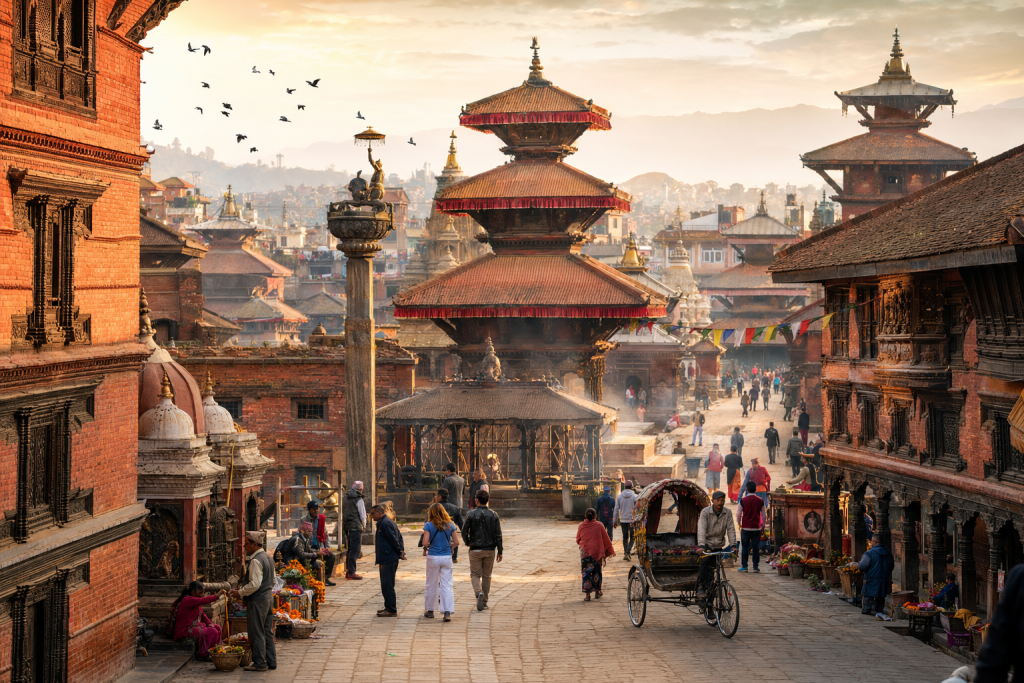
- Kathmandu Travel Guide: What to See, Where to Stay, Eat and How to Get Around
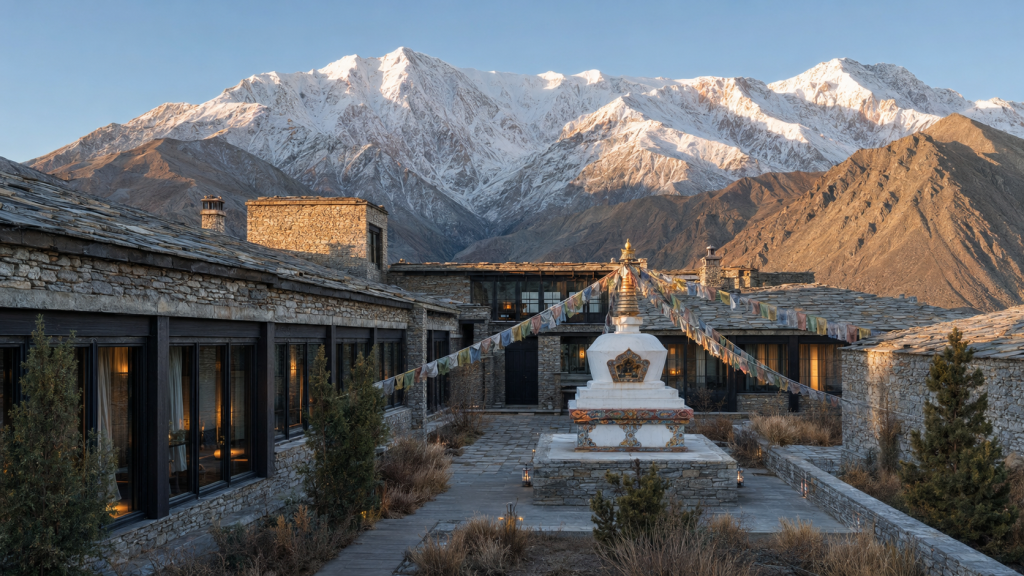
- From Mustang to the World: Shinta Mani Mustang Named the No. 1 Luxury Hotel on Earth
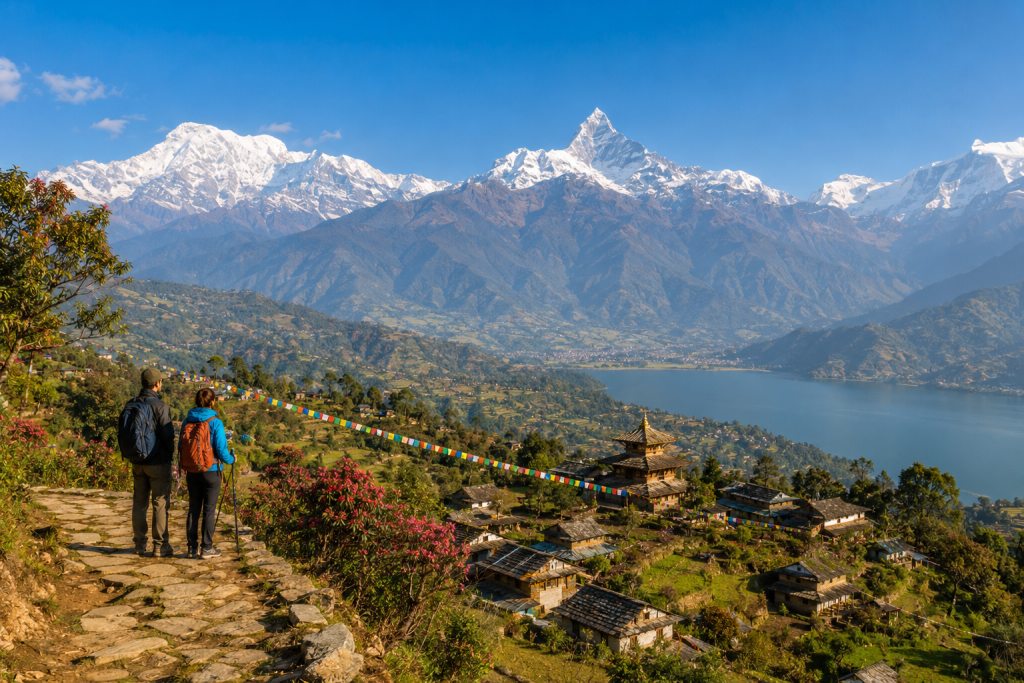
- Best Places to Visit in Nepal: A Complete Region-by-Region Guide for Every Traveller
- Trekking in Nepal: The Complete Guide to Choosing and Planning Your Himalayan Trek
- Beyond the Mountains: Why Nepal Could Become One of the World’s Great Food Destinations