Now Reading: Annapurna Circuit Trek: The Ultimate Guide to Nepal’s Most Diverse Himalayan Journey
-
01
Annapurna Circuit Trek: The Ultimate Guide to Nepal’s Most Diverse Himalayan Journey

The Annapurna Circuit Trek is not about standing beneath the highest mountain on earth.
It’s about crossing landscapes, cultures, climates, and centuries, all on foot.
In the space of two to three weeks, you walk from subtropical river valleys to high alpine deserts, from Hindu villages to Tibetan Buddhist settlements, from green rice terraces to glacial windswept passes. It is one of the most varied long-distance treks in the world, and for many travellers, the most rewarding.
If you’re trekking in Nepal for the first time, this guide covers everything you need to know, routes, seasons, day-by-day experience, altitude, costs, packing, and what the journey truly feels like.
Why Choose the Annapurna Circuit Trek?
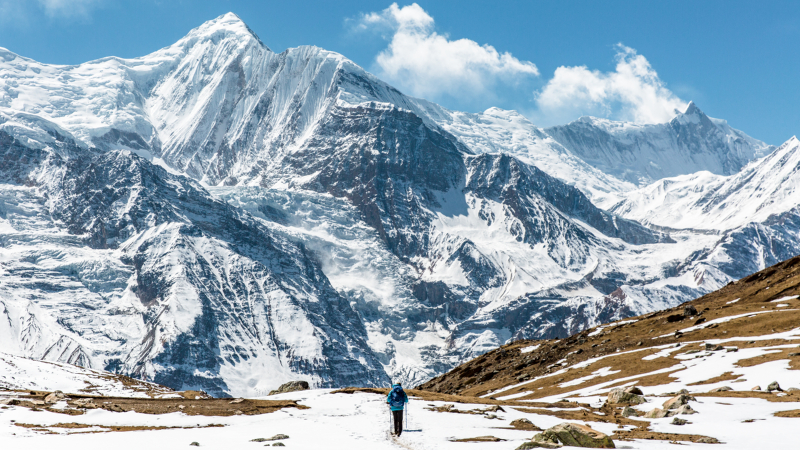
The Annapurna Circuit is often described as Nepal in one trek.
What makes it special:
- Extreme landscape diversity
- Deep cultural transitions from village to village
- Crossing Thorong La Pass (5,416m) on foot
- Less crowded than Everest routes (especially off-season)
- Flexible itinerary with multiple side trips
Unlike Everest Base Camp, the Annapurna Circuit is not a single destination; it’s a journey of progression.
Where Is the Annapurna Circuit?
The trek loops around the Annapurna Massif in central Nepal, passing through the Annapurna Conservation Area.
Traditionally, the trek starts near Besisahar and ends in Jomsom or Pokhara, though road access now allows multiple entry and exit points.
How Long Is the Annapurna Circuit Trek?
A classic circuit takes 14–21 days, depending on:
- Starting/ending point
- Side trips (Tilicho Lake, Ice Lake)
- Acclimatisation pace
- Road avoidance choices
First-time trekkers should plan 16–18 days for a safer, richer experience.
Best Time to Trek the Annapurna Circuit
🍁 Autumn (September–November) – Best Overall
- Clear skies
- Stable weather
- Excellent visibility
🌸 Spring (March–May)
- Warmer temperatures
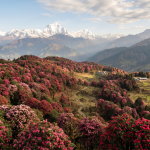
- Rhododendron forests in bloom
- Slightly hazier views
❄️ Winter (December–February)
- Quiet trails
- Very cold at high altitude
- Thorong La may close after heavy snowfall
🌧️ Monsoon (June–August)
- Lush lower valleys
- Landslides, leeches
- Rain-shadow helps beyond Manang, but not ideal for beginners
Permits Required for Annapurna Circuit
You’ll need:
- Annapurna Conservation Area Permit (ACAP)
- TIMS Card
These can be obtained in Kathmandu or Pokhara, or arranged by your guide.
Annapurna Circuit Trek Route (Day-by-Day Experience)
This is a trek that changes character every few days. Below is what first-time trekkers can realistically expect.
Day 1–2: Besisahar to Bahundanda / Chamje
Altitude: ~1,300–1,700m
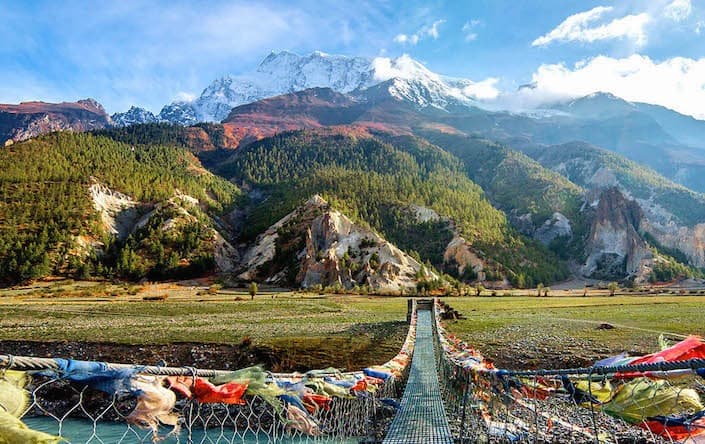
The trek begins in warm, green valleys. You pass rice terraces, waterfalls, and traditional Gurung villages.
How it feels:
- Hot, humid, lively
- Culture shock in the best way
- Strong legs, easy breathing
This is Nepal, many don’t expect, lush, noisy, alive.
Day 3–4: Chamje to Dharapani
Altitude: ~1,960m
The valley narrows. Trails carve into cliffs. Suspension bridges swing above roaring rivers.
What changes:
- Vegetation thickens, then slowly thins
- Villages feel more Tibetan than Hindu
- Nights cool noticeably
You officially enter the Annapurna Conservation Area.
Day 5–6: Dharapani to Chame
Altitude: ~2,710m
Pine forests replace farmland. Snow peaks appear between trees.
How it feels:
- Cooler air
- Longer walking days
- First sense of remoteness
Chame feels like a mountain town, quiet, spacious, calm.
Day 7: Chame to Pisang
Altitude: ~3,300m
The landscape begins to open dramatically. Rock faces rise sharply above the trail.
Highlight:
Your first real views of Annapurna II and Pisang Peak.
Day 8–9: Pisang to Manang (Acclimatisation)
Altitude: 3,540m
Manang is one of the most important stops on the circuit.
Acclimatisation day options:
- Ice Lake hike
- Gangapurna Lake
- Short ridge walks above town
How it feels:
- Appetite drops slightly
- Sleep becomes lighter
- Confidence grows
Manang teaches patience. Rushing from here is a mistake.
Day 10: Manang to Yak Kharka
Altitude: ~4,050m
Trees disappear. The world turns brown, gold, and blue.
How it feels:
- Walking slows
- Every breath is conscious
- Cold evenings arrive
You are now in high-altitude terrain.
Day 11: Yak Kharka to Thorong Phedi / High Camp
Altitude: ~4,450–4,925m
Short walking day, intentionally.
Mental preparation day.
Everyone talks about tomorrow.
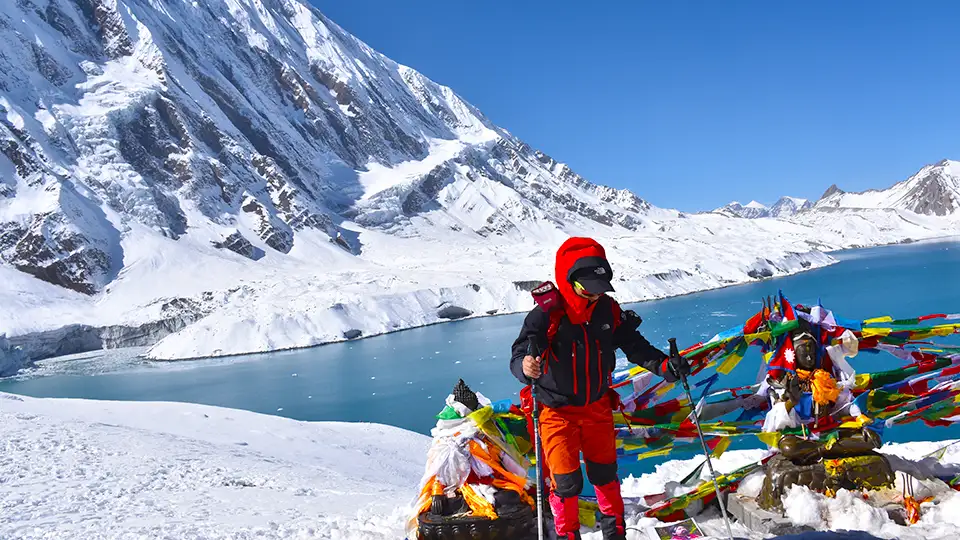
Day 12: Thorong La Pass (5,416m) to Muktinath
Trek duration: 8–10 hours
This is the hardest and most rewarding day.
You start before dawn, climbing slowly under stars. The pass is cold, windy, and emotional.
Standing atop Thorong La, prayer flags whip violently in the wind.
Descent:
Long, tiring, but oxygen returns with every step.
Day 13: Muktinath to Jomsom
Altitude: ~2,700m
Muktinath is sacred to both Hindus and Buddhists.
The landscape now feels almost Tibetan, desert-like.
Day 14–16: Jomsom to Pokhara (via flight or trek)
Some trek onward through the Kali Gandaki Valley. Others fly to Pokhara.
Emotion:
Relief. Pride. Reflection.
Altitude & Safety on the Annapurna Circuit
Though less hyped than Everest, altitude is just as serious here.
Key rules:
- Acclimatise properly in Manang
- Walk slow
- Hydrate constantly
- Never ignore symptoms
Descending is always the cure.
Guide, Porter, or Independent Trek?
Current regulations require licensed guides in many regions.
Benefits:
- Navigation on road-affected sections
- Cultural insight
- Safety at Thorong La
- Local economic support
Food & Accommodation on the Circuit
Teahouses
- Comfortable and welcoming
- Private rooms at lower elevations
- Shared facilities higher up
Food
- Dal Bhat (best fuel)
- Tibetan bread, soups, potatoes
- Prices increase after Manang
Cost of Annapurna Circuit Trek
Approximate budget:
- Permits: $40–$50
- Guide: $25–$35/day
- Porter: $18–$25/day
- Food & lodging: $25–$40/day
Total: $1,000–$1,800 depending on style and duration
Packing Essentials
- Down jacket (-10°C to -20°C)
- Layered clothing
- Sleeping bag
- Trekking poles
- Sunscreen & lip balm
- Power bank
What the Annapurna Circuit Really Gives You
The Annapurna Circuit is worth it, not because it’s famous, but because it’s complete.
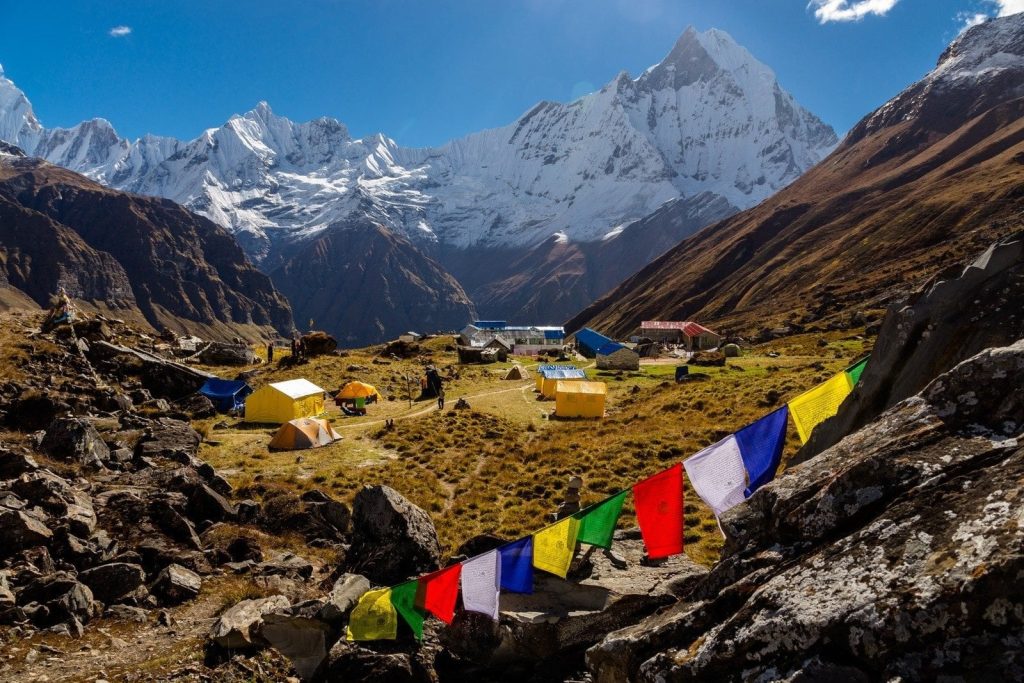
It gives you heat and cold, silence and laughter, effort and ease. It teaches you to accept the change of weather, terrain, mood, and pace. It humbles you without overwhelming you.
This trek isn’t about a single viewpoint or photo. It’s about movement, about watching the world transform step by step, and realising you can transform with it.
For first-time trekkers, the Annapurna Circuit is not just a trek.
It is an education in endurance, patience, and perspective.
And that is why so many return saying the same thing:
“If I could only do one trek in Nepal, it would be this.”
Stay Informed With the Latest & Most Important News
Previous Post
Next Post
- Kathmandu Travel Guide: What to See, Where to Stay, Eat and How to Get Around
- From Mustang to the World: Shinta Mani Mustang Named the No. 1 Luxury Hotel on Earth
- Best Places to Visit in Nepal: A Complete Region-by-Region Guide for Every Traveller
- Trekking in Nepal: The Complete Guide to Choosing and Planning Your Himalayan Trek
- Beyond the Mountains: Why Nepal Could Become One of the World’s Great Food Destinations