Now Reading: Living Like a Local in Nepal: Cultural Experiences You Won’t Find in a Guidebook
-
01
Living Like a Local in Nepal: Cultural Experiences You Won’t Find in a Guidebook
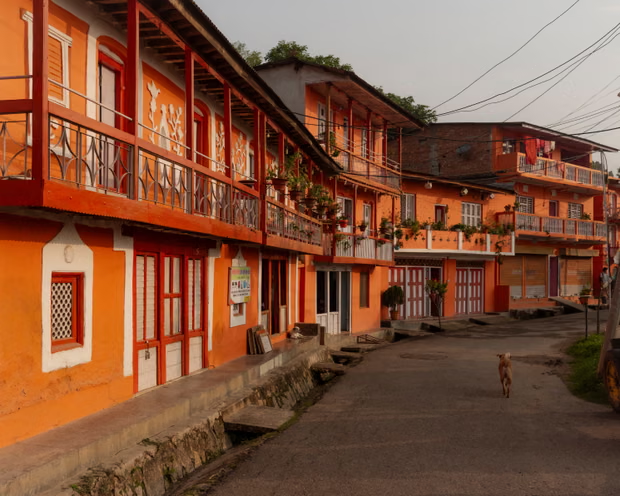

Nepal is often introduced to the world through its mountains, temples, and trekking routes. While these iconic attractions remain an essential part of the country’s identity, Nepal’s true cultural richness is found in everyday life, inside homes, village courtyards, shared kitchens, and community celebrations. To truly understand Nepal, travellers must look beyond guidebooks and tourist itineraries and experience how people live, eat, celebrate, and connect with one another.
Culture Beyond Sightseeing
In Nepal, culture is not something reserved for special occasions or performances. It is lived daily. From early morning tea rituals to evening conversations shared around a hearth, daily life reflects values shaped by family, community, and tradition. Time moves at a different pace, especially outside major cities. Work, rest, prayer, and social interaction blend seamlessly rather than existing in rigid compartments.
This slower rhythm offers visitors a rare opportunity to observe how cultural continuity is maintained, not through preservation alone, but through everyday participation. Simple routines such as sweeping the courtyard at dawn or sharing meals together reveal a way of life grounded in balance and mutual care.
Staying in a Nepali Home
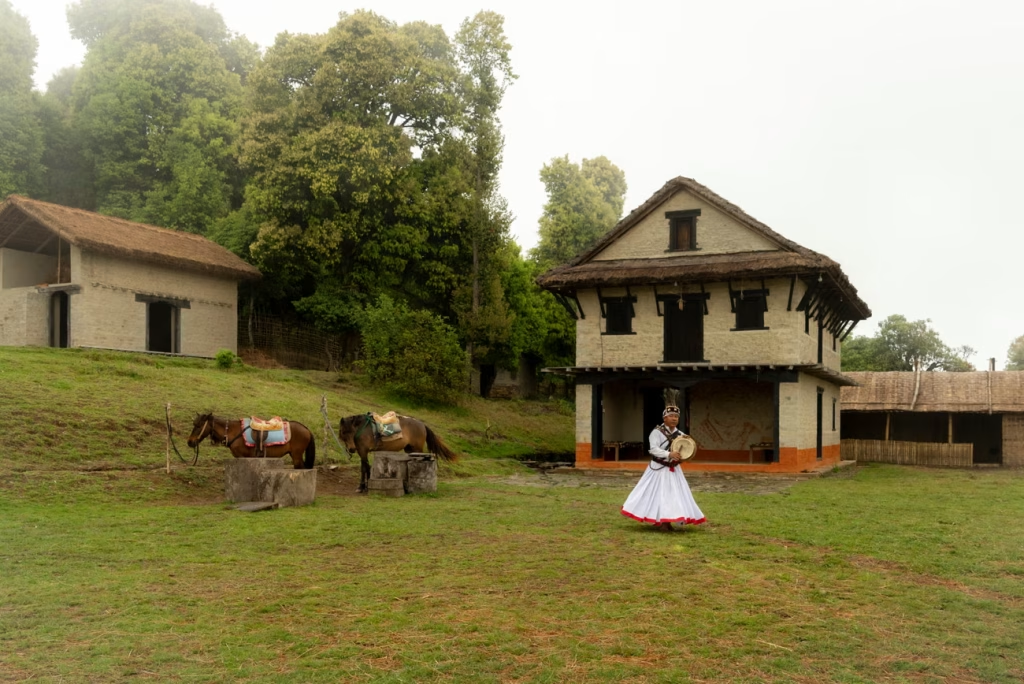
One of the most meaningful ways to experience Nepali culture is by staying in a local home. Homestays, common in both rural and semi-urban areas, offer visitors insight into household routines that hotels cannot replicate. Homes are often multi-generational, with grandparents, parents, and children sharing responsibilities and living space.
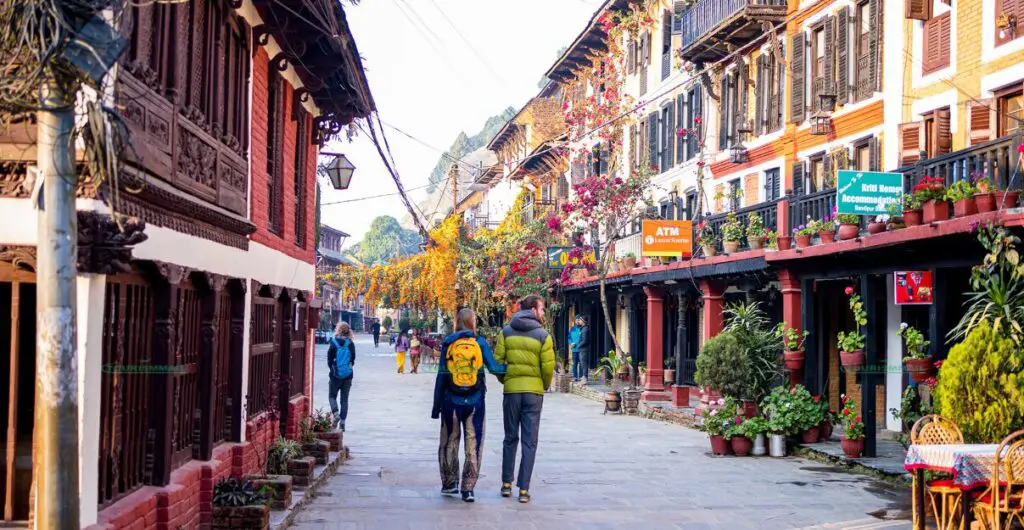
In hill towns such as Bandipur, daily life follows natural cycles rather than strict schedules. Meals are prepared collectively, guests are welcomed warmly, and social interactions extend beyond immediate family to neighbours and relatives. Hospitality is not transactional; offering food, tea, and conversation is considered a duty rather than a courtesy.
Food as Cultural Practice
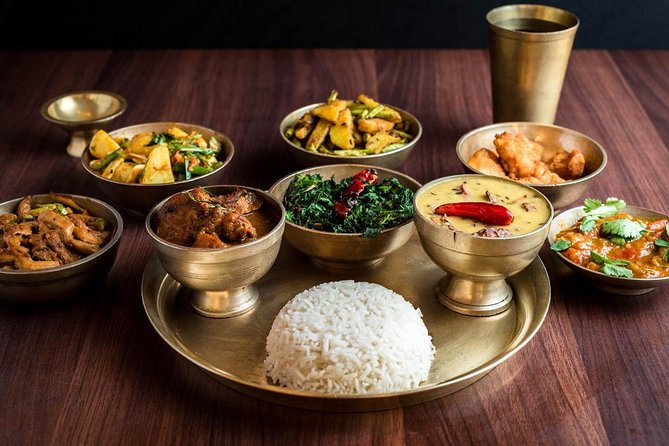
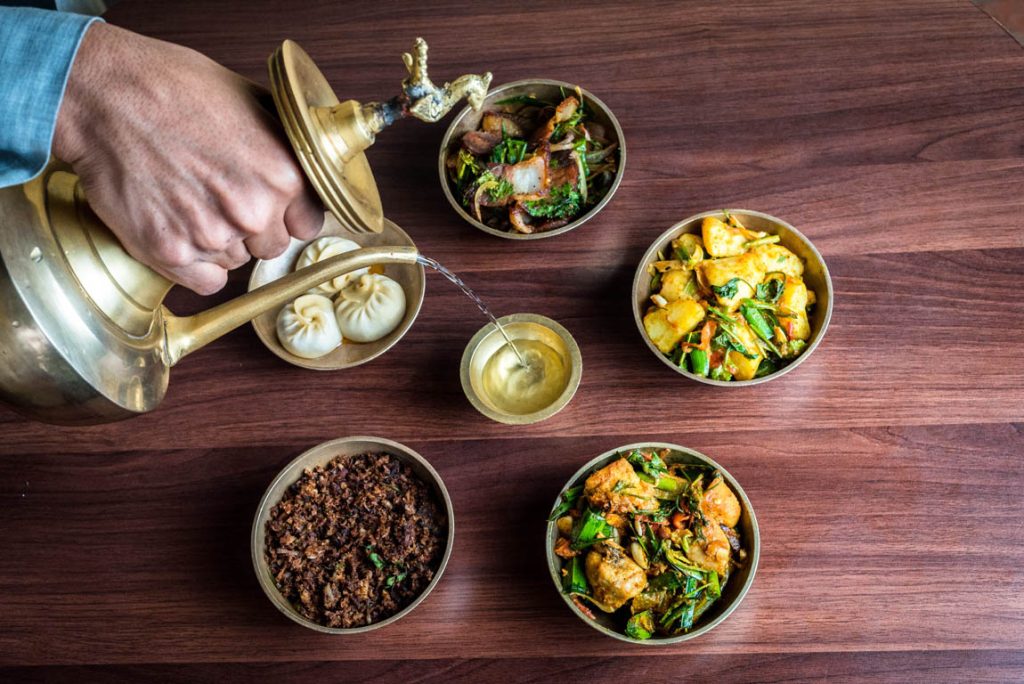
Nepali food reflects cultural values of simplicity, nourishment, and sharing. The staple meal, dal bhat, forms the backbone of daily life across the country. More than a dish, it is a social ritual. Meals are typically eaten together, with elders served first and guests encouraged to eat generously.
In historic cities like Bhaktapur, food also expresses cultural identity. Newari cuisine, known for its richness and variety, plays a central role in festivals, ceremonies, and communal gatherings. Recipes are passed down through practice rather than written instruction, ensuring continuity across generations.
What makes Nepali food culture distinctive is its purpose. Meals are not designed for display or novelty but for sustenance and togetherness. Visitors are welcomed into this system not as customers, but as participants.
Festivals as Community Events
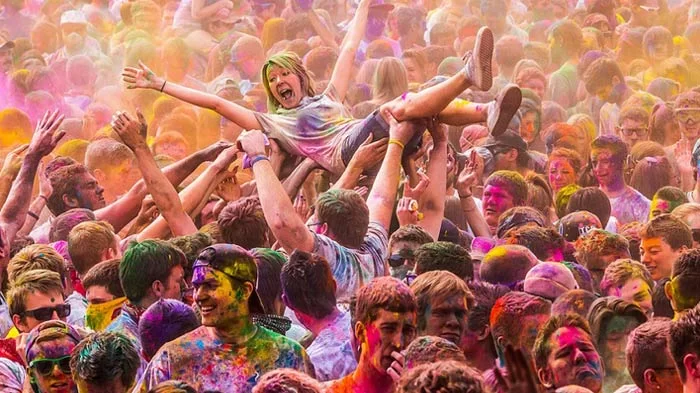
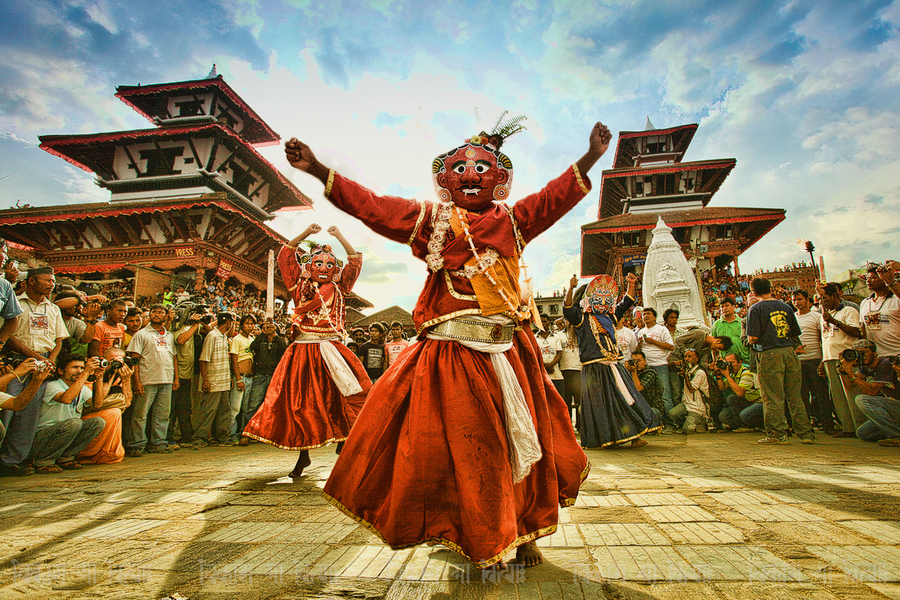
Nepal’s festivals are often visually striking, but their deeper meaning lies in community participation. Celebrations such as Tihar are rooted in family rituals, seasonal cycles, and spiritual beliefs. Homes are cleaned, courtyards decorated, and food prepared days in advance. Animals such as dogs and cows are honoured not symbolically, but through everyday acts of care.
Festivals are not confined to public squares or temples. Much of the celebration happens privately, within households and neighbourhoods. Visitors who experience festivals with local families gain insight into their emotional and cultural significance, rather than seeing them as performances for outsiders.
A Fabric of Ethnic Cultures
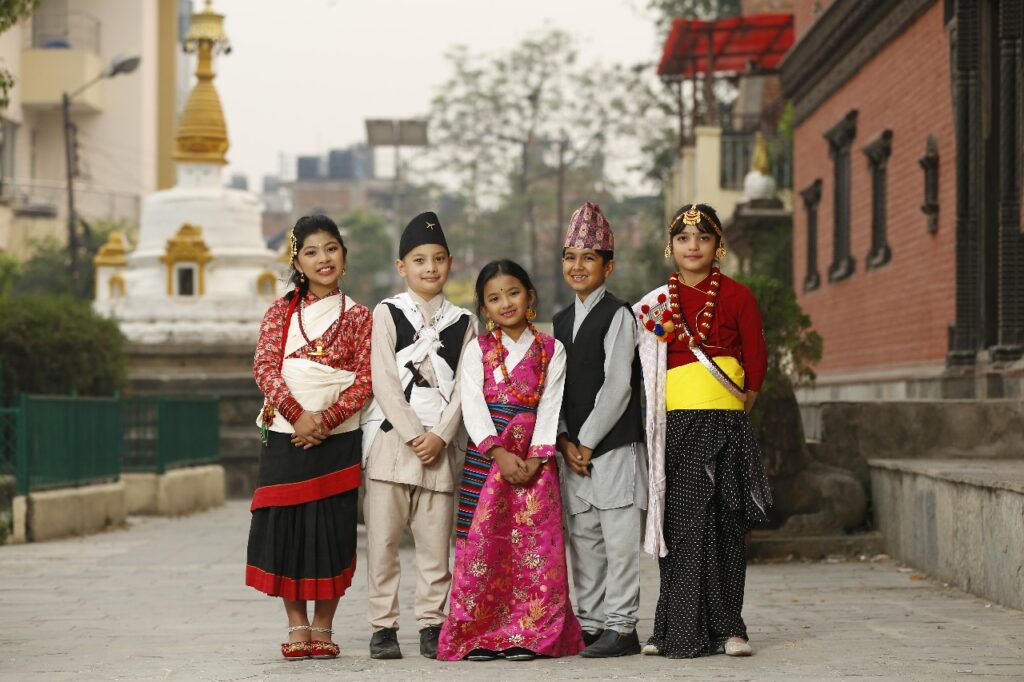
Nepal is home to more than 100 ethnic groups, each contributing to the country’s cultural diversity. From Newar communities in the Kathmandu Valley to Gurung and Magar villages in the mid-hills, cultural practices vary widely while sharing common values.
In villages near Ghale Gaun, communal living remains central. Evenings are often spent together, sharing stories, discussing daily events, or simply sitting in silence as the day ends. Social cohesion is maintained through regular interaction rather than formal organisation.
Despite linguistic, regional, and cultural differences, a strong sense of collective responsibility unites Nepali communities. Elders are respected, guests are welcomed, and social harmony is prioritised over individual convenience.
Understanding Cultural Etiquette
Cultural immersion in Nepal also involves understanding unspoken social norms. Respect is communicated through behaviour rather than words. Removing shoes before entering homes, greeting elders first, and accepting offered food or tea are considered signs of good manners.
Language barriers rarely hinder meaningful interaction. A simple “namaste” conveys respect, and genuine curiosity is met with patience. Mistakes are generally forgiven, particularly when visitors demonstrate humility and willingness to learn.
Everyday Life as Cultural Wealth
Nepal challenges conventional ideas of luxury. Cultural wealth here is measured not in material possessions but in time, relationships, and shared experience. Homes may be modest, yet generosity is abundant. Community bonds are maintained through daily presence rather than formal obligation.
This perspective offers valuable insight for travellers accustomed to fast-paced, individualistic lifestyles. Experiencing Nepali daily life highlights the importance of connection, routine, and mutual support in sustaining cultural identity.
Travelling Respectfully in Nepal
Engaging deeply with Nepali culture requires a mindful approach. Travellers are encouraged to spend more time in fewer places, choose homestays where possible, and participate respectfully in daily routines. Asking questions, observing quietly, and following local customs help ensure meaningful and ethical cultural exchange.
Cultural experiences in Nepal are not commodities to be consumed but relationships to be nurtured. Respectful travel supports local communities while enriching the visitor’s understanding of the country.
More Than a Destination
Nepal’s cultural depth extends far beyond its famous landmarks. It is found in kitchens where meals are prepared collectively, in courtyards where neighbours gather, and in festivals celebrated within families rather than on stages.
For travellers willing to slow down and engage with everyday life, Nepal offers one of the most authentic cultural experiences in the world, one that lingers long after the journey ends.
Related Posts
Stay Informed With the Latest & Most Important News
Previous Post
Next Post
- Kathmandu Travel Guide: What to See, Where to Stay, Eat and How to Get Around
- From Mustang to the World: Shinta Mani Mustang Named the No. 1 Luxury Hotel on Earth
- Best Places to Visit in Nepal: A Complete Region-by-Region Guide for Every Traveller
- Trekking in Nepal: The Complete Guide to Choosing and Planning Your Himalayan Trek
- Beyond the Mountains: Why Nepal Could Become One of the World’s Great Food Destinations